Summary:
Your water heater accounts for roughly 15-20% of your home’s total energy use. In New Jersey, where electricity rates hover around 22 cents per kilowatt-hour—well above the national average—that adds up fast. A solar water heater can slash those costs by 50-80%, but only if you choose the right system and understand what you’re actually getting into. There’s the upfront investment to consider, the difference between active and passive systems, and how New Jersey’s climate affects performance. Let’s start with what a solar water heater actually is and whether it makes sense for your Monmouth County home.
How Solar Water Heaters Work in New Jersey Homes
A solar water heater uses roof-mounted collectors to capture sunlight and convert it into heat for your water. Unlike solar panels that generate electricity, these systems focus purely on heating water—which happens to be one of the most efficient uses of solar energy.
The basic setup includes solar collectors on your roof, an insulated storage tank (usually 40-120 gallons), and the piping that connects everything. When sunlight hits the collectors, it heats either water directly or a heat-transfer fluid that then warms your water through a heat exchanger. Most systems in New Jersey also include a backup heating source—either electric or gas—because cloudy days and winter months can limit solar production.
What makes this practical in New Jersey, despite our winters, is that modern systems are designed to handle freezing temperatures. The key is choosing the right type of system for our climate and understanding that you’re not replacing your backup heater entirely—you’re dramatically reducing how often it needs to run.
Active vs Passive Solar Water Heater Systems
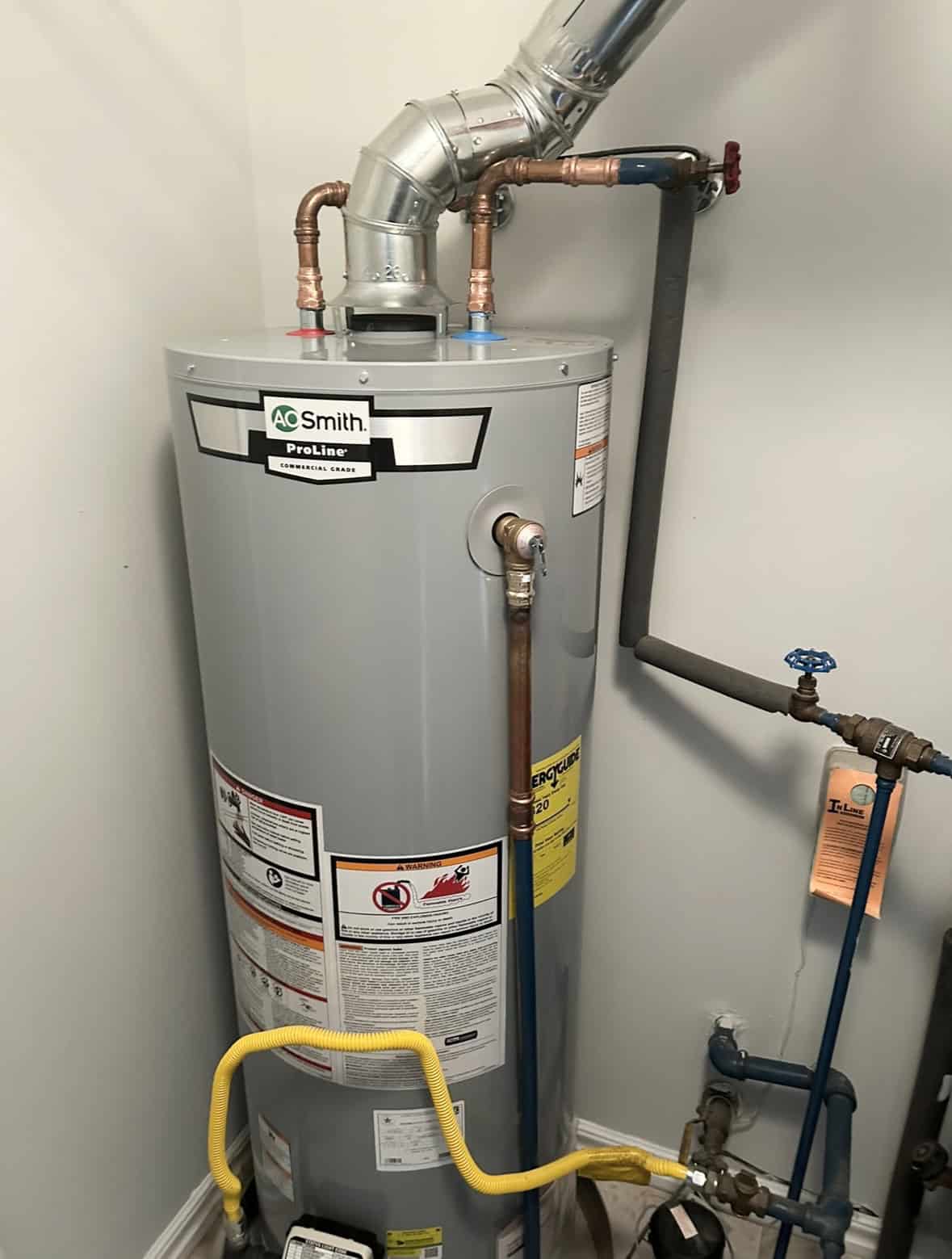
The difference between active and passive solar water heaters comes down to how water moves through the system. Active systems use electric pumps and controls to circulate water or heat-transfer fluid between the collectors and your storage tank. Passive systems rely on natural convection—hot water rises, cold water sinks—to move water without any pumps or electricity.
For New Jersey homeowners, active systems are typically the better choice. They’re more efficient in colder climates because they can use indirect circulation with antifreeze solution in the collectors, protecting against freeze damage. The pumps ensure optimal heat transfer even when temperatures drop. Yes, they cost more upfront—usually $2,300-$6,000 for the system alone—but they deliver better year-round performance.
Passive systems cost less ($1,000-$3,700) and have fewer moving parts to maintain, which sounds appealing. The challenge is they’re more vulnerable to freezing and less efficient overall. In milder climates, that trade-off might work. In New Jersey, where winter temperatures regularly dip below freezing, an active system with proper freeze protection gives you reliable performance without the worry.
Within active systems, you’ll find two subcategories. Direct circulation systems pump household water directly through the collectors—these work in climates where freezing is rare. Indirect circulation systems pump a non-freezing heat-transfer fluid through the collectors and use a heat exchanger to warm your water. For Monmouth County, indirect circulation is the standard recommendation. It costs slightly more but eliminates freeze risk entirely.
Passive systems also split into two types. Integral collector-storage systems combine the collector and storage tank in one unit—simple but heavy and prone to heat loss at night. Thermosyphon systems place the storage tank above the collector so heated water naturally rises into the tank. Both work better in consistently warm climates than in New Jersey’s variable weather.
The bottom line: active indirect systems cost more initially but deliver the reliability and efficiency that make sense for our climate. That extra investment typically pays back through better performance and fewer headaches over the system’s 15-25 year lifespan.
What Solar Water Heaters Actually Cost in New Jersey
A complete solar water heater installation in New Jersey typically runs $3,000-$9,000, depending on system type, tank size, and installation complexity. That’s before incentives—we’ll get to those in a moment because they make a significant difference.
The system itself breaks down into a few main components. Solar collectors cost $800-$1,500 each, and most residential installations need two or three panels. Your storage tank runs $1,000-$2,800, with price varying based on size and whether you need a single or double-walled unit. Installation labor adds another $1,000-$2,500, and that’s where choosing an experienced contractor matters—proper installation directly affects system performance and longevity.
Here’s where it gets more interesting. The federal tax credit covers 30% of your total installed cost. On a $6,000 system, that’s $1,800 back when you file your taxes. New Jersey also exempts solar equipment from the state’s 6.625% sales tax, saving you roughly $400 on that same system. Add the property tax exemption—meaning your home’s increased value from solar doesn’t raise your tax bill—and you’re looking at real savings.
The payback period for solar water heaters in New Jersey typically runs 2-6 years. That’s faster than in many other states because our electricity rates are higher than average. A system that costs $6,000 installed and drops to $4,200 after the federal credit could save you $700-$1,000 annually on water heating. Do the math: you’re looking at payback in 4-6 years, then 15-20 more years of dramatically reduced costs.
Compare that to simply replacing your old electric water heater with another standard electric model. You’ll spend $600-$1,200 upfront, but you’re committing to the same high operating costs for the next 10-12 years. Over the 20-year lifespan of a solar system, you’d replace that conventional heater twice and pay full electricity rates the entire time.
One cost factor specific to New Jersey: permits and inspections. All water heater installations require permits under state law, and solar thermal systems must comply with Chapter 23 and ICC 900/SRCC 300 standards. Reputable contractors build permit costs into their quotes and handle the paperwork. If someone offers a deal that seems too good to be true and mentions skipping permits, walk away. Non-compliant installations can result in fines, forced removal, and insurance complications if something goes wrong.
Electric Water Heater and Heat Pump Alternatives
Solar isn’t your only path to lower water heating costs. Heat pump water heaters and high-efficiency electric models offer different trade-offs that might better fit your situation, budget, or timeline.
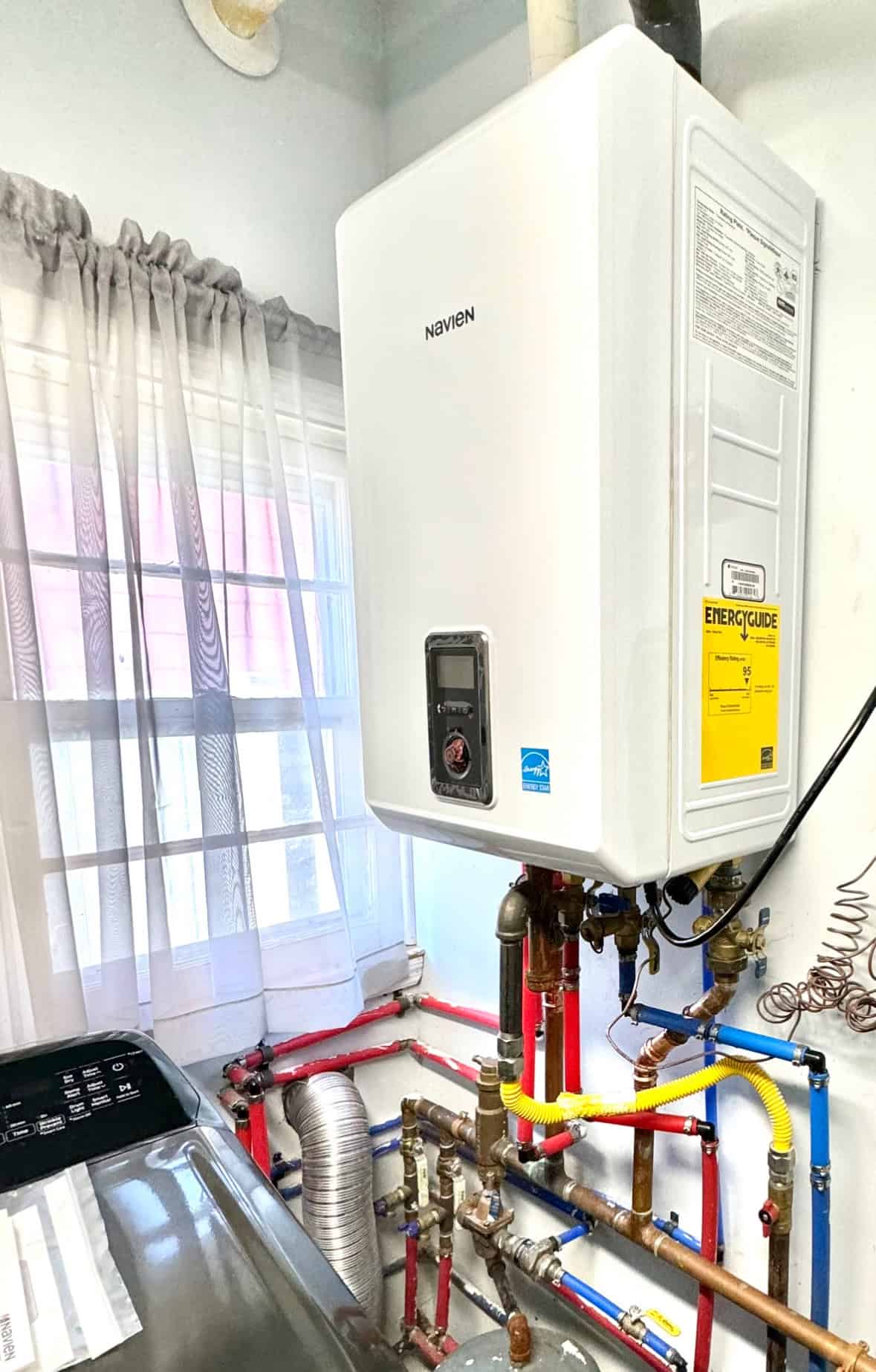
A heat pump water heater doesn’t generate heat directly—it pulls warmth from surrounding air and transfers it to your water, similar to how a refrigerator works in reverse. This makes them 2-3 times more energy efficient than standard electric resistance water heaters. For a family of four, that translates to roughly $550 in annual savings compared to a conventional electric model.
The upfront cost for a heat pump water heater runs $1,500-$3,000 installed, significantly less than solar. They also qualify for a $2,000 federal tax credit, which can bring your net cost down to $500-$1,000. That’s a much easier pill to swallow than a $6,000 solar investment, even after incentives.
Heat Pump Water Heater vs Electric Hot Water Heater
The difference in operating costs between heat pump and standard electric water heaters is substantial. A standard electric hot water heater uses resistance elements—essentially giant toaster coils—to heat water stored in a tank. It’s simple, reliable, and expensive to run. Heat pump models use electricity too, but only to move heat rather than create it, which requires far less energy.
Real-world numbers: a typical electric resistance water heater might use 60 kilowatt-hours per month to heat water for a household. A heat pump model doing the same job uses around 20 kWh. At New Jersey’s average electricity rate of 22 cents per kWh, that’s the difference between $13 and $4 monthly, or roughly $110 in annual savings. Over a 13-15 year lifespan, you’re looking at $1,400-$1,650 in savings—and that’s conservative.
Heat pump water heaters do have some installation requirements that standard electric models don’t. They need at least 1,000 cubic feet of air space around them because they’re pulling heat from that air. They work best in spaces that stay between 40-90°F year-round, which usually means your basement or garage. They’re also taller than standard units—often 6-7 feet—so ceiling height matters.
The noise factor comes up occasionally. Heat pump models have a compressor and fan that create a low hum, similar to a refrigerator. In a basement or garage, most people never notice. If you’re considering installation in living space, it’s worth seeing a unit running before you commit.
One advantage heat pump water heaters have over solar: they work consistently regardless of weather. Cloudy week? No problem. Middle of winter with limited daylight? Still running efficiently. You’re not dependent on sun exposure or worried about freeze protection. That reliability appeals to homeowners who want efficiency gains without the complexity of solar collectors and heat-transfer systems.
Standard electric water heaters remain the cheapest option upfront—$450-$1,200 installed. They’re simple, widely available, and any plumber can install one. But you’re locking in high operating costs for the next 10-12 years. In New Jersey’s high-rate environment, that decision costs you hundreds annually compared to more efficient alternatives.
New Jersey Solar Rebates and Financing Options
New Jersey’s solar incentive landscape shifted in 2026, but opportunities remain for homeowners investing in solar water heating systems. Understanding what’s currently available—and what’s changed—helps you make informed decisions about timing and financing.
The federal tax credit remains the biggest single incentive. At 30% of total installed cost, it can reduce a $6,000 system to $4,200 net cost. This is a tax credit, not a rebate, meaning it reduces your tax liability dollar-for-dollar. If you owe $5,000 in federal taxes and claim a $1,800 credit, you now owe $3,200. If your tax liability is lower than the credit amount, you can carry the unused portion forward to future tax years.
New Jersey’s sales tax exemption applies automatically at purchase—you simply don’t pay the state’s 6.625% sales tax on solar equipment. On a $6,000 system, that’s roughly $400 in immediate savings. The property tax exemption means the added home value from your solar installation won’t increase your annual property tax bill. In a state with property tax rates averaging 2.3%, that protection adds up over time.
The Successor Solar Incentive (SuSI) program primarily targets solar electric systems rather than solar thermal water heaters, but it’s worth understanding if you’re considering a whole-home solar approach. The program provides fixed payments for solar electricity production over 15 years, which can stack with water heating efficiency improvements.
Financing makes high-efficiency systems accessible without large upfront cash outlays. We offer 0% financing options on qualifying installations, letting you spread costs over time while immediately benefiting from lower energy bills. When your monthly financing payment is less than your monthly savings, you’re cash-flow positive from day one. Monmouth County homeowners can also take advantage of current promotions, including $100 off new water heater installations.
Some homeowners use home equity lines of credit to finance solar installations. The interest is often tax-deductible (consult your tax advisor), and you maintain flexibility in repayment. Others roll the cost into a refinance if they’re already planning mortgage changes. The key is matching your financing approach to your overall financial situation and timeline.
One consideration specific to New Jersey: permits aren’t optional. All water heater installations require permits and inspections under state law. Solar thermal systems must comply with specific standards, and your contractor should handle all permitting as part of the installation. Permit costs typically run $80-$150 depending on your municipality. Reputable contractors include these in their quotes and manage the entire process.
Choosing the Right Water Heating System for Your Home
Solar water heaters, heat pump systems, and high-efficiency electric models all offer paths to lower energy costs. Which makes sense for your Monmouth County home depends on your budget, timeline, and how long you plan to stay in your house.
Solar delivers the biggest long-term savings—50-80% reduction in water heating costs—but requires the largest upfront investment and works best for homeowners planning to stay put for 8-10+ years. Heat pump water heaters cost less initially, qualify for substantial federal tax credits, and provide consistent 60-70% savings over standard electric models. Standard electric heaters remain the cheapest to install but lock you into the highest operating costs.
The right choice isn’t always the most efficient option—it’s the one that fits your specific situation and gives you confidence in the investment. We can walk you through the options, explain how each system would perform in your home, and provide upfront pricing so you know exactly what you’re getting into. Reach out to discuss which water heating solution makes the most sense for your home.