
Your water heater works hard every day, but without regular maintenance, it won't last. Learn how simple annual care extends system life and prevents costly breakdowns.
Share:
Summary:
Your water heater doesn’t ask for much. It sits quietly in the basement or utility closet, heating water day after day, year after year. Until it doesn’t. Most homeowners never think about their water heater until they’re standing in a cold shower or facing a four-figure replacement bill. The frustrating part? Most of those failures are preventable. With some basic hot water tank maintenance—tasks that take minutes, not hours—you can add years to your system’s life, keep your energy bills in check, and avoid the kind of emergency repair calls that always seem to happen at the worst possible time. Here’s what actually works.
Think of your water heater like your car. You wouldn’t skip oil changes for ten years and expect the engine to keep running smoothly. Same principle applies here.
The average tank water heater lasts somewhere between 8 and 12 years. Tankless systems can push 15 to 20 years. But here’s the thing—those numbers assume regular maintenance. Without it, you’re looking at the low end of that range, or worse. A neglected water heater might give out at 8 years when it could have easily made it to 15.
The math is straightforward. A full water heater replacement runs anywhere from $1,000 to $3,500 depending on the type and installation complexity. Professional maintenance? Usually $75 to $300 per visit. You’re spending a couple hundred bucks a year to protect a multi-thousand-dollar investment and avoid the inconvenience of going without hot water while you scramble for emergency service.
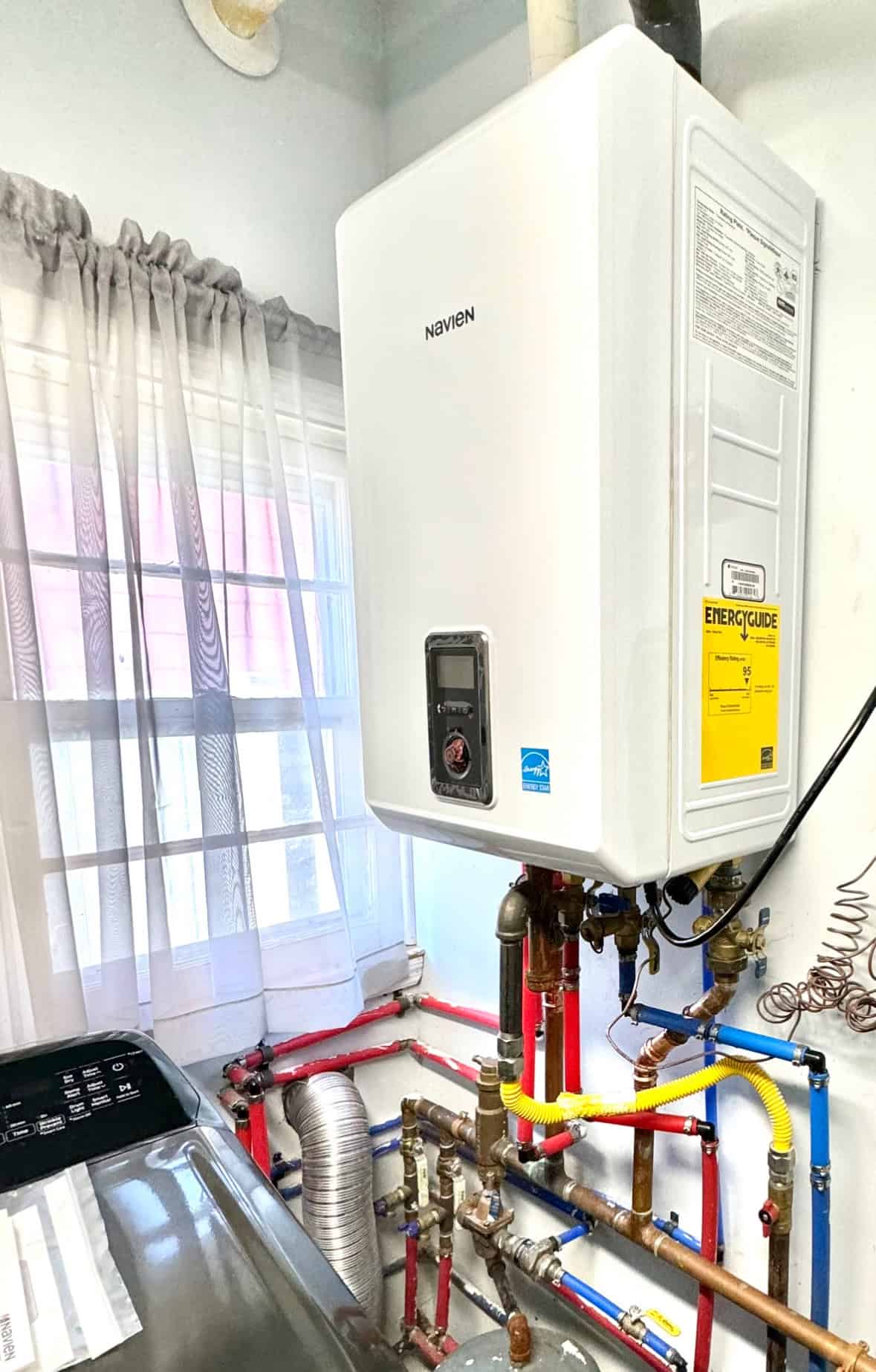
Let’s start with what you can actually do yourself without calling in a pro. These aren’t complicated tasks, but they make a real difference.
First up: flushing your tank. Sediment—mostly minerals from your water supply—settles at the bottom of the tank over time. That buildup acts like insulation between the heating element and the water, forcing your system to work harder and use more energy. It also creates hot spots that can damage the tank lining and lead to early failure. Flushing clears that out.
Here’s how it works. Turn off the power (flip the breaker for electric units, or turn the gas valve to pilot). Shut off the cold water supply to the tank. Connect a garden hose to the drain valve at the bottom of the unit and run it to a floor drain, utility sink, or outside. Open the drain valve and let the water flow until it runs clear. You’re looking for sediment and debris to flush out. For most homes, draining two to three gallons does the job, but keep going until the water looks clean.
How often? Once a year is the standard recommendation. If you’re in an area with hard water—and Monmouth County definitely qualifies—you might want to bump that up to twice a year. Hard water means more minerals, which means faster sediment buildup.
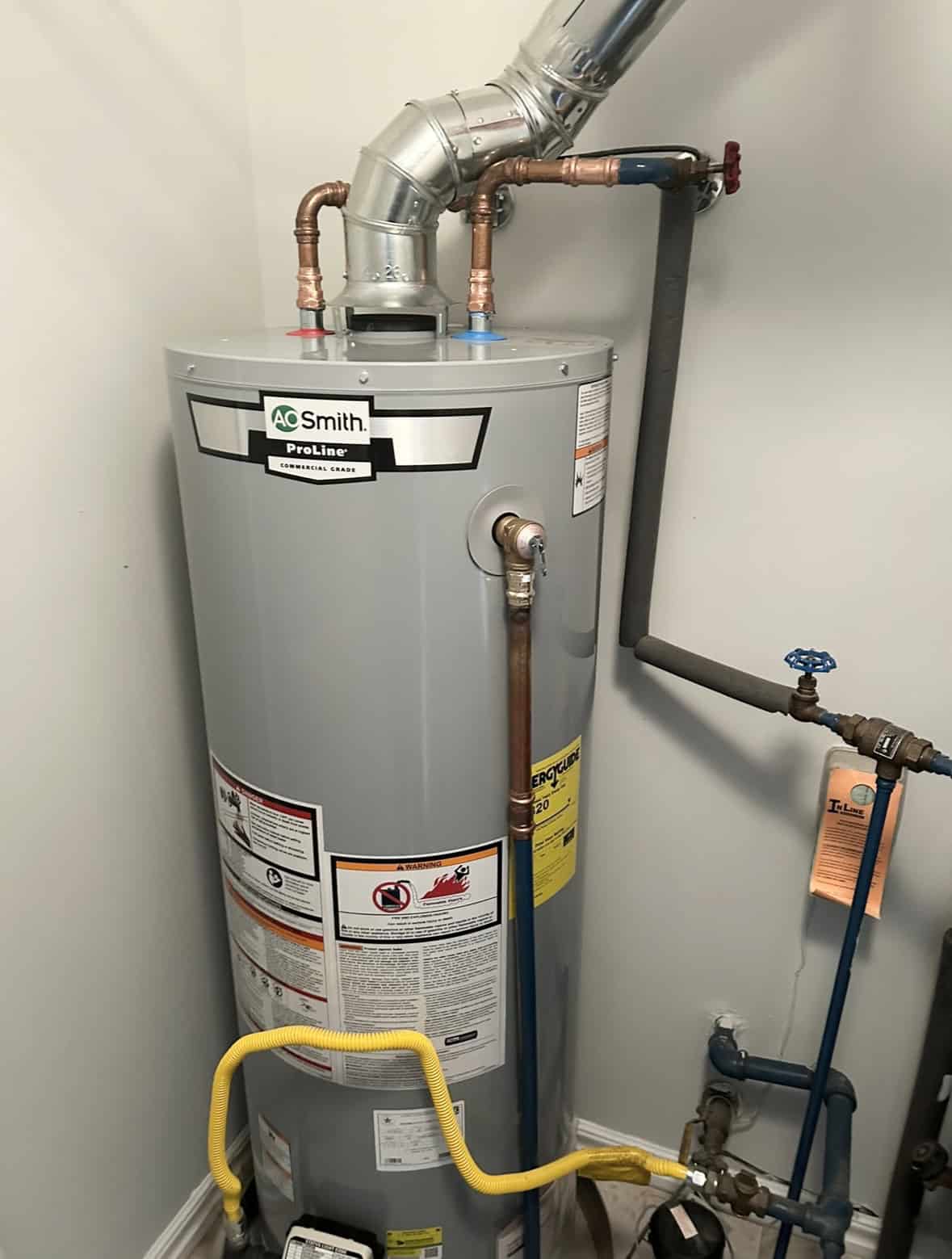
Next: test your temperature and pressure relief valve. This is the safety device that prevents your tank from turning into a bomb if pressure builds up too high. It should open and release water when you lift the lever. If it doesn’t, or if it leaks afterward, it needs replacement. This is a quick monthly check that takes 30 seconds.
Set your thermostat to 120 degrees Fahrenheit. Anything higher wastes energy and increases the risk of scalding. Anything lower might not kill bacteria effectively. 120 is the sweet spot for most households.
Some maintenance tasks are best left to someone who does this for a living. Not because you’re incapable, but because the stakes are higher and the work requires specific tools and expertise.
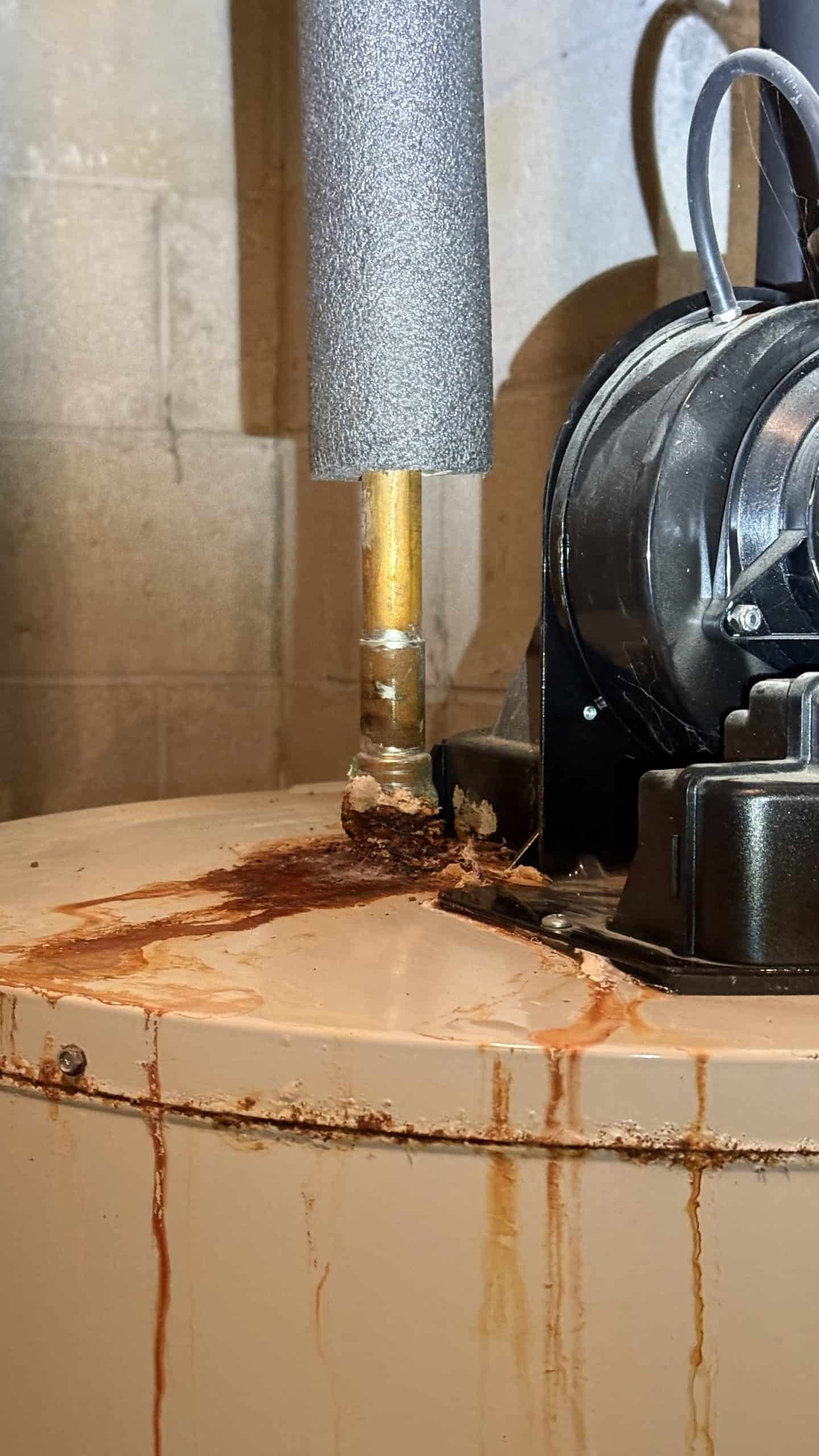
The anode rod is a perfect example. This is a metal rod (usually magnesium or aluminum) that hangs inside your tank and attracts corrosive elements in the water. Basically, it corrodes so your tank doesn’t. It’s a sacrificial part, and once it’s eaten away, your tank starts rusting from the inside out. Most anode rods need replacement every 3 to 5 years, but checking them requires draining the tank and removing the rod—not a simple job if you’ve never done it before.
A professional can inspect the rod during a maintenance visit and replace it if needed. This single task can add years to your water heater’s life. Ignore it, and you’re looking at premature tank failure and a full replacement.
For tankless water heaters, descaling is the big one. Mineral buildup happens inside the heat exchanger, and if it’s not flushed out regularly, it reduces efficiency and can damage expensive components. Professional descaling typically costs $150 to $350 and should happen annually if you have hard water. Some homeowners tackle this themselves with a descaling kit, but most prefer to hand it off to a technician who can also inspect the system for other issues.
Gas water heaters add another layer of complexity. Checking the burner, inspecting the venting system, and making sure there are no gas leaks—these aren’t DIY-friendly tasks. A licensed plumber knows what to look for and how to address problems safely.
Professional maintenance also catches things you might miss. Hairline cracks in the tank, signs of corrosion around fittings, unusual noises that signal a failing component—these are early warnings that a trained eye picks up before they turn into expensive emergencies. A typical maintenance visit includes a full inspection, flushing, testing safety valves, checking electrical or gas connections, and making minor adjustments. It’s preventive care that pays for itself by avoiding bigger problems down the road.
The question isn’t whether maintenance extends your water heater’s life—it’s by how much. And the answer is significant.
A well-maintained tank water heater can push past 15 years. A neglected one might struggle to hit 10. That’s a 50% difference in lifespan, all because of a few hours of attention spread across a decade. Tankless systems follow the same pattern. With proper care, they can exceed 20 years. Without it, you’re looking at the lower end of the range, plus more frequent repairs along the way.
The biggest factor? Sediment and corrosion. These are the two silent killers of water heaters, and both are completely manageable with regular maintenance. Flushing removes sediment. Anode rod replacement prevents corrosion. Do both consistently, and your system keeps running efficiently for years beyond what most people expect.
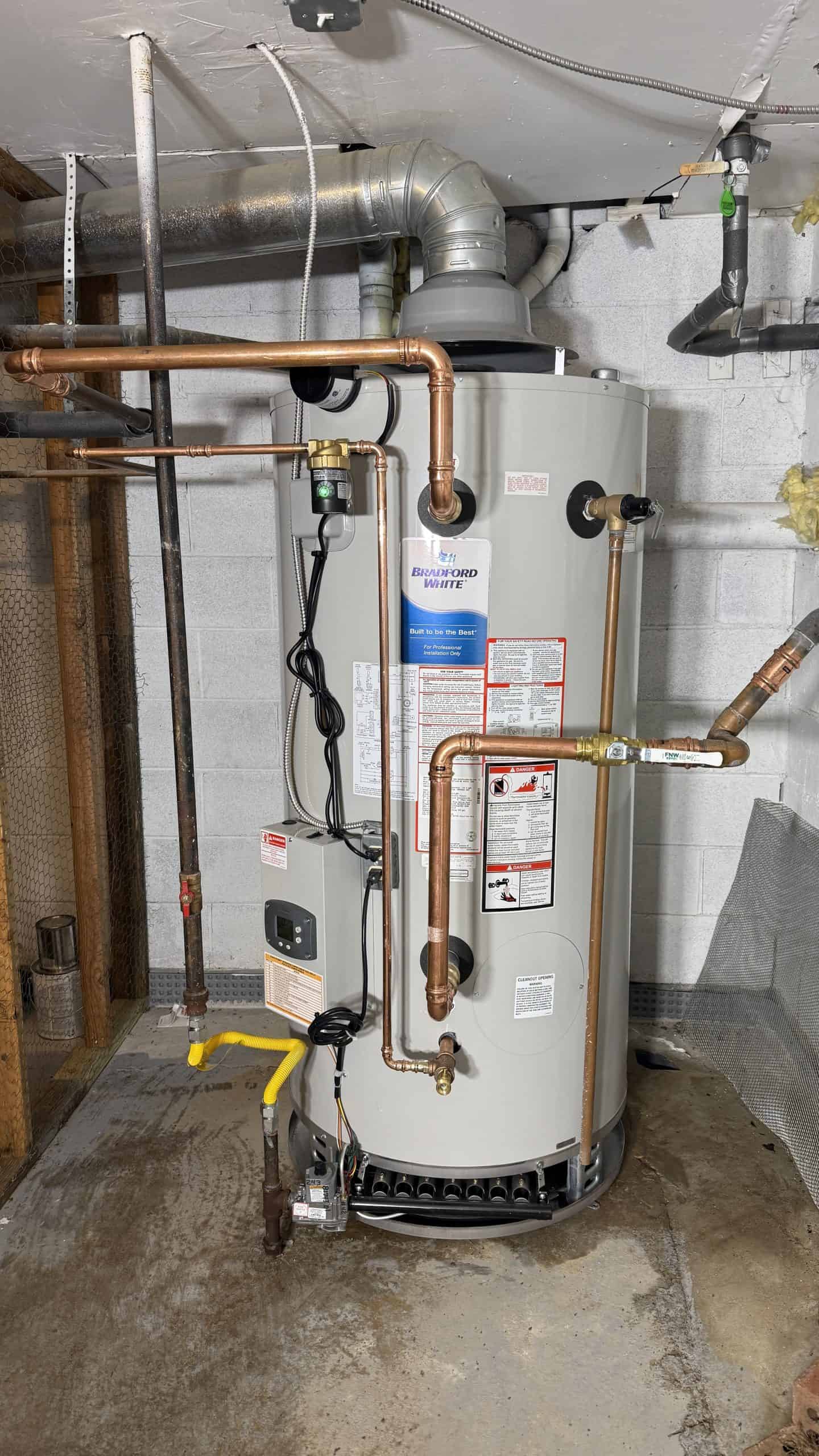
Tankless systems get marketed as low-maintenance, and in some ways, they are. No tank means no sediment settling at the bottom. No anode rod to replace. But they’re not maintenance-free.
The main task is descaling, especially if you have hard water. Minerals build up inside the heat exchanger, and if they’re not flushed out, they reduce efficiency and can cause the unit to overheat or fail. Professional descaling runs $150 to $350, depending on your location and the severity of the buildup. In areas with particularly hard water, you might need this done twice a year instead of annually.
Some manufacturers void the warranty if you don’t keep up with descaling. That’s worth checking before you skip a service appointment. A voided warranty means you’re on the hook for any repairs or replacement costs, which can be steep for tankless units.
Filters also need attention. Most tankless heaters have an inlet screen filter that traps debris before it enters the system. Cleaning this filter is simple and should happen every few months. It’s a 5-minute job that prevents clogs and keeps water flowing properly.
Tankless maintenance plans are worth considering if you want to set it and forget it. Many plumbing companies offer annual plans that include descaling, filter cleaning, and a full system inspection for a flat fee—usually $100 to $300 per year. That’s often cheaper than paying for individual service calls, plus you get priority scheduling and sometimes discounts on repairs.
Is tankless maintenance more expensive than traditional tank maintenance? Not really. The tasks are different, but the costs are comparable. Tankless systems tend to last longer, so when you spread the maintenance cost over the lifespan of the unit, they often come out ahead.
Let’s talk numbers, because this is where the value of maintenance becomes crystal clear.
Professional maintenance for a tank water heater typically costs $75 to $200 for a single visit. An annual maintenance plan might run $100 to $300, depending on what’s included. That covers flushing, valve testing, anode rod inspection, and a full system check.
Now compare that to repair costs. The average water heater repair runs $600, with some jobs hitting $1,800 depending on what’s broken. Common repairs include replacing heating elements ($200 to $300), fixing leaks ($100 to $1,000), or replacing a failed thermostat ($150 to $250). Those are the kinds of problems that maintenance catches early—or prevents entirely.
Replacement? You’re looking at $1,000 to $3,500 for a new water heater, including installation. Tankless systems can push even higher depending on the model and installation requirements.
Do the math. Spending $150 a year on maintenance for 10 years costs $1,500. That’s less than a single replacement and way less than multiple emergency repairs. Plus, you’re getting better efficiency the whole time, which means lower energy bills. Regular maintenance can cut your water heating costs by up to 30% annually by keeping the system running at peak performance.
Emergency service calls add another layer of cost. After-hours, weekend, and holiday rates can be 20% to 50% higher than standard pricing. A maintenance visit scheduled during normal business hours avoids that premium entirely.
Here’s the reality: maintenance isn’t an expense. It’s insurance. You’re paying a small amount now to avoid a much larger expense later, and you’re extending the life of a major appliance in the process. That’s not a hard decision.
Your water heater is one of those things you don’t appreciate until it’s gone. A little attention goes a long way—annual flushing, regular valve checks, and professional inspections keep your system running efficiently and add years to its lifespan.
The difference between a water heater that lasts 8 years and one that makes it to 15 isn’t luck. It’s maintenance. And the cost of that maintenance is a fraction of what you’ll pay for emergency repairs or premature replacement.
If you’re in Monmouth County and want to make sure your water heater gets the care it needs, we can help. Our team at AME Plumbing Heating and Cooling handles everything from routine maintenance to full system replacements, with upfront pricing and no surprises. Reach out to us and keep your hot water flowing.
Article details:
Share:
Continue learning: