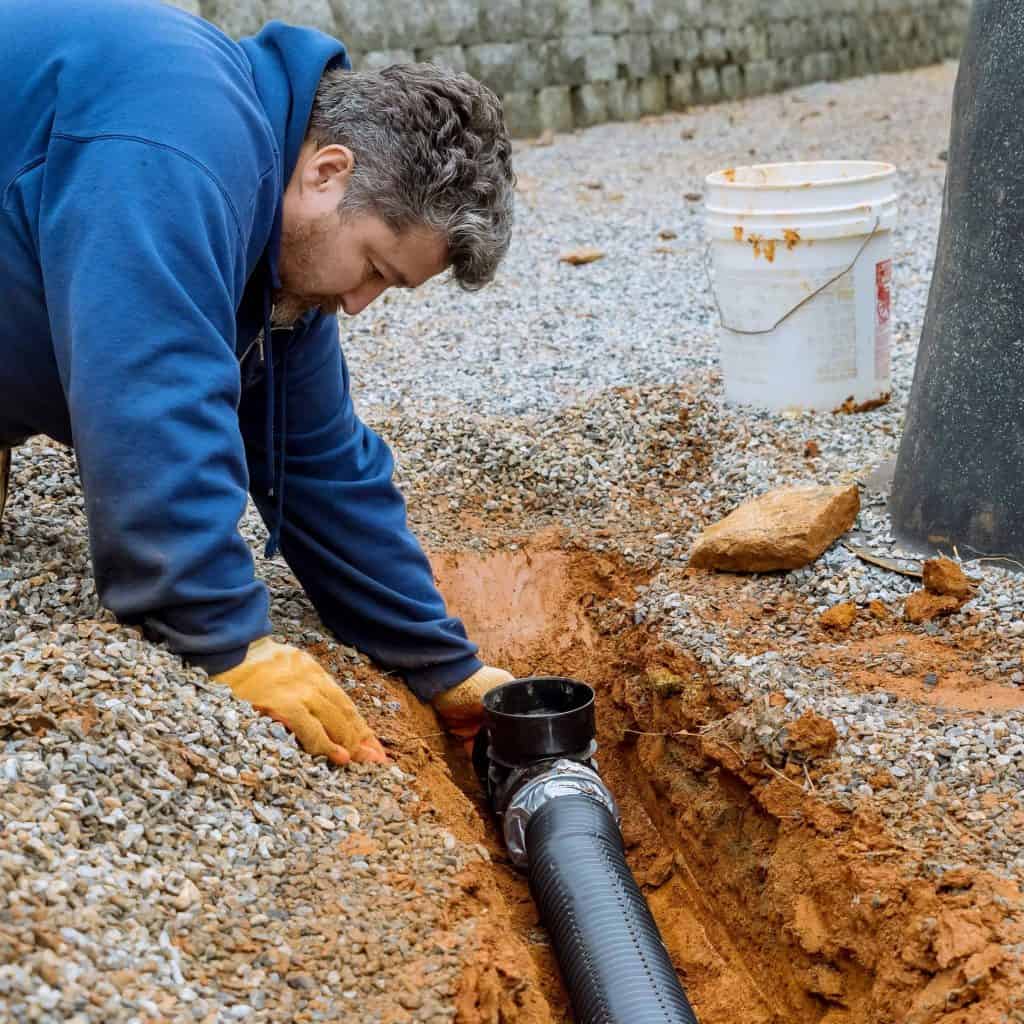
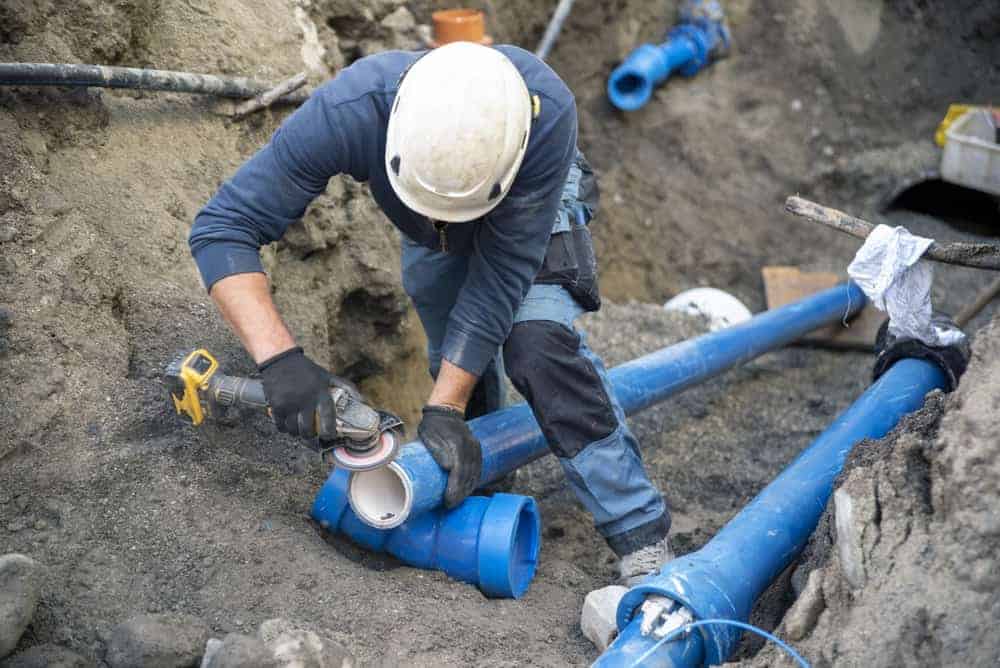
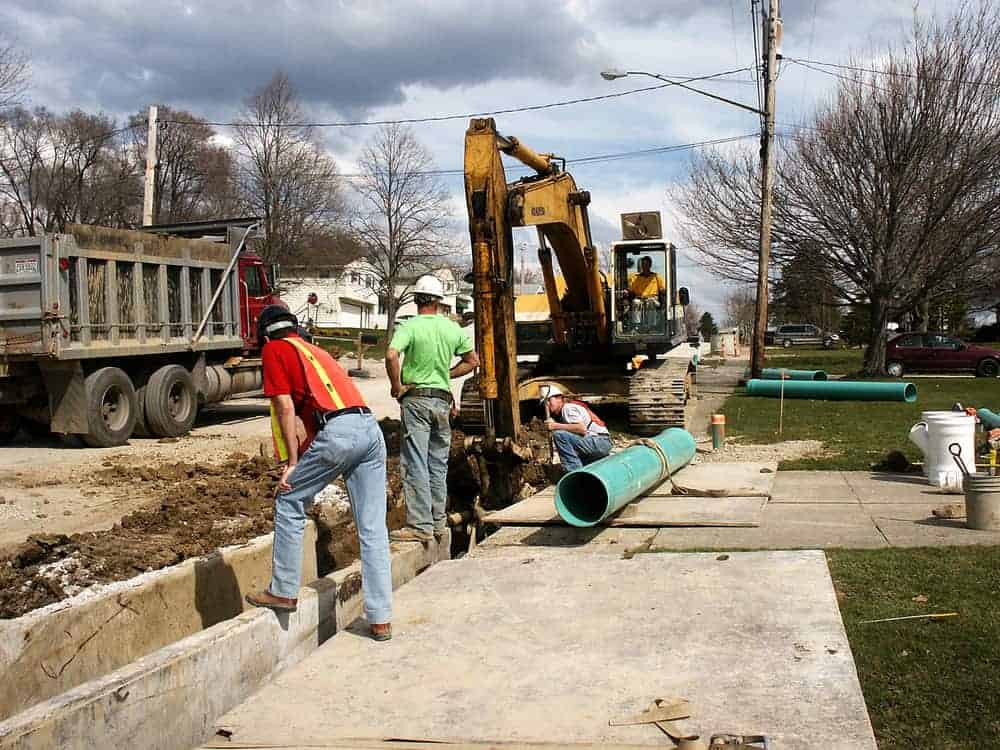
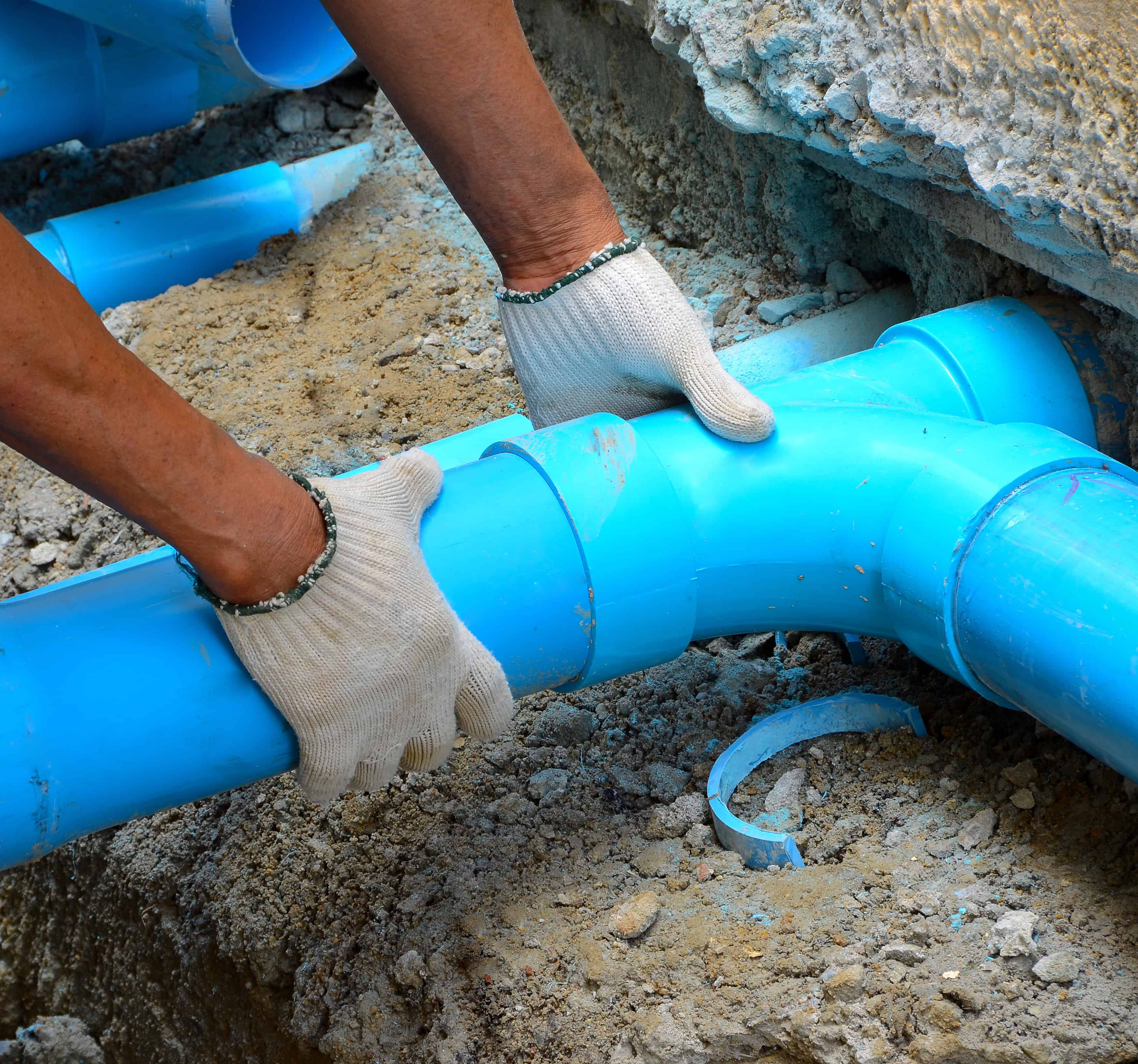
Sewer line replacement means taking out a failed sewer lateral, the pipe that runs from your house to the street, and putting in new pipe that is sloped, sealed and built to last. We replace it by trenchless pipe bursting where the ground allows, and by open trench where it does not.
AME is a family-owned, licensed plumbing company based in Manasquan (NJ Plumbers LIC #1289700), rated 4.9 stars from 770+ Google reviews. Call 732-785-4226.
Signs you need a new sewer line
Backups that keep coming back even after the line is cleaned.
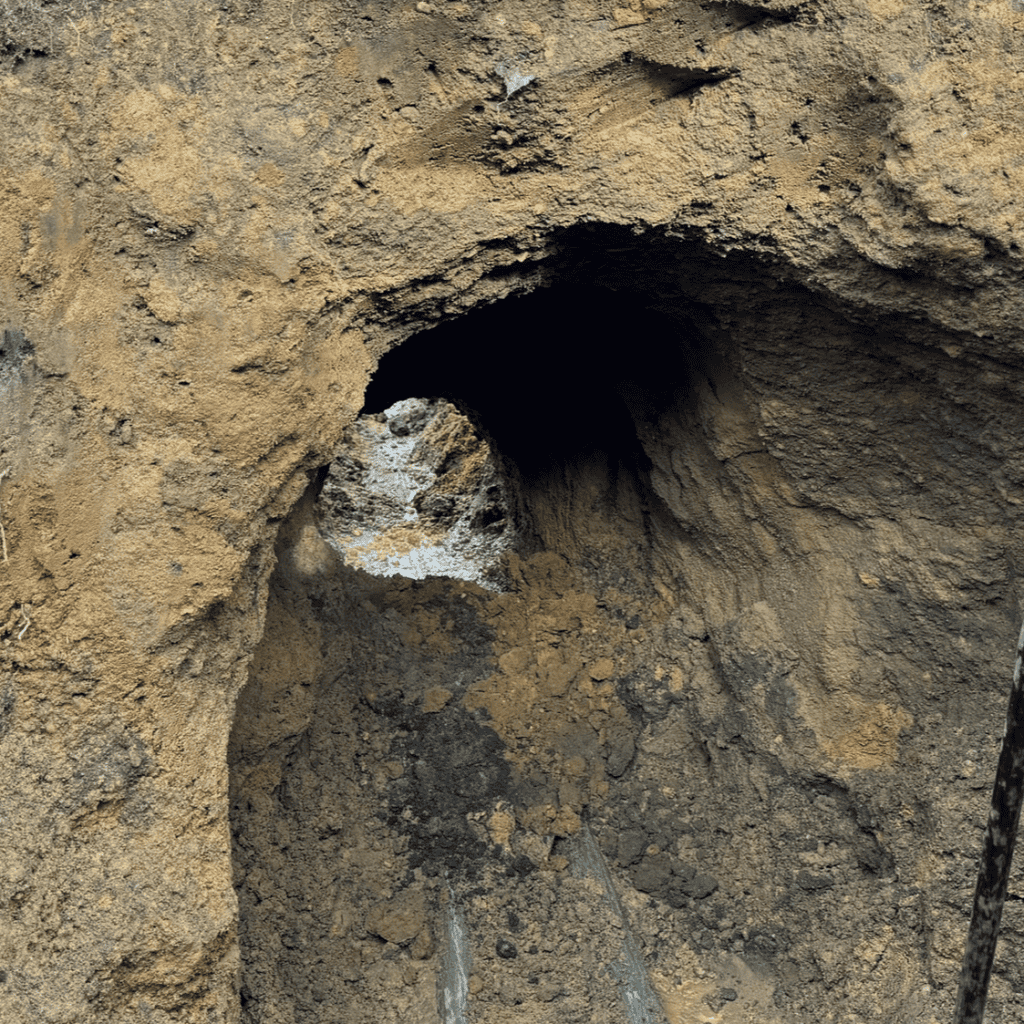
A camera shows a collapse, a belly or a crushed section.
Roots growing through many joints, not just one spot.
Old cast iron, clay or Orangeburg pipe that is cracking or falling apart.
Sewage smell, soggy spots or sinkholes in the yard over the line.
Trenchless or open trench
Trenchless pipe bursting: new pipe is pulled through the old one from two small pits, so your driveway, lawn and landscaping mostly stay in place. See trenchless sewer replacement.
Open trench: the right choice when the line is badly out of grade, needs rerouting, or runs too shallow for trenchless work.
Every job starts with a sewer camera inspection, so the method is chosen from what is actually in the ground, not guessed.
A sudden increase in water bills
Decreased water pressure throughout your home
Unexplained puddles or soggy areas in your yard
Popping or banging noises in your pipes
Visible signs of corrosion or rust on your water lines
Our sewer line replacement process
Repair or replace?
Camera inspection: we find and mark where and how badly the line has failed.
Plan and price: you get the method we recommend and the full price before work starts.
Permits: we pull the permits the job needs.
Replace: trenchless or open trench, with new pipe and new connections.
Test and inspect: we camera the new line and the work is inspected as required.
Restore: we backfill and clean up.
If only one section is damaged, a repair can be the better value. Our sewer line repair team will tell you when a repair is enough.
How do I know my sewer line needs replacing? A camera inspection shows it. Repeated backups, roots at many joints, a collapse or a long sagging section usually mean replacement.
Do you have to dig up my yard? Not always. Trenchless pipe bursting needs only small access pits. Open trench is used when the line has to be regraded or rerouted.
How long does it take? Many trenchless replacements are done in a day or two. Open trench jobs take longer, depending on depth and length.
Do I need a permit? Yes. Sewer line replacement needs a permit and an inspection, and we handle both.
Who is responsible for the sewer line? In most towns the homeowner owns the lateral from the house to the town connection. We can tell you where yours ends.
What does it cost? It depends on length, depth, the method and what is above the line. You get the exact price after the camera inspection and before any work starts.
Sewer Line Replacement service areas in Monmouth and Ocean County, NJ