Emergency plumbing costs more than regular service, but knowing what's fair protects you from price gouging when you're most vulnerable.
Share:

Summary:
It’s 11 PM on a Saturday. You hear water running behind your bathroom wall. Your heart sinks because you know what’s coming—an emergency plumber, an after-hours rate, and a bill you weren’t planning for.
Here’s what you need to know right now: emergency plumbing costs more than regular service. That’s not a scam—it’s the reality of getting someone to your house at midnight. But there’s a huge difference between fair emergency pricing and getting taken advantage of when you’re vulnerable. This guide walks you through what emergency plumbing actually costs, what factors affect that price, and how to tell the difference between legitimate fees and pricing scams. You’ll see real numbers, understand why they vary, and know exactly what questions to ask before anyone starts work.
Let’s start with the numbers you’re probably searching for right now. Emergency plumbing service costs an average of $200 per hour, though rates range from $100 to $500 per hour depending on when you call. That’s significantly higher than regular business hours, and there’s a reason for it.
Most emergency plumbers charge $100 to $350 per hour on average, with a service call fee or surcharge of $150 to $250 for non-business hours. In New Jersey specifically, you’re looking at costs that reflect both the urgency and the inconvenience of pulling a licensed plumber away from their evening or weekend.
The service call fee covers the plumber coming to your location, diagnosing the problem, and usually the first portion of work. Everything beyond that initial assessment gets billed separately. Some plumbers apply that fee toward your total if you proceed with repairs. Others charge it regardless. Ask upfront which approach they use.
The service call fee confuses a lot of people, especially during emergencies. You’re already stressed about water flooding your basement, and now someone’s talking about fees before they’ve even looked at the problem. Here’s what that fee actually covers.
A plumber service call fee is the initial charge for a licensed plumber to visit your home, assess the problem, and provide an estimate, typically ranging from $50 to $150 depending on the company and location. During regular business hours, that’s the standard rate. After hours, weekends, or holidays? Expect it to climb.
Think of it this way: that fee gets a professional to your door with the tools and expertise to figure out what’s wrong. It covers their drive time, the diagnostic work, and the estimate they provide. Some companies waive it if you move forward with the repair. Others keep it separate. Neither approach is inherently wrong, but you should know which one applies before the plumber arrives.
The fee also serves another purpose—it filters out people who just want free advice or aren’t serious about fixing the problem. Plumbers can’t afford to drive across the county, diagnose complex issues, and provide detailed estimates for free. Their time, expertise, and overhead costs money. The service call fee ensures they’re compensated for that work even if you decide not to proceed.
In Monmouth County, NJ, you’ll find service call fees on the lower to middle end of that range during business hours. After hours, expect them to increase by 50% to 100%. A $75 daytime fee might become $150 at midnight. That’s not price gouging—it’s compensation for disrupting someone’s personal time and maintaining 24/7 availability.
You already know emergency plumbing costs more. But understanding why helps you separate fair pricing from scams. There are legitimate reasons emergency rates run higher, and they’re not just about taking advantage of desperate homeowners.
Most plumbers charge time-and-a-half or double their standard hourly rate for late-night calls. If a plumber normally charges $100 per hour during business hours, you might pay $150 to $200 per hour at 2 AM. Some go even higher on major holidays. The timing of the emergency influences what plumbers charge—an after-hours weekday emergency might result in time and a half, while a plumber might charge three times their normal rate on Thanksgiving or another holiday.
Think about what it takes to offer true 24/7 emergency service. Someone has to be on call every single night, every weekend, every holiday. They can’t make plans. They can’t have a few drinks at a family gathering. They have to stay ready to drop everything and drive to your house, often in the middle of the night or during a snowstorm. That level of availability costs money to maintain.
There’s also the reality of the work itself. Emergency repairs often happen in the worst conditions. Your basement is flooding. You’ve already tried to stop the water and failed. The plumber is working in standing water, under time pressure, with you watching anxiously. They need to diagnose fast, work fast, and get it right the first time because there’s no “come back tomorrow” option when water is actively damaging your home.
The parts and materials don’t cost more at midnight, but everything else does. The plumber’s time is worth more because they’re sacrificing their personal life. The risk is higher because emergency situations are inherently more complex and stressful. The urgency demands faster response times, which means maintaining staff, vehicles, and inventory specifically for these calls.
None of this means you should accept any price thrown at you. But it does mean that emergency rates running 1.5 to 3 times higher than regular rates aren’t automatically a scam. They’re the cost of getting professional help when you need it most, not when it’s most convenient for the plumber.
After hours plumbing hits different than calling a plumber on Tuesday afternoon. The clock matters. The day of the week matters. Whether it’s a regular weekend or Christmas Eve matters. All of it affects what you’ll pay.
When you need a plumber after hours, on weekends, or during holidays, rates can skyrocket, with emergency hourly rates generally ranging between $150 and $400. That’s not a typo. The high end of that range typically applies to major holidays or extremely late-night calls in areas with higher costs of living.
In Monmouth County, NJ, you’re more likely to see rates on the moderate end of that spectrum. A local, family-owned company doesn’t have the same overhead as a national chain, which often means more reasonable pricing even during emergencies. But you’re still looking at significantly more than you’d pay during regular business hours.
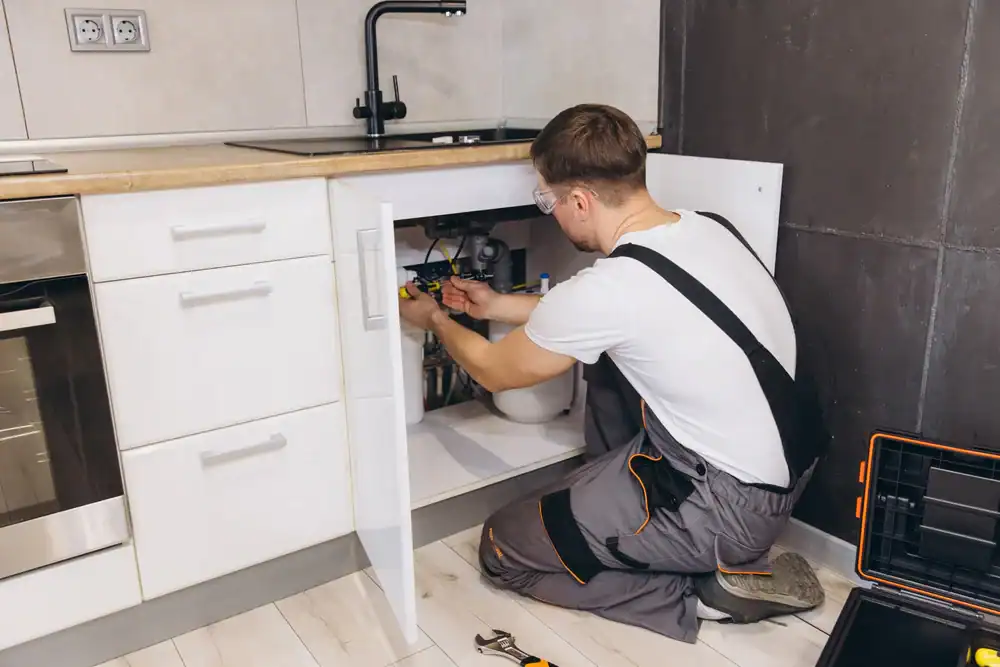
Let’s talk about specific emergencies and what they cost to fix. These are the calls that come in at the worst possible times—burst pipes, sewer backups, water heater failures. Each one has its own price range, and understanding those ranges helps you budget and spot unreasonable quotes.
Repairing a burst pipe costs an average of $500, with costs ranging from $150 to replace small areas of pipe to over $5,000 if you need to install new pipes underground or address related water damage. Most homeowners fall somewhere in the middle of that range. If the burst pipe is accessible—under a sink, in a basement ceiling, along an exterior wall—you’re looking at the lower end. If it’s behind finished drywall, under a concrete slab, or part of your main water line, costs climb fast.
The location drives a huge portion of the cost. A burst pipe in an open basement might take an hour to fix. The same break behind a tiled shower wall requires cutting through tile, accessing the pipe, making the repair, and then either patching the wall or leaving you to hire someone else to finish it. That accessibility factor can triple or quadruple the final bill.
Sewer backups create a different kind of emergency. Sewer backup repair costs $500 to $2,000 on average for minor repairs and cleanup, with major repair and restoration costs ranging from $2,000 to $15,000 or more. The wide range reflects the difference between a simple clog that can be snaked versus a collapsed sewer line that needs replacement.
Water heater failures fall somewhere in between. Emergency replacements usually run anywhere from $1,500 to $3,000 or more. If your water heater is actively leaking at 6 AM on a Sunday, you’re paying emergency rates for both the service call and the installation. A tank that simply stopped producing hot water might cost less if the repair is straightforward, but if it needs full replacement during off-hours, expect the higher end of that range.
These numbers aren’t meant to scare you. They’re meant to prepare you. When a plumber quotes $600 to fix a burst pipe in your basement, you’ll know that’s reasonable. When another plumber quotes $3,000 for the same accessible repair, you’ll know something’s wrong. Having these baselines matters when you’re making decisions under pressure.
This is the part that keeps homeowners up at night—not just the emergency itself, but the fear of getting scammed when they’re most vulnerable. It happens. Some plumbers charge three to five times normal rates claiming “emergency fees” without disclosing these charges upfront, though honest plumbers tell you the fees before dispatching a technician.
The scams follow predictable patterns. Bait-and-switch pricing happens when you’re quoted a $150 emergency call fee, but when the job is done, the bill is $1,500 because they performed all sorts of unapproved extra work while you were too stressed to object. You thought you were getting a simple repair. They decided you needed a complete system overhaul and did the work without asking.
Here’s how to protect yourself. First, get pricing upfront. Before anyone touches a wrench, you should know what the service call fee is, what the hourly rate is, and what the estimated total will be for the specific repair needed. Legitimate plumbers provide this information clearly. Scammers avoid it.
Second, watch for pressure tactics. If a plumber shows up and immediately starts talking about catastrophic failures, complete system replacements, and “this needs to be done right now or your whole house will flood,” take a breath. Yes, emergencies require quick action. But they don’t require you to approve thousands in additional work on the spot without understanding what’s actually wrong.
Third, verify credentials. A licensed, insured plumber should be able to show you their license number. In New Jersey, you can verify that license online. If someone shows up in an unmarked van, can’t produce credentials, and wants cash payment, that’s not an emergency plumber—that’s someone taking advantage of your crisis.
Fourth, understand what “emergency” pricing actually covers. You’re paying more for immediate availability and after-hours service. You’re not paying more for the same parts or the same basic repair. If a plumber quotes $200 for a part that you can find online for $30, ask questions. Reasonable markup is normal. A 500% markup is not.
Fifth, get it in writing. Even during an emergency, a professional plumber can provide a written estimate. It might be scribbled on an invoice pad rather than a formal proposal, but it should exist. Verbal estimates mean nothing if the price suddenly doubles when the work is done.
Finally, trust your gut. If something feels wrong—if the plumber is pushy, if the pricing seems way off, if they’re suggesting work that doesn’t match the problem you called about—it’s okay to get a second opinion. Yes, that might mean another service call fee. But it’s better than paying thousands for unnecessary work.
Emergency plumbing costs more than regular service. You know that now. But fair emergency pricing exists, and it comes from plumbers who value transparency over taking advantage of stressed homeowners.
Look for companies that tell you their rates upfront. That list pricing on their website. That explain the service call fee before they dispatch someone. That provide written estimates even during emergencies. Those are the plumbers who understand that your crisis doesn’t give them license to charge whatever they want.
In Monmouth County, NJ and Ocean County, NJ, you have options. When you need emergency plumbing, we offer transparent pricing, 24/7 availability, and the kind of honest service that comes from being a local, family-owned business. No hidden fees. No surprise charges. Just clear communication about what the problem is, what it costs to fix, and what your options are—even when it’s 2 AM and water is flooding your basement.
Article details:
Share:
Continue learning: