
Shore properties in Monmouth County face unique freeze risks. Discover how to winterize plumbing pipes effectively for year-round and seasonal coastal homes.
Share:
Summary:
Your shore property deserves better than crossed fingers and hope when winter hits. Monmouth County’s coastal communities face a specific combination of challenges that make winterizing plumbing pipes more critical than inland properties. Salt air, wind chill off the ocean, and homes that sit vacant for months create the perfect conditions for freeze damage that can cost $30,000 or more to repair.
The difference between a property that survives winter intact and one that greets you with burst pipes and flooded rooms often comes down to a few deliberate steps taken before the first hard freeze. You’ll learn what actually works for shore properties, what the coastal environment does to your plumbing, and when professional help makes the most sense.
Shore properties aren’t like inland homes. The wind coming off the Atlantic doesn’t just make it feel colder—it actually accelerates how quickly exposed pipes freeze. Crawl spaces that would be fine twenty miles inland become vulnerable when coastal winds drop the effective temperature 20-30 degrees below what your thermometer reads.
Add to that the reality that many Monmouth County shore homes were built decades ago with minimal insulation, and you’re looking at pipes in exterior walls, unheated attics, and crawl spaces that can freeze solid within 6-8 hours once temperatures drop below 20°F. Water expands by 9% when it freezes, creating up to 2,000 pounds per square inch of pressure inside your pipes. Copper, PEX, even steel—none of them can withstand that force indefinitely.
The real issue isn’t just the freeze. It’s the thaw. Many homeowners don’t discover burst pipes until temperatures rise and water starts flowing again, finding every crack and weak point the ice created. By then, you’re dealing with flooding, water damage to walls and floors, potential mold growth, and repair bills that average $10,900 to $30,000 according to insurance data.
Vacation homes present a different challenge than year-round residences. When no one’s there to notice a problem, a frozen pipe can release 250 gallons of water per day before anyone discovers it. That’s why proper winterization for seasonal properties goes beyond just turning down the heat.
Start by shutting off your main water supply. The valve is typically located near where the water line enters your home, often in the basement or a utility closet. Once it’s closed, open every faucet in the house, starting with the lowest point and working your way up. This drains the system and uses gravity to pull water out of the lines. Don’t forget toilets—flush them to empty the tanks and bowls.
But here’s what most DIY guides miss: you can’t drain everything. Water sits in P-traps under sinks, in toilet bowls, and in low points of your plumbing system. That’s where RV antifreeze comes in—the non-toxic kind specifically designed for plumbing systems. Pour it into every drain, toilet bowl, and trap. This prevents any residual water from freezing and cracking your fixtures.
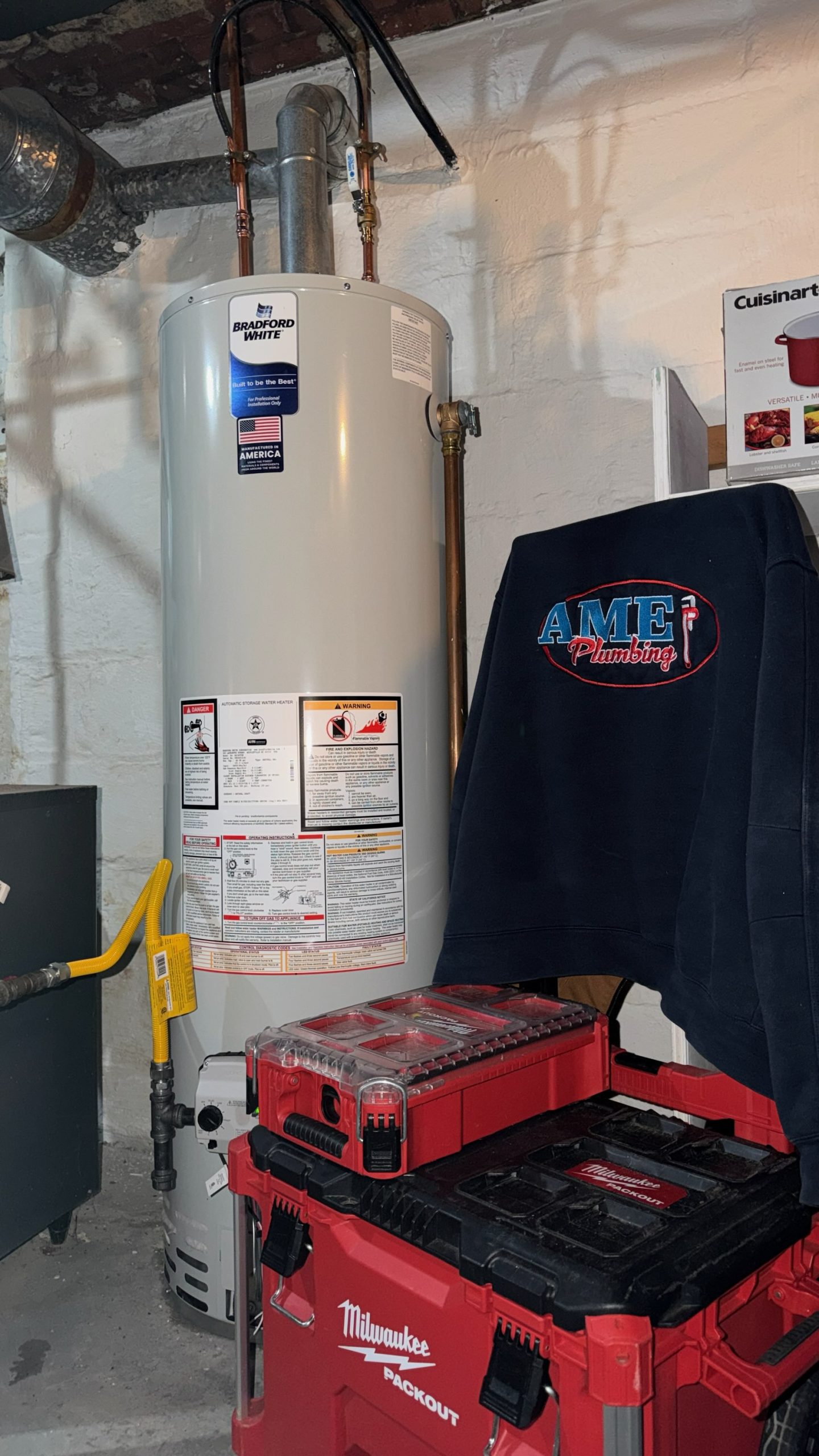
Your water heater needs attention too. For vacation homes that will sit empty all winter, drain it completely using the valve at the bottom. Attach a hose and run it to a floor drain or outside. This protects the tank from freeze damage and clears out sediment that builds up over time. If you’re keeping minimal heat on, you can leave it partially filled, but set it to the lowest temperature or vacation mode if your model has that option.
Outdoor faucets and hose bibs are often the first casualties of winter. Disconnect all hoses—even if they’re “frost-free” models. Water trapped in an attached hose can freeze back into the faucet and connected pipes. Install insulated covers on outdoor spigots. These inexpensive foam covers provide crucial protection and take seconds to put on.
Don’t overlook your crawl space if you have one. Close and secure all vents and access points. Coastal winds can drive freezing air directly onto pipes that run through these areas. If your crawl space has pipes along exterior walls, consider adding pipe insulation or heat tape to those specific sections before closing up for winter.
Living in your shore home year-round doesn’t mean your pipes are safe. The same coastal conditions that make vacation homes vulnerable affect occupied properties, especially during cold snaps when you might be tempted to lower the heat to save money or when you’re away for a few days.
Keep your thermostat set to at least 55°F even when you’re not home. This is the minimum temperature needed to keep pipes in walls and unheated spaces from freezing. Going lower to save on heating bills can cost you tens of thousands in damage when pipes burst. One homeowner in Sea Bright learned this the hard way after lowering the heat to 48°F during a long weekend away—returning to find a burst pipe in the garage had flooded their first floor.
Insulate pipes in vulnerable areas before winter arrives. Foam pipe sleeves cost a few dollars and can raise the temperature inside pipes by 3-4 degrees—often enough to prevent freezing during brief cold snaps. Focus on pipes in unheated areas like garages, attics, basements, and crawl spaces. Pipes running along exterior walls need insulation even if they’re technically inside the house.
During extreme cold, let faucets drip slightly overnight. A slow, steady drip keeps water moving through the pipes, making it much harder for ice to form. This works especially well for faucets connected to pipes in exterior walls or unheated spaces. The small increase in your water bill is nothing compared to the cost of repairing burst pipes.
Open cabinet doors under sinks, especially those on exterior walls. This allows warm air from your home to circulate around the pipes. When cabinet doors stay closed, cold air from the wall cavity gets trapped around the pipes, creating conditions for freezing.
Check for drafts around pipes where they enter your home through the foundation, exterior walls, or siding. Seal any gaps with caulk or spray foam insulation. These openings let cold air directly contact your pipes, dramatically increasing freeze risk. This is particularly important in shore communities where wind can drive cold air through even small cracks.
You can handle basic winterization steps yourself—insulating exposed pipes, draining outdoor faucets, and sealing drafts are all manageable DIY projects. But shore properties often have complications that make professional winterization worth considering.
Compressed air systems that we use can blow out water from pipes that gravity alone won’t drain. Hard-to-reach lines in second stories, complex plumbing layouts, and pipes in crawl spaces benefit from this thorough approach. We can also identify vulnerable areas you might miss and confirm that your system is fully protected before winter hits.
The cost of a professional winterization service typically runs $135-$300 depending on your home’s size and complexity. Compare that to the average frozen pipe claim of $10,900 to $30,000, and the math makes sense. Professional service also includes a spring reactivation, so you don’t have to worry about properly turning everything back on when warm weather returns.

Salt air does more than just make your car rust faster. It accelerates corrosion on all metal plumbing components—brass fittings, bronze valves, stainless steel connections. Over time, this corrosion weakens pipes and makes them more susceptible to failure during freeze-thaw cycles. Check valves that need to seal tight can stick or fail completely when corrosion builds up, turning a minor freeze into a major leak.
Coastal properties also deal with sandy soil that doesn’t provide the same protection for buried pipes that denser soil does. The ground can shift more easily, putting stress on pipe connections. If your home has any foundation movement or settling—common in shore communities—rigid pipe connections can develop stress fractures that become full breaks when water freezes inside them.
Humidity levels near the ocean stay higher year-round, which affects how quickly pipes lose heat. While this can actually help prevent freezing in some cases, it also means that when pipes do freeze, the surrounding moisture can make damage worse. Water that escapes from burst pipes doesn’t dry out as quickly in humid coastal environments, increasing the risk of mold and structural damage.
External plumbing components face additional challenges. Mounting bolts seize up from salt exposure. Test cocks on backflow devices freeze in place. UV radiation from intense sun exposure on south and west-facing walls breaks down plastic components faster than inland properties experience. The combination creates a compounding effect where multiple small issues add up to system failure.
The combination of these factors means that shore properties need more attention to winterization details than inland homes. Pipes that would be fine in central New Jersey can fail in Monmouth County coastal communities under the same temperature conditions because of wind, salt air, and soil differences.
Understanding these coastal-specific challenges helps you make better decisions about which winterization steps matter most for your property. It’s not just about following a generic checklist—it’s about recognizing what makes your shore home different and addressing those specific vulnerabilities.
Even with proper winterization, things can go wrong. Power outages can shut down your heating system. An unexpected cold snap can hit before you’ve completed winterization. Or you might discover frozen pipes during a winter visit to your vacation property.
If you turn on a faucet and only a trickle comes out—or nothing at all—you likely have a frozen pipe. If you can see frost on an exposed pipe, or if there’s a bulge or crack visible in the pipe itself, you need professional help immediately. Strange sounds like whistling or banging from your pipes, or a bad smell coming from drains, can also signal freeze damage.
Don’t try to thaw pipes with a torch or open flame. This can damage the pipe, start a fire, or cause the pipe to burst from rapid temperature change. If you can access the frozen section and it’s exposed, you can try using a hair dryer on low heat, moving it back and forth along the pipe. But if the pipe is inside a wall or you can’t locate the frozen section, shut off your main water valve and call us.
How do you know if it’s truly an emergency? If you see water pooling, dampness on walls or ceilings, or if you’ve confirmed a frozen pipe in a critical location, don’t wait. Burst pipes release hundreds of gallons per hour, and every minute counts. The difference between a $500 repair and a $15,000 disaster often comes down to how quickly you act.
The worst time to discover you need emergency plumbing help is when you’re standing in water from a burst pipe. Know where your main water shutoff valve is located before an emergency happens. Show other family members where it is. Being able to stop the water flow quickly can mean the difference between minor damage and a catastrophic flood.
If a pipe does burst, shut off the main water supply immediately, then call for emergency plumbing service. Don’t wait to see if the situation improves. Document the damage with photos for insurance purposes, but prioritize stopping the water flow and getting professional help on site.
Winterizing plumbing pipes in Monmouth County shore communities isn’t optional—it’s essential protection for your property and your peace of mind. The combination of coastal winds, salt air, and homes that may sit vacant for months creates conditions where proper winterization can save you tens of thousands of dollars in damage and repairs.
Whether you handle basic steps yourself or opt for professional winterization service, the key is taking action before the first hard freeze hits. Late October to early November is the window when most shore property owners should complete winterization in New Jersey.
For comprehensive winterization services, emergency plumbing help, or questions about protecting your specific property, we serve Monmouth and Ocean County with 24/7 availability, upfront pricing, and the local expertise that shore properties demand.
Article details:
Share:
Continue learning: