Compare DIY drain cleaning methods against professional services. Learn when home remedies work, when they fail, and what professional drain cleaning actually costs in 2026.
Share:
Summary:
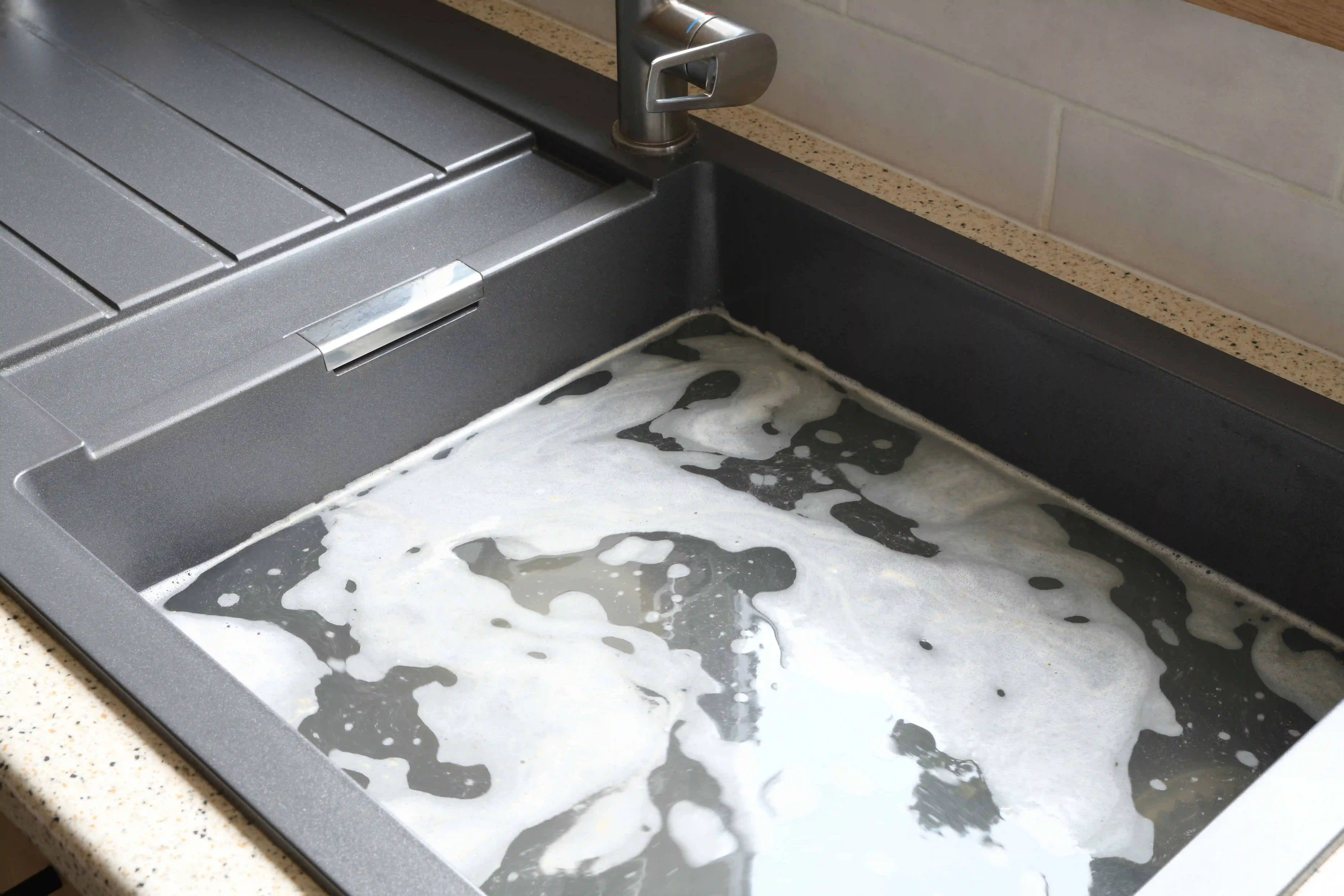
You’re standing over a slow-draining sink, watching water pool where it should be flowing. The internet says you can fix this yourself with baking soda and vinegar. The store sells chemical drain cleaners that promise results in 15 minutes. Your neighbor swears by calling a plumber every time. So what actually makes sense for your situation and your wallet?
The truth is, some clogs respond perfectly well to simple DIY methods. Others need professional equipment and expertise. And some DIY attempts can damage your pipes and cost you more in the long run than just calling someone who knows what they’re doing. Here’s how to tell the difference.
DIY drain cleaning typically involves tools and products you can buy at any hardware store. Plungers, drain snakes, baking soda and vinegar mixtures, or chemical drain cleaners. These methods work by either physically dislodging clogs or chemically breaking them down.
Professional drain cleaning uses specialized equipment most homeowners don’t own. High-pressure hydro jetting systems that blast away buildup with 1,500 to 4,000 PSI of water pressure. Professional-grade snakes that reach deeper into your plumbing system. Video camera inspections that show exactly what’s causing the problem and where it’s located.
The fundamental difference isn’t just the equipment. It’s the approach. DIY methods focus on clearing the immediate blockage so water flows again. Professional methods identify why the clog formed in the first place and remove the underlying buildup that causes recurring problems. That distinction matters when you’re dealing with older plumbing systems common throughout Monmouth County, NJ, where accumulated buildup over decades creates challenges that surface-level fixes can’t address.
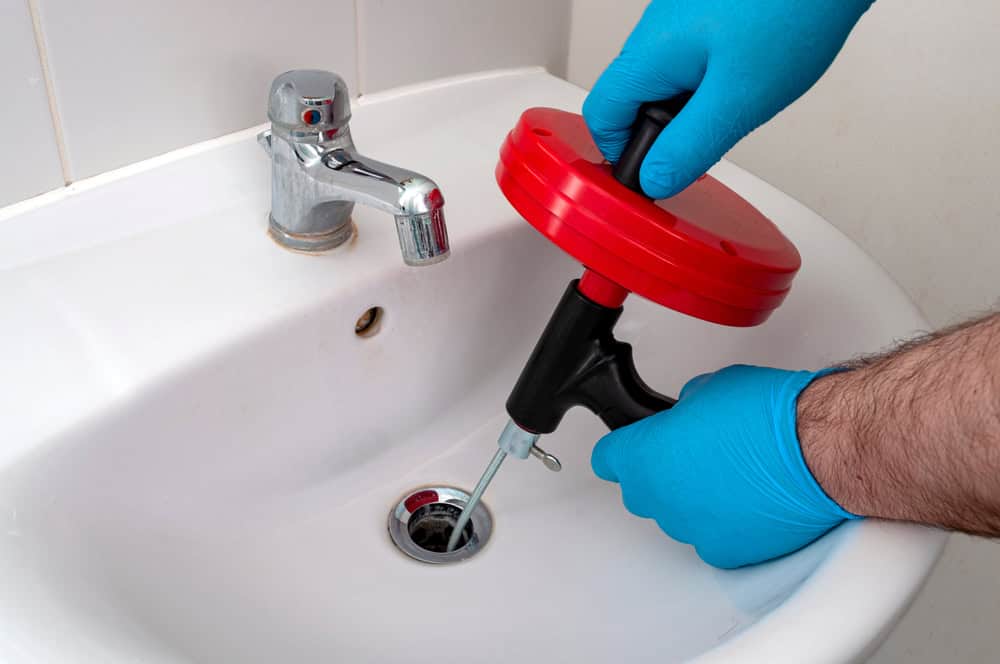
For minor clogs close to the drain opening, DIY methods can be effective. A standard plunger creates suction that dislodges simple blockages in sinks, tubs, and toilets without any chemicals or tools. It’s the safest first attempt for most drain issues. Make sure you’re using the right type—cup plungers for sinks and showers, flange plungers for toilets.
Baking soda and vinegar create a fizzing reaction that can break down light organic buildup. Pour half a cup of baking soda down the drain, follow with half a cup of vinegar, wait 15 to 30 minutes, then flush with hot water. This method won’t harm your pipes and works for minor soap scum or food particle clogs. It’s particularly useful for maintaining drains between professional cleanings.
Manual drain snakes, available at hardware stores for $10 to $80, can reach clogs a few feet down the line. The flexible cable feeds into the drain and either breaks up the blockage or hooks onto it so you can pull it out. When used carefully on bathroom sink or tub drains clogged with hair, these tools handle straightforward blockages without requiring professional equipment.
Hot water alone sometimes clears grease buildup in kitchen drains. Running very hot water for several minutes can melt congealed fats and flush them through the system. Just avoid boiling water on PVC pipes, which can soften or warp the plastic with repeated exposure. Temperatures above 140 degrees can damage PVC, and boiling water reaches 212 degrees.
These DIY approaches share one limitation. They treat surface symptoms. If your clog is deeper in the line, caused by years of accumulated buildup, or involves your main sewer line, DIY methods won’t reach the actual problem. You’ll get temporary relief, then face the same slow drain or backup within days or weeks. That’s when the cost of repeated DIY attempts starts exceeding what professional drain cleaning would have cost in the first place.
Chemical drain cleaners line the shelves at every store, promising fast results. They contain harsh acids like sulfuric acid or caustic alkalis like sodium hydroxide and lye. These chemicals generate extreme heat as they react with organic material, attempting to dissolve clogs through corrosive power.
The problem is, these chemicals don’t distinguish between your clog and your pipes. The heat and corrosive action that breaks down hair and grease also attacks the interior of your plumbing. PVC pipes can soften, warp, or develop weakened joints. Metal pipes corrode faster, developing pits and thin spots that eventually leak. Older galvanized steel pipes, common in many Monmouth County homes built before the 1970s, are especially vulnerable.
Repeated use accelerates the damage. Each time you pour chemical cleaner down a drain, you’re shortening the lifespan of your plumbing system. What seems like a $10 quick fix can lead to hundreds or thousands in pipe replacement costs. The corrosion happens gradually, invisibly, until you’re dealing with a leak behind a wall or under a floor.
The health risks are serious too. Chemical drain cleaners release toxic fumes that irritate your nose, throat, and lungs. Splashback can cause chemical burns on your skin or in your eyes, requiring immediate medical attention. If you’ve already poured chemicals down a drain and the clog persists, you can’t safely use a plunger or snake because the caustic liquid is still sitting in the pipe. One wrong move and you’re exposed to dangerous chemicals.
Even when chemical cleaners seem to work, they often just burn a small hole through the clog rather than removing it entirely. The remaining buildup catches more debris, and you’re dealing with another clog within weeks. Meanwhile, the chemicals have done lasting damage to your pipes that you won’t see until a leak appears.
Environmental impact adds another concern. When these chemicals wash through your plumbing and into the water system, they contribute to water pollution and harm aquatic ecosystems. For homes on septic systems, chemical drain cleaners can kill the beneficial bacteria that break down waste, leading to system failure and expensive repairs.
We consistently warn against these products. The temporary convenience isn’t worth the long-term consequences to your plumbing system, your health, or the environment.
Professional drain cleaning in 2026 typically costs $100 to $275 for basic snaking of a single drain like a bathroom sink or tub. Hydro jetting, which provides more thorough cleaning, runs $300 to $800 or more depending on the severity of the blockage and the length of line being cleaned. Main sewer line cleaning can reach the higher end of that range, especially if the clog is deep in the system or caused by tree root intrusion.
DIY supplies seem cheaper upfront. A plunger costs $10 to $30. A manual drain snake runs $10 to $80. Chemical drain cleaners are $5 to $30 per bottle. If you successfully clear a minor clog yourself, you’ve saved money compared to a service call.
The calculation changes when DIY doesn’t work. Multiple bottles of drain cleaner at $10 each add up. Renting a power auger costs $50 to $100 for a day. And if your DIY attempts damage pipes or push the clog deeper, you’re paying for both the professional service and the repairs to fix what went wrong. Emergency service calls, which often result from failed DIY attempts, can cost 25% to 100% more than scheduled appointments.
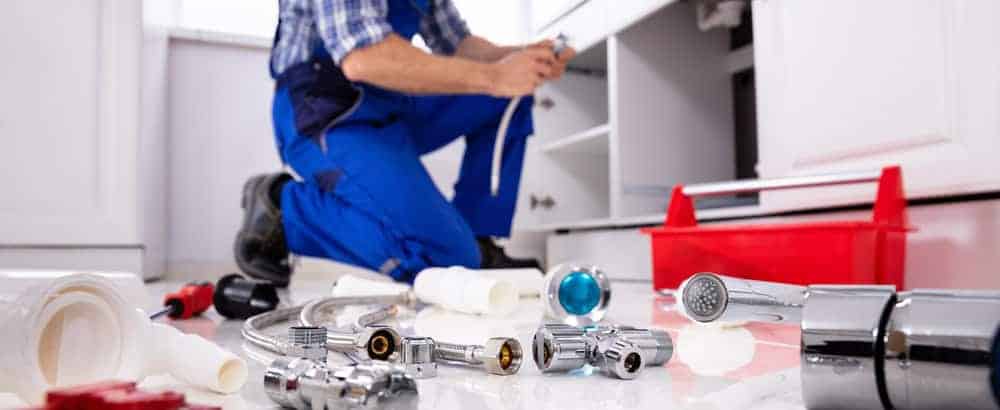
Professional drain cleaning isn’t just about clearing the immediate clog. When you call AME Plumbing Heating and Cooling, you’re getting a diagnostic approach that identifies the root cause of your drainage problem. That’s the difference between a quick fix and a lasting solution.
Camera inspection technology allows our technicians to see inside your pipes. We can spot not just the current clog, but also the buildup that’s developing, cracks or damage in the pipe, tree roots growing into the line, or bellying sections where debris accumulates. This visual evidence shows you exactly what’s happening and why. You’re not guessing about what’s wrong or whether the treatment will work.
Hydro jetting cleans the entire interior surface of your pipes, not just punching a hole through the clog. High-pressure water streams scour away grease, mineral deposits, soap scum, and years of accumulated gunk. Your pipes return to near-original condition, which means clogs take much longer to redevelop. For homes in Monmouth County with older plumbing systems, this thorough cleaning can extend the life of your pipes and prevent future emergencies.
Professional snaking uses the right equipment for the specific situation. Different cable sizes and cutting heads for different types of clogs and pipe materials. Our technicians know how much pressure to apply without damaging older or fragile pipes. We can feel when we’ve hit the clog versus when we’ve hit a pipe joint or turn. That expertise prevents the scratches, punctures, and damage that can happen when homeowners use improper technique with DIY snakes.
You’re also paying for expertise that prevents future problems. We can tell you if your recurring kitchen drain clogs are happening because you need a grease trap, or if your bathroom drain issues stem from a venting problem. We spot warning signs of larger plumbing issues before they become emergencies. That knowledge saves you money in the long run.
The cost includes proper cleanup, safe disposal of any chemicals or debris, and the peace of mind that comes with licensed, insured work. If something goes wrong during the service, you’re protected. If the clog returns within the warranty period, we come back to fix it. With upfront pricing from AME Plumbing Heating and Cooling, you know exactly what you’re paying before work begins—no surprises, no hidden fees.
The price tag on a bottle of drain cleaner doesn’t reflect its true cost. Pipe damage from chemical cleaners develops slowly. You might not see the corrosion or weakened joints for months or years. When a pipe finally leaks or fails, the repair bill can run hundreds to thousands of dollars depending on the location and extent of damage. If that leak is behind a finished wall or under a floor, you’re also paying for demolition and reconstruction.
Time is another hidden cost. How many hours have you spent trying different DIY methods, making trips to the store for different products, watching YouTube videos, and dealing with the same clog that keeps coming back? For many people, that time is worth more than the cost of a professional service call. Plus, you’re living with a slow drain or unusable fixture during all those failed attempts.
Recurring clogs drain your wallet gradually. If you’re buying drain cleaner every few weeks because the same sink keeps backing up, you’re spending more over time than a single professional cleaning that actually solves the problem. You’re also exposing your pipes to repeated chemical damage that shortens their lifespan and increases the likelihood of expensive repairs.
Emergency repairs cost significantly more than scheduled service. If your DIY drain cleaning attempt on a Saturday afternoon makes the problem worse and you’re facing sewage backup or a burst pipe, you’re paying emergency rates. Those typically run 25% to 100% higher than regular service calls. What could have been a $150 scheduled drain cleaning becomes a $400 emergency call, plus the cost of any water damage.
There’s also the cost of mistakes. Pushing a clog deeper into your main sewer line turns a simple drain issue into a major plumbing project. Damaging a pipe with improper snaking technique means you’re paying to fix both the clog and the pipe. Using the wrong chemical cleaner on a septic system can disrupt the bacterial balance and require expensive system repairs that run into thousands of dollars.
Health costs matter too, even if they’re harder to quantify. Chemical burns from drain cleaner splashback can require medical treatment. Respiratory issues from inhaling toxic fumes can develop into chronic problems. These aren’t theoretical risks—emergency rooms treat thousands of drain cleaner injuries every year.
Professional drain cleaning might cost more upfront, but it eliminates these hidden costs. You get a complete solution, not a temporary patch that leads to repeated expenses and eventual emergency repairs.
Some situations clearly call for professional help from the start. Multiple drains backing up at the same time signals a main sewer line problem that DIY methods can’t reach. Water backing up into other fixtures when you run the washing machine or flush a toilet means you’re dealing with a serious blockage that needs professional equipment.
Recurring clogs in the same drain indicate underlying buildup that surface treatments won’t fix. Foul odors persisting after cleaning, gurgling sounds from your drains, or standing water that won’t clear after DIY attempts all point to problems beyond what household tools can handle. These are signs that the issue is deeper in your plumbing system or involves structural problems like tree root intrusion or pipe damage.
For minor clogs in a single drain, trying a plunger or baking soda and vinegar makes sense as a first step. But if those simple methods don’t work within one or two attempts, calling a professional saves you time, money, and potential damage to your plumbing system.
AME Plumbing Heating and Cooling serves Monmouth County, NJ with upfront pricing, 24/7 emergency availability, and the diagnostic tools to identify and fix the real problem the first time. Our licensed technicians use camera inspections, professional-grade snaking, and hydro jetting to deliver lasting solutions, not temporary fixes. With 0% financing available and no hidden fees, you get transparent pricing and the peace of mind that comes with professional work backed by experience and proper licensing.
Article details:
Share:
Continue learning: