
Summer brings increased water usage and unique plumbing challenges. Discover how proper maintenance protects your Monmouth County, NJ home from costly failures during peak demand.
Share:
Summary:
Your water bill just jumped 40%. The sprinklers are running, the kids are home, and someone’s taking their third shower of the day. Summer in Monmouth County, NJ means your plumbing system is under more pressure than it’s built to handle for long stretches.
Most homeowners don’t think about their pipes until something goes wrong. But summer is when things go wrong most often. Higher demand, outdoor systems firing back up, and aging components that survived winter all converge at once. You’ll walk away from this knowing exactly what to check, when to check it, and how to keep your system running when you need it most.
Start with what’s visible. Walk through your home and check every faucet, showerhead, and toilet for drips or slow leaks. A toilet that runs after flushing can waste 200 gallons per day without making much noise.
Look under sinks for moisture, stains, or that musty smell that signals a hidden leak. Check your water heater for rust spots or pooling water at the base. These small signs now prevent major failures later.
Test your water pressure at an outdoor faucet. If it’s weak or inconsistent, you might have a leak somewhere in the system or a blockage forming. Summer is also the time to locate your main water shutoff valve and make sure it turns freely—you’ll want to know where it is before you need it in an emergency.
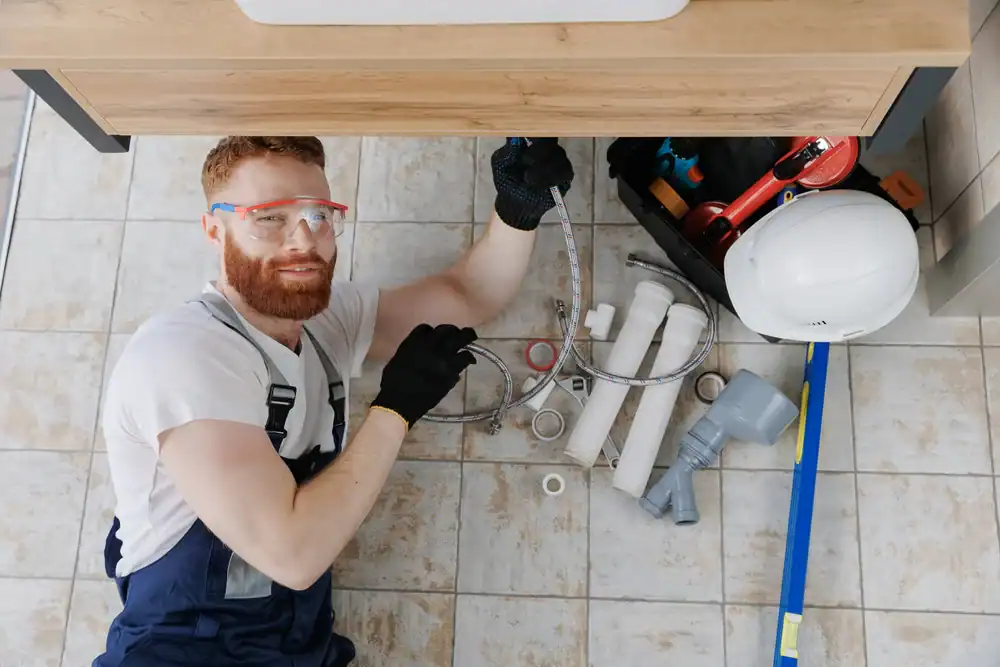
Your outdoor plumbing sat dormant all winter. Hose bibs can crack from freeze-thaw cycles even in New Jersey’s milder winters. Sprinkler lines shift underground as soil settles and expands.
Start by inspecting every outdoor faucet for cracks, drips, or spray from damaged threads. Turn each one on fully and watch for leaks at the connection point. If water sprays from anywhere other than the spout, the internal washer or valve seat needs attention.
Check your hose connections next. Old rubber washers inside hose ends crack and cause leaks that waste hundreds of gallons over a season. Replace them—they cost less than a dollar and take seconds to swap out.
If you have an irrigation system, walk your property while each zone runs. Look for geysers shooting up from broken heads, soggy patches that signal underground leaks, or dry spots where heads aren’t reaching. Sprinkler heads damaged by mowers or foot traffic need replacement before the season starts in earnest.
Clean debris from sprinkler heads and check that they’re level with the ground. Heads that sit too low flood the area around them. Heads that sit too high get damaged easily and spray inefficiently.
Test your backflow preventer if your system has one. This device keeps irrigation water from contaminating your home’s drinking water supply. Any cracks, leaks, or rust mean it needs professional attention before you run the system regularly.
Summer puts unexpected strain on water heaters. More people showering more often, extra laundry from beach towels and pool gear, and guests staying over all mean your water heater runs more cycles per day than it does in winter.
Check the temperature setting first. Most water heaters sit at 140°F from the factory, but 120°F handles all household needs while cutting energy costs. The lower temperature also reduces scalding risk and slows mineral buildup inside the tank.
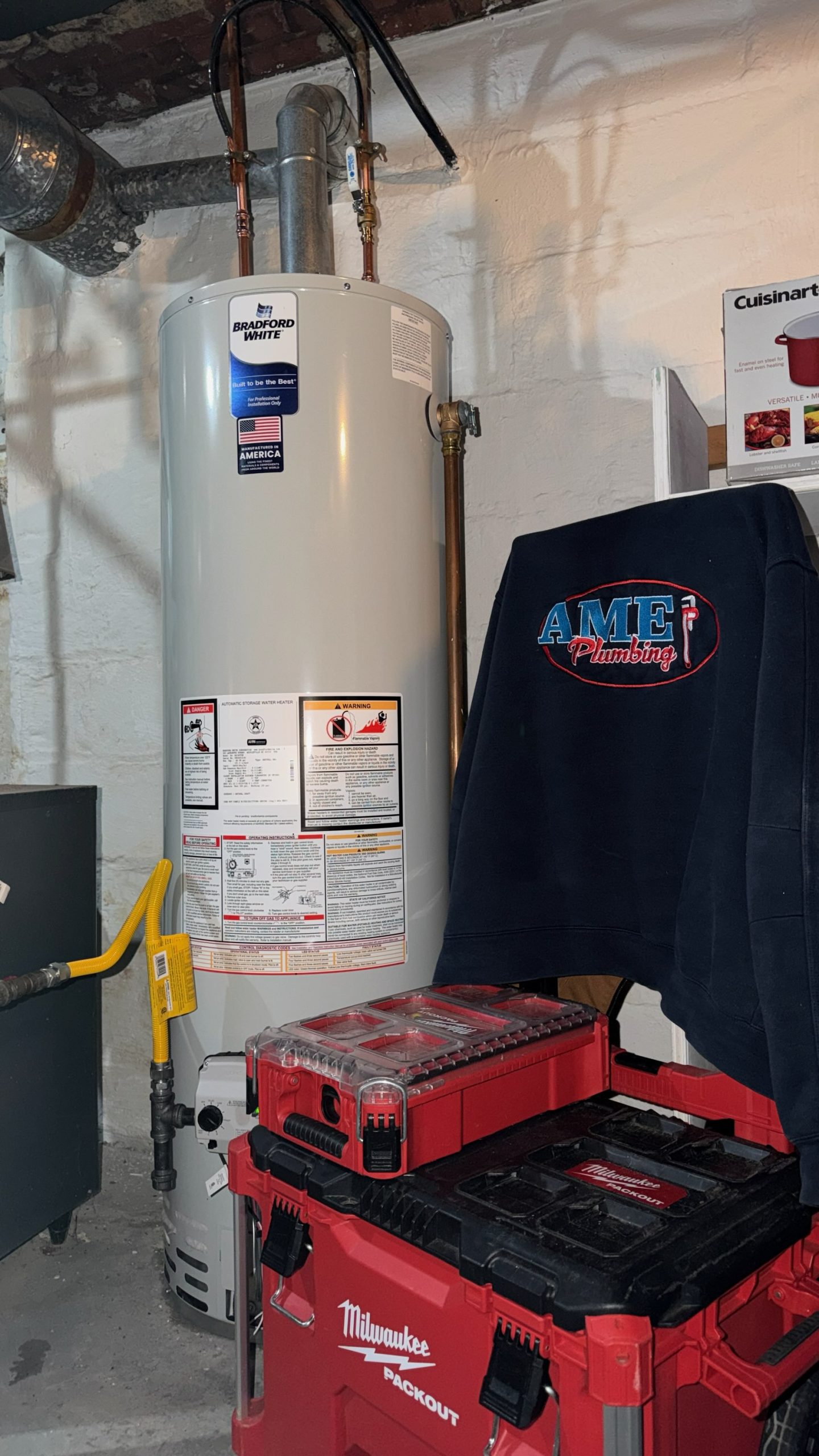
Look for rust or corrosion on the tank and connections. Water stains on the floor around the base signal a leak that will only get worse. If your water heater is approaching 10-12 years old and showing these signs, replacement beats waiting for a complete failure during peak summer usage.
Sediment builds up at the bottom of tank water heaters over time. This layer of minerals makes the unit work harder to heat water and can cause strange popping or rumbling noises. Flushing the tank removes this buildup and improves efficiency.
To flush your water heater, turn off the power or gas supply, connect a garden hose to the drain valve at the bottom, and run the hose to a floor drain or outside. Open the valve and let several gallons drain out until the water runs clear. This simple task extends your water heater’s life and ensures it can keep up with summer demand.
Check the pressure relief valve while you’re there. Lift the lever slightly—you should hear water flow and see some discharge from the overflow pipe. If nothing happens, the valve may be faulty and needs replacement to prevent dangerous pressure buildup.
Water usage in Monmouth County, NJ homes can double or triple during summer months. Lawn irrigation alone accounts for 50-70% of household water consumption during peak season. Add kids home from school, more frequent showers, and extra laundry, and you’re pushing your system harder than it’s designed for sustained periods.
This increased demand exposes weaknesses that don’t show up during normal usage. A small leak that drips occasionally under low pressure becomes a steady stream when multiple fixtures run simultaneously. Drain lines that handle regular flow start backing up when they’re processing twice the volume.
Watch your water bill for unexpected spikes. Compare current usage to the same month last year rather than last month—seasonal variation is normal, but dramatic increases signal a problem somewhere in the system.

Sewer line backups spike during summer in Monmouth County. Heavy thunderstorms dump water into the ground faster than it can drain away. If your sewer line has any cracks or root intrusion, that excess groundwater forces its way into the pipe and overwhelms the system.
Tree roots grow most aggressively during warm months. They seek out moisture and nutrients, and sewer lines provide both. Roots work their way into pipes through tiny cracks and joints, then expand and create blockages. If you notice slow drains throughout your house, gurgling sounds from toilets, or sewage odors in your yard, roots may be infiltrating your sewer line.
Garbage disposals work harder in summer. Fresh produce scraps, corn cobs, watermelon rinds, and other fibrous materials from summer meals can overwhelm the unit or create clogs in drain lines. Avoid putting stringy vegetables, fruit pits, or large quantities of food waste down the disposal at once.
Washing machines see increased use when kids are home and everyone’s tracking in dirt from outdoor activities. Check the hoses behind your machine for bulges, cracks, or brittleness. A burst washing machine hose can dump hundreds of gallons per hour into your home. Replace rubber hoses every five years or upgrade to braided stainless steel hoses that last longer and fail less catastrophically.
Toilet clogs increase with higher household occupancy. More people means more toilet paper usage and a greater chance someone will flush something that shouldn’t go down. Keep a plunger handy and teach everyone in your household what belongs in the toilet and what belongs in the trash.
Check for hidden leaks using your water meter. Turn off every faucet, appliance, and fixture in your home. Go to your water meter and note the reading. Wait two hours without using any water, then check the meter again. If the numbers changed, you have a leak somewhere.
Toilet leaks are silent water wasters. Drop food coloring into the toilet tank and wait 15 minutes without flushing. If color appears in the bowl, the flapper valve is leaking and needs replacement. This simple fix can save 200 gallons per day.
Adjust your irrigation schedule based on actual weather conditions rather than running the same program all season. After rainfall, skip a watering cycle. During cooler stretches, reduce run times. Many modern controllers have rain sensors that automatically pause watering when moisture is detected.
Water your lawn early in the morning or late in the evening to reduce evaporation loss. Midday watering in summer heat means up to 50% of the water evaporates before it reaches plant roots. Early morning watering also helps prevent fungal growth on grass.
Install water-efficient fixtures if you’re planning any updates. Low-flow showerheads and faucet aerators reduce water consumption by 20-30% without noticeable pressure loss. The savings on your water bill typically cover the cost within a year.
Fix dripping faucets immediately. A faucet that drips once per second wastes over 3,000 gallons per year. Most drips come from worn washers or O-rings that cost pennies and take minutes to replace.
Summer plumbing maintenance isn’t about perfection. It’s about catching small problems before they become expensive emergencies during the season when you’re using your system hardest. A 20-minute walkthrough of your property now saves you from water damage, sky-high bills, and the hassle of emergency repairs when you have a house full of guests.
Check your outdoor systems, test your water heater, look for leaks, and pay attention to how your plumbing behaves under increased demand. Most issues give you warning signs if you know what to look for.
When you need professional help or want an expert inspection before summer hits full swing, we serve Monmouth County, NJ with the experience and transparency that keeps your home running smoothly through the highest usage months of the year.
Article details:
Share:
Continue learning: