
Summary:
What Makes a Qualified Plumbing Contractor in New Jersey
Not everyone who shows up in a truck with tools is qualified to touch your plumbing. In New Jersey, there’s a clear standard, and it exists for a reason.
A qualified plumbing contractor must hold a master plumber license issued by the State Board of Examiners of Master Plumbers. That’s not just paperwork. It means we’ve completed a four-year apprenticeship, worked as a journeyman for at least a year, passed a three-part exam covering trade skills, business practices, and state plumbing laws, and posted a $3,000 surety bond to back our work. We’re also required to carry proper insurance.
If someone can’t show you proof of these credentials, you’re not dealing with a legitimate contractor. And that matters because unlicensed work means no recourse when things go wrong, no protection if there’s an accident, and a good chance the work won’t pass inspection. Some homeowners think skipping the licensed contractor saves money. It doesn’t. It just delays the bill until you’re paying someone else to fix what the first person broke.
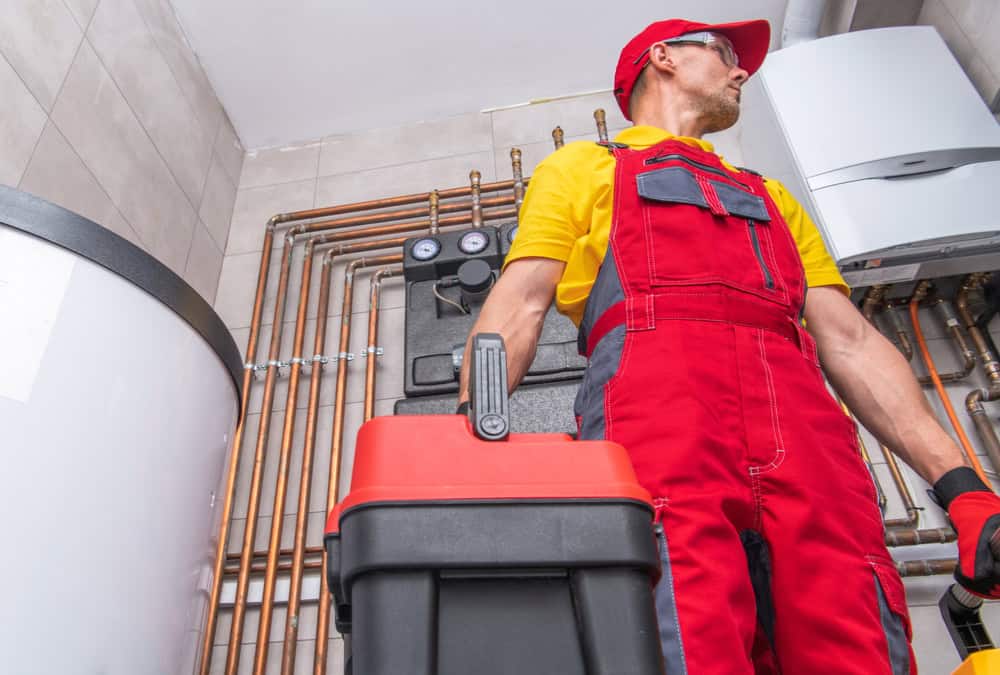
How to Verify a Plumbing Contractor's License and Insurance
Ask for the license number. Not a business card, not a verbal assurance. The actual license number. Then verify it with the New Jersey Division of Consumer Affairs. It takes five minutes and eliminates most of the risk.
Insurance is the other half. You need to see proof of both general liability insurance and workers’ compensation coverage. General liability protects your property if something gets damaged during the work. Workers’ comp protects you if someone gets hurt on your property. Without these, you’re personally liable for accidents and damage. That’s not a risk worth taking to save a few dollars.
Some contractors will try to rush past this step or act offended that you’re asking. That’s a red flag. Legitimate contractors expect these questions and have the documentation ready. If they’re hesitant, evasive, or can’t produce proof on the spot, move on. There are plenty of properly licensed and insured contractors who won’t make you feel like you’re being difficult for doing basic due diligence.
The verification process also reveals how long they’ve been licensed, whether there are any complaints or disciplinary actions on file, and if their credentials are actually current. Licenses need to be renewed every two years in New Jersey, and that renewal requires continuing education. An expired license means they’re not keeping up with code changes and current practices.
Don’t skip this step because you’re in a hurry or because someone came recommended by a friend. Verify everything yourself. Your friend might not have checked either.
Understanding What Plumbing Contractors Actually Do During Renovations
A plumbing contractor does more than just connect pipes. During a renovation, we’re responsible for planning the entire plumbing layout, pulling the necessary permits, coordinating with other trades on your project, ensuring all work meets current building codes, installing new fixtures and appliances, and testing everything to make sure it actually works before we leave.
The planning phase matters more than most homeowners realize. Moving a sink three feet to the left might seem simple, but it could mean rerouting supply lines, relocating drain pipes, and adjusting vent stacks. A good contractor walks you through what’s involved before you commit to changes that will blow your budget. We’ll also tell you when your Pinterest inspiration isn’t going to work with your home’s existing plumbing infrastructure.
Permits are another area where contractors separate themselves. Some will try to talk you out of pulling permits to save time or money. That’s a massive red flag. Permits exist to ensure safety and code compliance. Unpermitted work can tank your home’s value, create liability issues, and cause major problems when you try to sell. A professional contractor handles all the permitting, knows what’s required for your specific project, and schedules inspections at the right times.
The coordination piece is often invisible to homeowners, but it’s critical. Your plumber needs to work around the electrician, the HVAC contractor, the framer, and everyone else touching your project. Poor coordination leads to delays, mistakes, and finger-pointing when something goes wrong. Experienced contractors know how to sequence the work so everything flows smoothly.
Installation quality is where you see the difference between someone who knows what they’re doing and someone who’s winging it. Proper installation means correct pipe sizing, appropriate materials for your water conditions, secure connections that won’t leak, adequate support and anchoring, proper slope on drain lines, and accessibility for future maintenance. You won’t see most of this once the walls are closed up, which is exactly why you need someone who does it right the first time.
Red Flags When Hiring a Plumbing Contractor
Some warning signs are obvious. Others are subtle. All of them matter.
If a contractor can’t or won’t provide proof of licensing and insurance, that’s an immediate disqualification. Same goes for anyone asking for full payment upfront, refusing to provide a written contract, or pressuring you to make immediate decisions. These aren’t just red flags. They’re deal-breakers.
The more subtle signs require paying attention. How do they communicate? Do they return calls and emails promptly? Do they answer your questions clearly, or do they talk in circles and make you feel stupid for asking? Communication problems before the project starts only get worse once work begins.

Pricing Red Flags and How to Spot Them
Pricing is where a lot of homeowners get burned. The lowest bid isn’t usually the best deal. It’s often a sign that someone’s cutting corners, using inferior materials, or planning to hit you with change orders once the work starts.
Legitimate estimates include a clear breakdown of labor costs, materials with specific brands and models when applicable, permit fees, and any other charges you’ll be expected to pay. Vague estimates with round numbers and no detail are a warning sign. So are estimates that vary wildly from other contractors without explanation.
Watch out for contractors who give you a price over the phone without seeing the job. Plumbing work involves too many variables for accurate phone quotes. Someone who’s willing to commit to a price sight unseen is either inexperienced or planning to raise the price later. Neither option works in your favor.
The cash-only contractor is another red flag. Legitimate businesses accept multiple forms of payment and provide receipts. Cash-only operations make it impossible to track expenses, harder to enforce warranties, and nearly impossible to pursue legal action if something goes wrong. There’s a reason they want to stay off the books, and it’s not to help you save money.
Bait-and-switch pricing is common enough that you need to watch for it. This is where the initial quote is suspiciously low, but once work starts, suddenly everything costs extra. The original estimate didn’t include necessary parts, code requirements that “just came up,” or unforeseen issues that somehow happen on every job. Protect yourself by getting everything in writing, asking specifically what’s included and what’s not, and building in a contingency budget for legitimate surprises.
Some contractors will try to upsell you on work you don’t need. This is harder to spot if you don’t know plumbing, which is why getting a second opinion on major plumbing repairs or system replacements makes sense. A trustworthy contractor explains why something needs to be done, shows you the problem when possible, and respects your decision if you want to get another estimate.
Questions to Ask Before Hiring a Plumbing Contractor
The questions you ask tell you everything you need to know. Start with the basics. How long have you been in business? Can you provide references from recent renovation projects similar to mine? Who will actually be doing the work? Some companies send a skilled estimator but use less experienced crews for the actual installation. You need to know who’s touching your plumbing.
Ask about their warranty and what it covers. A good warranty covers both workmanship and materials, typically for at least a year. Get it in writing. Verbal promises don’t mean anything when you’re dealing with a leak six months after the job’s done.
Permits and inspections should be part of the conversation. Who pulls the permits? Who schedules the inspections? Who’s responsible if the work doesn’t pass? These shouldn’t be your problems to solve. A professional contractor handles all of this as part of their service.
Timeline questions matter too. How long will this take? What could cause delays? How do you handle scheduling conflicts with other trades? The answers tell you whether they’ve thought through your project or if they’re just guessing. Be skeptical of anyone who promises an unrealistically fast completion. Quality work takes time.
Ask what happens if problems come up during the project. How do you handle unexpected issues? How are change orders processed? What if we disagree on whether additional work is necessary? You want someone with a clear process for handling complications, not someone who wings it or disappears when problems arise.
Find out about their cleanup policy. Who’s responsible for protecting your home during the work? How do you handle dust and debris? What condition will you leave the work area in at the end of each day? This might seem minor, but living through a renovation is hard enough without dealing with a contractor who treats your home like a construction site.
Payment terms deserve attention. What’s your payment schedule? Most legitimate contractors ask for a deposit to cover materials, progress payments tied to specific milestones, and final payment upon completion and your approval. Anyone demanding full payment upfront or only accepting cash is someone you should avoid.
Making the Right Choice for Your 2026 Renovation
Choosing a plumbing contractor isn’t about finding the cheapest option or the one who can start tomorrow. It’s about finding someone who’s properly licensed, adequately insured, communicates clearly, and has a track record of quality work. Someone who treats your home with respect and your budget like it matters.
The time you spend vetting contractors now saves you from problems later. Check licenses. Verify insurance. Get multiple estimates. Ask questions. Read contracts carefully before signing. These steps aren’t paranoid. They’re smart.
Your renovation is a significant investment in your home and your family’s comfort. It deserves a plumbing contractor who gets it right. We serve homeowners throughout Monmouth County, Ocean County, and Middlesex County with the licensing, experience, and commitment to quality that your project requires.