Gas water heater not heating? Discover what's causing your no hot water problem and whether you need a quick fix or professional help.
Share:
Summary:
Your morning shower just went ice cold. Again. Or maybe the hot water runs out halfway through washing dishes. When your gas water heater stops doing its job, it doesn’t just inconvenience you—it throws off your entire household routine. The good news? Many gas water heater problems have straightforward causes, and some you can troubleshoot yourself before calling a professional. This guide explains what’s likely causing your no hot water issue, walks you through safe DIY checks, and helps you recognize when it’s time to bring in licensed expertise—especially important with gas systems where safety isn’t negotiable.
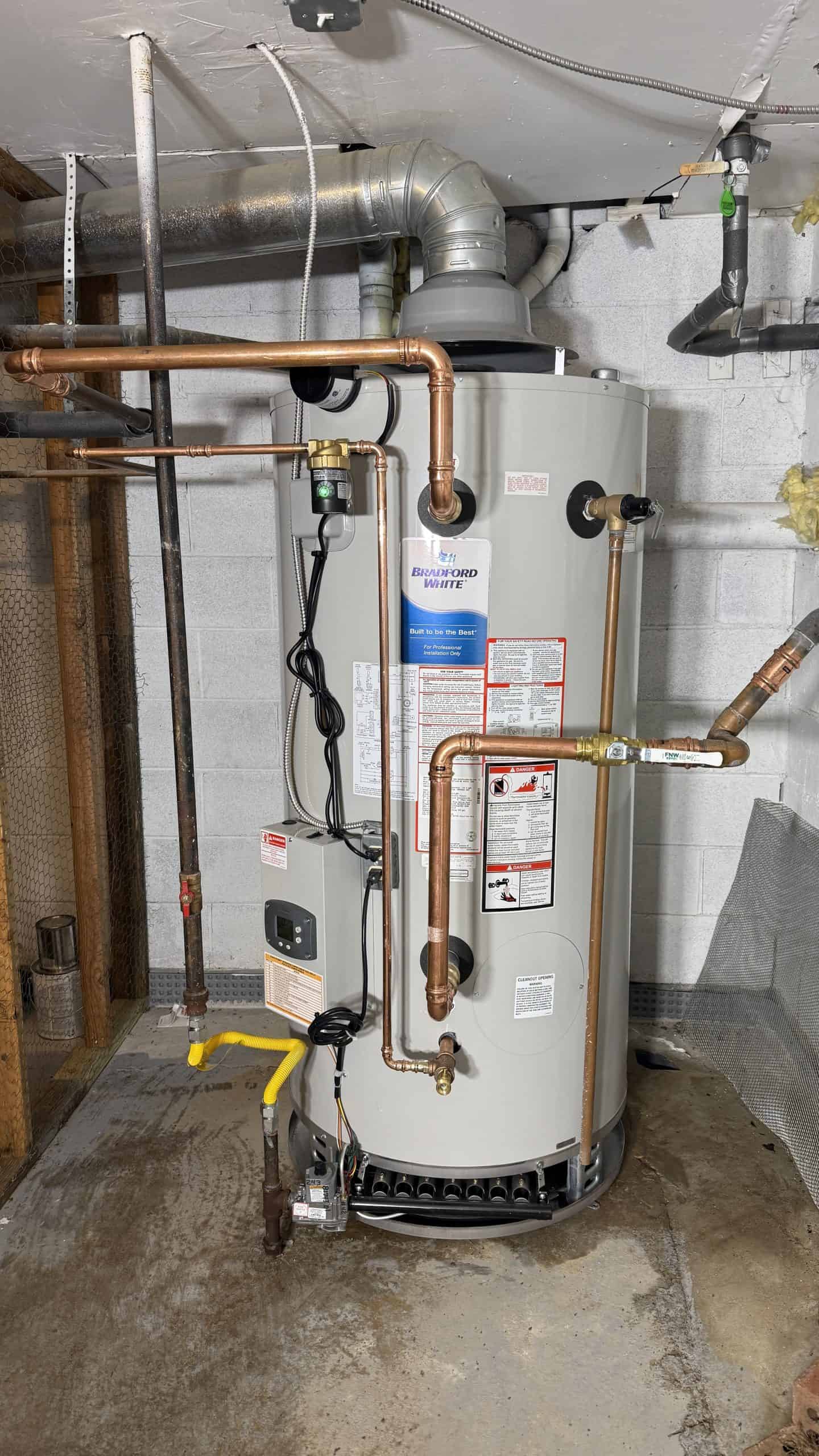
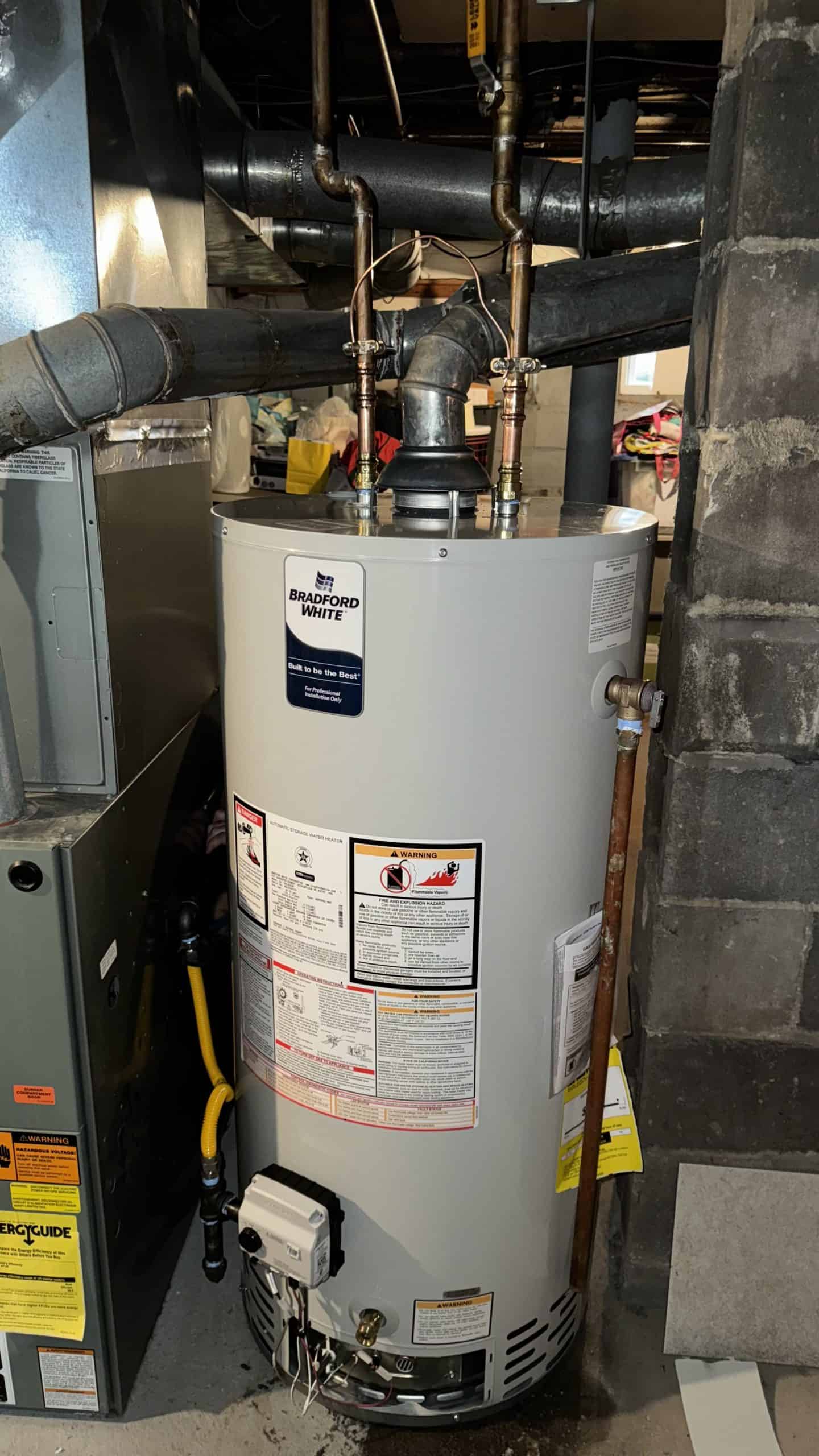
Understanding how your gas water heater actually heats water makes troubleshooting a lot less mysterious. Cold water enters the tank through the dip tube, which directs it to the bottom where the burner assembly heats it. The thermostat monitors water temperature and signals the gas control valve when heating is needed. The pilot light ignites the gas, the burner heats the water, and hot water rises to the top of the tank where it’s ready when you turn on a faucet.
When any part of this system fails, you lose hot water. The pilot light might go out. The thermostat might stop sensing temperature correctly. The burner assembly could get clogged. The gas control valve might malfunction. Each component plays a specific role, and when one fails, the whole system stops working the way it should.
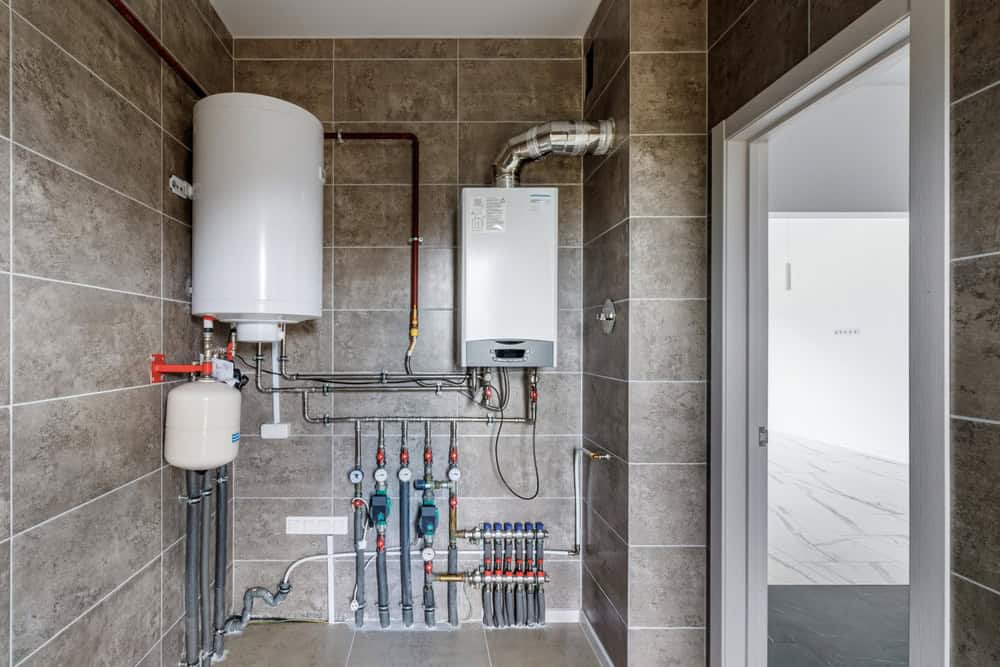
The pilot light is the most common culprit when your gas water heater isn’t heating water. This small flame stays lit continuously, ready to ignite the main burner when your thermostat calls for heat. When it goes out, your burner can’t fire up, and you’re left with cold water.
Pilot lights go out for several reasons. A strong draft or gust of wind can blow it out, especially if your water heater is in a garage or basement with poor weather sealing. A dirty thermocouple—the safety device that senses the pilot flame—might incorrectly signal that the pilot is out and shut off gas flow. Sometimes the pilot orifice gets clogged with debris, creating a weak flame that won’t stay lit.
Relighting a pilot light is something many homeowners can do safely. Your water heater should have instructions printed on the side panel. Typically, you turn the gas control knob to “pilot,” press and hold it down, then use the igniter button or a long lighter to ignite the pilot. Hold the knob down for about 30-60 seconds after lighting to let the thermocouple heat up, then release and turn the knob to “on.”
If your pilot light won’t stay lit after you release the knob, you’re likely dealing with a faulty thermocouple or a more serious gas supply issue. This is where professional diagnosis becomes necessary. A thermocouple replacement is straightforward for a licensed plumber but requires working directly with gas connections—not a DIY project for most homeowners.
In Monmouth County, coastal conditions can accelerate pilot light problems. Salt air corrodes components faster than inland areas. High humidity affects gas flow and combustion. If you’re relighting your pilot light more than once or twice a year, something else is wrong, and a professional should diagnose the underlying cause before it becomes a safety issue.
Sometimes your pilot light is burning strong, but you still have no hot water from your gas water heater. The problem likely involves your burner assembly or thermostat. These components work together to heat water to the temperature you’ve set, and when either fails, you notice it immediately.
The burner assembly includes the main burner, burner orifice, and the tubes that deliver gas for combustion. Over time, dust, debris, and corrosion can clog these components. You might notice the burner takes longer to heat water, or the flame appears yellow instead of blue. A yellow flame indicates incomplete combustion, which not only reduces heating efficiency but can also produce dangerous carbon monoxide. Never ignore a yellow flame—shut off your gas supply and call a licensed professional immediately.
Your thermostat controls when the burner fires based on water temperature. It’s essentially a temperature sensor attached to the gas control valve. When it senses water temperature dropping below your set point, it signals the valve to open and allow gas flow to the burner. A worn or faulty thermostat might not call for gas often enough, leaving you with lukewarm water. Or it might fail completely, never signaling for heat at all.
Thermostat problems can be tricky to diagnose because the symptoms overlap with other issues. If your water is warm but not hot enough, try adjusting the temperature dial on your gas control valve. Most manufacturers recommend 120°F for safety and efficiency. Turn it up slightly and wait a few hours to see if water temperature improves. Don’t go above the manufacturer’s recommended maximum—usually around 140°F—as higher temperatures increase scalding risk and don’t significantly improve performance.
If adjusting the thermostat doesn’t help, or if you have no hot water at all despite a functioning pilot light, the gas control valve itself might be failing. This valve regulates gas flow to your burner and includes the thermostat sensor. When it malfunctions, it needs professional replacement. Gas control valves require precise calibration and should only be serviced by licensed plumbers who understand gas systems and local code requirements.
Monmouth County’s hard water creates additional challenges for thermostats and burners. Mineral-rich water causes sediment to accumulate at the bottom of your tank, creating hot spots that can damage the burner and interfere with thermostat sensors. Regular flushing helps, but once components are damaged, professional repair or replacement is the only solution.
Before calling a plumber, there are several safe checks you can perform yourself. Start with the simplest possibilities and work your way toward more complex issues. This systematic approach helps you either fix the problem yourself or provide useful information to a technician when you do need professional help.
First, check that your gas supply is actually on. Look for the gas shutoff valve near your water heater—it should be parallel to the gas line when open. If someone recently worked on your water heater or if you shut off gas for any reason, the valve might still be closed. Also verify that your home’s main gas supply is functioning by checking other gas appliances like your stove or furnace.
Next, inspect your pilot light. Remove the access panel at the bottom of your water heater and look through the viewing window. You should see a small blue flame. If it’s out, try relighting it following the instructions on your unit. If the pilot won’t light or won’t stay lit, don’t keep trying—call a professional to diagnose the problem.
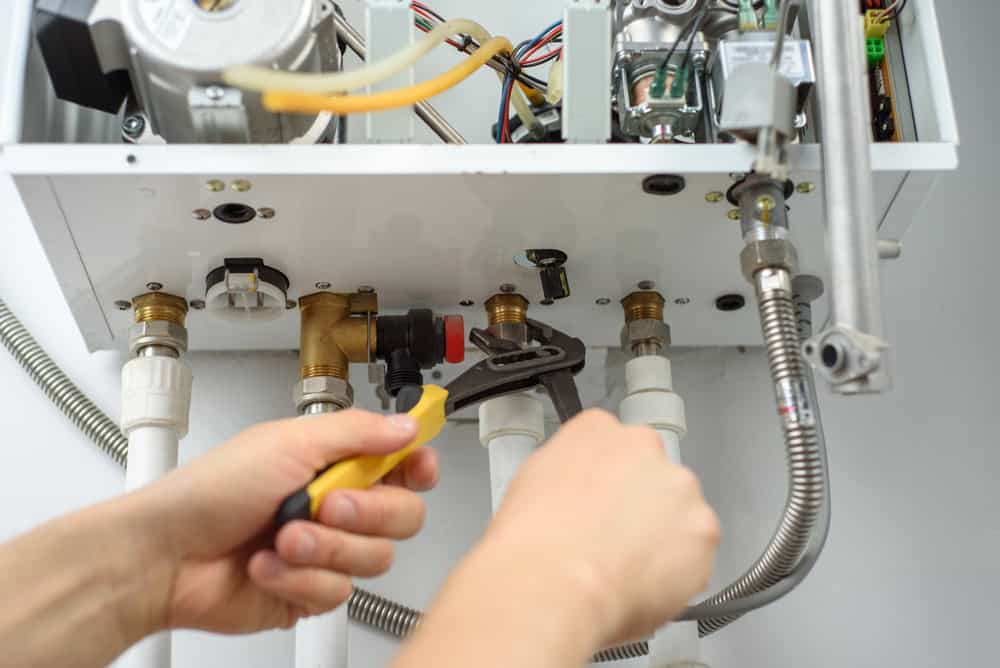
While this guide focuses on gas water heaters, it’s worth understanding how electric water heater problems differ since many homeowners aren’t sure which type they have. Electric water heaters don’t have pilot lights, burners, or gas valves. Instead, they use one or two heating elements—metal rods that heat up when electricity flows through them.
The most common reason an electric water heater stops heating is a tripped circuit breaker. Check your electrical panel and reset any tripped breakers. If the breaker trips again immediately, you have an electrical problem that requires professional diagnosis—don’t keep resetting it.
Electric water heaters also have thermostats, but they work differently than gas thermostats. They’re usually adjustable with a screwdriver through an access panel on the side of the tank. If you have lukewarm water from an electric unit, try adjusting the thermostat slightly higher. But if you have no hot water at all, you likely have a failed heating element, which requires professional replacement.
The troubleshooting approach differs significantly between gas and electric units. Gas water heater problems often involve combustion, gas flow, and venting—all areas where DIY work can be dangerous. Electric water heater problems involve high-voltage electrical work, which carries its own risks. For both types, knowing when to stop troubleshooting and call a professional protects both your safety and your equipment.
In Monmouth County, many older homes have gas water heaters while newer construction might feature electric or even hybrid units. If you’re not certain which type you have, look for a gas line connection and an exhaust vent pipe—these indicate a gas unit. No gas line or vent means you have an electric water heater.
Some water heater problems are clearly DIY-friendly. Relighting a pilot light that went out once? Reasonable for most homeowners. Adjusting your thermostat setting? Safe and simple. But many gas water heater issues require professional expertise, and attempting DIY repairs can create serious safety hazards or void your warranty.
Call a licensed plumber immediately if you smell gas. Even a faint gas odor means you have a leak. Shut off your gas supply at the valve near your water heater, open windows, don’t use any electronics or create sparks, and call for help. Gas leaks are life-threatening emergencies that require immediate professional response.
You also need professional help when your pilot light won’t stay lit after multiple attempts, when you see a yellow or irregular flame instead of a steady blue one, or when you hear unusual sounds like rumbling, popping, or hissing from your water heater. These symptoms indicate problems with combustion, gas flow, or component failure that go beyond simple troubleshooting.
If your water heater is leaking, don’t attempt repairs yourself. A small leak from a valve connection might be fixable, but water pooling around the base of your tank usually means the tank itself has corroded through. This requires full replacement, and continuing to operate a leaking water heater can cause extensive water damage to your home.
Age matters too. If your gas water heater is more than 8-10 years old and experiencing problems, replacement often makes more financial sense than repair. A licensed plumber can assess whether repair is cost-effective or if you’re better off investing in a new, more efficient unit. In Monmouth County’s coastal environment, corrosion accelerates aging, so we understand how environmental factors affect equipment lifespan.
Professional diagnosis also matters when you’ve tried basic troubleshooting without success. If you’ve checked your gas supply, verified your pilot light is on, and adjusted your thermostat but still have no hot water, the problem involves components that require specialized knowledge and tools to repair safely. Licensed plumbers have the training to diagnose gas control valve failures, burner assembly problems, and venting issues that homeowners can’t safely address.
At AME Plumbing Heating and Cooling, we serve Monmouth and Ocean County with 24/7 emergency service for water heater problems. Our licensed technicians understand the specific challenges coastal homeowners face, from accelerated corrosion to hard water damage. We provide upfront pricing so you know costs before work begins, and we’re available when you need us most—including nights, weekends, and holidays when water heater failures never seem to wait for business hours.
Gas water heater problems range from simple pilot light issues you can fix yourself to complex component failures that require professional expertise. The key is knowing which is which. Start with safe, basic troubleshooting—check your gas supply, inspect your pilot light, and adjust your thermostat if needed. But recognize when you’ve reached the limits of DIY work, especially with gas systems where safety can’t be compromised.
When professional help is needed, choose licensed, insured plumbers who understand both gas systems and local conditions. Monmouth County’s coastal environment creates unique challenges that affect how long water heaters last and what problems they develop. Working with local experts who know these issues means faster diagnosis and solutions that account for hard water, salt air, and humidity.
If you’re dealing with no hot water, inconsistent temperatures, or any gas water heater problem you can’t resolve safely, we’re available 24/7 to restore your hot water quickly and correctly. Our family-owned business combines years of local experience with transparent pricing and a commitment to doing the job right the first time.
Article details:
Share:
Continue learning: