Power back on but still no hot water? Your electric hot water heater might need a simple reset—or professional attention. Here's what to check first.
Share:

Summary:
The storm passed hours ago. Power’s back. Lights work. Refrigerator’s humming. But when you turn on the shower, ice-cold water hits your hand. Your electric hot water heater didn’t wake up with everything else, and you need answers fast. Before you assume the worst or start Googling emergency plumbers at midnight, there are a few straightforward checks you can do yourself. Most post-outage hot water problems trace back to tripped breakers or safety switches doing exactly what they’re designed to do—protect your home. Let’s start with what you can safely troubleshoot on your own, then talk about when it’s time to bring in someone who knows these systems inside and out.
Cold water flowing fine but zero hot water? That’s actually useful information. It tells you the problem isn’t your main water supply or a frozen pipe—it’s isolated to your electric hot water heater system. And that narrows down what you’re dealing with considerably.
When power outages hit Monmouth County, NJ, they don’t just shut things off. The real trouble happens when power comes back. Voltage surges, even brief ones, can trip safety mechanisms built into your water heater. Your circuit breaker might flip. The high-limit switch on your thermostat might pop. These aren’t failures—they’re features working as intended to prevent electrical fires or scalding water.
The good news? Many of these issues reset in under five minutes. The less good news? Some require parts replacement or professional diagnostics. Knowing which one you’re facing saves you time, money, and a lot of frustration.
Start at your electrical panel. Find the breaker labeled for your water heater—it’s usually a double-pole breaker rated for 240 volts. Check if it’s in the “off” position or stuck somewhere in the middle. That middle position is the telltale sign of a tripped breaker.
Here’s the right way to reset it. Flip the breaker all the way to “off” first, then back to “on.” Don’t just try to push it from the middle position straight to “on”—that won’t actually reset the mechanism. Once you’ve reset the breaker, wait. Your electric hot water heater needs time to do its job. Thirty to sixty minutes is normal for water to reach usable temperature. If you’re testing it after ten minutes and declaring it broken, you’re jumping the gun.
If the breaker trips again immediately after you reset it, stop. Don’t keep flipping it. A breaker that won’t stay on signals a short circuit somewhere in your water heater system—most commonly a failed heating element. This is the point where continuing to mess with it yourself creates safety risks. Short circuits don’t fix themselves, and they can damage other components if you keep trying to force power through a compromised system.
While you’re waiting for the water to heat, check for any visible signs of trouble around the water heater itself. Water pooling at the base, unusual sounds, or a burning smell all mean you should shut off the breaker and call for professional help instead of waiting it out. Some problems announce themselves clearly if you know what to look for.
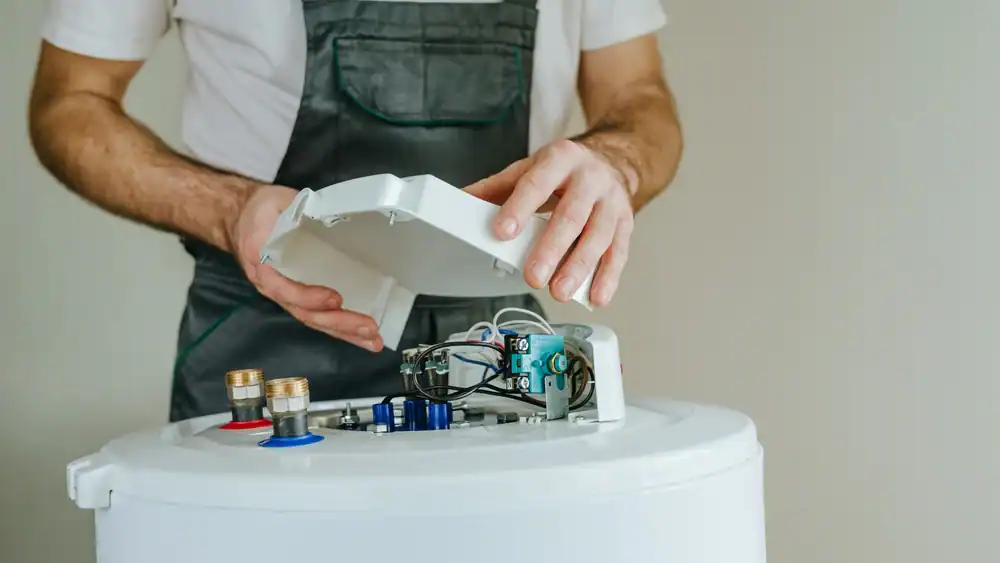
If your breaker is fine and staying on, the next checkpoint is the high-limit switch. This is a small red button usually located on the upper thermostat of your electric hot water heater, hidden behind an access panel. Before you go looking for it, shut off the breaker again. You’re about to work near electrical components, and safety isn’t optional here.
Remove the upper access panel—it’s typically held in place with a couple of screws. You’ll find insulation behind it. Fold that out of the way carefully. The red reset button sits right on the thermostat. If it’s popped out, that’s your problem. The high-limit switch trips when water temperature exceeds 180 degrees Fahrenheit, which can happen during power fluctuations.
Press the button firmly until you hear or feel it click back into place. Replace the insulation and access panel, then turn the breaker back on. Give it that same 30 to 60 minutes to heat water. If the reset button keeps popping out repeatedly, you’re looking at a faulty thermostat or heating element that’s causing the water to overheat. That’s not a reset issue anymore—that’s a component failure that needs replacement.
Now here’s something most homeowners don’t realize. Electric water heaters have two heating elements and two thermostats in most residential installations. The upper element heats the top third of your tank first, then power routes to the lower element to heat the rest. If your upper element fails, you get zero hot water even though the lower element is perfectly fine. If the lower element fails, you’ll get some hot water but run out faster than normal. This matters because it affects whether you need a simple part replacement or a more involved repair.
Thermostat problems show up differently than element failures. A bad thermostat might give you water that’s too hot, too cold, or wildly inconsistent. A bad element just means no heat or insufficient heat. Testing these components requires a multimeter and knowledge of what voltage readings should look like—120V to each element terminal from a 240V supply, specific ohm readings for continuity. If you don’t already own a multimeter or feel confident using one on live electrical systems, this is where professional diagnostics make sense.
Wait—if you have an electric hot water heater, nothing’s “lit.” That phrase applies to gas water heaters with pilot lights. But the confusion makes sense because many homeowners aren’t sure which type they have, especially if they just moved in or never paid attention before the outage.
Electric water heaters don’t have flames, pilot lights, or gas connections. They heat water using electrical resistance elements submerged in the tank. If you’re looking at your water heater and seeing indicator lights on a digital display, that’s different from a gas pilot light. Those indicator lights tell you the unit has power, but power alone doesn’t guarantee hot water if the heating elements or thermostats aren’t functioning.
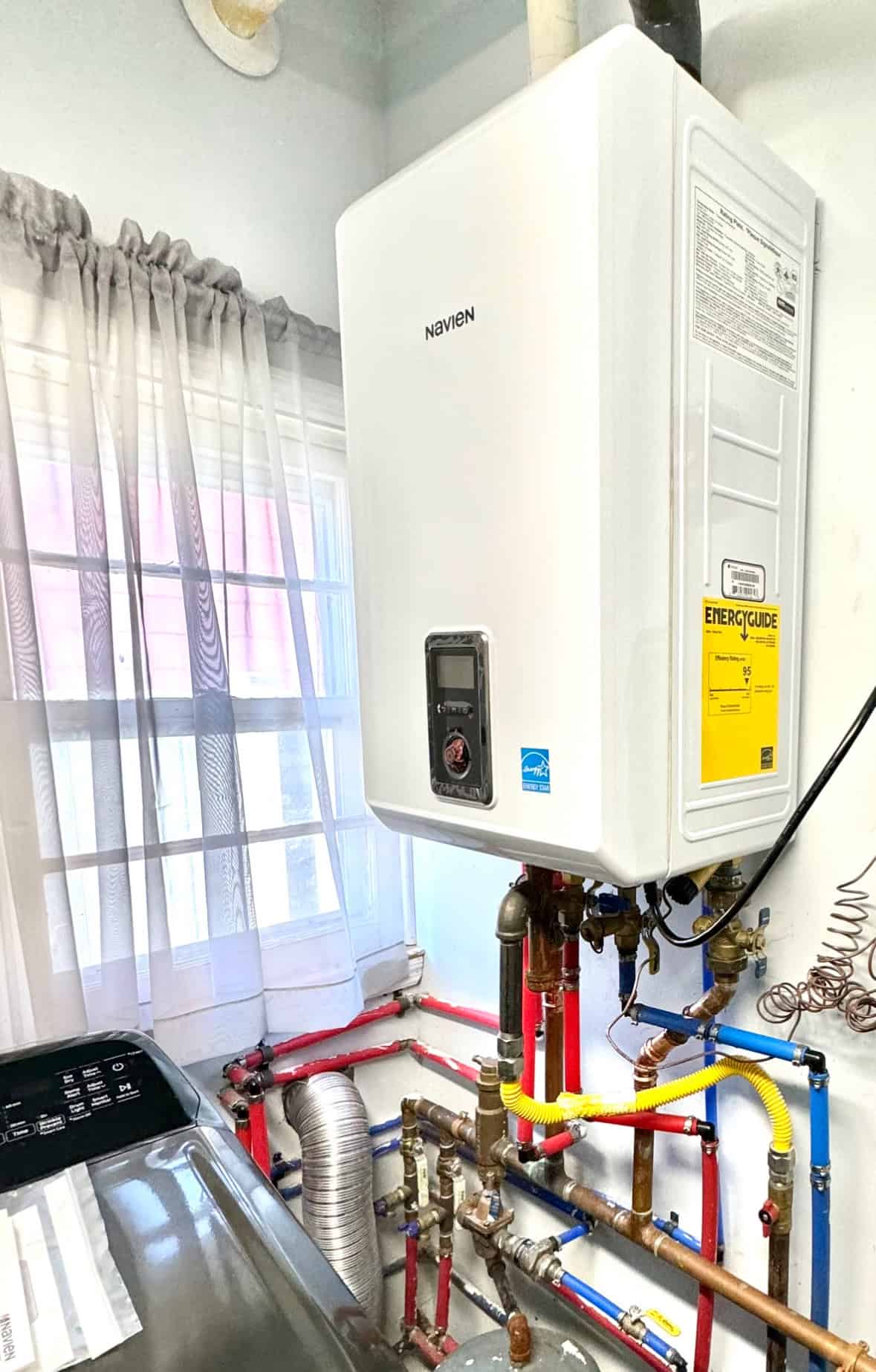
Check your water heater’s data plate—usually a metal tag on the side of the tank. It’ll clearly state whether it’s electric or gas. If it says “240V” or lists wattage for heating elements, you’ve got an electric model. If it mentions BTU ratings or gas input, it’s gas-powered. This matters because troubleshooting steps diverge completely from this point.
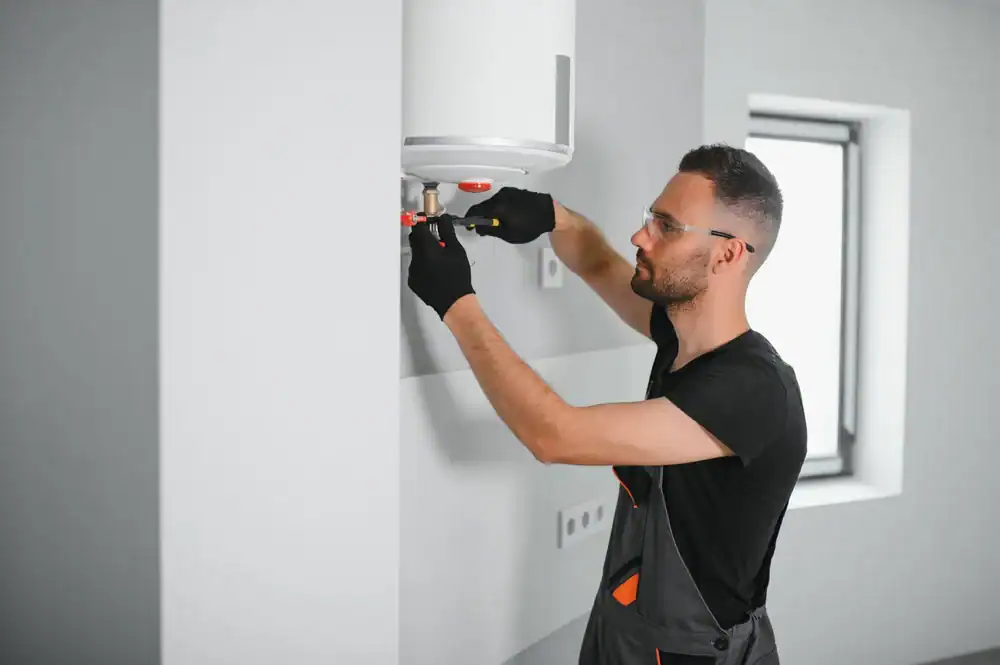
You’ve checked the breaker. You’ve pressed the reset button. You’ve waited the recommended time. And you still have cold water. This is the point where continued DIY attempts stop being productive and start risking further damage or safety issues.
Here’s what you need to understand about electric water heater repairs in New Jersey. State and local codes require licensed professionals for certain electrical work, and water heaters fall into that category. It’s not just about skill—it’s about liability, insurance coverage, and code compliance. If you attempt repairs yourself and something goes wrong, your homeowner’s insurance may deny claims related to that work. If you sell your home and an inspector finds unpermitted electrical work, it becomes a negotiation problem that costs you money.
Professional diagnostics go beyond what homeowners can safely or legally do. Licensed technicians use specialized tools to test heating elements under load, verify proper voltage at each connection point, check for grounding issues, and identify problems that aren’t visible to the naked eye. We also know the difference between a water heater that needs a $150 thermostat replacement and one that’s approaching end-of-life and will nickel-and-dime you with repairs over the next year.
The age of your water heater factors heavily into repair-versus-replace decisions. Most electric water heaters last eight to twelve years with proper maintenance. If yours is pushing ten years old and needs a major component replacement, the math often favors replacement—especially when you factor in improved energy efficiency of newer models and the likelihood of additional failures in an aging unit.
Cost matters, obviously. Simple repairs like thermostat or heating element replacement typically run $100 to $350 in parts and labor. More complex electrical issues, multiple failed components, or tank problems push costs toward $500 to $700. Full water heater replacement for a standard tank model runs $600 to $3,100 installed, depending on tank size and any necessary upgrades to meet current code. Tankless systems cost more upfront but offer longer lifespan and energy savings.
Financing makes major repairs or replacements manageable. We offer 0% financing options that let you spread the cost over time rather than facing a massive unexpected expense all at once. This matters particularly when you’re dealing with an emergency situation and don’t have time to save up or shop around extensively.
Let’s talk about the elephant in the room—working with electricity and water simultaneously. Your electric hot water heater operates on 240 volts, double the voltage of standard household outlets. That’s enough power to cause serious injury or death if you make contact with energized components.
Even with the breaker off, capacitors in some water heater systems can hold residual charge. Professional electricians and plumbers use non-contact voltage testers to verify power is truly off before touching any wires or terminals. We also follow lockout-tagout procedures to ensure no one accidentally restores power while we’re working. These aren’t paranoid precautions—they’re industry-standard safety protocols that prevent accidents.
Beyond immediate shock risk, improper electrical work creates fire hazards that might not manifest until weeks or months later. Loose connections generate heat. Undersized wiring overloads. Bypassed safety switches eliminate the protection that prevents tank ruptures or steam explosions. These aren’t theoretical dangers—they’re documented failure modes that building codes specifically address.
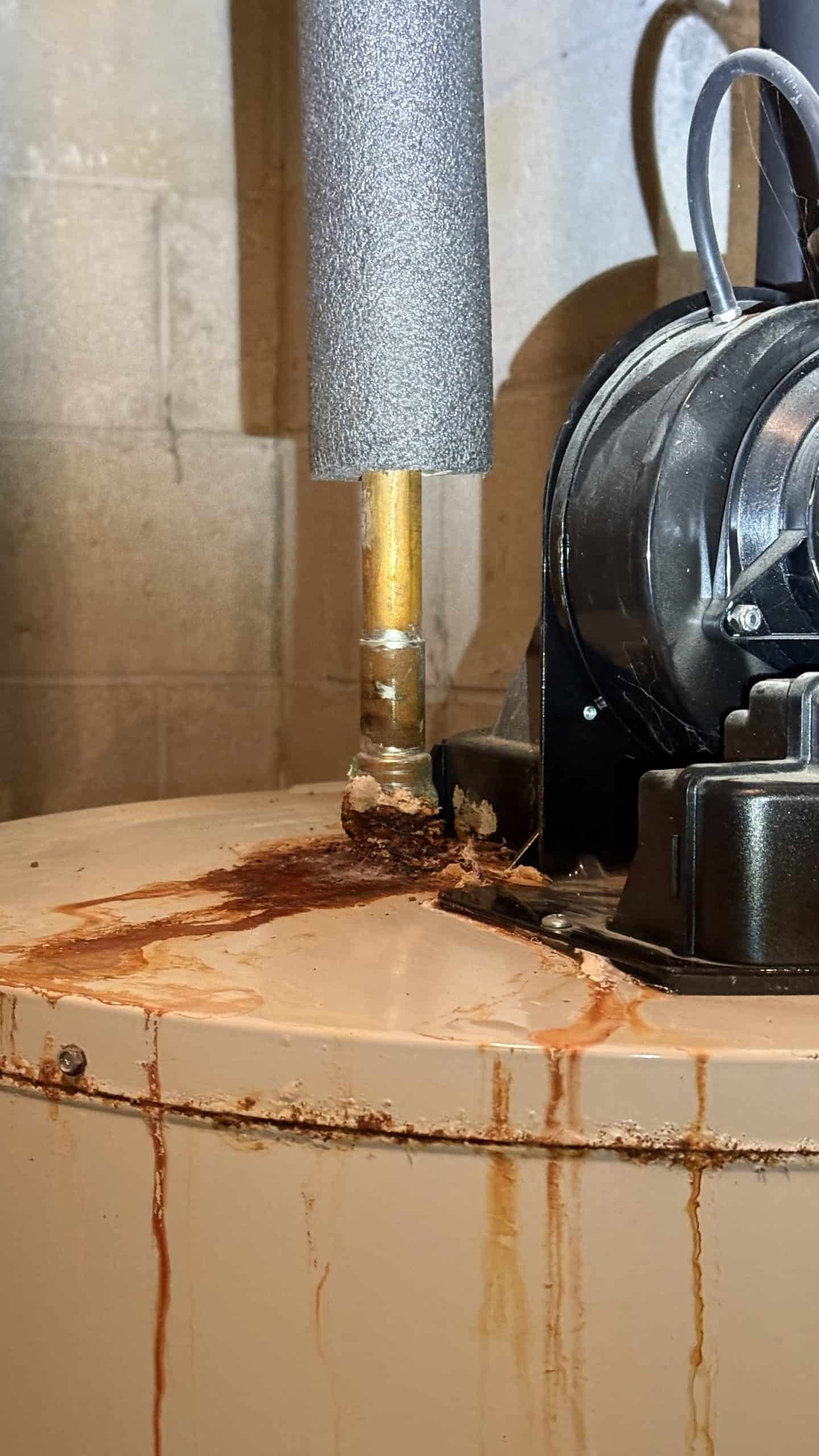
Water damage adds another layer of concern. If troubleshooting reveals your tank is leaking, continuing to operate the water heater accelerates the damage. A small leak can dump dozens of gallons into your basement or utility closet before you notice. Water damage remediation costs dwarf water heater replacement costs. And if that water reaches electrical components elsewhere in your home, you’re compounding problems exponentially.
Monmouth County, NJ homeowners also need to consider code compliance for resale value. When you sell your home, inspectors check for unpermitted work and code violations. Water heater installations and major repairs require permits in most jurisdictions. Professional contractors pull permits, arrange inspections, and provide documentation that protects your investment. DIY work, even if technically competent, lacks that paper trail and creates obstacles during real estate transactions.
The smart approach? Know what you can safely check yourself—breakers, reset buttons, visible leaks. But recognize where your expertise ends and professional help begins. There’s no shame in calling a licensed plumber or electrician. There’s considerable risk in pushing beyond your skill level because you want to save a service call fee.
Power outages disrupt more than just your lights—they can knock your electric hot water heater offline and leave you scrambling for solutions. The good news is many post-outage issues resolve with simple resets you can handle yourself. Check your breaker, press that red button on the thermostat, and give your system time to recover. Those steps solve the majority of cases.
But when DIY troubleshooting doesn’t restore your hot water, or when warning signs point to component failures, professional expertise becomes necessary. Licensed technicians bring the tools, knowledge, and code compliance that homeowner repairs can’t match. We also help you make informed decisions about repair versus replacement based on your water heater’s age, condition, and long-term cost implications.
If you’re in Monmouth County, NJ and still dealing with cold water after trying the basics, we offer the 24/7 emergency service and transparent pricing that gets your household back to normal. Sometimes the fastest path to hot showers is knowing when to hand the problem to people who solve these issues every day.
Article details:
Share:
Continue learning: