Water heater replacement in Monmouth County ranges from $600 for basic tank models to $5,600 for tankless systems, including installation, permits, and disposal.
Share:
Summary:
Your water heater just stopped working, or maybe you’re staring at a 10-year-old unit wondering when it’ll quit. Either way, you need to know what replacement actually costs—not just the unit price, but the real total including installation, permits, and everything else that comes up.
Water heater replacement in Monmouth County, NJ typically runs $600 to $5,600 depending on the system type and your home’s setup. That’s a wide range, and understanding what drives those numbers helps you make better decisions whether you’re dealing with an emergency or planning ahead. Let’s break down what you’re actually paying for.
The total cost to replace a water heater includes several components that add up quickly. The unit itself is your biggest expense, but installation labor, permits, disposal of your old heater, and materials all factor into your final bill.
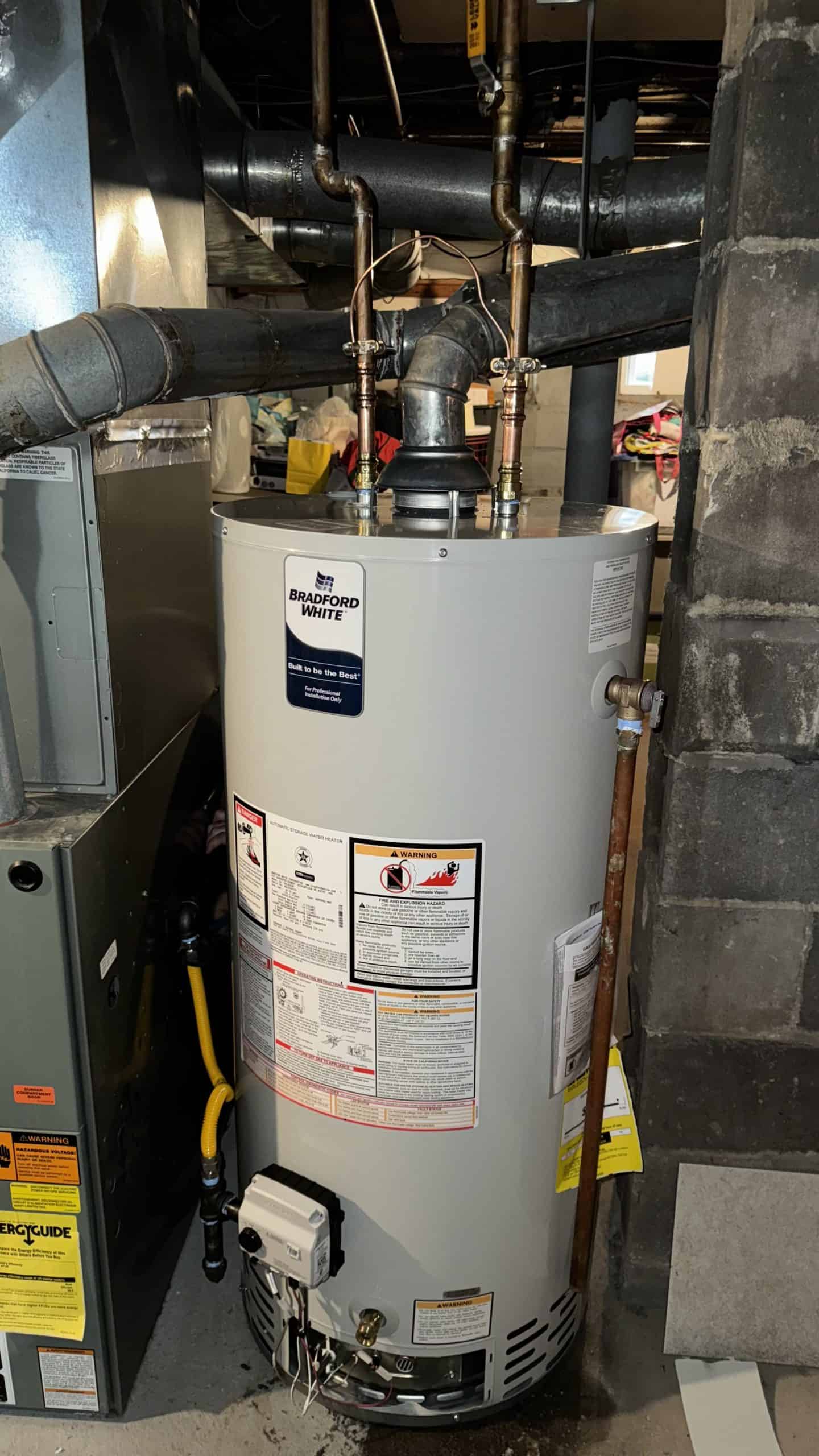
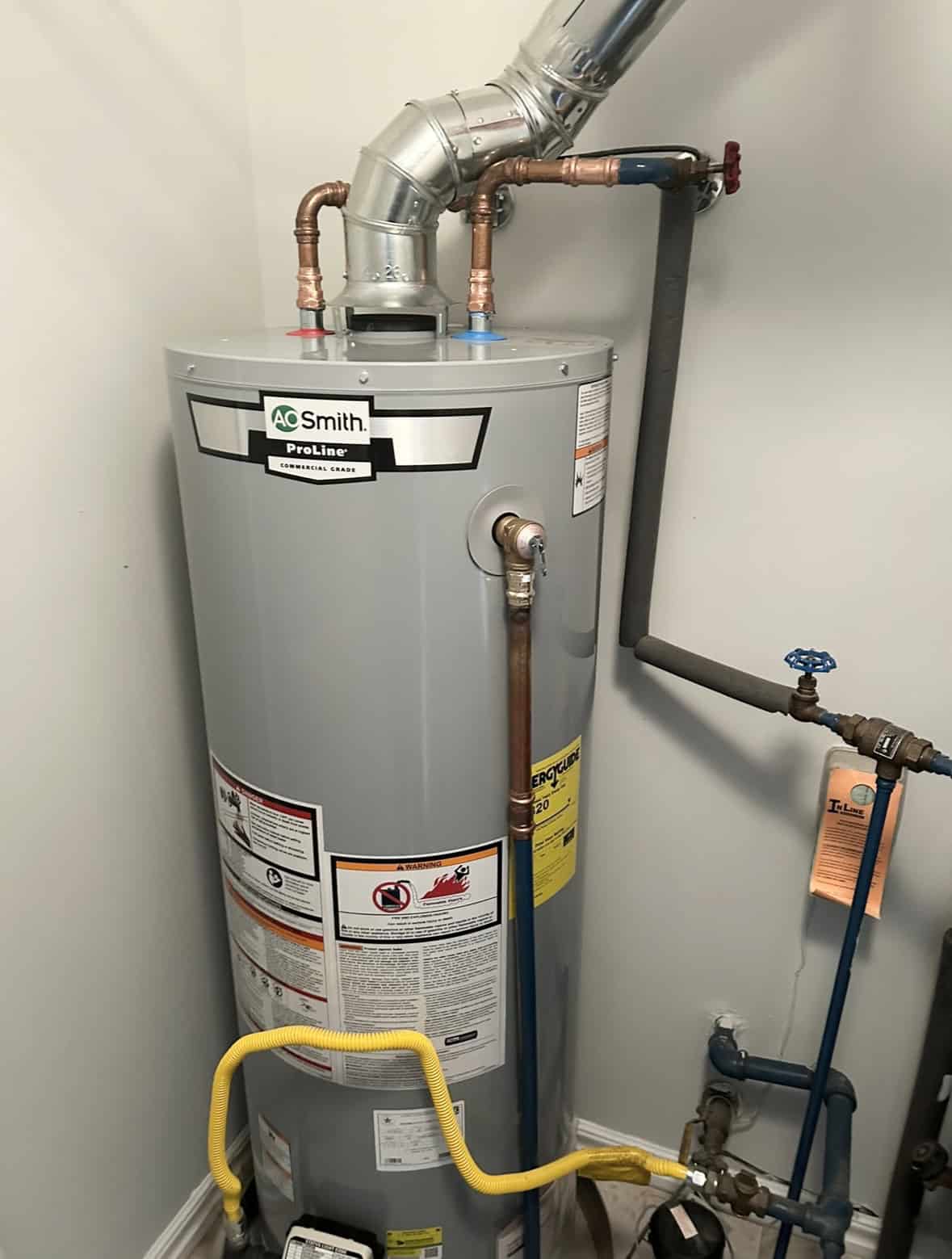
Traditional tank water heaters cost $600 to $2,500 installed for most Monmouth County homes. Tankless systems run $1,400 to $5,600. Heat pump water heaters land between $1,500 and $3,000. These ranges reflect both the equipment and professional installation.
Labor accounts for 30 to 50 percent of your total cost. A straightforward tank-to-tank swap in an accessible location takes 2 to 4 hours. Converting from tank to tankless, upgrading electrical systems, or working in tight spaces pushes that number higher and adds to your labor costs.
Not all water heater replacement quotes cover the same work. A complete quote breaks down the unit cost, labor, materials, permits, disposal fees, and any modifications to your existing setup. When a quote seems unusually low, ask what’s not included—you don’t want surprises halfway through the job.
The water heater itself is your biggest line item. Tank models range from budget options around $400 to premium units over $2,000. Tankless water heaters start around $1,000 and climb to $4,000 or more for high-capacity models. Heat pump water heaters typically cost $1,200 to $2,500 for the unit alone. Brand matters here—well-known manufacturers with strong warranties cost more upfront but often deliver better reliability and easier parts availability.
Materials and supplies add up. You need connectors, pipes, valves, expansion tanks, and possibly new venting components. These supplies typically run $100 to $400 depending on what your installation requires. If you’re converting from one fuel type to another or upgrading to a tankless system, material costs climb higher.
Permits in New Jersey municipalities run $50 to $500. Your installer should handle the permit process, but confirm this upfront. Skipping permits isn’t worth the risk—unpermitted work causes problems when you sell, can void insurance coverage if something goes wrong, and leaves you with no recourse if installation isn’t done correctly.
Disposal of your old water heater typically runs $75 to $500 depending on whether you’ve prepped it or the contractor handles everything. Most professional installations include removal and disposal, but confirm this upfront. You don’t want to discover your old unit is sitting in your driveway and it’s now your problem.
Code compliance upgrades catch people off guard. If your existing setup doesn’t meet current plumbing, electrical, or venting codes, bringing everything up to standard adds $75 to $500 or more. Inspectors won’t sign off on your new water heater if the surrounding infrastructure violates code. In coastal Monmouth County, salt air corrosion sometimes means replacing corroded pipes and fittings before the new unit can be safely connected.
The tank versus tankless decision significantly impacts your upfront cost and long-term expenses. Traditional tank water heaters store 40 to 80 gallons of hot water in an insulated tank. They cost less initially—$600 to $2,500 installed—and installation is straightforward since most homes are already set up for them.
Tankless water heaters heat water on demand as it flows through the unit. They cost more upfront—$1,400 to $5,600 installed—but they last longer and use less energy. The higher installation cost comes from the unit itself ($1,000 to $3,000) plus more complex installation that may require upgrading your gas line, adding new venting, or upgrading your electrical panel for electric models.
Energy efficiency is where tankless systems make up ground. They’re 24 to 34 percent more efficient for households using 41 gallons or less of hot water daily. For homes using around 86 gallons per day, they’re still 8 to 14 percent more efficient. This translates to $75 to $150 in annual savings compared to traditional tanks.
The payback period matters. Tankless water heaters typically take 10 to 15 years to pay back their higher cost through energy savings. If you’re planning to stay in your home long-term, the investment makes sense. If you’re selling soon, a traditional tank might be the smarter financial move.
Lifespan is another consideration. Traditional tank water heaters last 8 to 12 years on average. Tankless systems last 15 to 20 years with proper maintenance—nearly double the lifespan. In Monmouth County’s coastal environment, salt air can reduce these numbers, making regular maintenance even more important.
Space requirements differ too. Tank water heaters need floor space for the unit itself plus clearance around it. Tankless units mount on walls and take up minimal space, which matters if you’re tight on room in your basement or utility area.
When your hot water stops working, the first question is whether you need a repair or full replacement. The answer depends on your unit’s age, the specific problem, and repair costs relative to replacement.
The 50 percent rule helps guide this decision. If the repair cost exceeds 50 percent of what you’d pay for a new installation, replacement typically makes more sense. A $600 repair on a unit that would cost $1,200 to replace isn’t a good investment, especially if the unit is already aging.
Age is the most important factor. If your water heater is under 6 to 8 years old, shows no signs of tank corrosion or structural leaks, and repair costs fall well below 50 percent of replacement, fixing it makes sense. Units over 10 years old are approaching the end of their expected lifespan and repairs often just delay the inevitable.
When your hot water heater stops heating water, several issues could be the culprit. Understanding what’s fixable versus what signals replacement time helps you make better decisions.
Thermostat failure is the most common cause of complete hot water loss. Electric water heaters have two thermostats—upper and lower. If the upper thermostat fails, neither heating element gets power and you get zero hot water. On electric units, replacing a thermostat is straightforward and relatively inexpensive. For gas water heaters, the entire gas valve assembly needs replacement since the thermostat isn’t sold separately.
Heating element failure affects electric water heaters. Elements corrode or wear out over time, causing insufficient hot water or no hot water at all. Replacing heating elements costs $200 to $400 depending on your unit. If your water heater is relatively young, this repair makes sense. On units over 10 years old, element failure often indicates other problems brewing.
Pilot light issues affect gas water heaters. If the pilot won’t stay lit, the problem could be a faulty thermocouple, thermopile, or pilot assembly. These repairs typically cost $150 to $300. However, if your gas valve is failing, replacement becomes more expensive and may not be worth it on older units.
Sediment buildup reduces efficiency and causes strange noises—popping, rumbling, or banging sounds. Flushing the tank removes sediment and can restore performance on younger units. But heavy sediment buildup in an older unit usually signals that the tank’s structural integrity is compromised. At that point, you’re better off replacing rather than trying to extend the life of a failing system.
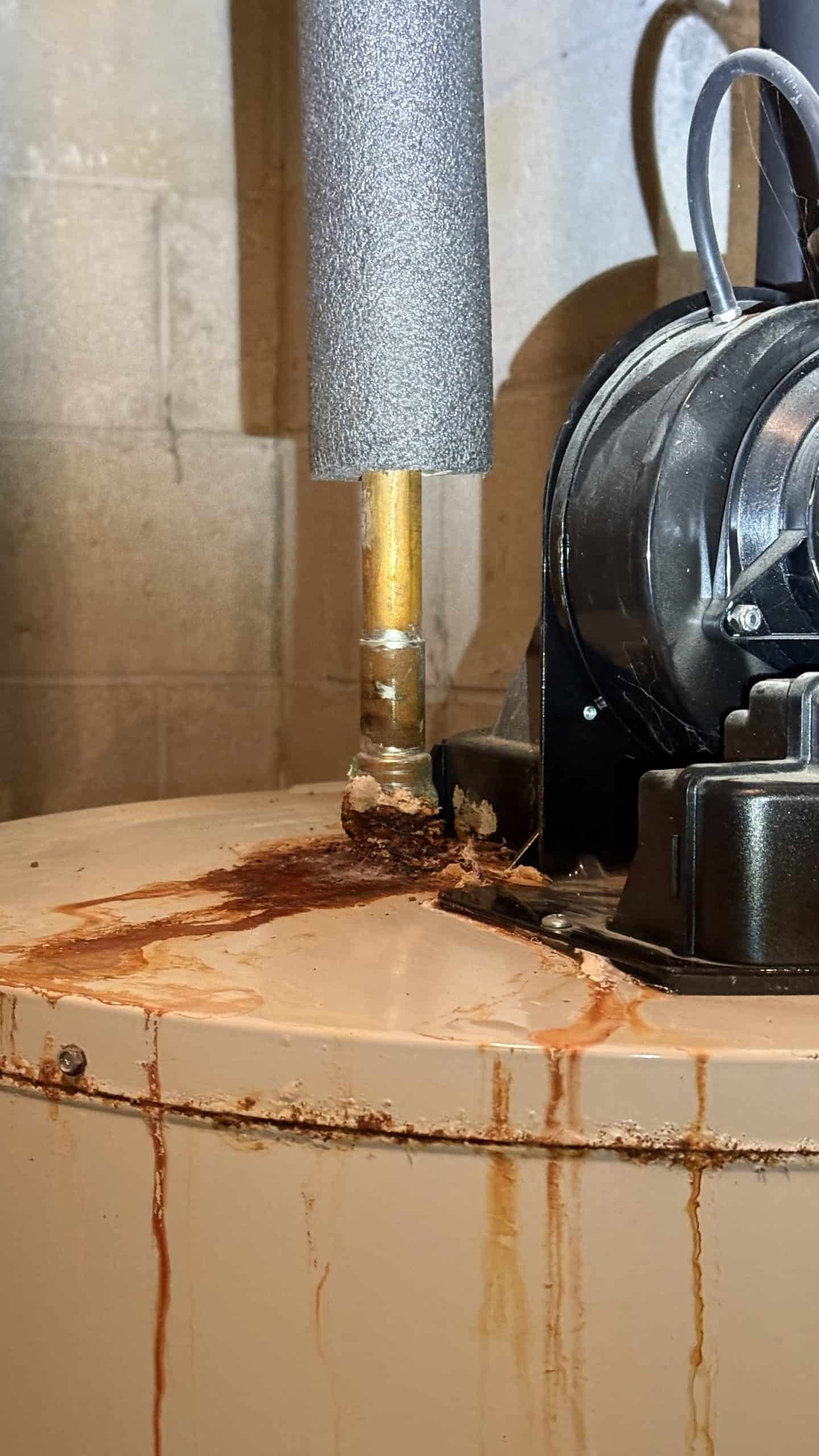
Leaks are the clearest replacement signal. Water leaking from the base of the tank indicates internal failure. The tank itself has corroded through, and there’s no repair for that. Leaks from valves, connections, or the pressure relief valve might be fixable, but tank leaks mean replacement is your only option.
Rusty or discolored water coming from your hot water tap signals internal tank corrosion. Once rust starts inside the tank, it’s a countdown to failure. You might have weeks or months, but replacement is inevitable. Don’t invest in other repairs if you’re seeing rusty water—put that money toward a new unit.
Understanding water heater life expectancy helps you plan ahead instead of dealing with emergency failures. Traditional tank water heaters last 8 to 12 years on average. Tankless water heaters last 15 to 20 years with proper care. These numbers assume regular maintenance and normal water conditions.
Monmouth County’s coastal environment affects lifespan. Saltwater air accelerates corrosion on water heater components, especially the tank, connections, and heating elements. Humid coastal conditions promote rust and mineral buildup inside the tank. If you’re near the coast, expect your water heater to trend toward the lower end of the lifespan range.
Hard water shortens equipment life. New Jersey has areas with hard water that contains high mineral content. These minerals settle in the tank and on heating elements, reducing efficiency and causing premature failure. Annual tank flushing helps, but hard water still takes its toll over time.
The manufacture date tells you how old your unit actually is. Most water heaters encode the manufacture date in the serial number. If you can’t decode it, a quick online search of your brand’s serial number format usually provides the answer. Once you know the age, you can make better decisions about repair versus replacement.
Warning signs that replacement is coming include inconsistent water temperature, water running out faster than it used to, strange noises that persist after flushing the tank, visible rust or corrosion on the unit, moisture or small leaks around the base, and higher energy bills without increased usage.
If your water heater is approaching 10 years old and showing any of these signs, start planning for replacement. You’ll have time to research options, compare quotes, and potentially take advantage of promotions or financing. Waiting until complete failure forces rushed decisions and eliminates your negotiating position.
Proactive replacement before failure gives you control over timing and costs. You can schedule installation during slower seasons when contractors may offer better rates. You avoid emergency service fees. You can properly research energy-efficient options and available rebates. And you eliminate the stress of dealing with no hot water while you wait for service.
Water heater replacement costs in Monmouth County, NJ range from $600 for basic tank models to $5,600 for tankless systems, with most homeowners paying between $1,200 and $3,000 for a complete installation. Understanding what drives these costs—unit type, labor, permits, disposal, and code compliance—helps you budget accurately and avoid surprise expenses.
The repair versus replace decision comes down to age and cost. Units under 8 years old with minor issues are usually worth repairing. Units over 10 years old, especially with tank corrosion or major component failures, are better candidates for replacement. When repair costs exceed 50 percent of replacement cost, replacement makes financial sense.
If you’re facing a water heater failure or planning ahead for replacement, we provide transparent pricing, emergency water heater repair services available 24/7, and same-day installation capability for Monmouth and Ocean County homes. With upfront pricing, 0% financing options, and expertise in coastal New Jersey’s unique challenges, we can get your hot water restored quickly without the stress of hidden fees or extended delays.
Article details:
Share:
Continue learning: