Summary:
Why Your Furnace Is Blowing Cold Air Instead of Heat
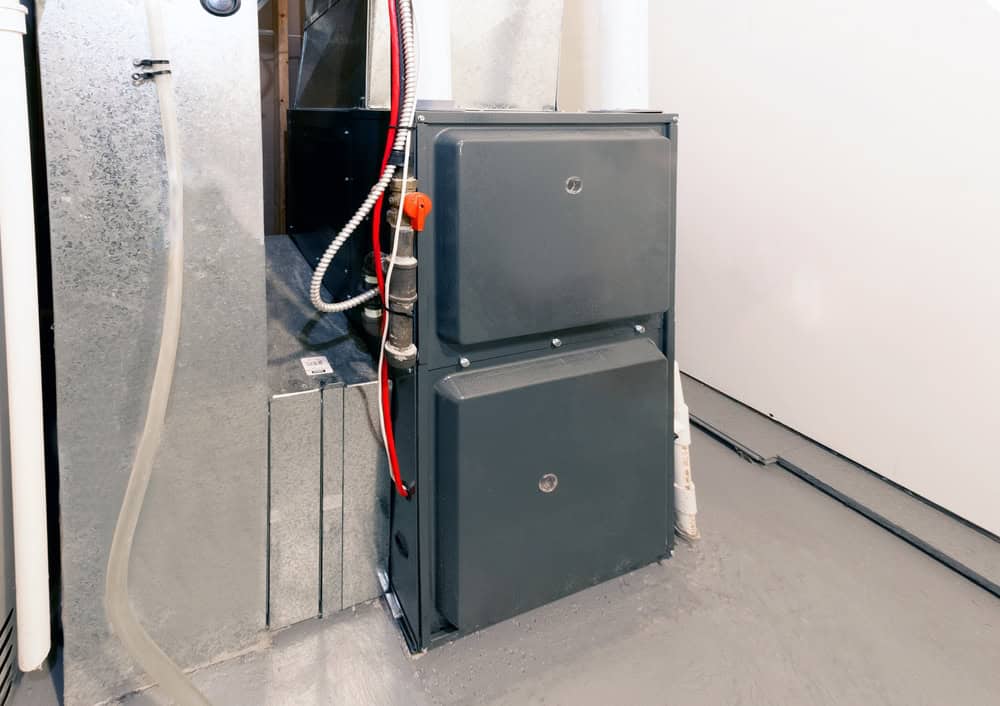
When your furnace kicks on but delivers cold air instead of warmth, it’s typically because something is preventing the heating process from completing properly. Your furnace might be running through its cycle, but the burners aren’t igniting, or safety features have shut down the heating elements.
Understanding this helps you approach the problem methodically. The blower fan may still be working—that’s why you feel air from the vents—but the actual heating components have stopped functioning for a specific reason.
Check Your Thermostat Settings First
Before you assume something’s seriously wrong with your furnace, take a close look at your thermostat. This is the most common cause of cold air complaints, and it’s the easiest to fix.
First, make sure your thermostat is set to “Heat” mode, not “Cool” or “Off.” It sounds obvious, but after months of running air conditioning, it’s easy to forget to switch modes when the weather turns cold.
Next, check the fan setting. If it’s set to “On,” your blower will run constantly, even when the furnace isn’t actively heating. This means you’ll get room-temperature air between heating cycles, which feels cold compared to what you expect. Switch the fan setting to “Auto” so it only runs when the furnace is actually producing heat.
Finally, verify your temperature setting is higher than the current room temperature. If your thermostat reads 68 degrees and you’ve set it to 70, but it’s still blowing cold air, then you know the issue goes beyond settings.
Don’t forget about thermostat batteries if you have a battery-powered model. Weak batteries can cause erratic behavior even before they die completely.
When Dirty Air Filters Cause Cold Air Problems
A clogged air filter is the second most common reason furnaces blow cold air, and it’s more serious than a thermostat setting issue. When your filter gets packed with dust, pet hair, and debris, it restricts airflow through your system.
Here’s what happens: your furnace tries to pull air through the clogged filter, but can’t get enough airflow. This causes the heat exchanger to overheat quickly. When temperatures get too high, a safety device called the high limit switch automatically shuts off the burners to prevent damage or fire.
The blower fan keeps running to cool down the system, but now it’s just pushing unheated air through your home. You might notice this happens in cycles—the furnace starts up, runs for a few minutes, then the air turns cold again.
Check your filter location (usually near the blower or in a return air grille) and look at its condition. If it’s gray, packed with debris, or you can’t see through it when held up to light, it needs immediate replacement.
Most filters should be changed every 1-3 months during heating season, but homes with pets, allergies, or dusty conditions may need more frequent changes. In Monmouth County’s humid climate, filters can clog faster due to increased moisture in the air.
Mechanical Issues That Stop Heat Production
When thermostat settings and air filters aren’t the problem, you’re likely dealing with a mechanical issue that’s preventing your furnace from producing heat. These problems typically require professional diagnosis and repair, but understanding them helps you communicate effectively with your HVAC technician.
The most common mechanical causes involve the ignition system, flame detection, or gas supply. Each of these systems must work perfectly for your furnace to heat properly.
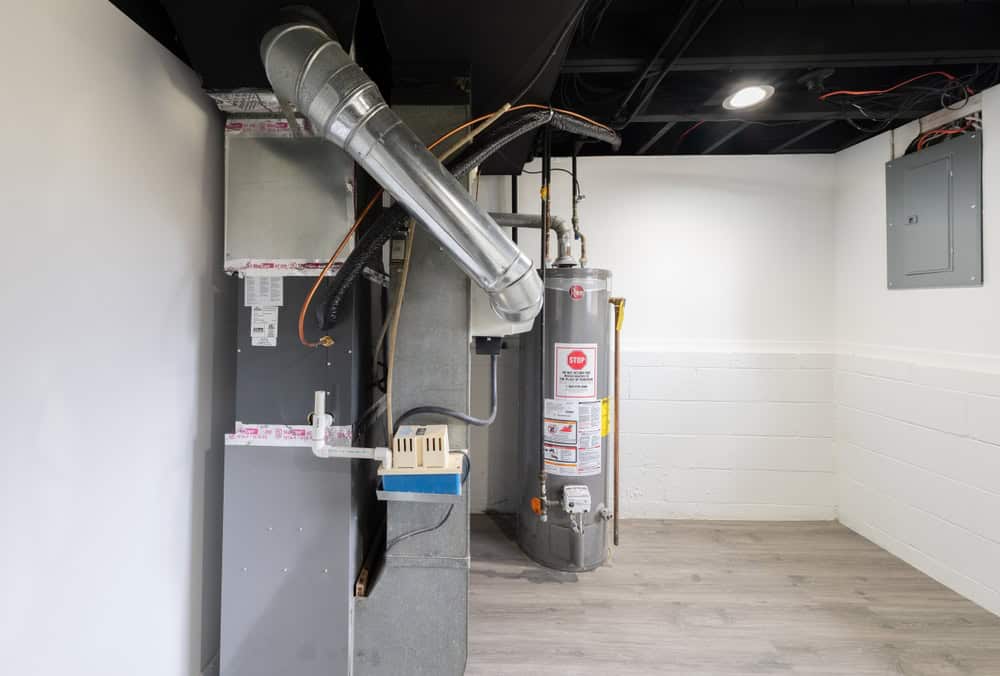
Pilot Light and Ignition System Problems
If you have an older furnace (typically 15+ years old), it may use a pilot light system. This small, constantly burning flame ignites the main burners when heat is needed. If the pilot light goes out, your furnace can’t produce heat, even though the blower will still run.
You can usually see the pilot light through a small window on your furnace. If there’s no flame, or if the flame is yellow instead of blue, you have a problem. Sometimes you can relight it following the manufacturer’s instructions, but if it keeps going out, there’s likely an underlying issue with the thermocouple or gas supply.
Newer furnaces use electronic ignition systems instead of pilot lights. These systems use either a hot surface igniter or an intermittent pilot that only lights when needed. When these components fail, they simply can’t ignite the gas, leaving you with cold air.
Hot surface igniters can crack over time, especially if they’ve been through many heating cycles. Intermittent pilot systems can have issues with their control modules or spark electrodes. Both problems typically require professional replacement.
Signs of ignition problems include hearing your furnace try to start multiple times before giving up, or seeing error codes on newer furnaces with digital displays.
Flame Sensor Issues and Safety Shutdowns
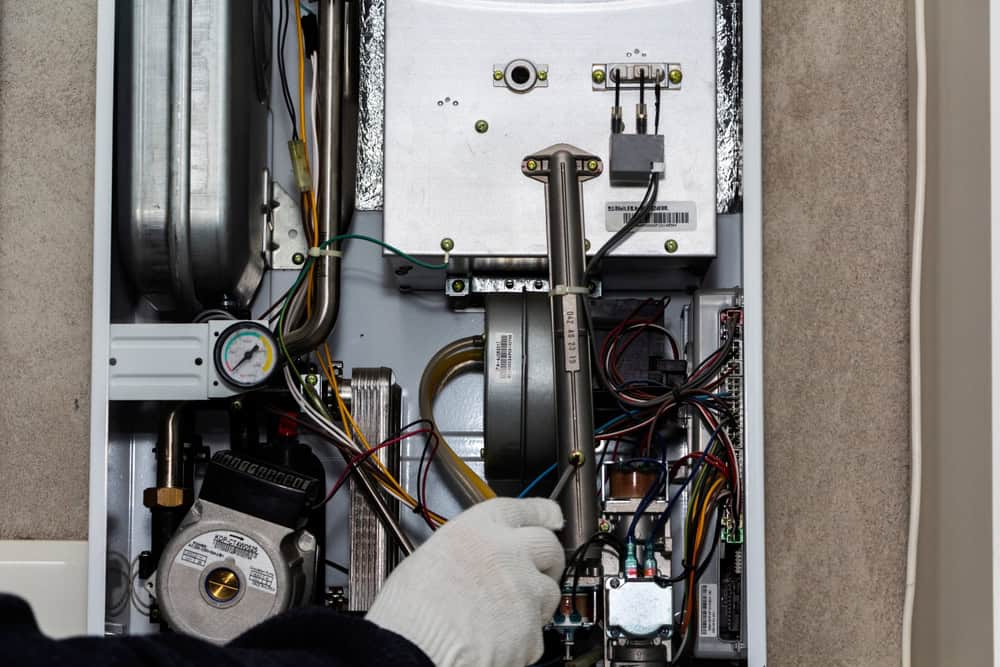
Modern furnaces have a crucial safety component called a flame sensor (or flame rod) that detects whether the burners are actually lit after ignition. This small metal probe sits in the flame and sends a signal to the control board confirming combustion is occurring.
Over time, flame sensors accumulate soot and carbon buildup, which insulates them from properly detecting the flame. When this happens, your furnace will light the burners, but after a few seconds, the flame sensor can’t “see” the fire, so the system shuts down the gas as a safety precaution.
You might notice this pattern: the furnace starts up, you hear the burners ignite, but within 10-30 seconds everything shuts off except the blower fan. This cycle may repeat several times before the system locks out completely.
Flame sensors can sometimes be cleaned, but the process requires removing them from the furnace and using specific techniques to avoid damage. Many homeowners prefer having a technician handle this, as improper cleaning can make the problem worse.
Other safety systems can also cause similar shutdowns. High limit switches, pressure switches, and condensate overflow switches all monitor different aspects of furnace operation. When they detect unsafe conditions, they shut down heating while leaving the blower running, resulting in cold air from your vents.
When to Call Professional Furnace Repair in Monmouth & Ocean County, NJ
While checking thermostat settings and replacing air filters are straightforward DIY tasks, most other furnace problems require professional expertise. Gas appliances involve safety risks that make professional service the smart choice.
Call for professional help if you’ve checked the obvious causes and still have cold air, if you smell gas around your furnace, or if you’re not comfortable working with gas appliances. Experienced technicians can quickly diagnose complex issues like flame sensor problems, gas valve failures, or control board malfunctions.
For reliable furnace repair in Monmouth & Ocean County, NJ, we provide 24/7 emergency service with upfront pricing and no hidden fees. Our licensed technicians understand the unique challenges of heating systems in coastal New Jersey and can restore your comfort quickly and safely.