Servicing Areas Throughout New Jersey

What to Look for When Hiring the Best HVAC Company for Your New Jersey Property

Not all HVAC contractors in New Jersey are created equal. Here's what you actually need to check before letting anyone touch your heating or cooling system.

Share:

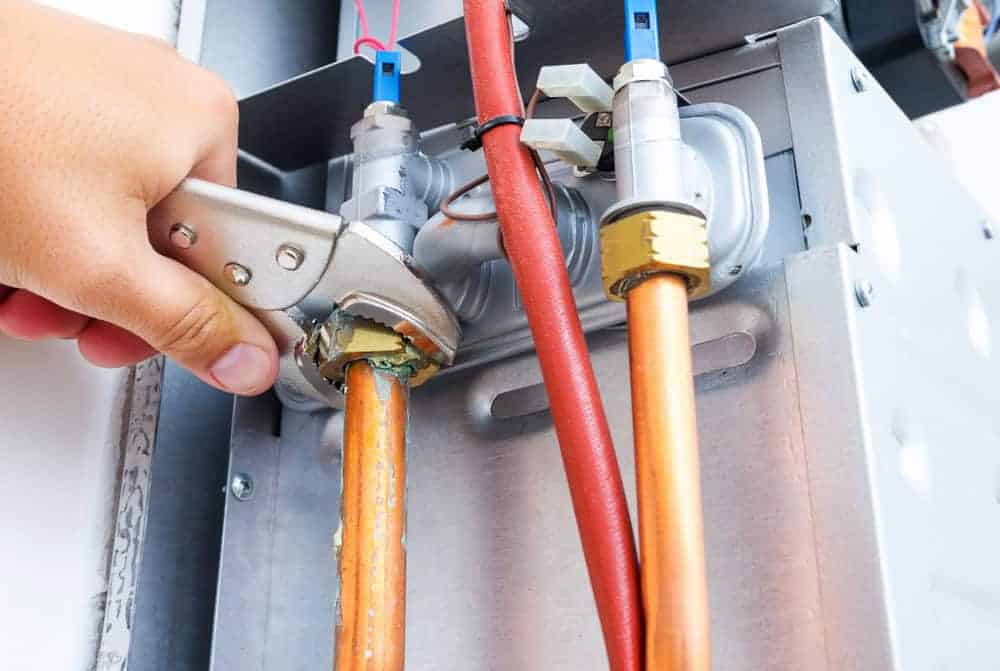
Close‑up of a hand using a wrench to tighten copper pipes connected to a metal unit with insulated lines.

Summary:

Choosing the right HVAC company in Monmouth, Ocean, or Middlesex County isn’t just about finding someone available. It’s about protecting your home, your budget, and your family’s comfort. This guide walks you through the real credentials that matter, the red flags that signal trouble, and the questions that separate honest contractors from those looking to upsell you. Whether you’re facing an emergency repair or planning a system replacement, you’ll know exactly what to look for.
Table of contents
Your furnace quits on the coldest night of the year. Your AC dies during a July heatwave. Suddenly, you’re searching for an HVAC contractor, and you need one fast. But here’s the problem: not every company that shows up is qualified, honest, or even properly licensed. Some will overcharge you. Others will recommend replacements when a simple repair would do. A few might not be insured at all. This guide cuts through the noise and shows you exactly what matters when hiring an HVAC company in Monmouth County, Ocean County, or Middlesex County. You’ll learn which credentials actually protect you, which questions expose bad contractors, and how to spot the difference between a fair price and a scam.

Why Licensing and Insurance Actually Matter for HVAC Contractors

You’ve probably seen “licensed and insured” on every HVAC company’s website. It sounds like standard marketing language, but in New Jersey, it’s the first line of defense between you and serious financial risk.

New Jersey requires all HVAC contractors to hold a state-issued license, which means they’ve completed apprenticeship training, passed rigorous exams, and demonstrated they understand heating and cooling systems. Without that license, they can’t legally pull permits for installations or replacements. If something goes wrong with unpermitted work, your homeowner’s insurance might not cover the damage.

Insurance matters just as much. A licensed HVAC contractor in New Jersey must carry general liability insurance (at least $500,000) and workers’ compensation coverage. If a technician gets injured on your property or accidentally damages your home during a repair, that insurance protects you from being held financially responsible.

A technician in glasses and a gray shirt is repairing a furnace, meticulously adjusting components inside the open metal panel. Reminiscent of sewer line repair, he navigates through various colored wires and parts with precision.

How to Verify an HVAC Contractor's Credentials in New Jersey

Don’t just take a contractor’s word for it. New Jersey makes it easy to verify credentials, and it takes less than five minutes.

Start by asking for their license number. Every legitimate HVAC company will have one, and they should be willing to share it without hesitation. You can verify that license through New Jersey’s Division of Consumer Affairs website. Check that the license is active, not expired or suspended.

Next, ask for proof of insurance. A reputable contractor will provide you with a certificate of insurance that shows both general liability and workers’ compensation coverage. If they hesitate or say they’ll send it later, that’s a red flag. Call the insurance company listed on the certificate to confirm the policy is current.

Look for additional certifications too. NATE certification (North American Technician Excellence) is the HVAC industry’s highest credential. It’s not required by law, but it shows a contractor has gone beyond the minimum and invested in ongoing training. Contractors who are certified by major manufacturers like Carrier, Lennox, or Rheem have received specialized training on those brands, which can matter if you’re installing new equipment.

If a contractor can’t or won’t provide these documents, walk away. There are too many qualified HVAC companies in Monmouth County, Ocean County, and Middlesex County to risk hiring someone who operates in the shadows. The few minutes you spend verifying credentials could save you thousands in repairs, legal fees, or insurance headaches down the road.

What New Jersey Homeowners Need to Know About HVAC Permits

Here’s something most homeowners don’t realize until it’s too late: many HVAC installations and replacements require permits in New Jersey. If your contractor skips this step, you could face fines, failed home inspections, or problems when you try to sell your property.

Permits aren’t just bureaucratic paperwork. They ensure that work meets local building codes and safety standards. When a licensed contractor pulls a permit, a municipal inspector reviews the installation to confirm everything was done correctly. That inspection protects you. It catches issues like improper electrical connections, incorrect refrigerant handling, or ductwork that doesn’t meet code.

Some contractors skip permits to save time or avoid scrutiny. Others aren’t licensed to pull them in the first place. Either way, it puts you at risk. If the work isn’t permitted and something goes wrong—a fire caused by faulty wiring, carbon monoxide leaks from improper venting—your insurance company might deny your claim.

Ask your contractor directly: will this job require a permit? If they say no, double-check with your local building department. If they say yes, ask to see a copy of the permit application and the final inspection report when the work is complete.

In older New Jersey homes, especially those built before 1970, HVAC work often involves modifications to electrical panels, gas lines, or ductwork. These changes almost always require permits. A contractor who tries to talk you out of permits or says “nobody really does that anymore” is either cutting corners or doesn’t understand local codes. Either way, you don’t want them working on your system.

The right HVAC company will handle permits as part of the job. We factor the cost into our estimates, coordinate with inspectors, and make sure everything passes. It might add a day or two to the timeline, but it’s worth it for the peace of mind and legal protection it provides.

Red Flags That Signal an HVAC Scam or Unqualified Contractor

Not every HVAC contractor is trying to scam you, but enough of them are that you need to know what to watch for. Some red flags are obvious. Others are subtle tactics designed to pressure you into decisions before you have time to think.

The biggest warning sign is a contractor who demands full payment upfront. Legitimate HVAC companies don’t operate this way. They might ask for a deposit to cover materials—usually 10 to 20 percent—but they don’t expect the balance until the work is done and you’re satisfied. Contractors who insist on cash-only payments or full payment before they start are either planning to disappear or deliver subpar work with no accountability.
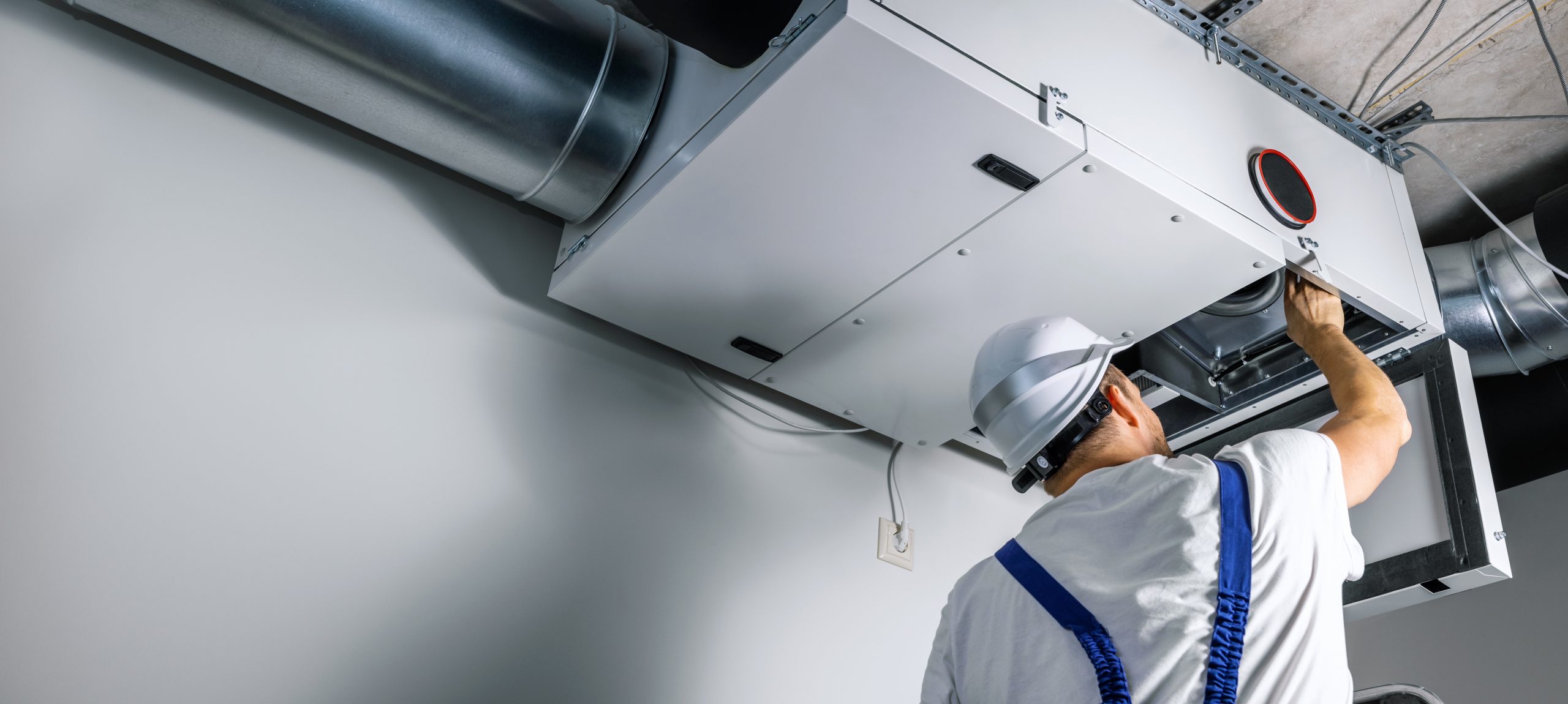
A worker in a hard hat and overalls adjusts an HVAC ventilation system. He is standing on a ladder, facing the unit, with various pipes and ducts visible against a white wall.

How to Spot Pressure Tactics and Unnecessary Upselling

High-pressure sales tactics are another major red flag. If a contractor tells you that your system is about to fail, that you’re in immediate danger, or that a special price expires today, take a step back. Honest HVAC companies don’t operate on manufactured urgency.

A common scam involves exaggerating the severity of problems. A technician might claim your heat exchanger is cracked and leaking carbon monoxide, even though it’s fine. They might say your refrigerant is “banned” and you need a full system replacement, when in reality the refrigerant is still available and a simple repair would solve the issue. If a diagnosis sounds extreme or the recommended solution seems disproportionate to the problem, get a second opinion.

Watch out for contractors who immediately recommend replacing your entire system without performing a thorough inspection. A legitimate diagnosis takes time. The technician should check refrigerant levels, inspect electrical components, test airflow, and examine the condition of major parts. If they walk in, glance at your unit, and start talking about replacement costs, they’re not diagnosing—they’re selling.

Be skeptical of “free inspections” or deals that seem too good to be true. Some contractors use these offers as a foot in the door, then find phantom problems to upsell you on expensive repairs. Others quote an impossibly low price to win the job, then add hidden fees and surprise charges once the work begins.

If a contractor won’t provide a written estimate, that’s a dealbreaker. Verbal quotes leave you with no recourse if the final bill is twice what you expected. A detailed, itemized estimate should include labor costs, parts, any necessary permits, and a clear timeline. If a contractor says they’ll “figure it out as they go” or gives you a vague range instead of a firm number, find someone else.

Another red flag is a contractor who can’t or won’t provide references. Reputable HVAC companies have satisfied customers who are willing to vouch for their work. If a contractor deflects when you ask for references, or if the references they provide sound scripted, trust your instincts. Check online reviews on Google, Yelp, and the Better Business Bureau. Look for patterns—one bad review might be an outlier, but multiple complaints about hidden fees, no-shows, or shoddy work are serious warning signs.

Common HVAC Scams Targeting New Jersey Homeowners

Certain scams are especially common in New Jersey, and knowing them ahead of time can save you thousands. One of the most frequent is the refrigerant scam. A technician tells you your system is low on refrigerant and needs a recharge. That might be true, but here’s what they’re not telling you: refrigerant doesn’t just run out. If it’s low, there’s a leak. Simply adding more refrigerant without fixing the leak is a temporary fix that will cost you again in a few months.

Honest contractors will locate the leak, repair it, and then recharge the system. Dishonest ones will skip the repair, charge you for refrigerant (sometimes more than they actually use), and hope you call them back next season. If a contractor recommends a refrigerant recharge, ask them where the leak is and how they plan to fix it. If they can’t answer, you’re being scammed.

Another common tactic is claiming that multiple parts need to be replaced. In most cases, one faulty component is causing the problem. If a technician starts listing off three, four, or five parts that all need replacing, it’s worth getting a second opinion. They might be legitimate, but more often, they’re inflating the bill.

Some contractors will also push oversized HVAC systems on you, claiming that bigger is better. It’s not. An oversized system will cool or heat your home too quickly, leading to short cycling, higher energy bills, and premature wear. Proper HVAC sizing requires a Manual J load calculation, which takes into account your home’s square footage, insulation, number of windows, and local climate. If a contractor recommends a system size without doing this calculation, they’re guessing—and you’ll pay for it in the long run.

Finally, watch out for contractors who show up without branded vehicles or uniforms. Legitimate HVAC companies invest in their brand and their reputation. If someone pulls up in an unmarked van with no company logo, no uniform, and no professional appearance, it’s a sign they might not be running a legitimate business. They might be unlicensed, uninsured, or both.

Finding a Reliable HVAC Company in Monmouth, Ocean, and Middlesex County

Hiring an HVAC contractor doesn’t have to be stressful if you know what to look for. Start by verifying credentials—license, insurance, and certifications. Get everything in writing, from estimates to warranties. Ask questions, especially if something doesn’t make sense. And trust your instincts. If a contractor makes you uncomfortable, pressures you, or won’t provide documentation, move on.

New Jersey has plenty of qualified HVAC companies that do honest work at fair prices. You don’t have to settle for the first one you find or the one with the flashiest ad. Take the time to vet your options, and you’ll end up with a contractor you can trust for years to come.

When you’re ready to work with a team that puts transparency and quality first, we’re here to help. At AME Plumbing Heating and Cooling, we’re locally owned, fully licensed and insured, and committed to keeping your home comfortable without the runaround.
Summary:

Choosing the right HVAC company in Monmouth, Ocean, or Middlesex County isn’t just about finding someone available. It’s about protecting your home, your budget, and your family’s comfort. This guide walks you through the real credentials that matter, the red flags that signal trouble, and the questions that separate honest contractors from those looking to upsell you. Whether you’re facing an emergency repair or planning a system replacement, you’ll know exactly what to look for.
Table of contents
Your furnace quits on the coldest night of the year. Your AC dies during a July heatwave. Suddenly, you’re searching for an HVAC contractor, and you need one fast. But here’s the problem: not every company that shows up is qualified, honest, or even properly licensed. Some will overcharge you. Others will recommend replacements when a simple repair would do. A few might not be insured at all. This guide cuts through the noise and shows you exactly what matters when hiring an HVAC company in Monmouth County, Ocean County, or Middlesex County. You’ll learn which credentials actually protect you, which questions expose bad contractors, and how to spot the difference between a fair price and a scam.

Why Licensing and Insurance Actually Matter for HVAC Contractors

You’ve probably seen “licensed and insured” on every HVAC company’s website. It sounds like standard marketing language, but in New Jersey, it’s the first line of defense between you and serious financial risk.

New Jersey requires all HVAC contractors to hold a state-issued license, which means they’ve completed apprenticeship training, passed rigorous exams, and demonstrated they understand heating and cooling systems. Without that license, they can’t legally pull permits for installations or replacements. If something goes wrong with unpermitted work, your homeowner’s insurance might not cover the damage.

Insurance matters just as much. A licensed HVAC contractor in New Jersey must carry general liability insurance (at least $500,000) and workers’ compensation coverage. If a technician gets injured on your property or accidentally damages your home during a repair, that insurance protects you from being held financially responsible.

A technician in glasses and a gray shirt is repairing a furnace, meticulously adjusting components inside the open metal panel. Reminiscent of sewer line repair, he navigates through various colored wires and parts with precision.

How to Verify an HVAC Contractor's Credentials in New Jersey

Don’t just take a contractor’s word for it. New Jersey makes it easy to verify credentials, and it takes less than five minutes.

Start by asking for their license number. Every legitimate HVAC company will have one, and they should be willing to share it without hesitation. You can verify that license through New Jersey’s Division of Consumer Affairs website. Check that the license is active, not expired or suspended.

Next, ask for proof of insurance. A reputable contractor will provide you with a certificate of insurance that shows both general liability and workers’ compensation coverage. If they hesitate or say they’ll send it later, that’s a red flag. Call the insurance company listed on the certificate to confirm the policy is current.

Look for additional certifications too. NATE certification (North American Technician Excellence) is the HVAC industry’s highest credential. It’s not required by law, but it shows a contractor has gone beyond the minimum and invested in ongoing training. Contractors who are certified by major manufacturers like Carrier, Lennox, or Rheem have received specialized training on those brands, which can matter if you’re installing new equipment.

If a contractor can’t or won’t provide these documents, walk away. There are too many qualified HVAC companies in Monmouth County, Ocean County, and Middlesex County to risk hiring someone who operates in the shadows. The few minutes you spend verifying credentials could save you thousands in repairs, legal fees, or insurance headaches down the road.

What New Jersey Homeowners Need to Know About HVAC Permits

Here’s something most homeowners don’t realize until it’s too late: many HVAC installations and replacements require permits in New Jersey. If your contractor skips this step, you could face fines, failed home inspections, or problems when you try to sell your property.

Permits aren’t just bureaucratic paperwork. They ensure that work meets local building codes and safety standards. When a licensed contractor pulls a permit, a municipal inspector reviews the installation to confirm everything was done correctly. That inspection protects you. It catches issues like improper electrical connections, incorrect refrigerant handling, or ductwork that doesn’t meet code.

Some contractors skip permits to save time or avoid scrutiny. Others aren’t licensed to pull them in the first place. Either way, it puts you at risk. If the work isn’t permitted and something goes wrong—a fire caused by faulty wiring, carbon monoxide leaks from improper venting—your insurance company might deny your claim.

Ask your contractor directly: will this job require a permit? If they say no, double-check with your local building department. If they say yes, ask to see a copy of the permit application and the final inspection report when the work is complete.

In older New Jersey homes, especially those built before 1970, HVAC work often involves modifications to electrical panels, gas lines, or ductwork. These changes almost always require permits. A contractor who tries to talk you out of permits or says “nobody really does that anymore” is either cutting corners or doesn’t understand local codes. Either way, you don’t want them working on your system.

The right HVAC company will handle permits as part of the job. We factor the cost into our estimates, coordinate with inspectors, and make sure everything passes. It might add a day or two to the timeline, but it’s worth it for the peace of mind and legal protection it provides.

Red Flags That Signal an HVAC Scam or Unqualified Contractor

Not every HVAC contractor is trying to scam you, but enough of them are that you need to know what to watch for. Some red flags are obvious. Others are subtle tactics designed to pressure you into decisions before you have time to think.

The biggest warning sign is a contractor who demands full payment upfront. Legitimate HVAC companies don’t operate this way. They might ask for a deposit to cover materials—usually 10 to 20 percent—but they don’t expect the balance until the work is done and you’re satisfied. Contractors who insist on cash-only payments or full payment before they start are either planning to disappear or deliver subpar work with no accountability.

A worker in a hard hat and overalls adjusts an HVAC ventilation system. He is standing on a ladder, facing the unit, with various pipes and ducts visible against a white wall.

How to Spot Pressure Tactics and Unnecessary Upselling

High-pressure sales tactics are another major red flag. If a contractor tells you that your system is about to fail, that you’re in immediate danger, or that a special price expires today, take a step back. Honest HVAC companies don’t operate on manufactured urgency.

A common scam involves exaggerating the severity of problems. A technician might claim your heat exchanger is cracked and leaking carbon monoxide, even though it’s fine. They might say your refrigerant is “banned” and you need a full system replacement, when in reality the refrigerant is still available and a simple repair would solve the issue. If a diagnosis sounds extreme or the recommended solution seems disproportionate to the problem, get a second opinion.

Watch out for contractors who immediately recommend replacing your entire system without performing a thorough inspection. A legitimate diagnosis takes time. The technician should check refrigerant levels, inspect electrical components, test airflow, and examine the condition of major parts. If they walk in, glance at your unit, and start talking about replacement costs, they’re not diagnosing—they’re selling.

Be skeptical of “free inspections” or deals that seem too good to be true. Some contractors use these offers as a foot in the door, then find phantom problems to upsell you on expensive repairs. Others quote an impossibly low price to win the job, then add hidden fees and surprise charges once the work begins.

If a contractor won’t provide a written estimate, that’s a dealbreaker. Verbal quotes leave you with no recourse if the final bill is twice what you expected. A detailed, itemized estimate should include labor costs, parts, any necessary permits, and a clear timeline. If a contractor says they’ll “figure it out as they go” or gives you a vague range instead of a firm number, find someone else.

Another red flag is a contractor who can’t or won’t provide references. Reputable HVAC companies have satisfied customers who are willing to vouch for their work. If a contractor deflects when you ask for references, or if the references they provide sound scripted, trust your instincts. Check online reviews on Google, Yelp, and the Better Business Bureau. Look for patterns—one bad review might be an outlier, but multiple complaints about hidden fees, no-shows, or shoddy work are serious warning signs.

Common HVAC Scams Targeting New Jersey Homeowners

Certain scams are especially common in New Jersey, and knowing them ahead of time can save you thousands. One of the most frequent is the refrigerant scam. A technician tells you your system is low on refrigerant and needs a recharge. That might be true, but here’s what they’re not telling you: refrigerant doesn’t just run out. If it’s low, there’s a leak. Simply adding more refrigerant without fixing the leak is a temporary fix that will cost you again in a few months.

Honest contractors will locate the leak, repair it, and then recharge the system. Dishonest ones will skip the repair, charge you for refrigerant (sometimes more than they actually use), and hope you call them back next season. If a contractor recommends a refrigerant recharge, ask them where the leak is and how they plan to fix it. If they can’t answer, you’re being scammed.

Another common tactic is claiming that multiple parts need to be replaced. In most cases, one faulty component is causing the problem. If a technician starts listing off three, four, or five parts that all need replacing, it’s worth getting a second opinion. They might be legitimate, but more often, they’re inflating the bill.

Some contractors will also push oversized HVAC systems on you, claiming that bigger is better. It’s not. An oversized system will cool or heat your home too quickly, leading to short cycling, higher energy bills, and premature wear. Proper HVAC sizing requires a Manual J load calculation, which takes into account your home’s square footage, insulation, number of windows, and local climate. If a contractor recommends a system size without doing this calculation, they’re guessing—and you’ll pay for it in the long run.

Finally, watch out for contractors who show up without branded vehicles or uniforms. Legitimate HVAC companies invest in their brand and their reputation. If someone pulls up in an unmarked van with no company logo, no uniform, and no professional appearance, it’s a sign they might not be running a legitimate business. They might be unlicensed, uninsured, or both.

Finding a Reliable HVAC Company in Monmouth, Ocean, and Middlesex County

Hiring an HVAC contractor doesn’t have to be stressful if you know what to look for. Start by verifying credentials—license, insurance, and certifications. Get everything in writing, from estimates to warranties. Ask questions, especially if something doesn’t make sense. And trust your instincts. If a contractor makes you uncomfortable, pressures you, or won’t provide documentation, move on.

New Jersey has plenty of qualified HVAC companies that do honest work at fair prices. You don’t have to settle for the first one you find or the one with the flashiest ad. Take the time to vet your options, and you’ll end up with a contractor you can trust for years to come.

When you’re ready to work with a team that puts transparency and quality first, we’re here to help. At AME Plumbing Heating and Cooling, we’re locally owned, fully licensed and insured, and committed to keeping your home comfortable without the runaround.

Article details:

Share: