

Servicing Areas Throughout New Jersey

What to Do While You Wait: Steps to Take Before the Emergency Plumber Arrives

Quick actions before your emergency plumber arrives can save thousands in water damage and keep your family safe.

Share:

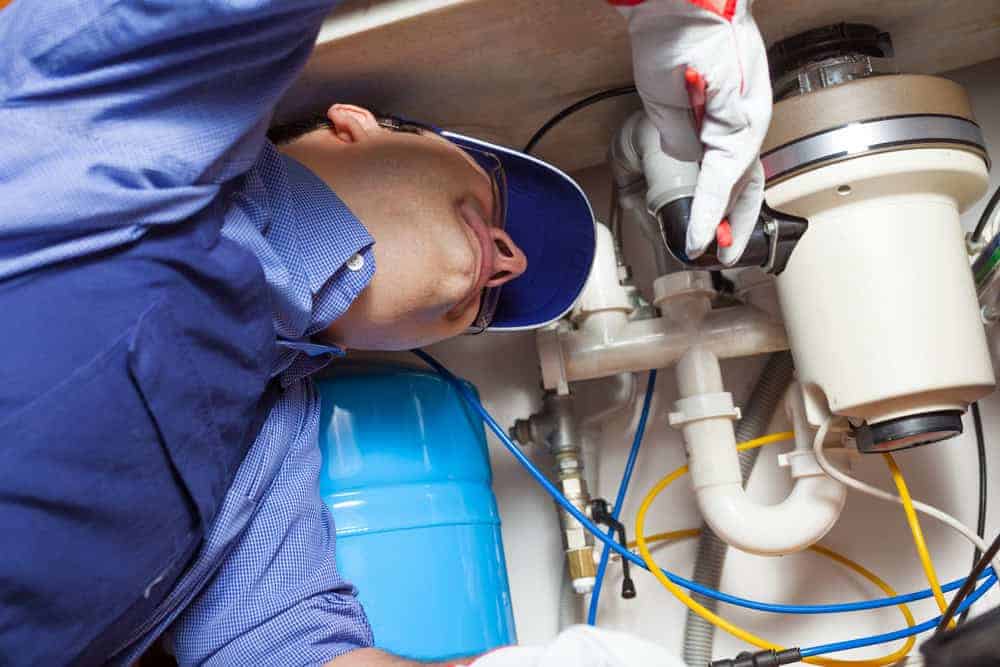
Person working under a sink, using a tool to adjust plumbing pipes and connections near a blue pressure tank.

Summary:

When plumbing emergencies strike, the minutes before professional help arrives are critical. This guide covers essential steps every Monmouth County homeowner should know to minimize damage, protect their property, and ensure safety during plumbing crises. Taking the right immediate actions can mean the difference between a manageable repair and catastrophic water damage. From shutting off water supplies to clearing access areas, these proven strategies help you stay calm and prepared while waiting for emergency plumbing services.
Table of contents
That sinking feeling when you discover water pooling where it shouldn’t be. The panic when you hear that telltale sound of rushing water behind walls. Nearly 30% of plumbing calls are for emergency services like burst pipes or water heater failures, and when it happens to you, every second counts. The good news? You’re not helpless while waiting for professional help. The actions you take in those critical first minutes can save thousands in water damage, protect your family’s safety, and make the repair process faster and more effective. Here’s exactly what you need to do when plumbing disaster strikes your Monmouth County home.

Stop the Water Flow: Your First Priority During Any Plumbing Emergency

When faced with a plumbing emergency, the first step is to locate and shut off the main water valve. This single action often prevents a minor leak from becoming a catastrophic flood.

You can often avoid shutting down the entire home’s water supply if you know where the smaller shutoff valves are located. Under sinks, you’ll find small valves near the pipes, and behind toilets, you’ll usually see a knob near the base. Taking control of the water source immediately limits damage and keeps the problem contained.

The key is acting fast. Those minutes before help arrives can save your home or destroy it, as what starts as a small leak becomes a flooded living room.
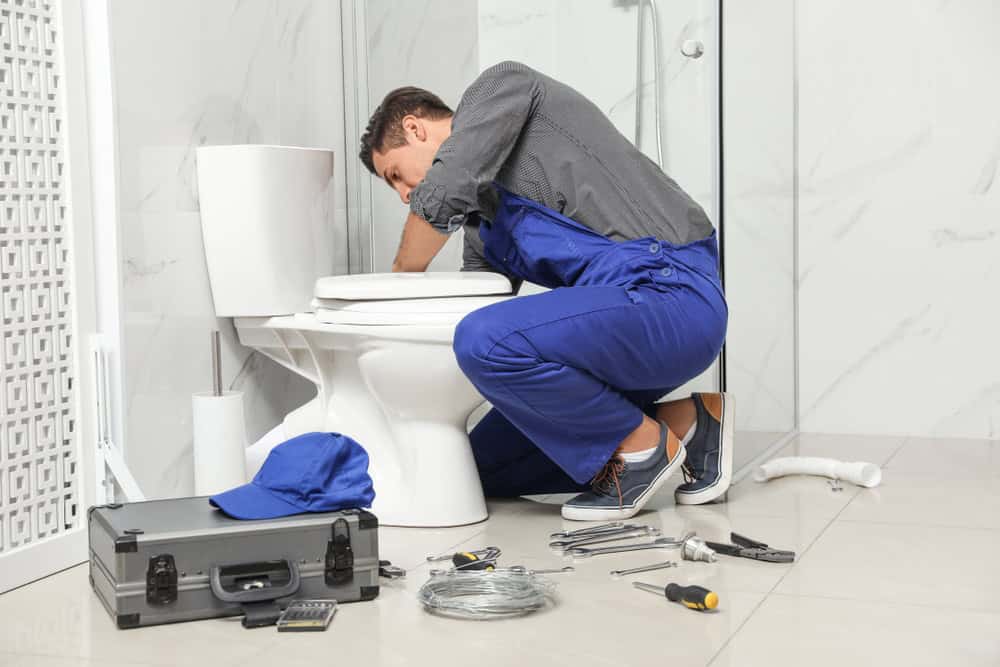
A plumber in blue overalls is kneeling and fixing a toilet in a bathroom. Various tools are scattered on the floor, including wrenches and pliers. A toolbox and a blue cap are nearby.

Finding Your Main Water Shutoff Valve in Monmouth County Homes

The main water valve is usually located near the water meter or where the main water supply enters your home. In Monmouth County, this typically means checking your basement, crawl space, or utility area first.

Most homes have this valve located in the basement or crawl space, usually a few feet from where the main water line enters your house. Look for a wheel-shaped handle or lever valve along the main water line. Turn it clockwise until it stops completely.

If you can’t locate the main valve quickly, don’t waste precious time searching. If you can’t locate the main shut-off valve, then you will need to turn off the water at the valve closest to the leak. Every fixture in your home has its own shutoff valve – use whichever one you can find fastest.

Sometimes people go straight to the main valve, which cuts water to the whole house. That works, but it’s more disruptive. If you know the exact spot to turn off, you can still use water elsewhere in the house.

Once you’ve stopped the flow, you can help minimize leaking by draining the pipes. Open cold taps throughout your house to help move water out of the system, starting with the lowest faucet in your home and working upward.

Remember to document the valve’s location for future reference. Create a list of key shutoff valves and their locations so everyone in the household can respond quickly if needed.

When to Turn Off Your Water Heater During Emergencies

If the plumbing emergency involves hot water or if you’ve shut off your home’s main water supply, turn off your water heater to prevent overheating or pressure buildup. This step is especially critical during burst pipe situations or major leaks.

If you’ve had a leak or burst pipe, especially with hot water, switch off the water heater. If it keeps running while there’s no water coming in, it can overheat and damage the unit. For electric water heaters, turn it off at the circuit breaker. For gas models, use the shut-off valve near the unit.

Water heaters aren’t designed to run dry. When the water supply is interrupted, the heating elements can burn out or the tank can suffer serious damage. If your water heater is part of the issue, shut that down too. The last thing you need is your water heating system continuing to run while water is leaking everywhere.

This precaution protects both your water heater and your safety. Gas water heaters running without water can create dangerous conditions, while electric units can experience element failure that’s expensive to repair.

Don’t forget to drain some pressure from the system afterward. Even after shutting off the water, there’s still pressure in the pipes. Open up faucets throughout your home, especially the lowest one, to let water drain out and ease stress on the system.

Protect Your Property and Ensure Safety While You Wait

Once the water and power are off, shift your focus to containment. Use towels, buckets, or anything else you have on hand to keep water from spreading, and move furniture, boxes, or valuables out of the affected space.

Water damage escalates quickly. Drywall, insulation, and wood framing absorb water within minutes, leading to structural issues and mold. Rapid response reduces repair costs and health risks.

Safety comes first during any plumbing emergency. Water and electricity are a dangerous combination. If water is near electrical outlets or appliances, turn off the electricity at the circuit breaker before attempting any repairs. Avoid using electrical appliances in wet areas.

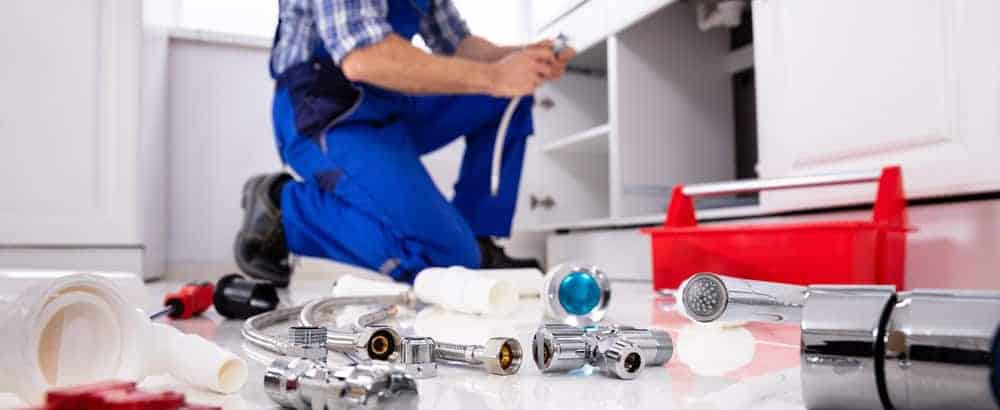
A man in blue overalls is kneeling on a kitchen floor, working on plumbing under the sink. He holds a flexible hose and is surrounded by tools, with an open toolbox beside him. The countertop has a stainless steel sink and a drying rack.

Clear Access Areas and Document the Damage

If the leak is under a sink, behind an appliance, or inside a utility closet, clear the path. When we arrive, we’ll need access fast. Every minute spent moving stuff around is a minute the leak keeps costing you.

Think like a professional plumber who needs to get to work immediately. Remove cleaning supplies from under sinks, clear storage boxes from utility areas, and make sure there’s adequate lighting in the affected space. Make sure to keep kids and pets out of the way once we arrive.

If the plumbing mess looks like it could mean big repairs or an insurance claim, grab your phone and snap some photos. Get shots of the leaks, water stains, soaked stuff, and any puddles. This simple move can help explain things to your insurance and helps us plan repairs more effectively.

Documentation serves multiple purposes. Insurance companies require proof of damage for claims processing, and photos help us understand the scope of the problem before we arrive. Take pictures of the damages and write down what was damaged. If you can, figure out how long the water was flowing and what caused the leak.

Create a timeline of events if possible. When did you first notice the problem? What actions did you take? This information helps us diagnose the root cause and prevent future issues.

Communicate Effectively with Your Emergency Plumber

When you call for help, provide as much clear and detailed information as possible. Let us know what’s leaking, where it’s located, when you first noticed the problem, and any steps you’ve taken to control it. Being prepared with this information helps our team plan the visit and bring the right tools and parts.

Clear communication saves time and money. Providing a detailed description of the issue, including any signs or symptoms you’ve observed, can help us arrive prepared with the necessary tools and parts. Be sure to mention any immediate actions you’ve taken, such as shutting off the water supply.

Don’t downplay the severity or exaggerate the situation. We need accurate information to prioritize our response and bring appropriate equipment. When you call for emergency plumbing services, give as much detail as possible: What happened? What part of the house is affected? Have you shut off the water? The more we know ahead of time, the faster we can have the right tools and parts ready.

Stay available for follow-up questions. Keep your phone close so you can easily be reached if we need to check in before arriving. We may need to confirm details about access to your property, especially if you’re not home when the emergency occurs.

Be honest about your skill level and what you’ve attempted. While you wait for us, don’t try difficult fixes if you’re not used to it. You could accidentally make things worse. We’d rather deal with the original problem than fix additional damage caused by well-meaning DIY attempts.

Stay Prepared for Future Plumbing Emergencies in Monmouth County

Knowing exactly what to do during a plumbing emergency keeps you calm, keeps your property safe, and makes the repair easier for us when we arrive on scene. By shutting off the water, cutting power, containing damage, and calling an experienced plumber, you’ll turn a potential catastrophe into a manageable fix.

After experiencing a plumbing emergency, many homeowners realize the value of being prepared. Stock a small kit with towels, a flashlight, a bucket, plumber’s tape, and a wrench. Create a list of key shutoff valves and their locations so everyone in the household can respond quickly.

Remember that you don’t need to know everything about plumbing, but knowing where your main water shutoff is and having a trusted plumber’s contact information handy is just smart homeownership. When water emergency strikes your Monmouth County home, don’t wait and hope it stops on its own – contact AME Plumbing Heating and Cooling for immediate professional assistance.
Summary:

When plumbing emergencies strike, the minutes before professional help arrives are critical. This guide covers essential steps every Monmouth County homeowner should know to minimize damage, protect their property, and ensure safety during plumbing crises. Taking the right immediate actions can mean the difference between a manageable repair and catastrophic water damage. From shutting off water supplies to clearing access areas, these proven strategies help you stay calm and prepared while waiting for emergency plumbing services.
Table of contents
That sinking feeling when you discover water pooling where it shouldn’t be. The panic when you hear that telltale sound of rushing water behind walls. Nearly 30% of plumbing calls are for emergency services like burst pipes or water heater failures, and when it happens to you, every second counts. The good news? You’re not helpless while waiting for professional help. The actions you take in those critical first minutes can save thousands in water damage, protect your family’s safety, and make the repair process faster and more effective. Here’s exactly what you need to do when plumbing disaster strikes your Monmouth County home.

Stop the Water Flow: Your First Priority During Any Plumbing Emergency

When faced with a plumbing emergency, the first step is to locate and shut off the main water valve. This single action often prevents a minor leak from becoming a catastrophic flood.

You can often avoid shutting down the entire home’s water supply if you know where the smaller shutoff valves are located. Under sinks, you’ll find small valves near the pipes, and behind toilets, you’ll usually see a knob near the base. Taking control of the water source immediately limits damage and keeps the problem contained.

The key is acting fast. Those minutes before help arrives can save your home or destroy it, as what starts as a small leak becomes a flooded living room.

A plumber in blue overalls is kneeling and fixing a toilet in a bathroom. Various tools are scattered on the floor, including wrenches and pliers. A toolbox and a blue cap are nearby.

Finding Your Main Water Shutoff Valve in Monmouth County Homes

The main water valve is usually located near the water meter or where the main water supply enters your home. In Monmouth County, this typically means checking your basement, crawl space, or utility area first.

Most homes have this valve located in the basement or crawl space, usually a few feet from where the main water line enters your house. Look for a wheel-shaped handle or lever valve along the main water line. Turn it clockwise until it stops completely.

If you can’t locate the main valve quickly, don’t waste precious time searching. If you can’t locate the main shut-off valve, then you will need to turn off the water at the valve closest to the leak. Every fixture in your home has its own shutoff valve – use whichever one you can find fastest.

Sometimes people go straight to the main valve, which cuts water to the whole house. That works, but it’s more disruptive. If you know the exact spot to turn off, you can still use water elsewhere in the house.

Once you’ve stopped the flow, you can help minimize leaking by draining the pipes. Open cold taps throughout your house to help move water out of the system, starting with the lowest faucet in your home and working upward.

Remember to document the valve’s location for future reference. Create a list of key shutoff valves and their locations so everyone in the household can respond quickly if needed.

When to Turn Off Your Water Heater During Emergencies

If the plumbing emergency involves hot water or if you’ve shut off your home’s main water supply, turn off your water heater to prevent overheating or pressure buildup. This step is especially critical during burst pipe situations or major leaks.

If you’ve had a leak or burst pipe, especially with hot water, switch off the water heater. If it keeps running while there’s no water coming in, it can overheat and damage the unit. For electric water heaters, turn it off at the circuit breaker. For gas models, use the shut-off valve near the unit.

Water heaters aren’t designed to run dry. When the water supply is interrupted, the heating elements can burn out or the tank can suffer serious damage. If your water heater is part of the issue, shut that down too. The last thing you need is your water heating system continuing to run while water is leaking everywhere.

This precaution protects both your water heater and your safety. Gas water heaters running without water can create dangerous conditions, while electric units can experience element failure that’s expensive to repair.

Don’t forget to drain some pressure from the system afterward. Even after shutting off the water, there’s still pressure in the pipes. Open up faucets throughout your home, especially the lowest one, to let water drain out and ease stress on the system.

Protect Your Property and Ensure Safety While You Wait

Once the water and power are off, shift your focus to containment. Use towels, buckets, or anything else you have on hand to keep water from spreading, and move furniture, boxes, or valuables out of the affected space.

Water damage escalates quickly. Drywall, insulation, and wood framing absorb water within minutes, leading to structural issues and mold. Rapid response reduces repair costs and health risks.

Safety comes first during any plumbing emergency. Water and electricity are a dangerous combination. If water is near electrical outlets or appliances, turn off the electricity at the circuit breaker before attempting any repairs. Avoid using electrical appliances in wet areas.

A man in blue overalls is kneeling on a kitchen floor, working on plumbing under the sink. He holds a flexible hose and is surrounded by tools, with an open toolbox beside him. The countertop has a stainless steel sink and a drying rack.

Clear Access Areas and Document the Damage

If the leak is under a sink, behind an appliance, or inside a utility closet, clear the path. When we arrive, we’ll need access fast. Every minute spent moving stuff around is a minute the leak keeps costing you.

Think like a professional plumber who needs to get to work immediately. Remove cleaning supplies from under sinks, clear storage boxes from utility areas, and make sure there’s adequate lighting in the affected space. Make sure to keep kids and pets out of the way once we arrive.

If the plumbing mess looks like it could mean big repairs or an insurance claim, grab your phone and snap some photos. Get shots of the leaks, water stains, soaked stuff, and any puddles. This simple move can help explain things to your insurance and helps us plan repairs more effectively.

Documentation serves multiple purposes. Insurance companies require proof of damage for claims processing, and photos help us understand the scope of the problem before we arrive. Take pictures of the damages and write down what was damaged. If you can, figure out how long the water was flowing and what caused the leak.

Create a timeline of events if possible. When did you first notice the problem? What actions did you take? This information helps us diagnose the root cause and prevent future issues.

Communicate Effectively with Your Emergency Plumber

When you call for help, provide as much clear and detailed information as possible. Let us know what’s leaking, where it’s located, when you first noticed the problem, and any steps you’ve taken to control it. Being prepared with this information helps our team plan the visit and bring the right tools and parts.

Clear communication saves time and money. Providing a detailed description of the issue, including any signs or symptoms you’ve observed, can help us arrive prepared with the necessary tools and parts. Be sure to mention any immediate actions you’ve taken, such as shutting off the water supply.

Don’t downplay the severity or exaggerate the situation. We need accurate information to prioritize our response and bring appropriate equipment. When you call for emergency plumbing services, give as much detail as possible: What happened? What part of the house is affected? Have you shut off the water? The more we know ahead of time, the faster we can have the right tools and parts ready.

Stay available for follow-up questions. Keep your phone close so you can easily be reached if we need to check in before arriving. We may need to confirm details about access to your property, especially if you’re not home when the emergency occurs.

Be honest about your skill level and what you’ve attempted. While you wait for us, don’t try difficult fixes if you’re not used to it. You could accidentally make things worse. We’d rather deal with the original problem than fix additional damage caused by well-meaning DIY attempts.

Stay Prepared for Future Plumbing Emergencies in Monmouth County

Knowing exactly what to do during a plumbing emergency keeps you calm, keeps your property safe, and makes the repair easier for us when we arrive on scene. By shutting off the water, cutting power, containing damage, and calling an experienced plumber, you’ll turn a potential catastrophe into a manageable fix.

After experiencing a plumbing emergency, many homeowners realize the value of being prepared. Stock a small kit with towels, a flashlight, a bucket, plumber’s tape, and a wrench. Create a list of key shutoff valves and their locations so everyone in the household can respond quickly.

Remember that you don’t need to know everything about plumbing, but knowing where your main water shutoff is and having a trusted plumber’s contact information handy is just smart homeownership. When water emergency strikes your Monmouth County home, don’t wait and hope it stops on its own – contact AME Plumbing Heating and Cooling for immediate professional assistance.

Article details:

Share: