Summary:
Common Water Heater Problems in Long Branch, NJ
Long Branch’s coastal environment creates specific challenges for water heaters that many homeowners don’t realize until problems arise. The hard water common in our area accelerates sediment buildup, while salt air can affect outdoor components and venting systems.
Most water heater issues start small but escalate quickly without proper attention. Understanding what you’re dealing with helps you make informed decisions about repair versus replacement, especially when your unit is approaching the 8-10 year mark where major repairs become less cost-effective.
Why Your Water Heater Makes Strange Noises
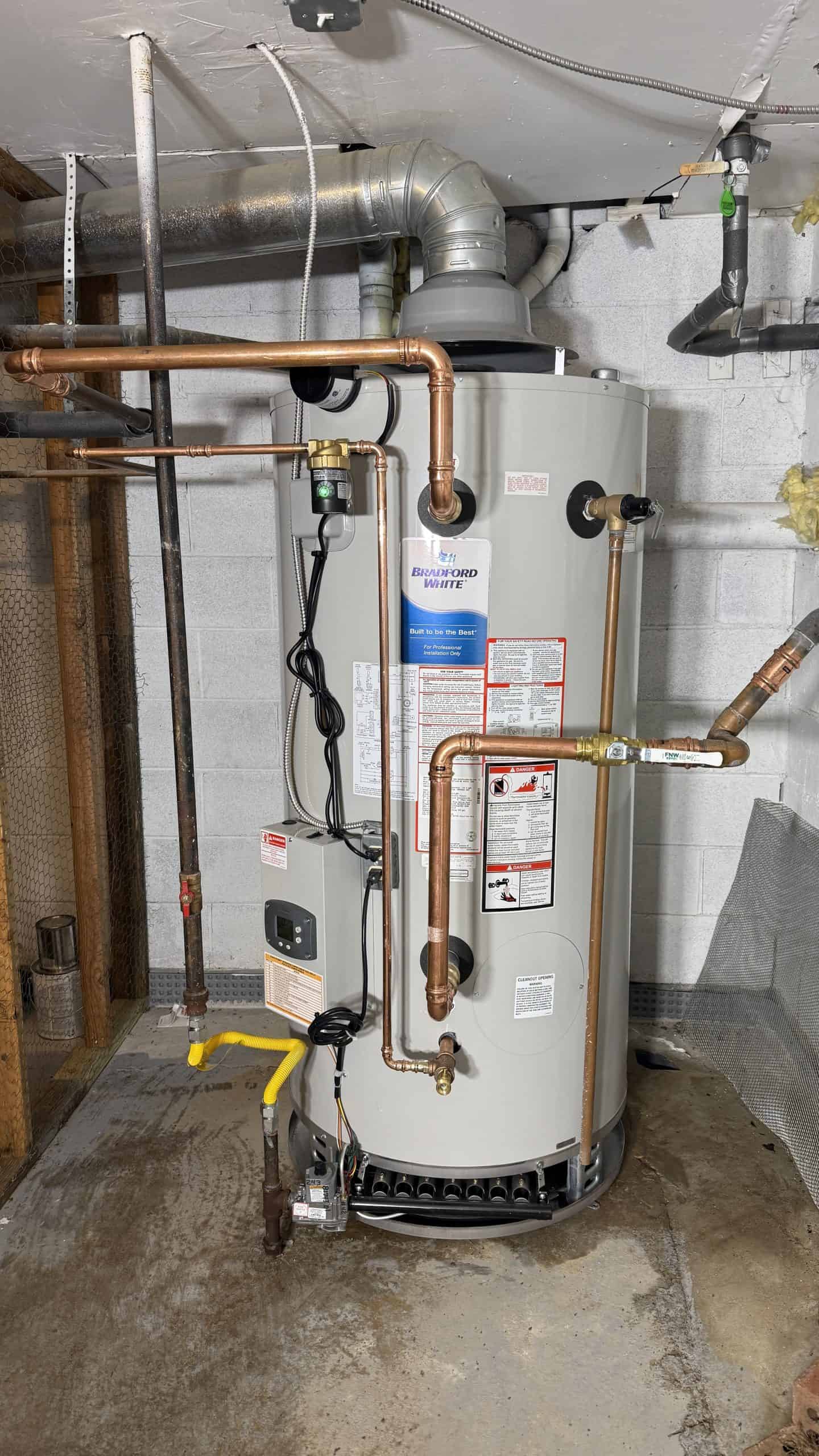
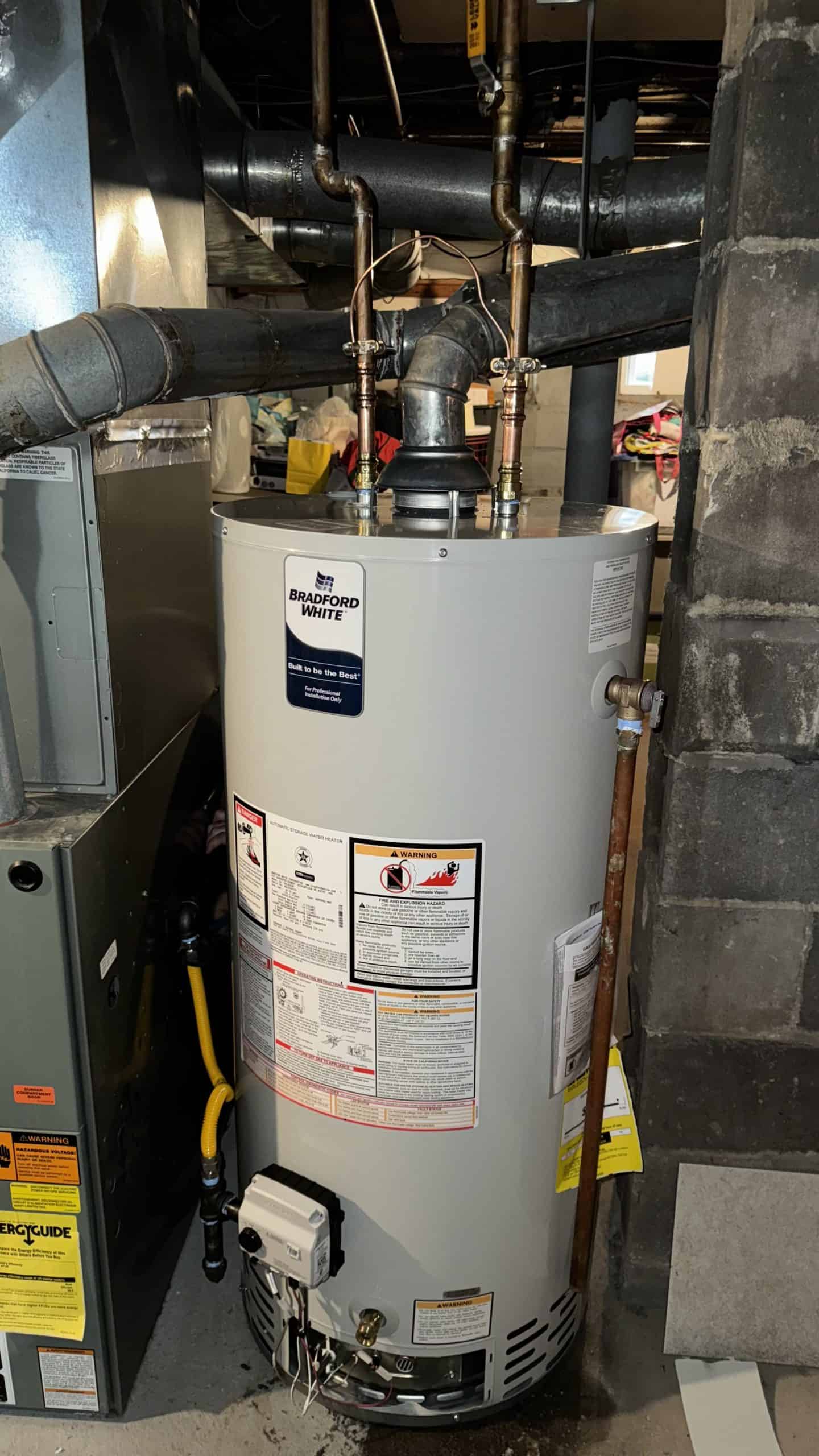
That rumbling, popping, or banging sound coming from your water heater isn’t something to ignore—it’s usually your first warning that sediment has built up at the bottom of the tank. In Long Branch, our hard water contains minerals that settle over time, creating a barrier between the heating element and the water above.
When this happens, your water heater has to work much harder to heat water, leading to those unsettling sounds and significantly higher energy bills. The heating element essentially has to burn through the sediment layer, which can cause overheating and premature failure of critical components.
The good news is that catching this early often means a simple flush and cleaning can restore your system’s efficiency. However, if the sediment buildup has been ignored for years, you might be looking at heating element replacement or, in severe cases, a full system replacement. This is particularly common in Long Branch homes where water heater maintenance hasn’t been prioritized.
We can quickly assess whether your noisy water heater needs a straightforward cleaning or more extensive repairs. We’ll also help you understand why this happened and how to prevent it from recurring, potentially saving you hundreds in future repair costs.
When Water Temperature Problems Signal Bigger Issues
Inconsistent water temperature is more than just an inconvenience—it’s often the first sign of failing components that will only get worse without professional intervention. If you’re experiencing lukewarm water, sudden temperature drops, or water that takes forever to heat up, several underlying issues could be at play.
Heating element failure is common in electric water heaters, especially those over five years old. When one element fails, you’ll notice reduced hot water capacity and longer recovery times between uses. Gas water heaters might have issues with the pilot light, gas valve, or burner assembly that affect their ability to maintain consistent temperatures.
Thermostat problems can cause your water heater to overheat or underheat, leading to either scalding water or perpetually lukewarm showers. In Long Branch’s hard water environment, mineral buildup can interfere with temperature sensors, causing erratic behavior that makes your system work inefficiently.
Sometimes temperature issues stem from simple problems like incorrect thermostat settings or tripped circuit breakers. However, when these basic fixes don’t resolve the problem, it’s time to call professionals who can diagnose the root cause. Attempting DIY repairs on water heater electrical or gas components isn’t just ineffective—it can be dangerous and may void your warranty.
We use diagnostic tools to pinpoint exactly what’s causing your temperature problems, providing you with clear explanations and upfront pricing for any necessary repairs.
Tankless Water Heater Repair and Maintenance
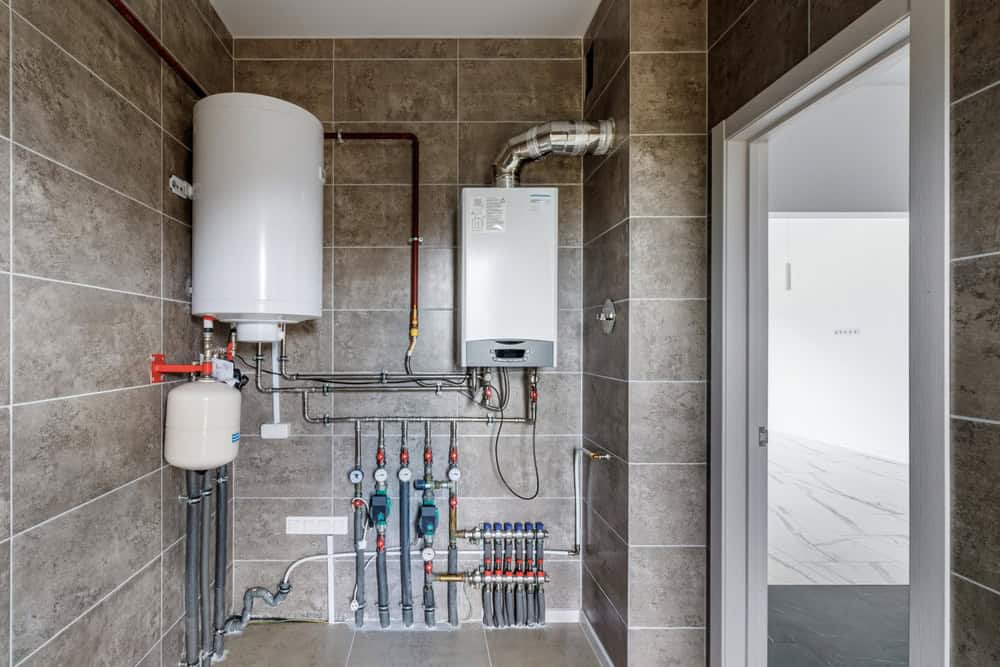
Tankless water heaters offer incredible benefits—endless hot water, energy savings, and space efficiency—but they require specialized knowledge for proper repair and maintenance. These systems heat water on demand using high-powered burners or electric elements, which means different potential failure points than traditional tank systems.
Long Branch homeowners who’ve invested in tankless systems need technicians who understand their complexities and can service them properly to maintain their efficiency and longevity.
Tankless System Error Codes and What They Mean
Modern tankless water heaters communicate problems through error codes displayed on their control panels, but these codes can be cryptic if you don’t know what you’re looking at. Common error codes often relate to venting issues, gas supply problems, or water flow restrictions that prevent the unit from operating safely.
Venting problems are particularly common in coastal areas like Long Branch, where salt air can corrode vent terminals or where strong winds can affect proper draft. When your tankless system can’t vent properly, it will shut down as a safety measure, leaving you without hot water until the issue is resolved.
Water flow issues often stem from clogged filters or mineral buildup in the heat exchanger—problems that are more frequent in areas with hard water. When water can’t flow freely through the system, sensors detect the restriction and prevent the unit from firing, protecting internal components from damage.
Gas supply problems might involve issues with the gas valve, pressure regulator, or even the home’s gas line itself. These require immediate professional attention, as gas-related problems pose safety risks beyond just lack of hot water.
Attempting to troubleshoot error codes without proper training often leads to more problems. We carry diagnostic equipment specific to major tankless brands and can quickly identify whether you’re dealing with a simple maintenance issue or a component that needs replacement.
The Importance of Annual Tankless Water Heater Maintenance
Tankless water heaters can last 15-20 years with proper maintenance, but neglecting annual service can cut that lifespan in half while dramatically reducing efficiency. The key maintenance task is descaling—removing mineral buildup from the heat exchanger that occurs naturally over time, especially in hard water areas like Long Branch.
During a professional maintenance visit, we flush the system with a descaling solution that dissolves calcium and magnesium deposits without damaging internal components. This process restores full water flow and heat transfer efficiency, often reducing energy consumption noticeably.
Maintenance also includes cleaning or replacing water filters, checking gas connections and venting systems, testing safety sensors, and verifying proper combustion. These steps catch small problems before they become expensive repairs and ensure your system operates safely and efficiently.
Many Long Branch homeowners skip annual maintenance because their tankless system seems to be working fine. However, mineral buildup happens gradually and isn’t always noticeable until it causes a complete failure. By then, you might need expensive component replacements that could have been prevented with regular service.
The cost of annual maintenance is typically a fraction of what you’d pay for emergency repairs, and it maintains your warranty coverage with most manufacturers. More importantly, proper maintenance ensures you get the energy savings and longevity that made your tankless investment worthwhile in the first place.
Our maintenance service includes a comprehensive system inspection and performance testing, giving you peace of mind that your tankless water heater will continue providing endless hot water when you need it most.
Professional Water Heater Repair You Can Trust in Long Branch
Water heater problems don’t wait for convenient times, and neither do we. Whether you’re dealing with a complete system failure or just want to address those concerning noises before they become bigger issues, AME Plumbing Heating and Cooling brings the local expertise and professional service that Long Branch families have relied on for years.
We understand the unique challenges of coastal living and how they affect your water heater’s performance and longevity. From emergency repairs to preventive maintenance, we provide transparent pricing and quality workmanship that keeps your family comfortable. When your water heater needs attention, contact AME Plumbing Heating and Cooling for reliable service you can trust.