Servicing Areas Throughout New Jersey

Top 5 Signs You Need Emergency Plumbing Services Before a Pipe Bursts

Burst pipes don't happen without warning. Recognize these five critical signs and know when to call for emergency plumbing services before water damage destroys your home.

Share:

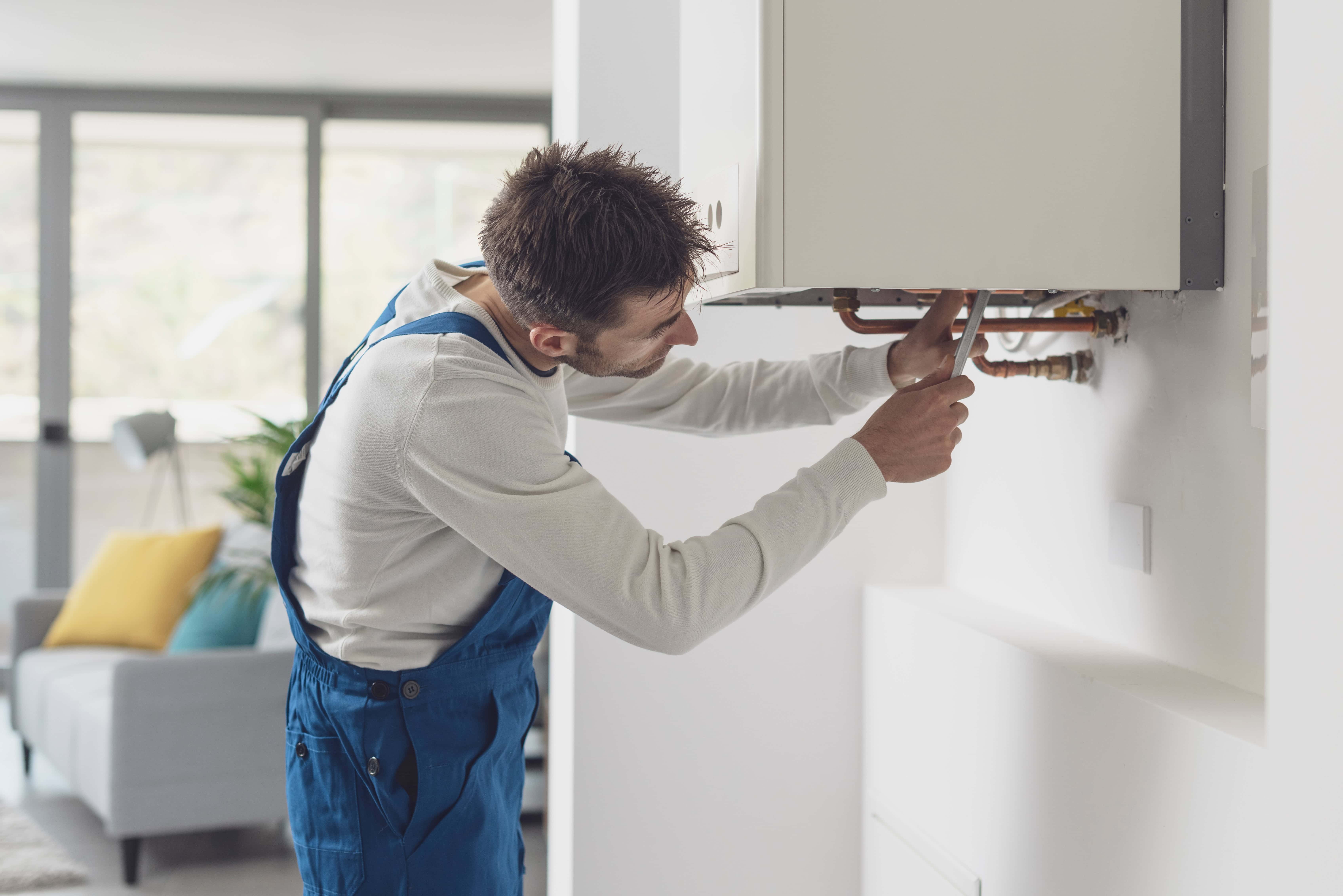
Plumber fixing pipe during emergency plumbing service in a home.

Summary:

Water damage from burst pipes can cost thousands in repairs and happen faster than you think. Most homeowners miss the early warning signs until it’s too late. This guide walks you through five critical indicators that you need emergency plumbing services now—before a small leak becomes a flooded basement. You’ll learn what to watch for, why it matters, and when to reach out for help.
Table of contents
That dripping sound behind your wall isn’t going away on its own. Neither is that drop in water pressure you’ve been ignoring for the past week. Burst pipes don’t just happen—they announce themselves with warning signs that most people miss until water is pooling on their floor. By then, you’re looking at thousands in water damage, ruined belongings, and emergency repairs that could have been prevented. The difference between a quick fix and a disaster often comes down to recognizing the signs early and calling for help before things escalate. Here’s what you need to watch for.

What Counts as a Plumbing Emergency

Not every drip needs a midnight service call. But some situations can’t wait until Monday morning.

A plumbing emergency is any issue that threatens your property, safety, or ability to use essential fixtures. If water is actively leaking where it shouldn’t be, if you can’t use your toilet, or if you smell sewage in your home, that’s an emergency. The key factor is risk—both to your home’s structure and your family’s health. Burst pipes, sewage backups, major leaks, and complete loss of water are the big ones that demand immediate attention from an emergency plumber.

The cost of waiting is real. Water damage can start within hours, and what begins as a small leak can quickly become a structural problem that affects floors, walls, and even your foundation.
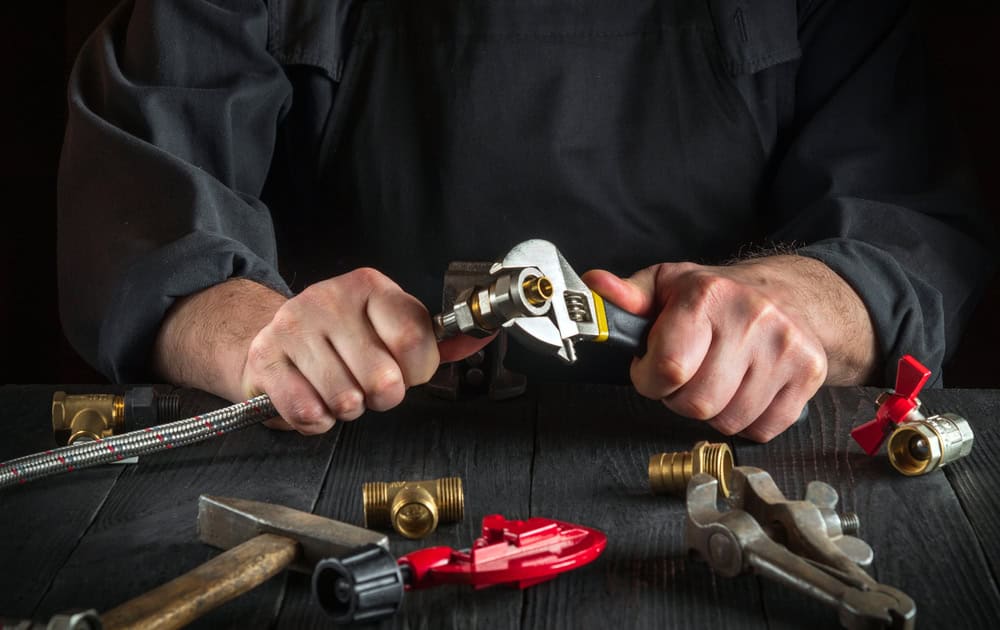
A person in dark clothing uses a wrench to tighten a plumbing fitting on a metal hose. Various plumbing tools, including a red pipe cutter and a hammer, are scattered on a dark wooden surface.

Unexplained drops in water pressure throughout your home

You turn on the shower and the water barely trickles out. The kitchen sink that used to have strong flow now sputters weakly. When multiple fixtures in your house suddenly lose pressure at the same time, you’re likely dealing with a serious problem somewhere in your plumbing system.

Low water pressure across your entire home often signals a hidden leak. Water is escaping somewhere it shouldn’t—behind a wall, under your foundation, or in your crawl space. That lost water is going somewhere, and it’s probably causing damage you can’t see yet. A leak allowing water to escape reduces the pressure that makes it to your faucets and appliances.

This is especially concerning in New Jersey homes during winter months. Pressure drops can indicate that pipes are beginning to freeze, which is the first step toward a burst pipe. When water freezes, it expands and creates pressure that can crack pipes at weak points or push them apart at joints. The pressure change you’re experiencing at your faucets might be the only warning you get before a pipe fails completely.

If the pressure drop is sudden and affects your whole house, call us immediately. What feels like an inconvenience now could be preventing thousands of dollars in water damage later. We can quickly locate the source of the pressure loss and address it before it becomes a flood.

Single-fixture pressure problems are usually simpler—a clogged aerator or a failing valve. But whole-house pressure loss means something bigger is wrong, and it needs professional attention right away.

Strange sounds coming from your pipes and walls

Pipes aren’t supposed to make noise. When they start hissing, banging, or gurgling, something’s wrong.

A hissing sound often indicates water escaping under pressure through a crack or pinhole in a pipe. Banging noises, sometimes called “water hammer,” occur when pipes move due to pressure changes or when they’re not properly secured. This constant movement gradually weakens joints and connections until they fail.

The most concerning sound is rushing water behind walls or under floors when everything in your house is turned off. That’s water flowing where it absolutely shouldn’t be. It means you have an active leak, and every minute it continues, more water is damaging your home’s structure.

Gurgling from drains can indicate air entering your plumbing system through a crack or break. It can also signal a blockage in your drain line or sewer system. When drains can’t vent properly, pressure builds up, and that pressure has to go somewhere. If a clog is severe enough, it can cause pipes to burst from the backup pressure. Regular drain cleaning can prevent these blockages from reaching dangerous levels.

Dripping sounds are the easiest to dismiss but often the most costly to ignore. That steady drip-drip-drip behind your bathroom wall or under your kitchen sink represents water accumulating somewhere it shouldn’t. Over time, even a slow leak can cause mold growth, wood rot, and structural damage. The moisture creates perfect conditions for mold, which can spread quickly and become a serious health hazard.

In winter, any unusual sounds from your plumbing deserve immediate attention. Freezing pipes often make creaking or popping sounds as ice forms and expands inside them. By the time you hear these sounds, the pipe may already be under dangerous pressure. Frozen pipes don’t always burst immediately—sometimes they crack and then burst later when they thaw. Catching them while they’re still frozen gives us the chance to safely thaw them and prevent a rupture.

We have the tools and training to locate the exact source of the sound and determine whether you’re dealing with a minor issue or an impending disaster. Don’t wait until that hissing becomes a flood.

Signs of Hidden Water Leaks and Damage

The most dangerous leaks are the ones you can’t see. By the time water damage becomes visible, it’s often been happening for weeks or even months.

Water stains, warped flooring, peeling paint, or bubbling wallpaper all point to moisture where it doesn’t belong. These visible signs mean water has been accumulating long enough to affect your home’s surfaces. The damage you can see is usually just the beginning—the real problem is what’s happening behind your walls or under your floors.

Musty odors are another giveaway. That damp, earthy smell in your basement, bathroom, or near plumbing fixtures indicates mold or mildew growth. Mold needs moisture to thrive, and if you smell it, you have a moisture problem. Hidden leaks create perfect conditions for mold, which can spread through your home and cause respiratory problems, especially for children and anyone with allergies or asthma.
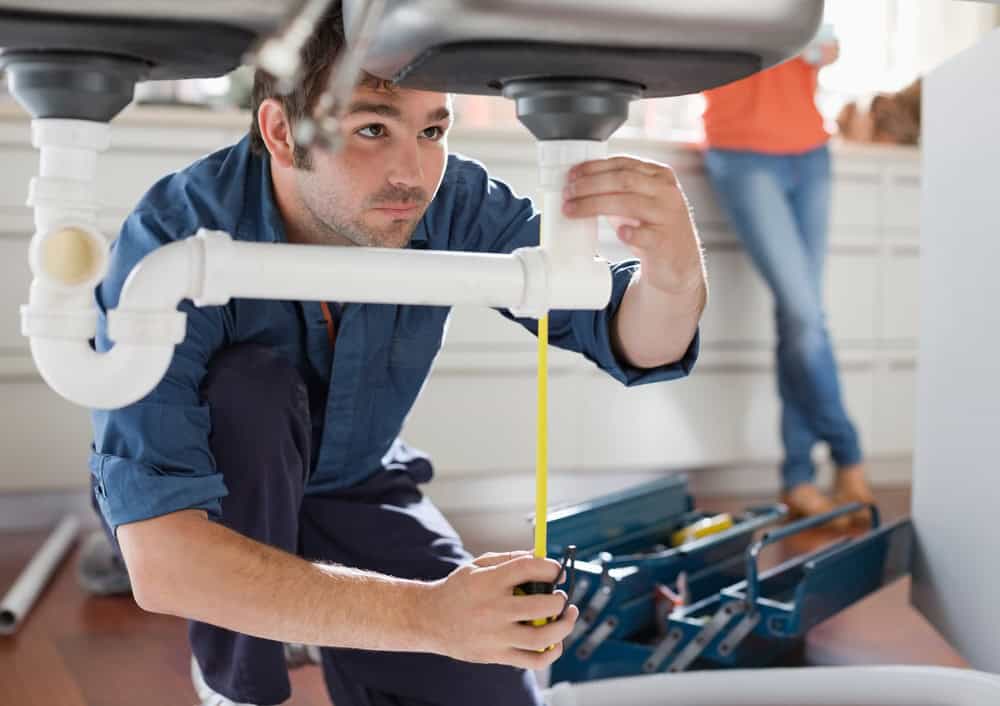
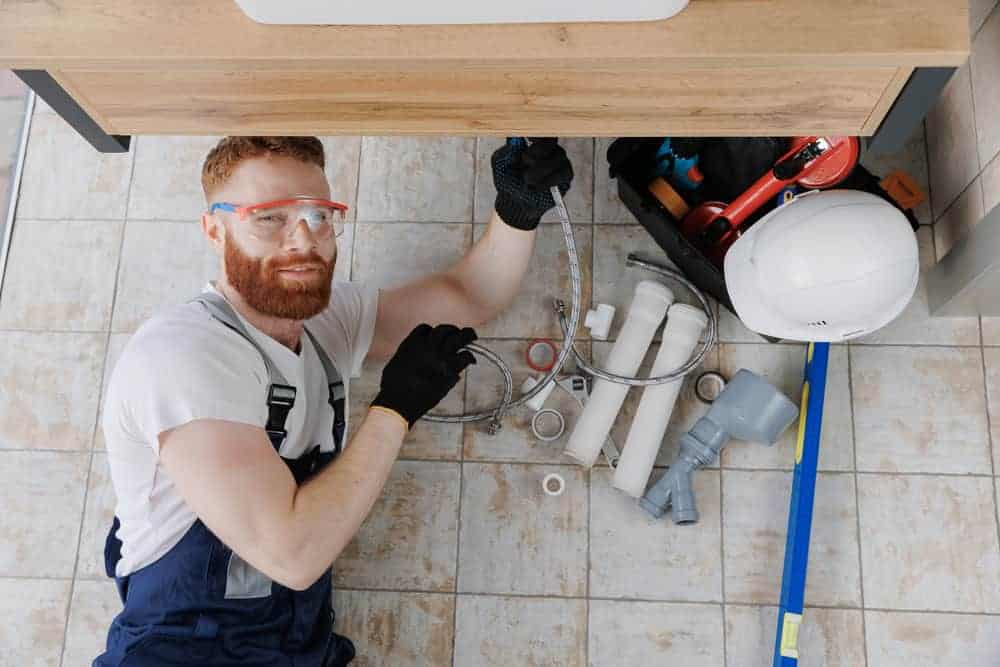
A person is crouched under a kitchen sink, focusing on fixing the plumbing. They hold a wrench in one hand. A toolbox is open on the floor nearby. Another person stands in the background, partially visible.

Water bills that spike without explanation

You haven’t changed your routine. You’re not running the dishwasher more often or taking longer showers. But your water bill just jumped by 20% or more. That’s not a billing error—that’s a leak.

A damaged pipe wastes water continuously, and that wasted water shows up on your bill. Even a small leak can waste thousands of gallons per month. A slow drip from a worn faucet might waste 5,000 gallons in a month. But a crack in a supply line or a pinhole leak in a pipe behind your wall can waste much more, especially if it goes undetected.

The problem with hidden leaks is that they run 24 hours a day. Unlike a dripping faucet you can see and turn off, a leak inside your wall or under your foundation just keeps flowing. Every hour that passes, more water is escaping, more damage is occurring, and your bill is climbing higher.

Compare your recent bills to the same months from previous years. If you see a significant increase without a corresponding change in your water usage, you likely have a leak somewhere. The leak might be inside your home, in your yard, or even in the supply line between the street and your house. In some cases, the leak could be affecting your hot water tank service or water heater, causing both water waste and energy inefficiency.

Some leaks are obvious—you can see water pooling or hear it running. But many are completely hidden. They might be under your concrete slab, inside your walls, or buried in your yard. These hidden leaks can run for months before you notice them, causing extensive damage and wasting thousands of gallons of water.

Call us for an inspection right away if you suspect a leak based on one unusually high bill. We have leak detection equipment that can pinpoint the exact location of hidden leaks without tearing apart your home. Thermal imaging cameras, acoustic sensors, and moisture meters can find leaks that would otherwise remain hidden until they cause catastrophic damage.

Catching a leak early saves money in multiple ways. You stop wasting water immediately, which lowers your bills. You prevent water damage that would cost far more to repair than the leak itself. And in many cases, your water utility company may adjust your bill if you can prove you had a leak and have had it repaired.

Visible water stains and discoloration on ceilings and walls

Water stains don’t appear overnight. By the time you notice that yellowish-brown spot on your ceiling or that dark patch on your wall, water has been leaking there for a while.

These stains are darker than the surrounding surface and often have an irregular shape. They might start small and gradually expand, or they might appear suddenly if a leak worsens. Ceiling stains often indicate a leak from the floor above—a bathroom, a burst pipe in the attic, or even a roof leak. Wall stains typically point to a leak within the wall itself or from a pipe running through that wall.

The stain you see is just the visible evidence. Behind that drywall or plaster, moisture is saturating insulation, soaking into wood framing, and creating conditions for mold growth. Water follows gravity and can travel along pipes, beams, and studs before it finally shows up as a stain. The actual leak might be several feet away from where you see the damage.

Discolored water coming from your faucets is a different warning sign with the same urgency. Brown, yellow, or rust-colored water often indicates corrosion inside your pipes. As pipes age, especially older metal pipes, they corrode from the inside out. That rust you’re seeing in your water means your pipe walls are deteriorating. Eventually, those corroded pipes will develop leaks or burst completely. In severe cases, repiping may be necessary to replace deteriorated sections and prevent future failures.

Bubbling or peeling paint is another red flag. Paint is designed to stick to dry surfaces. When moisture gets behind it, the paint loses adhesion and starts to bubble, crack, or peel away. This is especially common around windows, in bathrooms, and near plumbing fixtures. If you notice paint failure in these areas, investigate immediately. The moisture causing the paint to fail is also damaging the wall material behind it.

Warped or buckling floors tell you water has been sitting there long enough to damage the flooring material. Wood floors will cup, buckle, or develop soft spots when exposed to water. Vinyl and laminate floors can warp or separate at the seams. Even tile floors can be affected—if the subfloor underneath gets wet, tiles can crack or come loose.

All of these visible signs mean the same thing: you have water where it shouldn’t be, and it’s causing damage. The longer you wait to address it, the worse the damage becomes and the more expensive the repairs will be. Water damage spreads quickly and can compromise your home’s structural integrity if left unchecked.

When you spot any of these warning signs, don’t try to fix them with paint or caulk. Those are symptoms, not the problem itself. You need to find and stop the source of the moisture. That requires a professional plumber who can locate the leak, assess the damage, and make the necessary repairs. Trying to cover up water damage without fixing the leak just hides the problem while it continues to get worse.

When to Call for Emergency Plumbing Services

These warning signs are easy to spot once you know what they mean. Dropping water pressure, strange sounds from your pipes, unexplained spikes in your water bill, visible stains, and unusual odors—each one is your plumbing system’s way of telling you something is wrong. Ignoring these warnings doesn’t make them go away. It just gives small problems time to become expensive disasters.

Burst pipes can release hundreds of gallons of water in just a few hours, causing damage that takes weeks to repair and costs thousands of dollars. But most burst pipes don’t happen without warning. The signs show up days or even weeks beforehand, giving you time to act if you recognize them.

When you spot any of these warning signs in your Monmouth County, Ocean County, or Middlesex County home, take action immediately. Contact AME Plumbing Heating and Cooling. We’re available 24/7 for emergency plumbing services, and our licensed professionals respond quickly to prevent small issues from becoming major disasters. Whether you need water heater repair, drain cleaning, or urgent help with a burst pipe, we handle it all with upfront pricing and no hidden fees.

Summary:

Water damage from burst pipes can cost thousands in repairs and happen faster than you think. Most homeowners miss the early warning signs until it’s too late. This guide walks you through five critical indicators that you need emergency plumbing services now—before a small leak becomes a flooded basement. You’ll learn what to watch for, why it matters, and when to reach out for help.
Table of contents
That dripping sound behind your wall isn’t going away on its own. Neither is that drop in water pressure you’ve been ignoring for the past week. Burst pipes don’t just happen—they announce themselves with warning signs that most people miss until water is pooling on their floor. By then, you’re looking at thousands in water damage, ruined belongings, and emergency repairs that could have been prevented. The difference between a quick fix and a disaster often comes down to recognizing the signs early and calling for help before things escalate. Here’s what you need to watch for.

What Counts as a Plumbing Emergency

Not every drip needs a midnight service call. But some situations can’t wait until Monday morning.

A plumbing emergency is any issue that threatens your property, safety, or ability to use essential fixtures. If water is actively leaking where it shouldn’t be, if you can’t use your toilet, or if you smell sewage in your home, that’s an emergency. The key factor is risk—both to your home’s structure and your family’s health. Burst pipes, sewage backups, major leaks, and complete loss of water are the big ones that demand immediate attention from an emergency plumber.

The cost of waiting is real. Water damage can start within hours, and what begins as a small leak can quickly become a structural problem that affects floors, walls, and even your foundation.

A person in dark clothing uses a wrench to tighten a plumbing fitting on a metal hose. Various plumbing tools, including a red pipe cutter and a hammer, are scattered on a dark wooden surface.

Unexplained drops in water pressure throughout your home

You turn on the shower and the water barely trickles out. The kitchen sink that used to have strong flow now sputters weakly. When multiple fixtures in your house suddenly lose pressure at the same time, you’re likely dealing with a serious problem somewhere in your plumbing system.

Low water pressure across your entire home often signals a hidden leak. Water is escaping somewhere it shouldn’t—behind a wall, under your foundation, or in your crawl space. That lost water is going somewhere, and it’s probably causing damage you can’t see yet. A leak allowing water to escape reduces the pressure that makes it to your faucets and appliances.

This is especially concerning in New Jersey homes during winter months. Pressure drops can indicate that pipes are beginning to freeze, which is the first step toward a burst pipe. When water freezes, it expands and creates pressure that can crack pipes at weak points or push them apart at joints. The pressure change you’re experiencing at your faucets might be the only warning you get before a pipe fails completely.

If the pressure drop is sudden and affects your whole house, call us immediately. What feels like an inconvenience now could be preventing thousands of dollars in water damage later. We can quickly locate the source of the pressure loss and address it before it becomes a flood.

Single-fixture pressure problems are usually simpler—a clogged aerator or a failing valve. But whole-house pressure loss means something bigger is wrong, and it needs professional attention right away.

Strange sounds coming from your pipes and walls

Pipes aren’t supposed to make noise. When they start hissing, banging, or gurgling, something’s wrong.

A hissing sound often indicates water escaping under pressure through a crack or pinhole in a pipe. Banging noises, sometimes called “water hammer,” occur when pipes move due to pressure changes or when they’re not properly secured. This constant movement gradually weakens joints and connections until they fail.

The most concerning sound is rushing water behind walls or under floors when everything in your house is turned off. That’s water flowing where it absolutely shouldn’t be. It means you have an active leak, and every minute it continues, more water is damaging your home’s structure.

Gurgling from drains can indicate air entering your plumbing system through a crack or break. It can also signal a blockage in your drain line or sewer system. When drains can’t vent properly, pressure builds up, and that pressure has to go somewhere. If a clog is severe enough, it can cause pipes to burst from the backup pressure. Regular drain cleaning can prevent these blockages from reaching dangerous levels.

Dripping sounds are the easiest to dismiss but often the most costly to ignore. That steady drip-drip-drip behind your bathroom wall or under your kitchen sink represents water accumulating somewhere it shouldn’t. Over time, even a slow leak can cause mold growth, wood rot, and structural damage. The moisture creates perfect conditions for mold, which can spread quickly and become a serious health hazard.

In winter, any unusual sounds from your plumbing deserve immediate attention. Freezing pipes often make creaking or popping sounds as ice forms and expands inside them. By the time you hear these sounds, the pipe may already be under dangerous pressure. Frozen pipes don’t always burst immediately—sometimes they crack and then burst later when they thaw. Catching them while they’re still frozen gives us the chance to safely thaw them and prevent a rupture.

We have the tools and training to locate the exact source of the sound and determine whether you’re dealing with a minor issue or an impending disaster. Don’t wait until that hissing becomes a flood.

Signs of Hidden Water Leaks and Damage

The most dangerous leaks are the ones you can’t see. By the time water damage becomes visible, it’s often been happening for weeks or even months.

Water stains, warped flooring, peeling paint, or bubbling wallpaper all point to moisture where it doesn’t belong. These visible signs mean water has been accumulating long enough to affect your home’s surfaces. The damage you can see is usually just the beginning—the real problem is what’s happening behind your walls or under your floors.

Musty odors are another giveaway. That damp, earthy smell in your basement, bathroom, or near plumbing fixtures indicates mold or mildew growth. Mold needs moisture to thrive, and if you smell it, you have a moisture problem. Hidden leaks create perfect conditions for mold, which can spread through your home and cause respiratory problems, especially for children and anyone with allergies or asthma.

A person is crouched under a kitchen sink, focusing on fixing the plumbing. They hold a wrench in one hand. A toolbox is open on the floor nearby. Another person stands in the background, partially visible.

Water bills that spike without explanation

You haven’t changed your routine. You’re not running the dishwasher more often or taking longer showers. But your water bill just jumped by 20% or more. That’s not a billing error—that’s a leak.

A damaged pipe wastes water continuously, and that wasted water shows up on your bill. Even a small leak can waste thousands of gallons per month. A slow drip from a worn faucet might waste 5,000 gallons in a month. But a crack in a supply line or a pinhole leak in a pipe behind your wall can waste much more, especially if it goes undetected.

The problem with hidden leaks is that they run 24 hours a day. Unlike a dripping faucet you can see and turn off, a leak inside your wall or under your foundation just keeps flowing. Every hour that passes, more water is escaping, more damage is occurring, and your bill is climbing higher.

Compare your recent bills to the same months from previous years. If you see a significant increase without a corresponding change in your water usage, you likely have a leak somewhere. The leak might be inside your home, in your yard, or even in the supply line between the street and your house. In some cases, the leak could be affecting your hot water tank service or water heater, causing both water waste and energy inefficiency.

Some leaks are obvious—you can see water pooling or hear it running. But many are completely hidden. They might be under your concrete slab, inside your walls, or buried in your yard. These hidden leaks can run for months before you notice them, causing extensive damage and wasting thousands of gallons of water.

Call us for an inspection right away if you suspect a leak based on one unusually high bill. We have leak detection equipment that can pinpoint the exact location of hidden leaks without tearing apart your home. Thermal imaging cameras, acoustic sensors, and moisture meters can find leaks that would otherwise remain hidden until they cause catastrophic damage.

Catching a leak early saves money in multiple ways. You stop wasting water immediately, which lowers your bills. You prevent water damage that would cost far more to repair than the leak itself. And in many cases, your water utility company may adjust your bill if you can prove you had a leak and have had it repaired.

Visible water stains and discoloration on ceilings and walls

Water stains don’t appear overnight. By the time you notice that yellowish-brown spot on your ceiling or that dark patch on your wall, water has been leaking there for a while.

These stains are darker than the surrounding surface and often have an irregular shape. They might start small and gradually expand, or they might appear suddenly if a leak worsens. Ceiling stains often indicate a leak from the floor above—a bathroom, a burst pipe in the attic, or even a roof leak. Wall stains typically point to a leak within the wall itself or from a pipe running through that wall.

The stain you see is just the visible evidence. Behind that drywall or plaster, moisture is saturating insulation, soaking into wood framing, and creating conditions for mold growth. Water follows gravity and can travel along pipes, beams, and studs before it finally shows up as a stain. The actual leak might be several feet away from where you see the damage.

Discolored water coming from your faucets is a different warning sign with the same urgency. Brown, yellow, or rust-colored water often indicates corrosion inside your pipes. As pipes age, especially older metal pipes, they corrode from the inside out. That rust you’re seeing in your water means your pipe walls are deteriorating. Eventually, those corroded pipes will develop leaks or burst completely. In severe cases, repiping may be necessary to replace deteriorated sections and prevent future failures.

Bubbling or peeling paint is another red flag. Paint is designed to stick to dry surfaces. When moisture gets behind it, the paint loses adhesion and starts to bubble, crack, or peel away. This is especially common around windows, in bathrooms, and near plumbing fixtures. If you notice paint failure in these areas, investigate immediately. The moisture causing the paint to fail is also damaging the wall material behind it.

Warped or buckling floors tell you water has been sitting there long enough to damage the flooring material. Wood floors will cup, buckle, or develop soft spots when exposed to water. Vinyl and laminate floors can warp or separate at the seams. Even tile floors can be affected—if the subfloor underneath gets wet, tiles can crack or come loose.

All of these visible signs mean the same thing: you have water where it shouldn’t be, and it’s causing damage. The longer you wait to address it, the worse the damage becomes and the more expensive the repairs will be. Water damage spreads quickly and can compromise your home’s structural integrity if left unchecked.

When you spot any of these warning signs, don’t try to fix them with paint or caulk. Those are symptoms, not the problem itself. You need to find and stop the source of the moisture. That requires a professional plumber who can locate the leak, assess the damage, and make the necessary repairs. Trying to cover up water damage without fixing the leak just hides the problem while it continues to get worse.

When to Call for Emergency Plumbing Services

These warning signs are easy to spot once you know what they mean. Dropping water pressure, strange sounds from your pipes, unexplained spikes in your water bill, visible stains, and unusual odors—each one is your plumbing system’s way of telling you something is wrong. Ignoring these warnings doesn’t make them go away. It just gives small problems time to become expensive disasters.

Burst pipes can release hundreds of gallons of water in just a few hours, causing damage that takes weeks to repair and costs thousands of dollars. But most burst pipes don’t happen without warning. The signs show up days or even weeks beforehand, giving you time to act if you recognize them.

When you spot any of these warning signs in your Monmouth County, Ocean County, or Middlesex County home, take action immediately. Contact AME Plumbing Heating and Cooling. We’re available 24/7 for emergency plumbing services, and our licensed professionals respond quickly to prevent small issues from becoming major disasters. Whether you need water heater repair, drain cleaning, or urgent help with a burst pipe, we handle it all with upfront pricing and no hidden fees.

Article details:

Share: