Servicing Areas Throughout New Jersey

Top 5 Reasons Your Energy Bill Is Spiking (And Why It Might Be Time for Furnace Repair)

Energy bills climbing without explanation? Your furnace is probably working against you. Here's what's actually happening and when it's time to fix it.

Share:

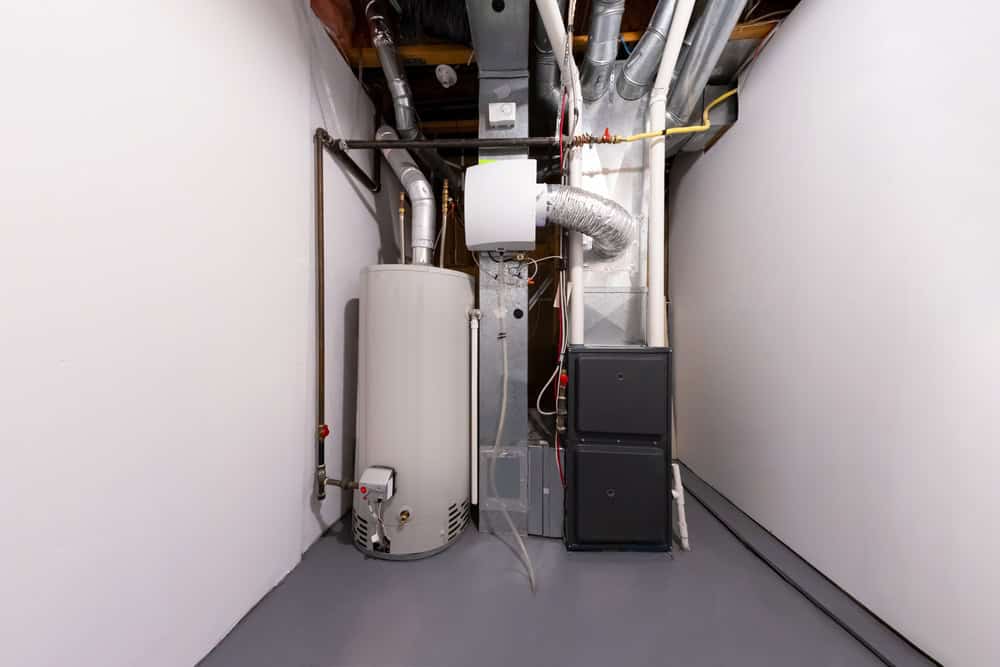
A water heater, furnace, and air ducts are installed in a clean, white-walled utility room with exposed pipes and ceiling beams. The floor is gray and the space is well-lit—expertly finished by a trusted Plumbing Contractor in Monmouth & Ocean County, NJ.

Summary:

When your heating costs jump month after month without any changes to how you use your furnace, something’s wrong with your system. This guide breaks down the five most common furnace problems that drain your wallet—from clogged filters to failing heat exchangers. You’ll learn what each issue actually costs you, how to spot the warning signs, and when calling for furnace repair in Monmouth County, NJ makes more financial sense than waiting.
Table of contents
You open your energy bill and the number doesn’t make sense. Nothing changed. You’re not running your heat more than last month. The thermostat’s set to the same temperature it’s always been. But somehow, the cost jumped again. When your energy bill spikes without an obvious reason, your furnace is usually the culprit. Something’s making it work harder than it should—burning through fuel to compensate for a part that’s failing, clogged, or just worn out. The good news is most of these problems are fixable before they turn into full system breakdowns. You just need to know what you’re looking for.

Clogged Air Filters Choke Your System and Drain Your Wallet

Your furnace filter has one job: keep dust and debris out of the system. When it clogs up, everything changes. Airflow drops. Your furnace works twice as hard to push heated air through your home. That extra effort shows up on your energy bill every single month.

The Department of Energy found that a clogged filter can spike energy use by 15% or more. For a typical home in Monmouth County, NJ spending $1,200 per year on heating, that’s an extra $180 you’re throwing away. Most homeowners forget about their filters until something goes wrong. If you can’t remember the last time you changed yours, you’ve probably found your problem.
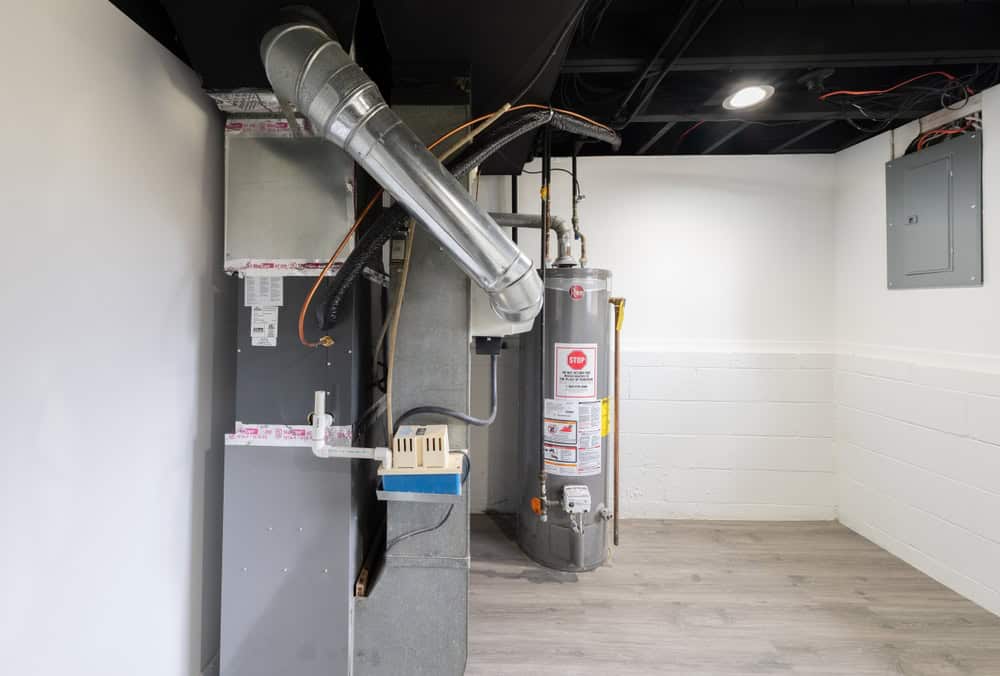
A utility room featuring an HVAC system with visible ductwork and a water heater, essential for seamless trenchless water line repair. The room boasts white walls and a light wooden floor, with a partially visible electrical panel on the right wall.

How a Dirty Filter Actually Costs You Money Every Month

When your filter clogs with dust, pet hair, and debris, your blower motor has to fight to move air through the system. It’s like trying to breathe through a pillow. The motor runs longer and works harder, using more electricity to do the same job it used to do easily.

But the real damage happens to your heat exchanger. Restricted airflow means heat builds up inside the furnace instead of moving into your rooms. That overheating stresses metal components that are already expanding and contracting with every heating cycle. Over time, that stress leads to cracks. A cracked heat exchanger isn’t just expensive. It’s dangerous.

When the heat exchanger fails, combustion gases that should vent outside can leak into your home instead. Carbon monoxide doesn’t have a smell. You won’t know it’s there until someone gets sick. Changing your filter every one to three months costs maybe $20. Replacing a heat exchanger runs $900 to $2,500 in labor alone, and that’s if the rest of your furnace is worth saving.

Most HVAC technicians in NJ will tell you the same thing: if your heat exchanger is cracked and your furnace is over 15 years old, replacement makes more financial sense than repair. The filter check takes two minutes. Pop open the panel, slide out the old one, slide in the new one. If it looks gray or you can’t see light through it when you hold it up, it needed changing weeks ago.

What Happens When You Ignore Filter Maintenance in New Jersey

Skipping filter changes doesn’t just cost you in energy bills. It triggers a chain reaction that hits your wallet from multiple directions. First, efficiency drops. Your furnace runs longer to heat the same space. With natural gas bills in NJ rising 16% in late 2025 and winter heating costs averaging $1,200 annually, a 15% efficiency loss adds $180 to your yearly heating costs. That’s $180 you’re spending to get worse performance.

Second, your blower motor wears out faster. Motors aren’t designed to fight restricted airflow. When they do, bearings wear down, capacitors fail, and eventually the motor burns out. A blower motor replacement costs $400 to $600 in parts and labor, plus the service call.

Third, you’re looking at more frequent breakdowns. Furnaces that overheat because of poor airflow don’t fail gradually. They shut down when safety limits trip, usually on the coldest night of the year when every heating repair company in Ocean County, NJ is already booked solid with emergency calls. Emergency service costs 50% to 100% more than scheduled maintenance. After-hours calls range $300 to $500 just to get a technician to your door, before any actual repair work starts.

Compare that to a $200 to $300 tune-up that catches these problems before they strand you without heat. The pattern is predictable: dirty filter leads to overheating, overheating leads to component failure, component failure leads to an emergency call. Emergency calls cost three times what prevention would have cost. All of it avoidable by checking your filter once a month.

Your Thermostat Is Feeding Your Furnace Bad Information

Your thermostat tells your furnace when to run and when to stop. When thermostat calibration is off, it feeds your furnace bad information. The furnace responds by running too long, cycling too often, or heating your home to the wrong temperature. You set it to 68 degrees, but it’s actually reading 64. Your furnace keeps running, trying to hit a target that doesn’t match reality.

Or the sensor drifts the other way and your furnace shuts off while your house is still cold, then kicks back on ten minutes later when the thermostat finally catches up. Either way, you’re paying for the inefficiency. Your heating system works overtime compensating for information that’s just wrong.
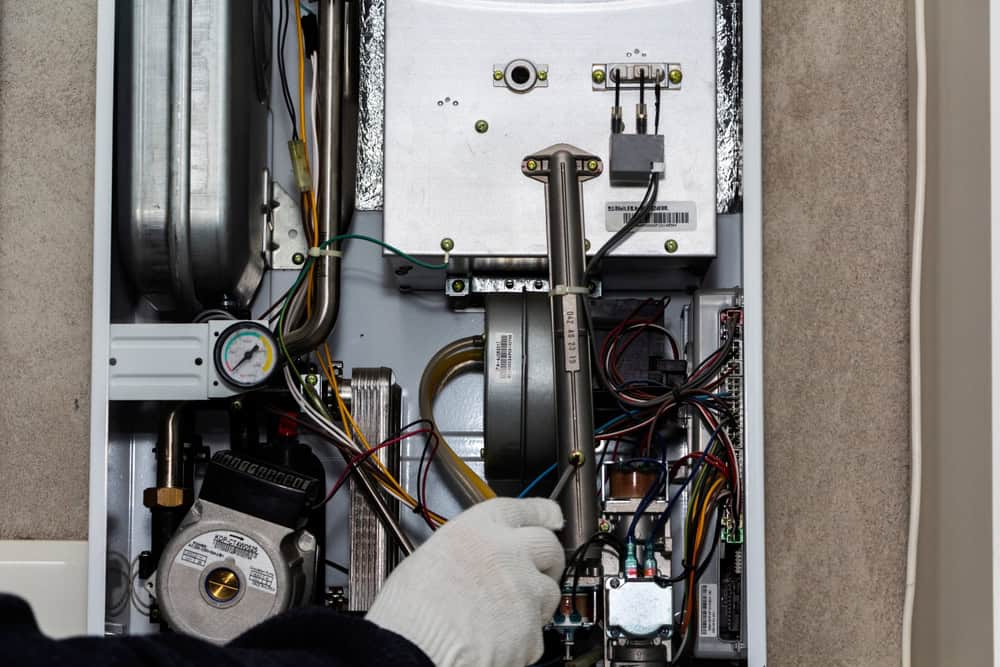
A person wearing a white glove is delicately adjusting wires inside an open heating system panel, reminiscent of the precision needed in trenchless water line repair. The interior displays various components, including wires, circuits, and a pressure gauge.

Signs Your Thermostat Needs Calibration Right Now

A miscalibrated thermostat shows itself in patterns you can spot if you’re paying attention. Rooms feel warmer or colder than the number on the wall. Your furnace runs constantly but never quite gets your home comfortable. Energy bills creep up even though you haven’t changed how you use your heat.

The simplest test takes 15 minutes. Put an accurate thermometer next to your thermostat. Wait for the reading to stabilize. If the difference between what the thermometer shows and what your thermostat displays is more than one or two degrees, calibration is off.

Dust buildup affects accuracy. Thermostats placed in the wrong spot—near a window, above a vent, in direct sunlight—read temperatures that don’t represent what’s happening in the rest of your house. The thermostat thinks it’s doing its job, but it’s making decisions based on conditions that only exist in that one spot. Age plays a role too. Older mechanical thermostats drift out of calibration over time. Bimetallic strips that sense temperature changes wear out. Digital thermostats can have sensor issues or software glitches that throw off readings.

When your thermostat can’t accurately read your home’s temperature, your furnace runs longer than necessary. Longer run times mean higher energy consumption. Higher energy consumption shows up as a spike in your heating bill. The fix might be as simple as recalibrating the thermostat or moving it to a better location, but you won’t know until someone checks it.

Why Thermostat Problems Get Expensive Fast in Monmouth County, NJ

A thermostat that’s off by just three degrees doesn’t sound like a big deal until you run the numbers. If your thermostat reads 65 when your house is actually 68, your furnace never kicks on even though you set it to 70. You’re cold, so you turn it up to 72, and now your furnace is trying to overshoot to compensate.

Every degree you raise your thermostat increases heating costs. When you’re constantly adjusting because the readings don’t match reality, those costs add up fast. Homeowners in Monmouth County, NJ dealing with heating bills averaging $1,200 per year can see a 10% increase—$120—just from thermostat calibration issues forcing the system to run longer.

But the real problem is what constant cycling does to your equipment. Furnaces aren’t designed to turn on and off every few minutes. They’re built for longer cycles that allow components to heat up properly, operate efficiently, and then cool down. Short cycling—when your furnace turns on, runs briefly, then shuts off—puts stress on every part of the system.

Igniters wear out faster. Heat exchangers expand and contract more frequently, accelerating metal fatigue. Blower motors work harder. The cumulative effect shortens your furnace’s lifespan. A well-maintained furnace with proper heating system maintenance in New Jersey should last 15 to 20 years. One that’s constantly short cycling because of thermostat problems might give you 10 to 12 years before major components start failing.

Replacing a thermostat costs $150 to $300 for a basic programmable model, installed. Upgrading to a smart thermostat with better sensors and automatic calibration runs $200 to $500. Compare that to a href=”https://ameplumbingnj.com/furnace-repair-replacement-maintenance/”>replacing a furnace that wore out prematurely: $4,000 to $8,500 in 2026 for a mid-efficiency system in New Jersey. The math isn’t complicated. Fixing your thermostat now saves you thousands later.

When to Call for Furnace Repair in Monmouth County, NJ

Energy bills that spike without explanation are your furnace telling you something’s wrong. Clogged filters, miscalibrated thermostats, duct leaks, failing furnace heat exchanger components, and worn parts all drive up costs while driving down comfort. Most of these problems start small and get expensive when you ignore them.

Regular heating system maintenance catches issues before they turn into emergencies. An annual tune-up costs $200 to $400 and can prevent $1,500 to $3,000 in emergency repairs. It also delivers 5% to 15% energy efficiency gains that save $150 to $300 per year on heating bills in New Jersey—essentially paying for itself.

If your energy bills are climbing, your furnace is running constantly, or your home isn’t staying comfortable, it’s time to have someone look at your system. We serve Monmouth County, NJ and Ocean County, NJ with transparent pricing, licensed technicians, and 24/7 emergency service. Don’t wait for a breakdown in the middle of winter to find out what’s wrong with your furnace.

Summary:

When your heating costs jump month after month without any changes to how you use your furnace, something’s wrong with your system. This guide breaks down the five most common furnace problems that drain your wallet—from clogged filters to failing heat exchangers. You’ll learn what each issue actually costs you, how to spot the warning signs, and when calling for furnace repair in Monmouth County, NJ makes more financial sense than waiting.
Table of contents
You open your energy bill and the number doesn’t make sense. Nothing changed. You’re not running your heat more than last month. The thermostat’s set to the same temperature it’s always been. But somehow, the cost jumped again. When your energy bill spikes without an obvious reason, your furnace is usually the culprit. Something’s making it work harder than it should—burning through fuel to compensate for a part that’s failing, clogged, or just worn out. The good news is most of these problems are fixable before they turn into full system breakdowns. You just need to know what you’re looking for.

Clogged Air Filters Choke Your System and Drain Your Wallet

Your furnace filter has one job: keep dust and debris out of the system. When it clogs up, everything changes. Airflow drops. Your furnace works twice as hard to push heated air through your home. That extra effort shows up on your energy bill every single month.

The Department of Energy found that a clogged filter can spike energy use by 15% or more. For a typical home in Monmouth County, NJ spending $1,200 per year on heating, that’s an extra $180 you’re throwing away. Most homeowners forget about their filters until something goes wrong. If you can’t remember the last time you changed yours, you’ve probably found your problem.

A utility room featuring an HVAC system with visible ductwork and a water heater, essential for seamless trenchless water line repair. The room boasts white walls and a light wooden floor, with a partially visible electrical panel on the right wall.

How a Dirty Filter Actually Costs You Money Every Month

When your filter clogs with dust, pet hair, and debris, your blower motor has to fight to move air through the system. It’s like trying to breathe through a pillow. The motor runs longer and works harder, using more electricity to do the same job it used to do easily.

But the real damage happens to your heat exchanger. Restricted airflow means heat builds up inside the furnace instead of moving into your rooms. That overheating stresses metal components that are already expanding and contracting with every heating cycle. Over time, that stress leads to cracks. A cracked heat exchanger isn’t just expensive. It’s dangerous.

When the heat exchanger fails, combustion gases that should vent outside can leak into your home instead. Carbon monoxide doesn’t have a smell. You won’t know it’s there until someone gets sick. Changing your filter every one to three months costs maybe $20. Replacing a heat exchanger runs $900 to $2,500 in labor alone, and that’s if the rest of your furnace is worth saving.

Most HVAC technicians in NJ will tell you the same thing: if your heat exchanger is cracked and your furnace is over 15 years old, replacement makes more financial sense than repair. The filter check takes two minutes. Pop open the panel, slide out the old one, slide in the new one. If it looks gray or you can’t see light through it when you hold it up, it needed changing weeks ago.

What Happens When You Ignore Filter Maintenance in New Jersey

Skipping filter changes doesn’t just cost you in energy bills. It triggers a chain reaction that hits your wallet from multiple directions. First, efficiency drops. Your furnace runs longer to heat the same space. With natural gas bills in NJ rising 16% in late 2025 and winter heating costs averaging $1,200 annually, a 15% efficiency loss adds $180 to your yearly heating costs. That’s $180 you’re spending to get worse performance.

Second, your blower motor wears out faster. Motors aren’t designed to fight restricted airflow. When they do, bearings wear down, capacitors fail, and eventually the motor burns out. A blower motor replacement costs $400 to $600 in parts and labor, plus the service call.

Third, you’re looking at more frequent breakdowns. Furnaces that overheat because of poor airflow don’t fail gradually. They shut down when safety limits trip, usually on the coldest night of the year when every heating repair company in Ocean County, NJ is already booked solid with emergency calls. Emergency service costs 50% to 100% more than scheduled maintenance. After-hours calls range $300 to $500 just to get a technician to your door, before any actual repair work starts.

Compare that to a $200 to $300 tune-up that catches these problems before they strand you without heat. The pattern is predictable: dirty filter leads to overheating, overheating leads to component failure, component failure leads to an emergency call. Emergency calls cost three times what prevention would have cost. All of it avoidable by checking your filter once a month.

Your Thermostat Is Feeding Your Furnace Bad Information

Your thermostat tells your furnace when to run and when to stop. When thermostat calibration is off, it feeds your furnace bad information. The furnace responds by running too long, cycling too often, or heating your home to the wrong temperature. You set it to 68 degrees, but it’s actually reading 64. Your furnace keeps running, trying to hit a target that doesn’t match reality.

Or the sensor drifts the other way and your furnace shuts off while your house is still cold, then kicks back on ten minutes later when the thermostat finally catches up. Either way, you’re paying for the inefficiency. Your heating system works overtime compensating for information that’s just wrong.

A person wearing a white glove is delicately adjusting wires inside an open heating system panel, reminiscent of the precision needed in trenchless water line repair. The interior displays various components, including wires, circuits, and a pressure gauge.

Signs Your Thermostat Needs Calibration Right Now

A miscalibrated thermostat shows itself in patterns you can spot if you’re paying attention. Rooms feel warmer or colder than the number on the wall. Your furnace runs constantly but never quite gets your home comfortable. Energy bills creep up even though you haven’t changed how you use your heat.

The simplest test takes 15 minutes. Put an accurate thermometer next to your thermostat. Wait for the reading to stabilize. If the difference between what the thermometer shows and what your thermostat displays is more than one or two degrees, calibration is off.

Dust buildup affects accuracy. Thermostats placed in the wrong spot—near a window, above a vent, in direct sunlight—read temperatures that don’t represent what’s happening in the rest of your house. The thermostat thinks it’s doing its job, but it’s making decisions based on conditions that only exist in that one spot. Age plays a role too. Older mechanical thermostats drift out of calibration over time. Bimetallic strips that sense temperature changes wear out. Digital thermostats can have sensor issues or software glitches that throw off readings.

When your thermostat can’t accurately read your home’s temperature, your furnace runs longer than necessary. Longer run times mean higher energy consumption. Higher energy consumption shows up as a spike in your heating bill. The fix might be as simple as recalibrating the thermostat or moving it to a better location, but you won’t know until someone checks it.

Why Thermostat Problems Get Expensive Fast in Monmouth County, NJ

A thermostat that’s off by just three degrees doesn’t sound like a big deal until you run the numbers. If your thermostat reads 65 when your house is actually 68, your furnace never kicks on even though you set it to 70. You’re cold, so you turn it up to 72, and now your furnace is trying to overshoot to compensate.

Every degree you raise your thermostat increases heating costs. When you’re constantly adjusting because the readings don’t match reality, those costs add up fast. Homeowners in Monmouth County, NJ dealing with heating bills averaging $1,200 per year can see a 10% increase—$120—just from thermostat calibration issues forcing the system to run longer.

But the real problem is what constant cycling does to your equipment. Furnaces aren’t designed to turn on and off every few minutes. They’re built for longer cycles that allow components to heat up properly, operate efficiently, and then cool down. Short cycling—when your furnace turns on, runs briefly, then shuts off—puts stress on every part of the system.

Igniters wear out faster. Heat exchangers expand and contract more frequently, accelerating metal fatigue. Blower motors work harder. The cumulative effect shortens your furnace’s lifespan. A well-maintained furnace with proper heating system maintenance in New Jersey should last 15 to 20 years. One that’s constantly short cycling because of thermostat problems might give you 10 to 12 years before major components start failing.

Replacing a thermostat costs $150 to $300 for a basic programmable model, installed. Upgrading to a smart thermostat with better sensors and automatic calibration runs $200 to $500. Compare that to a href=”https://ameplumbingnj.com/furnace-repair-replacement-maintenance/”>replacing a furnace that wore out prematurely: $4,000 to $8,500 in 2026 for a mid-efficiency system in New Jersey. The math isn’t complicated. Fixing your thermostat now saves you thousands later.

When to Call for Furnace Repair in Monmouth County, NJ

Energy bills that spike without explanation are your furnace telling you something’s wrong. Clogged filters, miscalibrated thermostats, duct leaks, failing furnace heat exchanger components, and worn parts all drive up costs while driving down comfort. Most of these problems start small and get expensive when you ignore them.

Regular heating system maintenance catches issues before they turn into emergencies. An annual tune-up costs $200 to $400 and can prevent $1,500 to $3,000 in emergency repairs. It also delivers 5% to 15% energy efficiency gains that save $150 to $300 per year on heating bills in New Jersey—essentially paying for itself.

If your energy bills are climbing, your furnace is running constantly, or your home isn’t staying comfortable, it’s time to have someone look at your system. We serve Monmouth County, NJ and Ocean County, NJ with transparent pricing, licensed technicians, and 24/7 emergency service. Don’t wait for a breakdown in the middle of winter to find out what’s wrong with your furnace.

Article details:

Share: