Servicing Areas Throughout New Jersey

The Best Modern Methods: Why Hydro-Jetting is the Future of Drain Cleaning in 2026

Traditional drain cleaning just pokes holes through clogs. Hydro-jetting actually removes the buildup causing them, delivering results that last years instead of weeks.

Share:

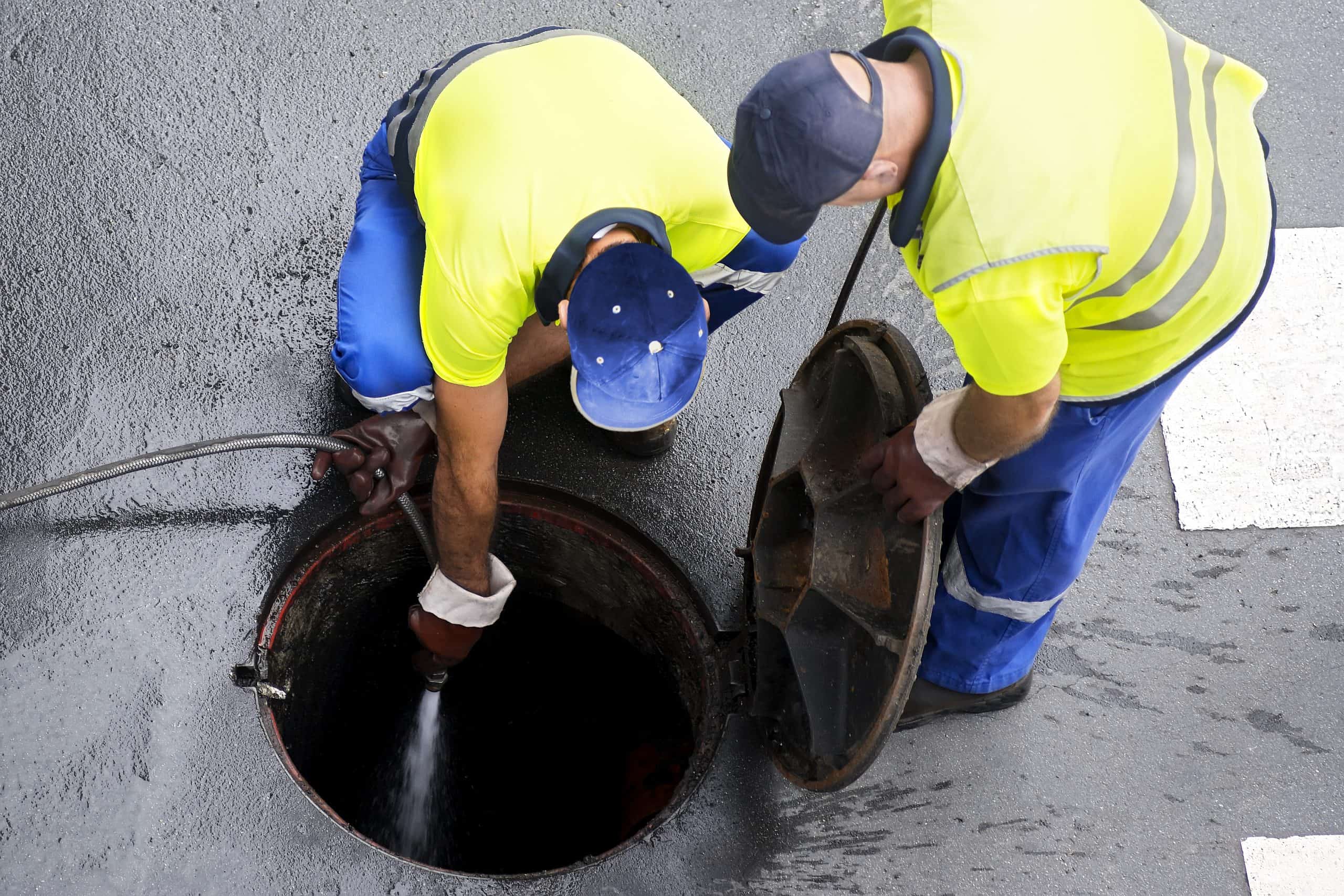
Hydro-jetting drain cleaning by professionals using high-pressure water to clear blockages.

Summary:

If you’ve dealt with the same clog three times this year, you already know traditional methods aren’t cutting it. Hydro-jetting uses high-pressure water to scour pipes clean from wall to wall, removing grease, mineral deposits, tree roots, and debris completely. It’s more thorough than snaking, safer than chemicals, and delivers results that actually last. Here’s what makes it the go-to solution for homeowners and businesses throughout Monmouth County, Ocean County, and Middlesex County, NJ in 2026.
Table of contents
You’ve snaked the drain. Poured the chemicals. Waited. And three weeks later, you’re standing in the same puddle of water that won’t go down. Here’s the thing: most drain cleaning methods don’t actually clean your pipes. They just punch a hole through whatever’s blocking them. The grease stays. The mineral buildup clings to the walls. And the clog comes right back. Hydro-jetting works differently. It uses high-pressure water to scour the entire interior of your pipes, removing everything that’s been building up for years. That’s why we and other plumbers across Monmouth County, Ocean County, and Middlesex County, NJ are calling it the future of drain cleaning. Let’s talk about why.

What Is Hydro-Jetting and How Does It Actually Work

Hydro-jetting is a drain cleaning method that uses pressurized water—usually between 3,000 and 4,000 PSI—to blast through clogs and scour pipe walls clean. Think of it like a pressure washer for the inside of your plumbing.

We feed a specialized hose with a multi-directional nozzle into your drain or sewer line. The nozzle sprays water forward to propel itself through the pipe and backward to clean the walls as it moves. The force is strong enough to cut through grease, break up mineral deposits, shred tree roots, and flush everything downstream.

Before starting, we run a video camera inspection through your pipes. This shows exactly where the blockage is, what’s causing it, and whether your pipes can handle the pressure. Older pipes made from clay or heavily corroded cast iron might not be candidates, which is why the inspection matters.
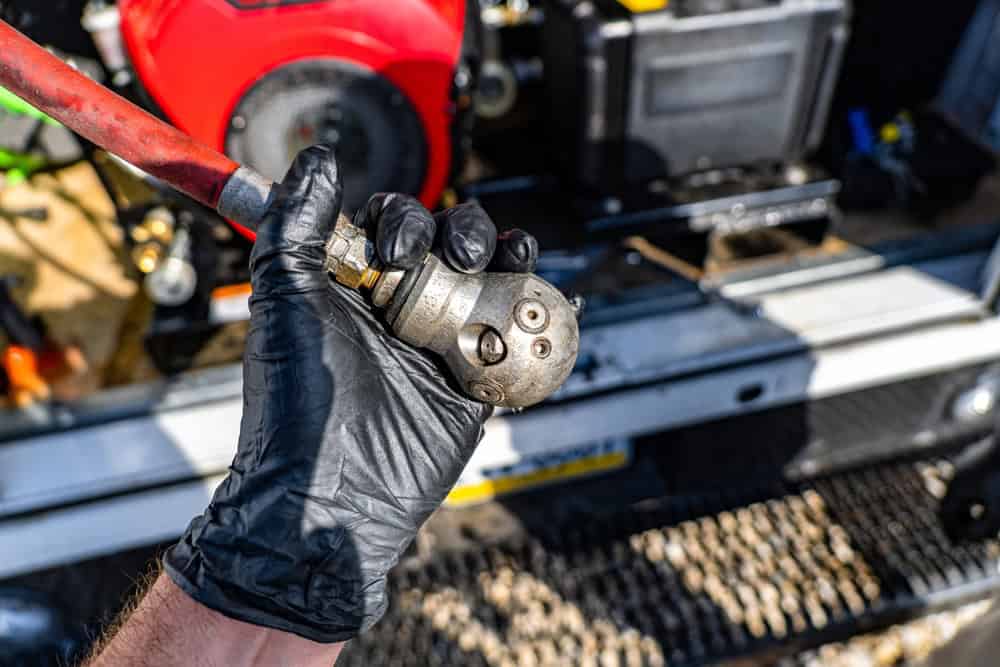
A person wearing a black glove holds a metal nozzle used for hydro jetting in front of a vehicle with equipment. The nozzle has multiple holes and is positioned against a blurred background of machinery and tools.

Why Video Inspection Comes First

You can’t fix what you can’t see. That’s why professional hydro-jetting starts with a camera inspection.

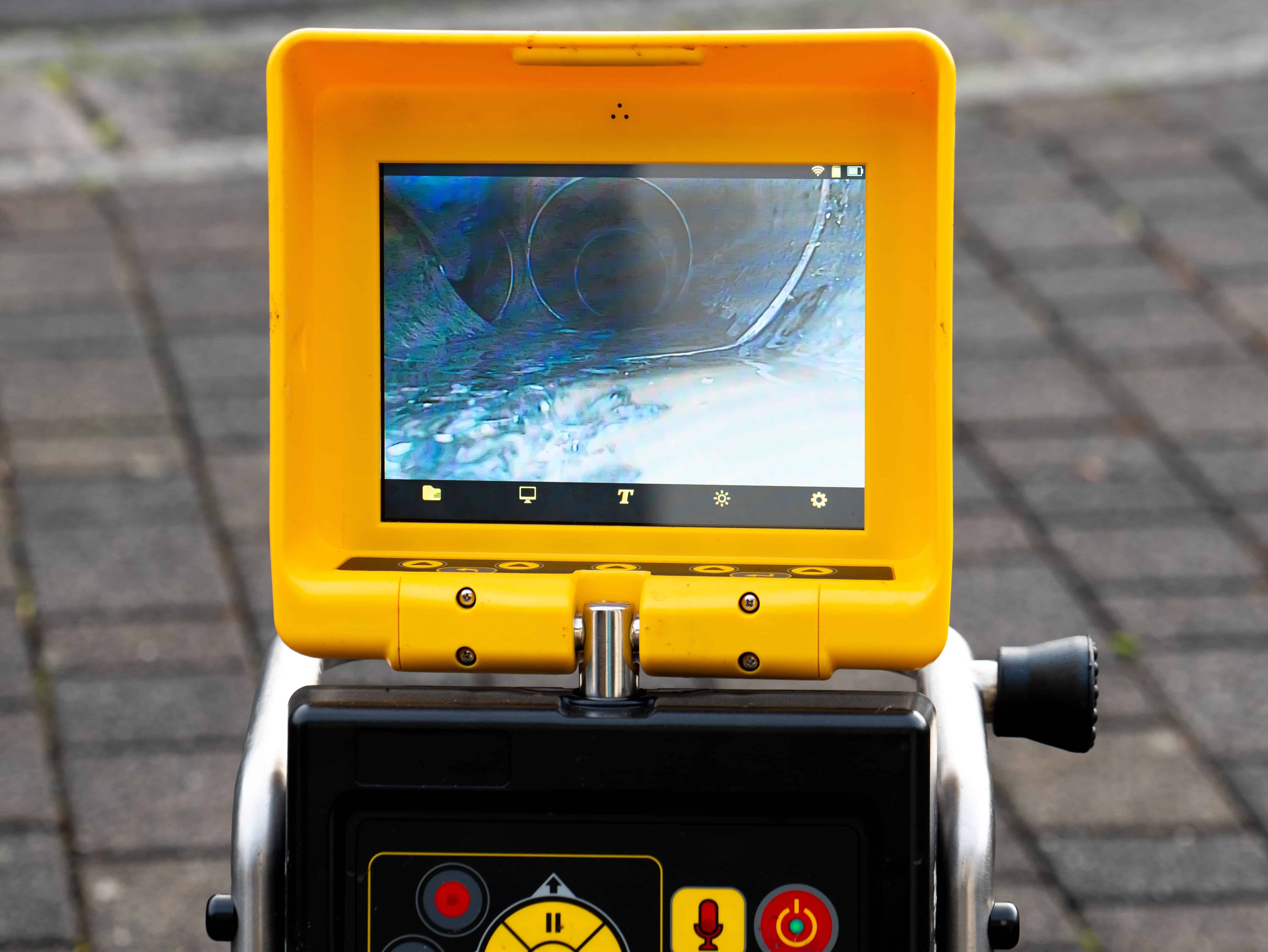
We insert a waterproof CCTV camera into your drain line and watch a live feed as it travels through your pipes. This reveals the exact location of blockages, the type of buildup you’re dealing with, and the overall condition of your plumbing system. It also identifies cracks, bellied sections, or areas where tree roots have broken through.

This step isn’t optional. Hydro-jetting generates enough pressure to damage pipes that are already compromised. If your sewer line has a crack or your cast iron pipes are paper-thin from decades of corrosion, blasting them with 4,000 PSI of water could turn a clog into a ruptured pipe.

The inspection takes about 30 minutes and typically costs between $150 and $350 in New Jersey. Some plumbing companies include it as part of the hydro-jetting service. Either way, it’s worth it. You get a clear diagnosis, a recording you can review, and the peace of mind that comes from knowing exactly what you’re dealing with.

Once the inspection confirms your pipes can handle hydro-jetting, we select the right nozzle for your specific blockage. Different nozzles work better for different problems. A grease-cutting nozzle has a different spray pattern than one designed for tree roots or mineral scale. That customization is part of what makes hydro-jetting so effective.

The Hydro-Jetting Process From Start to Finish

After the video inspection, we locate your cleanout—the access point to your main sewer line. Most homes have one near the foundation or in the basement. We remove the cap and insert the hydro-jetting hose.

The machine kicks on, and water starts flowing through the nozzle at high pressure. We slowly feed the hose deeper into the pipe, letting the water do the work. As the nozzle moves forward, it blasts away everything in its path. Grease liquefies. Mineral deposits break apart. Tree roots get shredded. The debris flushes downstream toward the municipal sewer or septic system.

The backward-facing jets clean the pipe walls as the hose advances. This is what sets hydro-jetting apart from snaking. A drain snake creates a hole through the clog, maybe two inches wide. Hydro-jetting cleans the entire diameter of the pipe, removing the buildup that caused the clog in the first place.

The process takes anywhere from 30 minutes to a few hours depending on the length of your sewer line and the severity of the blockage. For a typical residential job in Monmouth County, Ocean County, or Middlesex County, NJ, expect it to take about an hour.

Once we finish, we’ll often run the camera through again to confirm everything is clear. You’ll see the difference on the monitor. Pipes that were coated with grease or choked with scale now look clean and smooth. Water flows freely. The job is done.

We recommend hydro-jetting every 18 to 24 months as preventive maintenance, especially if you have older pipes or trees near your sewer line. Homes with heavy use—large families, in-home businesses, or properties with multiple bathrooms—might benefit from annual service. Commercial properties, particularly restaurants, often need it more frequently due to grease accumulation.

Hydro-Jetting vs Traditional Drain Cleaning Methods

When your drain backs up, you have options. You can try a plunger. Pour some chemicals down there. Call a plumber to snake it. Or you can have it hydro-jetted.

Each method has its place, but they’re not all created equal. A plunger works for simple clogs near the drain opening. Chemical drain cleaners can dissolve some organic material, but they’re harsh on pipes and terrible for the environment. Snaking—also called augering or rootering—uses a rotating cable to break through blockages. It’s effective for straightforward clogs and costs less upfront, usually between $100 and $250 in New Jersey.

But here’s what snaking doesn’t do: it doesn’t clean your pipes. The cable punches a hole through the obstruction, maybe an inch and a half wide. Water can flow again, so the immediate problem is solved. But the grease coating the walls? Still there. The mineral scale narrowing the pipe? Untouched. The soap scum and debris? Clinging to the sides, ready to catch the next wad of hair or food scraps that comes down the drain.

A red pressure washer with wheels is set on a brick pavement outdoors, ready for hydro jetting services. Black cables are coiled on top, and a house stands in the background beneath the bright blue sky.

Why Hydro-Jetting Delivers Longer-Lasting Results

Hydro-jetting removes the buildup, not just the blockage. That’s the difference between a fix that lasts a few months and one that lasts a few years.

When you snake a drain, you’re treating the symptom. When you hydro-jet it, you’re addressing the cause. The high-pressure water scours the entire interior surface of the pipe, stripping away the layers of grease, soap scum, mineral deposits, and organic matter that have been accumulating for years. What you’re left with is a pipe that’s as close to its original condition as possible without replacement.

This thoroughness translates to fewer service calls. Homeowners who have their drains snaked often find themselves calling the plumber again within six months. Hydro-jetting typically keeps drains clear for a year or two, sometimes longer depending on usage and what goes down your drains. For commercial properties—especially restaurants where grease is a constant issue—hydro-jetting can extend the time between cleanings significantly compared to traditional methods.

The cost difference reflects this. Hydro-jetting in New Jersey typically runs between $350 and $600 for residential service, compared to $100 to $250 for snaking. But if you’re paying for snaking three times a year, you’re spending more money and dealing with more disruption than if you’d just hydro-jetted once.

There’s also the environmental angle. Hydro-jetting uses only water. No harsh chemicals that corrode your pipes or contaminate groundwater. No toxic fumes. No hazardous waste. For homeowners near lakes, rivers, or areas with well water, that matters. For anyone who cares about what goes into their local water supply, it matters.

And unlike chemical drain cleaners, which can damage pipes over time—especially older metal pipes—hydro-jetting is gentle on your plumbing when done correctly. The water pressure is adjustable, and a skilled plumber knows how to calibrate it for your specific pipe material and condition.

When Hydro-Jetting Is the Right Call

Hydro-jetting isn’t always necessary. For a simple toilet paper clog or a hairball near the drain opening, a plunger or basic snaking will do the job. But there are situations where hydro-jetting is the only method that makes sense.

Recurring clogs top the list. If you’re dealing with the same slow drain or backup every few months, there’s buildup in your pipes that snaking isn’t removing. Hydro-jetting clears it out completely, breaking the cycle.

Slow drainage throughout multiple fixtures is another red flag. When your kitchen sink, bathroom sink, and shower all drain slowly at the same time, the problem is in your main sewer line, not the individual drain. That’s a job for hydro-jetting. The main line has a larger diameter and more surface area for buildup to accumulate, and it’s too far from the drain openings for snaking to be fully effective.

Foul odors coming from your drains suggest organic matter decomposing in your pipes. That smell isn’t just unpleasant—it’s a sign of bacteria growth. Hydro-jetting removes the source of the odor by flushing out all the organic material and bacteria clinging to the pipe walls.

Tree root infiltration is a common problem in older neighborhoods throughout Monmouth County, Ocean County, and Middlesex County, NJ. Many homes built before the 1980s have sewer lines made from clay tile, which has joints that tree roots can penetrate. Once roots get inside, they grow and create blockages. Hydro-jetting can cut through and remove early-stage root intrusions. For more severe cases, you might need additional services like root cutting or pipe lining, but hydro-jetting is usually part of the solution.

Grease buildup in commercial kitchens is another situation where hydro-jetting shines. Restaurants, cafeterias, and food service facilities deal with massive amounts of grease that coats pipes and solidifies over time. Traditional methods can’t remove it effectively. Hydro-jetting—especially hot water hydro-jetting—liquefies the grease and flushes it out of the system.

Preventive maintenance is the smartest reason to schedule hydro-jetting. You don’t have to wait for a backup. Having your main sewer line hydro-jetted every year or two keeps buildup from reaching the point where it causes problems. It’s like getting your teeth cleaned at the dentist. Regular maintenance prevents bigger issues down the road.

Making the Right Choice for Your Plumbing in Monmouth County, Ocean County, and Middlesex County, NJ

If you’re tired of dealing with the same drain problems over and over, hydro-jetting might be exactly what your plumbing system needs. It’s thorough, effective, and delivers results that actually last.

The key is working with a licensed plumber who knows what they’re doing. Hydro-jetting requires specialized equipment, proper training, and the experience to assess whether your pipes can handle the pressure. Done wrong, it can cause damage. Done right, it solves problems that have been plaguing your plumbing for years.

A good plumber will start with a video inspection, explain what they find, give you a transparent quote, and answer your questions without pressure. We’ll tell you if hydro-jetting is the best solution or if another approach makes more sense for your situation.

For homeowners and businesses throughout Monmouth County, Ocean County, and Middlesex County, NJ dealing with recurring clogs, slow drains, or sewer line issues, we at AME Plumbing Heating and Cooling offer professional hydro-jetting services backed by years of experience and a commitment to doing the job right.
Summary:

If you’ve dealt with the same clog three times this year, you already know traditional methods aren’t cutting it. Hydro-jetting uses high-pressure water to scour pipes clean from wall to wall, removing grease, mineral deposits, tree roots, and debris completely. It’s more thorough than snaking, safer than chemicals, and delivers results that actually last. Here’s what makes it the go-to solution for homeowners and businesses throughout Monmouth County, Ocean County, and Middlesex County, NJ in 2026.
Table of contents
You’ve snaked the drain. Poured the chemicals. Waited. And three weeks later, you’re standing in the same puddle of water that won’t go down. Here’s the thing: most drain cleaning methods don’t actually clean your pipes. They just punch a hole through whatever’s blocking them. The grease stays. The mineral buildup clings to the walls. And the clog comes right back. Hydro-jetting works differently. It uses high-pressure water to scour the entire interior of your pipes, removing everything that’s been building up for years. That’s why we and other plumbers across Monmouth County, Ocean County, and Middlesex County, NJ are calling it the future of drain cleaning. Let’s talk about why.

What Is Hydro-Jetting and How Does It Actually Work

Hydro-jetting is a drain cleaning method that uses pressurized water—usually between 3,000 and 4,000 PSI—to blast through clogs and scour pipe walls clean. Think of it like a pressure washer for the inside of your plumbing.

We feed a specialized hose with a multi-directional nozzle into your drain or sewer line. The nozzle sprays water forward to propel itself through the pipe and backward to clean the walls as it moves. The force is strong enough to cut through grease, break up mineral deposits, shred tree roots, and flush everything downstream.

Before starting, we run a video camera inspection through your pipes. This shows exactly where the blockage is, what’s causing it, and whether your pipes can handle the pressure. Older pipes made from clay or heavily corroded cast iron might not be candidates, which is why the inspection matters.

A person wearing a black glove holds a metal nozzle used for hydro jetting in front of a vehicle with equipment. The nozzle has multiple holes and is positioned against a blurred background of machinery and tools.

Why Video Inspection Comes First

You can’t fix what you can’t see. That’s why professional hydro-jetting starts with a camera inspection.

We insert a waterproof CCTV camera into your drain line and watch a live feed as it travels through your pipes. This reveals the exact location of blockages, the type of buildup you’re dealing with, and the overall condition of your plumbing system. It also identifies cracks, bellied sections, or areas where tree roots have broken through.

This step isn’t optional. Hydro-jetting generates enough pressure to damage pipes that are already compromised. If your sewer line has a crack or your cast iron pipes are paper-thin from decades of corrosion, blasting them with 4,000 PSI of water could turn a clog into a ruptured pipe.

The inspection takes about 30 minutes and typically costs between $150 and $350 in New Jersey. Some plumbing companies include it as part of the hydro-jetting service. Either way, it’s worth it. You get a clear diagnosis, a recording you can review, and the peace of mind that comes from knowing exactly what you’re dealing with.

Once the inspection confirms your pipes can handle hydro-jetting, we select the right nozzle for your specific blockage. Different nozzles work better for different problems. A grease-cutting nozzle has a different spray pattern than one designed for tree roots or mineral scale. That customization is part of what makes hydro-jetting so effective.

The Hydro-Jetting Process From Start to Finish

After the video inspection, we locate your cleanout—the access point to your main sewer line. Most homes have one near the foundation or in the basement. We remove the cap and insert the hydro-jetting hose.

The machine kicks on, and water starts flowing through the nozzle at high pressure. We slowly feed the hose deeper into the pipe, letting the water do the work. As the nozzle moves forward, it blasts away everything in its path. Grease liquefies. Mineral deposits break apart. Tree roots get shredded. The debris flushes downstream toward the municipal sewer or septic system.

The backward-facing jets clean the pipe walls as the hose advances. This is what sets hydro-jetting apart from snaking. A drain snake creates a hole through the clog, maybe two inches wide. Hydro-jetting cleans the entire diameter of the pipe, removing the buildup that caused the clog in the first place.

The process takes anywhere from 30 minutes to a few hours depending on the length of your sewer line and the severity of the blockage. For a typical residential job in Monmouth County, Ocean County, or Middlesex County, NJ, expect it to take about an hour.

Once we finish, we’ll often run the camera through again to confirm everything is clear. You’ll see the difference on the monitor. Pipes that were coated with grease or choked with scale now look clean and smooth. Water flows freely. The job is done.

We recommend hydro-jetting every 18 to 24 months as preventive maintenance, especially if you have older pipes or trees near your sewer line. Homes with heavy use—large families, in-home businesses, or properties with multiple bathrooms—might benefit from annual service. Commercial properties, particularly restaurants, often need it more frequently due to grease accumulation.

Hydro-Jetting vs Traditional Drain Cleaning Methods

When your drain backs up, you have options. You can try a plunger. Pour some chemicals down there. Call a plumber to snake it. Or you can have it hydro-jetted.

Each method has its place, but they’re not all created equal. A plunger works for simple clogs near the drain opening. Chemical drain cleaners can dissolve some organic material, but they’re harsh on pipes and terrible for the environment. Snaking—also called augering or rootering—uses a rotating cable to break through blockages. It’s effective for straightforward clogs and costs less upfront, usually between $100 and $250 in New Jersey.

But here’s what snaking doesn’t do: it doesn’t clean your pipes. The cable punches a hole through the obstruction, maybe an inch and a half wide. Water can flow again, so the immediate problem is solved. But the grease coating the walls? Still there. The mineral scale narrowing the pipe? Untouched. The soap scum and debris? Clinging to the sides, ready to catch the next wad of hair or food scraps that comes down the drain.

A red pressure washer with wheels is set on a brick pavement outdoors, ready for hydro jetting services. Black cables are coiled on top, and a house stands in the background beneath the bright blue sky.

Why Hydro-Jetting Delivers Longer-Lasting Results

Hydro-jetting removes the buildup, not just the blockage. That’s the difference between a fix that lasts a few months and one that lasts a few years.

When you snake a drain, you’re treating the symptom. When you hydro-jet it, you’re addressing the cause. The high-pressure water scours the entire interior surface of the pipe, stripping away the layers of grease, soap scum, mineral deposits, and organic matter that have been accumulating for years. What you’re left with is a pipe that’s as close to its original condition as possible without replacement.

This thoroughness translates to fewer service calls. Homeowners who have their drains snaked often find themselves calling the plumber again within six months. Hydro-jetting typically keeps drains clear for a year or two, sometimes longer depending on usage and what goes down your drains. For commercial properties—especially restaurants where grease is a constant issue—hydro-jetting can extend the time between cleanings significantly compared to traditional methods.

The cost difference reflects this. Hydro-jetting in New Jersey typically runs between $350 and $600 for residential service, compared to $100 to $250 for snaking. But if you’re paying for snaking three times a year, you’re spending more money and dealing with more disruption than if you’d just hydro-jetted once.

There’s also the environmental angle. Hydro-jetting uses only water. No harsh chemicals that corrode your pipes or contaminate groundwater. No toxic fumes. No hazardous waste. For homeowners near lakes, rivers, or areas with well water, that matters. For anyone who cares about what goes into their local water supply, it matters.

And unlike chemical drain cleaners, which can damage pipes over time—especially older metal pipes—hydro-jetting is gentle on your plumbing when done correctly. The water pressure is adjustable, and a skilled plumber knows how to calibrate it for your specific pipe material and condition.

When Hydro-Jetting Is the Right Call

Hydro-jetting isn’t always necessary. For a simple toilet paper clog or a hairball near the drain opening, a plunger or basic snaking will do the job. But there are situations where hydro-jetting is the only method that makes sense.

Recurring clogs top the list. If you’re dealing with the same slow drain or backup every few months, there’s buildup in your pipes that snaking isn’t removing. Hydro-jetting clears it out completely, breaking the cycle.

Slow drainage throughout multiple fixtures is another red flag. When your kitchen sink, bathroom sink, and shower all drain slowly at the same time, the problem is in your main sewer line, not the individual drain. That’s a job for hydro-jetting. The main line has a larger diameter and more surface area for buildup to accumulate, and it’s too far from the drain openings for snaking to be fully effective.

Foul odors coming from your drains suggest organic matter decomposing in your pipes. That smell isn’t just unpleasant—it’s a sign of bacteria growth. Hydro-jetting removes the source of the odor by flushing out all the organic material and bacteria clinging to the pipe walls.

Tree root infiltration is a common problem in older neighborhoods throughout Monmouth County, Ocean County, and Middlesex County, NJ. Many homes built before the 1980s have sewer lines made from clay tile, which has joints that tree roots can penetrate. Once roots get inside, they grow and create blockages. Hydro-jetting can cut through and remove early-stage root intrusions. For more severe cases, you might need additional services like root cutting or pipe lining, but hydro-jetting is usually part of the solution.

Grease buildup in commercial kitchens is another situation where hydro-jetting shines. Restaurants, cafeterias, and food service facilities deal with massive amounts of grease that coats pipes and solidifies over time. Traditional methods can’t remove it effectively. Hydro-jetting—especially hot water hydro-jetting—liquefies the grease and flushes it out of the system.

Preventive maintenance is the smartest reason to schedule hydro-jetting. You don’t have to wait for a backup. Having your main sewer line hydro-jetted every year or two keeps buildup from reaching the point where it causes problems. It’s like getting your teeth cleaned at the dentist. Regular maintenance prevents bigger issues down the road.

Making the Right Choice for Your Plumbing in Monmouth County, Ocean County, and Middlesex County, NJ

If you’re tired of dealing with the same drain problems over and over, hydro-jetting might be exactly what your plumbing system needs. It’s thorough, effective, and delivers results that actually last.

The key is working with a licensed plumber who knows what they’re doing. Hydro-jetting requires specialized equipment, proper training, and the experience to assess whether your pipes can handle the pressure. Done wrong, it can cause damage. Done right, it solves problems that have been plaguing your plumbing for years.

A good plumber will start with a video inspection, explain what they find, give you a transparent quote, and answer your questions without pressure. We’ll tell you if hydro-jetting is the best solution or if another approach makes more sense for your situation.

For homeowners and businesses throughout Monmouth County, Ocean County, and Middlesex County, NJ dealing with recurring clogs, slow drains, or sewer line issues, we at AME Plumbing Heating and Cooling offer professional hydro-jetting services backed by years of experience and a commitment to doing the job right.

Article details:

Share: