

Servicing Areas Throughout New Jersey

Smart Home Integration: How the Best New Water Heaters Alert You Before a Leak Happens

New water heaters with leak detection send phone alerts before flooding starts. Automatic shut-off valves stop water damage in seconds, protecting Monmouth County homes from costly repairs.

Share:

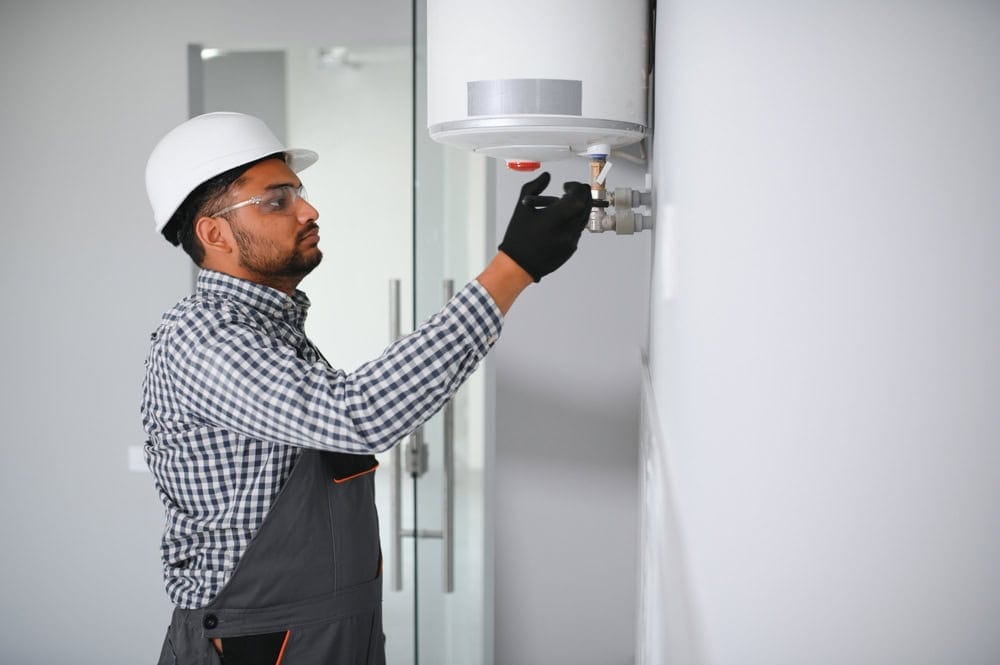
A Plumbing Contractor Monmouth & Ocean County, NJ worker wearing a hard hat, safety glasses, gloves, and checkered shirt installs or repairs a white water heater mounted on a wall inside a room.

Summary:

Water heaters with Wi-Fi leak detection monitor your system 24/7, alerting you to problems before they become emergencies. These smart systems track temperature, pressure, and water flow, catching failing components early. Automatic shut-off valves stop flooding within seconds of detecting leaks, preventing the $13,000+ average water damage claim. For Monmouth County and Ocean County homeowners, where coastal conditions accelerate equipment wear, smart monitoring means catching problems while they’re still small and affordable to fix.
Table of contents
Your water heater sits in your basement or garage, quietly doing its job until the day it doesn’t. There’s no warning before the heating element fails or the tank starts leaking. You just wake up to cold showers or come home to water spreading across your floor, facing emergency repairs and cleanup that could cost thousands. That’s changing. Water heaters with built-in leak detection and Wi-Fi connectivity monitor your system constantly, catching problems when they’re still small. Temperature drops, pressure spikes, tiny leaks—you get alerts on your phone while issues are fixable, not after they’ve caused damage. For homeowners in Monmouth County, NJ and Ocean County, NJ, where salt air and coastal humidity accelerate equipment wear, this early warning system prevents the failures that traditional water heaters hide until it’s too late.

How smart water heaters detect leaks before damage happens

Modern water heaters with leak detection technology watch multiple systems simultaneously. They’re tracking temperature patterns, monitoring pressure levels, measuring water flow, and analyzing energy consumption every minute of every day. When something deviates from normal, you get an alert.

The heating element starts struggling to maintain temperature. Pressure builds higher than it should. A small amount of water flows when everything should be off. Your energy usage climbs without explanation.

These aren’t problems you’d notice until they’ve gotten much worse. A failing heating element means cold showers before you realize something’s wrong. Rising pressure eventually causes tank ruptures. Small leaks go undetected for an average of 75 days, causing extensive damage behind walls or under floors. Smart monitoring catches all of it early, when water heater repair is still straightforward and affordable.

A white tankless water heater, manufactured by Noritz, is mounted on a gray cinder block wall. It's surrounded by a complex network of copper and white PVC pipes, electrical wires, and a floor drain system.

What Wi-Fi enabled water heaters monitor around the clock

Temperature monitoring does more than just maintain hot water. Smart systems track how quickly water heats, how long it stays hot, and whether temperature fluctuates unexpectedly. When your heating element starts wearing out, temperature patterns change before you notice lukewarm showers. The system alerts you to schedule service before the element fails completely, turning a $200 repair into a same-day emergency that costs three times as much.

Pressure tracking prevents catastrophic failures. Water pressure above 80 PSI stresses every component in your water heater, wearing out valves and weakening the tank itself. Smart monitors watch pressure constantly, warning you when levels climb into dangerous territory. That early alert gives you time to install a pressure-reducing valve before your tank develops leaks or, in worst cases, ruptures.

Flow monitoring catches leaks that would otherwise go unnoticed for months. Even a small drip represents water flowing when it shouldn’t, and smart systems detect that immediately. Traditional leak detection relies on water pooling somewhere visible. By that point, you’ve already got damage. Flow monitoring catches leaks at the source, within seconds of starting, before water has time to spread.

Energy consumption patterns reveal hidden problems. If your water heater starts using more electricity or gas without you using more hot water, something’s wrong. Usually it’s sediment buildup forcing your system to work harder, or a failing component that’s no longer efficient. Smart monitoring spots these changes and alerts you to schedule maintenance before the problem gets worse and more expensive.

Humidity and temperature sensors add another layer of protection. Rising humidity near your water heater often indicates a slow leak that hasn’t produced visible water yet. Temperature sensors detect freezing conditions that could cause pipes to burst. In Monmouth County, NJ and Ocean County, NJ, where winter temperatures fluctuate and coastal humidity is constant, these sensors address specific local risks.

Automatic shut-off valves stop flooding before it starts

Getting an alert about a leak is helpful. Having your water automatically shut off the second that leak is detected is what actually prevents damage. Automatic shut-off valves connected to leak detection systems close within seconds, stopping water flow before a minor drip becomes a major flood.

These valves install either on your main water line (protecting your entire home) or directly on your water heater (focusing protection on the appliance most likely to fail). When sensors detect moisture, unusual flow patterns, or pressure spikes that indicate a pipe has burst, the valve closes. You don’t need to be home. You don’t need to be awake. The system handles it, then sends you an alert explaining what happened.

Whole-home systems like Moen Flo and Phyn Plus learn your household’s normal water usage. They know when someone’s taking a shower, when the washing machine is running, and when all water use should be zero because everyone’s asleep or away. When water flows at unexpected times or in unusual amounts, these systems identify the problem and shut off your main water supply.

Point-of-use valves focus specifically on your water heater. They’re simpler and less expensive than whole-home options, but they still provide powerful protection for the single appliance responsible for more water damage claims than any other in your home. If your water heater starts leaking, the valve closes and your home’s main water supply stays on for everything else.

Remote control through smartphone apps gives you the ability to shut off water from anywhere. Heading out for vacation? Close your water shut-off valve from your car and eliminate any worry about leaks while you’re gone. Got an alert about unusual water usage while you’re at work? Shut the water off remotely until you can get home to investigate. That control matters especially for vacation homes and rental properties in Ocean County, NJ, where you’re not always on-site to respond to problems.

Battery backup keeps these systems working during power outages. Many automatic shut-off valves include backup batteries that maintain protection for 24-48 hours even when your electricity is out. In New Jersey, where storms can knock out power when your plumbing is most vulnerable, that backup protection prevents the failures that happen precisely when you can’t respond to them.

Wi-Fi water heaters vs standalone leak detectors for existing systems

You can get smart leak detection two ways: buy a new water heater with monitoring built in, or add standalone leak detection to your current unit. The right choice depends on your water heater’s age, your budget, and how comprehensive you want your protection to be.

Water heaters with integrated Wi-Fi and leak detection, like the A.O. Smith ProLine Master with iCOMM technology, monitor conditions that external sensors can’t see. They track internal temperature patterns, pressure fluctuations, and how hard components are working. They know when sediment is building up, when your anode rod needs replacement, and when heating elements are starting to fail.

Standalone systems work with any water heater, old or new. If your current unit is only a few years old and working well, adding leak detection makes more sense than replacing the entire water heater just to get smart features. These systems focus on detecting moisture and unusual water flow rather than monitoring internal components, but they still catch leaks before serious damage occurs.
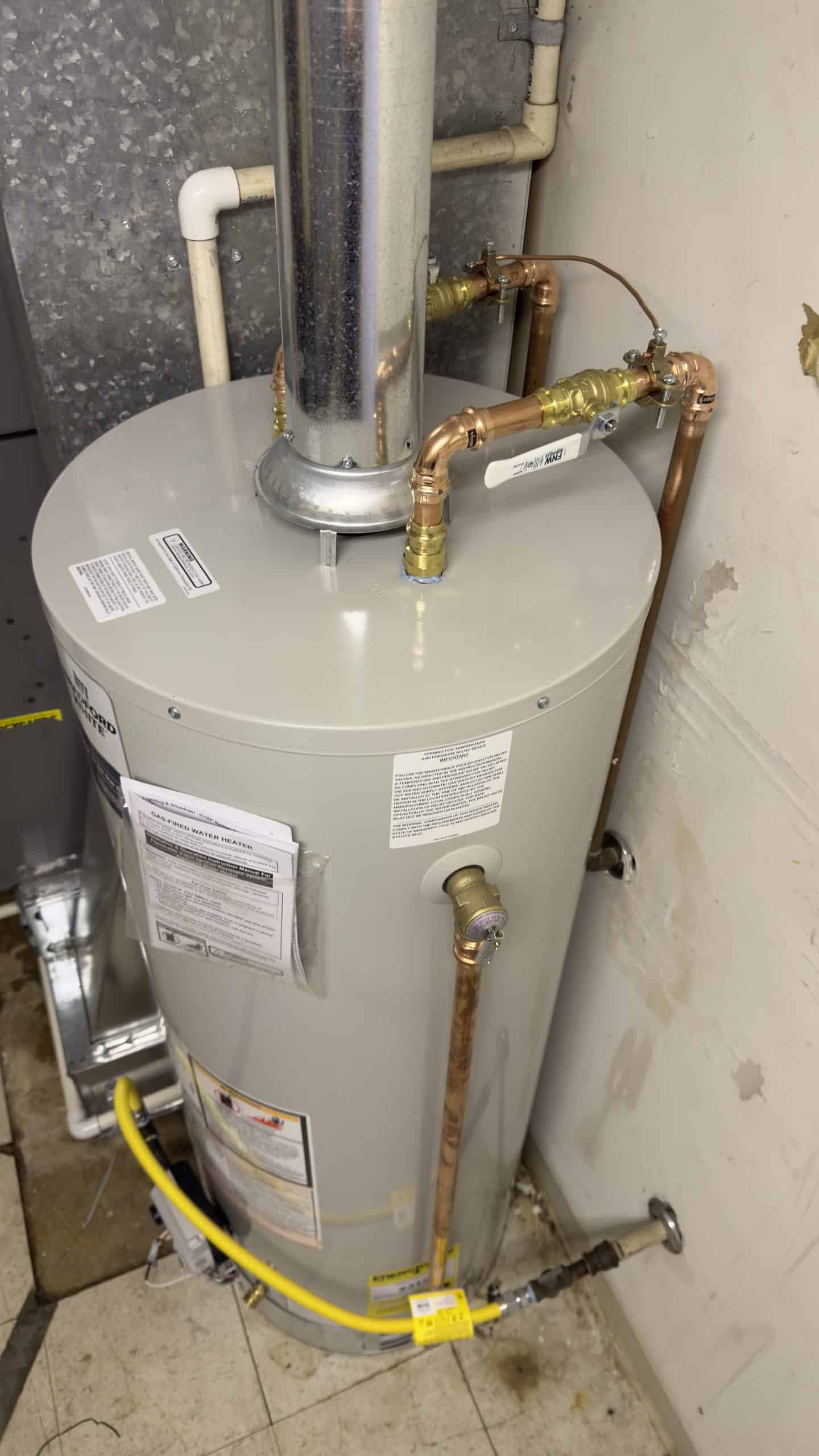
A cylindrical water heater with various copper pipes connected to it is installed in a corner of a room with tiled flooring. There are labels and safety information visible on the tank. A yellow gas line is connected at the bottom.

Built-in monitoring in new smart water heaters

Water heaters with integrated smart technology offer capabilities that standalone sensors can’t match. These systems monitor your water heater from the inside, tracking performance metrics that indicate problems before they cause failures.

A.O. Smith’s ProLine Master series with iCOMM technology represents current smart water heater capabilities. These units include leak sensors, continuous performance monitoring, and smartphone connectivity that lets you check your system’s status from anywhere. The technology isn’t just about convenience—it’s about catching problems early enough to prevent emergency water heater repair calls.

Predictive maintenance changes how you handle service. Instead of waiting for your water heater to fail, smart systems alert you when components are wearing out. Your heating element shows signs of struggle. Sediment buildup reaches levels that reduce efficiency. The anode rod that prevents tank corrosion needs replacement. You get alerts while these are still routine maintenance items, not emergency repairs.

Temperature control adapts to your household’s patterns. The system learns when you use hot water and adjusts heating schedules accordingly. If everyone showers in the morning, water is heated and ready when you need it. During times when hot water demand is low, the system reduces energy consumption. This optimization typically reduces energy costs by 10-15% compared to traditional water heaters running at constant temperature.

Maintenance reminders help you stay on schedule with preventative care. Your water heater knows when it needs flushing to remove sediment, when the anode rod should be inspected, and when other routine service is due. These alerts ensure you don’t forget the maintenance tasks that extend your unit’s lifespan and prevent problems.

Diagnostic data makes repairs faster when something does go wrong. Your smart water heater provides detailed error codes and performance history that plumbers can review before arriving at your home. They show up knowing what’s wrong and carrying the parts needed to fix it, instead of making multiple trips to diagnose the problem and then return with parts.

For properties in Monmouth County, NJ and Ocean County, NJ, these features address specific challenges. Salt air accelerates corrosion. Coastal humidity affects electrical components. Hard water from local supplies speeds up mineral buildup. Your water heater faces more stress here than in inland areas. Smart monitoring helps you manage that accelerated wear before it causes failures that traditional water heaters hide until they break.

Adding smart leak detection to your current water heater

If your water heater is relatively new and performing well, you don’t need to replace it to get leak detection. Standalone monitoring systems provide protection at a fraction of the cost of a new unit, and they work with any water heater regardless of age or brand.

Basic leak detectors cost $20-50 and sit on the floor near your water heater. When water touches the sensor, it sounds an alarm and sends an alert to your phone. These simple devices work well if you’re home most of the time and can respond quickly. They won’t stop the leak, but they’ll notify you immediately so you can shut off water and call for help.

Advanced sensors add temperature and humidity monitoring to moisture detection. These systems warn you about conditions that might lead to leaks before water actually appears—freezing temperatures that could burst pipes, or rising humidity that indicates a slow leak you haven’t noticed yet. Brands like Kidde and First Alert offer these enhanced sensors for $50-100 each.

Whole-home leak detection systems install on your main water line and monitor your entire plumbing system, not just your water heater. Moen Flo, Phyn Plus, FloLogic, and StreamLabs Control learn your household’s normal water usage patterns and automatically shut off water when they detect abnormal flow. These systems cost $500-900 plus professional installation, but they provide comprehensive protection for your water heater, pipes, appliances, and fixtures throughout your home.

Professional installation matters for whole-home systems. A licensed plumber ensures the system integrates correctly with your plumbing, maintains proper water pressure, and works reliably. Installation typically costs $200-400 and takes 1-2 hours. That professional work also preserves your plumbing warranties and ensures compliance with local codes.

Expandability lets you grow your protection over time. Many systems let you start with basic monitoring and add sensors as your budget allows. You might begin with a sensor near your water heater, then add sensors under sinks, near your washing machine, and in your basement. This modular approach makes comprehensive leak detection affordable by spreading costs over months or years.

Insurance discounts often offset the investment. Many insurance companies offer 5-15% discounts on homeowners insurance premiums when you install whole-home leak detection with automatic shut-off. For a typical homeowner in Monmouth County, NJ paying $1,500 annually for insurance, that’s $75-225 in savings every year—enough to pay for a basic system within 2-3 years while providing protection that could prevent a $13,000+ water damage claim.

Preventing water damage with smart technology in coastal New Jersey

Water heater failures happen without warning. One day everything works fine. The next day you’re dealing with cold showers or water damage. By the time you notice something’s wrong, you’re already facing emergency repairs and potential flooding.

Smart leak detection changes that timeline. You get alerts when problems are developing, while they’re still small and fixable. A heating element that’s wearing out. Pressure climbing higher than it should. A small leak that would normally go unnoticed for weeks. These early warnings let you schedule water heater repair at your convenience instead of facing middle-of-the-night emergencies.

For homeowners in Monmouth County, NJ and Ocean County, NJ, where coastal conditions accelerate equipment wear, this early detection matters even more. Salt air corrodes components faster. Humidity affects electrical parts. Hard water speeds up sediment buildup. Water heaters work harder and fail sooner here than inland. Smart monitoring helps you stay ahead of that accelerated wear.

The investment pays for itself by preventing even one water damage incident. With average water damage claims costing over $13,000 and one in sixty homes filing a claim each year, the protection makes financial sense beyond just convenience and peace of mind.

We install Wi-Fi enabled water heaters and smart leak detection systems throughout Monmouth County, NJ and Ocean County, NJ. Our licensed technicians understand the specific challenges coastal properties face and can help you choose the right system for your home and budget, with transparent pricing and quality work that protects your investment for years to come.
Summary:

Water heaters with Wi-Fi leak detection monitor your system 24/7, alerting you to problems before they become emergencies. These smart systems track temperature, pressure, and water flow, catching failing components early. Automatic shut-off valves stop flooding within seconds of detecting leaks, preventing the $13,000+ average water damage claim. For Monmouth County and Ocean County homeowners, where coastal conditions accelerate equipment wear, smart monitoring means catching problems while they’re still small and affordable to fix.
Table of contents
Your water heater sits in your basement or garage, quietly doing its job until the day it doesn’t. There’s no warning before the heating element fails or the tank starts leaking. You just wake up to cold showers or come home to water spreading across your floor, facing emergency repairs and cleanup that could cost thousands. That’s changing. Water heaters with built-in leak detection and Wi-Fi connectivity monitor your system constantly, catching problems when they’re still small. Temperature drops, pressure spikes, tiny leaks—you get alerts on your phone while issues are fixable, not after they’ve caused damage. For homeowners in Monmouth County, NJ and Ocean County, NJ, where salt air and coastal humidity accelerate equipment wear, this early warning system prevents the failures that traditional water heaters hide until it’s too late.

How smart water heaters detect leaks before damage happens

Modern water heaters with leak detection technology watch multiple systems simultaneously. They’re tracking temperature patterns, monitoring pressure levels, measuring water flow, and analyzing energy consumption every minute of every day. When something deviates from normal, you get an alert.

The heating element starts struggling to maintain temperature. Pressure builds higher than it should. A small amount of water flows when everything should be off. Your energy usage climbs without explanation.

These aren’t problems you’d notice until they’ve gotten much worse. A failing heating element means cold showers before you realize something’s wrong. Rising pressure eventually causes tank ruptures. Small leaks go undetected for an average of 75 days, causing extensive damage behind walls or under floors. Smart monitoring catches all of it early, when water heater repair is still straightforward and affordable.

A white tankless water heater, manufactured by Noritz, is mounted on a gray cinder block wall. It's surrounded by a complex network of copper and white PVC pipes, electrical wires, and a floor drain system.

What Wi-Fi enabled water heaters monitor around the clock

Temperature monitoring does more than just maintain hot water. Smart systems track how quickly water heats, how long it stays hot, and whether temperature fluctuates unexpectedly. When your heating element starts wearing out, temperature patterns change before you notice lukewarm showers. The system alerts you to schedule service before the element fails completely, turning a $200 repair into a same-day emergency that costs three times as much.

Pressure tracking prevents catastrophic failures. Water pressure above 80 PSI stresses every component in your water heater, wearing out valves and weakening the tank itself. Smart monitors watch pressure constantly, warning you when levels climb into dangerous territory. That early alert gives you time to install a pressure-reducing valve before your tank develops leaks or, in worst cases, ruptures.

Flow monitoring catches leaks that would otherwise go unnoticed for months. Even a small drip represents water flowing when it shouldn’t, and smart systems detect that immediately. Traditional leak detection relies on water pooling somewhere visible. By that point, you’ve already got damage. Flow monitoring catches leaks at the source, within seconds of starting, before water has time to spread.

Energy consumption patterns reveal hidden problems. If your water heater starts using more electricity or gas without you using more hot water, something’s wrong. Usually it’s sediment buildup forcing your system to work harder, or a failing component that’s no longer efficient. Smart monitoring spots these changes and alerts you to schedule maintenance before the problem gets worse and more expensive.

Humidity and temperature sensors add another layer of protection. Rising humidity near your water heater often indicates a slow leak that hasn’t produced visible water yet. Temperature sensors detect freezing conditions that could cause pipes to burst. In Monmouth County, NJ and Ocean County, NJ, where winter temperatures fluctuate and coastal humidity is constant, these sensors address specific local risks.

Automatic shut-off valves stop flooding before it starts

Getting an alert about a leak is helpful. Having your water automatically shut off the second that leak is detected is what actually prevents damage. Automatic shut-off valves connected to leak detection systems close within seconds, stopping water flow before a minor drip becomes a major flood.

These valves install either on your main water line (protecting your entire home) or directly on your water heater (focusing protection on the appliance most likely to fail). When sensors detect moisture, unusual flow patterns, or pressure spikes that indicate a pipe has burst, the valve closes. You don’t need to be home. You don’t need to be awake. The system handles it, then sends you an alert explaining what happened.

Whole-home systems like Moen Flo and Phyn Plus learn your household’s normal water usage. They know when someone’s taking a shower, when the washing machine is running, and when all water use should be zero because everyone’s asleep or away. When water flows at unexpected times or in unusual amounts, these systems identify the problem and shut off your main water supply.

Point-of-use valves focus specifically on your water heater. They’re simpler and less expensive than whole-home options, but they still provide powerful protection for the single appliance responsible for more water damage claims than any other in your home. If your water heater starts leaking, the valve closes and your home’s main water supply stays on for everything else.

Remote control through smartphone apps gives you the ability to shut off water from anywhere. Heading out for vacation? Close your water shut-off valve from your car and eliminate any worry about leaks while you’re gone. Got an alert about unusual water usage while you’re at work? Shut the water off remotely until you can get home to investigate. That control matters especially for vacation homes and rental properties in Ocean County, NJ, where you’re not always on-site to respond to problems.

Battery backup keeps these systems working during power outages. Many automatic shut-off valves include backup batteries that maintain protection for 24-48 hours even when your electricity is out. In New Jersey, where storms can knock out power when your plumbing is most vulnerable, that backup protection prevents the failures that happen precisely when you can’t respond to them.

Wi-Fi water heaters vs standalone leak detectors for existing systems

You can get smart leak detection two ways: buy a new water heater with monitoring built in, or add standalone leak detection to your current unit. The right choice depends on your water heater’s age, your budget, and how comprehensive you want your protection to be.

Water heaters with integrated Wi-Fi and leak detection, like the A.O. Smith ProLine Master with iCOMM technology, monitor conditions that external sensors can’t see. They track internal temperature patterns, pressure fluctuations, and how hard components are working. They know when sediment is building up, when your anode rod needs replacement, and when heating elements are starting to fail.

Standalone systems work with any water heater, old or new. If your current unit is only a few years old and working well, adding leak detection makes more sense than replacing the entire water heater just to get smart features. These systems focus on detecting moisture and unusual water flow rather than monitoring internal components, but they still catch leaks before serious damage occurs.

A cylindrical water heater with various copper pipes connected to it is installed in a corner of a room with tiled flooring. There are labels and safety information visible on the tank. A yellow gas line is connected at the bottom.

Built-in monitoring in new smart water heaters

Water heaters with integrated smart technology offer capabilities that standalone sensors can’t match. These systems monitor your water heater from the inside, tracking performance metrics that indicate problems before they cause failures.

A.O. Smith’s ProLine Master series with iCOMM technology represents current smart water heater capabilities. These units include leak sensors, continuous performance monitoring, and smartphone connectivity that lets you check your system’s status from anywhere. The technology isn’t just about convenience—it’s about catching problems early enough to prevent emergency water heater repair calls.

Predictive maintenance changes how you handle service. Instead of waiting for your water heater to fail, smart systems alert you when components are wearing out. Your heating element shows signs of struggle. Sediment buildup reaches levels that reduce efficiency. The anode rod that prevents tank corrosion needs replacement. You get alerts while these are still routine maintenance items, not emergency repairs.

Temperature control adapts to your household’s patterns. The system learns when you use hot water and adjusts heating schedules accordingly. If everyone showers in the morning, water is heated and ready when you need it. During times when hot water demand is low, the system reduces energy consumption. This optimization typically reduces energy costs by 10-15% compared to traditional water heaters running at constant temperature.

Maintenance reminders help you stay on schedule with preventative care. Your water heater knows when it needs flushing to remove sediment, when the anode rod should be inspected, and when other routine service is due. These alerts ensure you don’t forget the maintenance tasks that extend your unit’s lifespan and prevent problems.

Diagnostic data makes repairs faster when something does go wrong. Your smart water heater provides detailed error codes and performance history that plumbers can review before arriving at your home. They show up knowing what’s wrong and carrying the parts needed to fix it, instead of making multiple trips to diagnose the problem and then return with parts.

For properties in Monmouth County, NJ and Ocean County, NJ, these features address specific challenges. Salt air accelerates corrosion. Coastal humidity affects electrical components. Hard water from local supplies speeds up mineral buildup. Your water heater faces more stress here than in inland areas. Smart monitoring helps you manage that accelerated wear before it causes failures that traditional water heaters hide until they break.

Adding smart leak detection to your current water heater

If your water heater is relatively new and performing well, you don’t need to replace it to get leak detection. Standalone monitoring systems provide protection at a fraction of the cost of a new unit, and they work with any water heater regardless of age or brand.

Basic leak detectors cost $20-50 and sit on the floor near your water heater. When water touches the sensor, it sounds an alarm and sends an alert to your phone. These simple devices work well if you’re home most of the time and can respond quickly. They won’t stop the leak, but they’ll notify you immediately so you can shut off water and call for help.

Advanced sensors add temperature and humidity monitoring to moisture detection. These systems warn you about conditions that might lead to leaks before water actually appears—freezing temperatures that could burst pipes, or rising humidity that indicates a slow leak you haven’t noticed yet. Brands like Kidde and First Alert offer these enhanced sensors for $50-100 each.

Whole-home leak detection systems install on your main water line and monitor your entire plumbing system, not just your water heater. Moen Flo, Phyn Plus, FloLogic, and StreamLabs Control learn your household’s normal water usage patterns and automatically shut off water when they detect abnormal flow. These systems cost $500-900 plus professional installation, but they provide comprehensive protection for your water heater, pipes, appliances, and fixtures throughout your home.

Professional installation matters for whole-home systems. A licensed plumber ensures the system integrates correctly with your plumbing, maintains proper water pressure, and works reliably. Installation typically costs $200-400 and takes 1-2 hours. That professional work also preserves your plumbing warranties and ensures compliance with local codes.

Expandability lets you grow your protection over time. Many systems let you start with basic monitoring and add sensors as your budget allows. You might begin with a sensor near your water heater, then add sensors under sinks, near your washing machine, and in your basement. This modular approach makes comprehensive leak detection affordable by spreading costs over months or years.

Insurance discounts often offset the investment. Many insurance companies offer 5-15% discounts on homeowners insurance premiums when you install whole-home leak detection with automatic shut-off. For a typical homeowner in Monmouth County, NJ paying $1,500 annually for insurance, that’s $75-225 in savings every year—enough to pay for a basic system within 2-3 years while providing protection that could prevent a $13,000+ water damage claim.

Preventing water damage with smart technology in coastal New Jersey

Water heater failures happen without warning. One day everything works fine. The next day you’re dealing with cold showers or water damage. By the time you notice something’s wrong, you’re already facing emergency repairs and potential flooding.

Smart leak detection changes that timeline. You get alerts when problems are developing, while they’re still small and fixable. A heating element that’s wearing out. Pressure climbing higher than it should. A small leak that would normally go unnoticed for weeks. These early warnings let you schedule water heater repair at your convenience instead of facing middle-of-the-night emergencies.

For homeowners in Monmouth County, NJ and Ocean County, NJ, where coastal conditions accelerate equipment wear, this early detection matters even more. Salt air corrodes components faster. Humidity affects electrical parts. Hard water speeds up sediment buildup. Water heaters work harder and fail sooner here than inland. Smart monitoring helps you stay ahead of that accelerated wear.

The investment pays for itself by preventing even one water damage incident. With average water damage claims costing over $13,000 and one in sixty homes filing a claim each year, the protection makes financial sense beyond just convenience and peace of mind.

We install Wi-Fi enabled water heaters and smart leak detection systems throughout Monmouth County, NJ and Ocean County, NJ. Our licensed technicians understand the specific challenges coastal properties face and can help you choose the right system for your home and budget, with transparent pricing and quality work that protects your investment for years to come.

Article details:

Share: