Sewer camera inspection and video scoping are the same service—both use HD cameras to inspect underground sewer lines without digging up your property.
Share:
Summary:
If you’re trying to figure out the difference between a sewer camera inspection and video scoping, you’re not alone. The terms get used interchangeably because they describe the exact same service—a waterproof camera on a flexible cable that travels through your sewer line to show what’s happening inside the pipes.
The real question isn’t what to call it. It’s whether you need a sewer camera inspection, what it costs in Monmouth County, NJ, and what you’ll actually learn from the footage. Because when you’re facing recurring backups, buying an older home, or just want to know the condition of your underground plumbing before something goes wrong, a sewer line video inspection gives you answers without tearing up your yard.
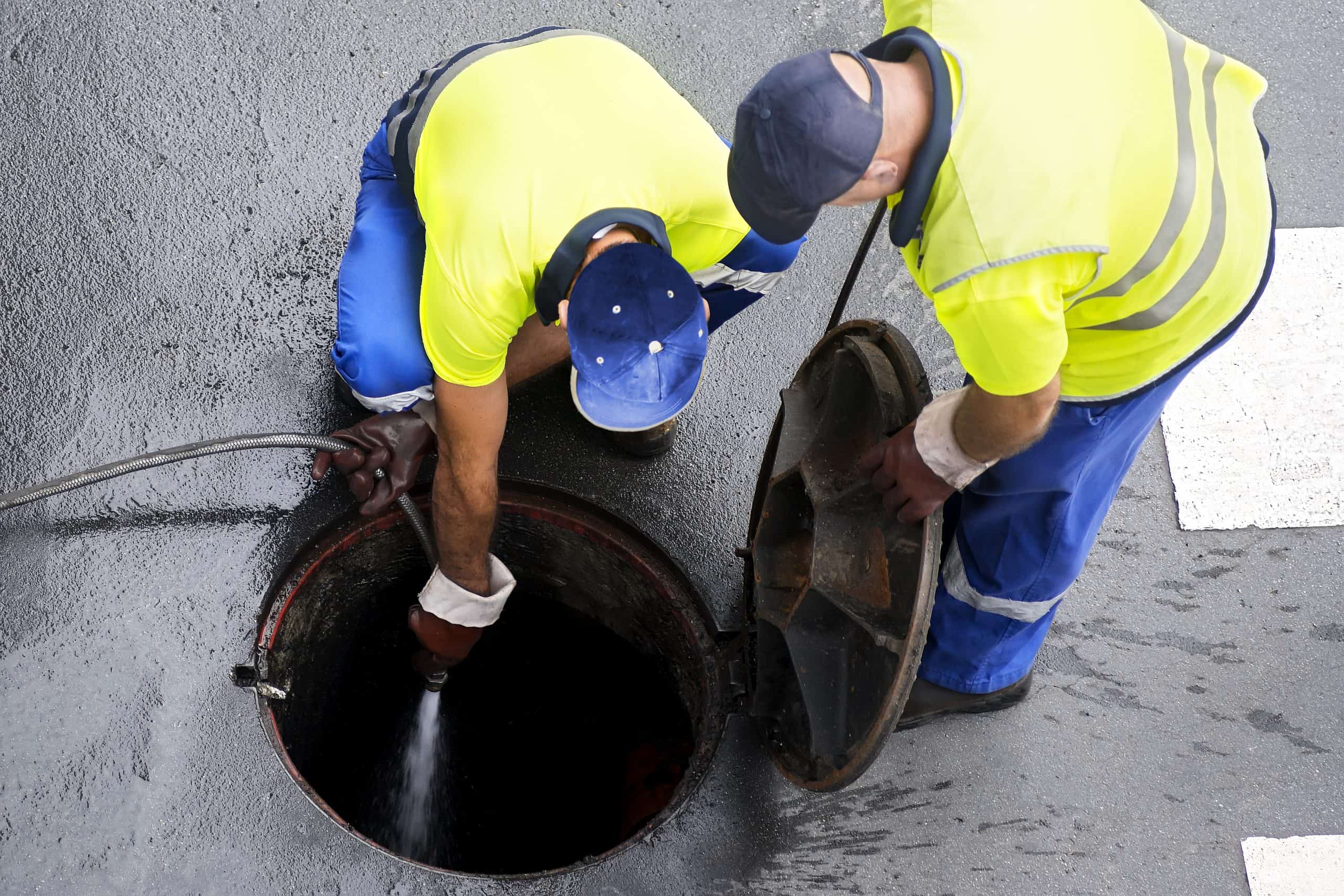
A sewer camera inspection uses a small, high-definition waterproof camera attached to a flexible cable. We insert it through an access point—usually a cleanout or drain—and feed it through your entire sewer line, from your house to the city main or septic tank.
The camera sends live video to a monitor, so you can see exactly what’s inside your pipes in real time. It records the footage, marks the location and depth of any problems, and captures clear images of cracks, blockages, tree root intrusion, or pipe deterioration.
The whole process takes 30 to 60 minutes for most residential properties in Monmouth County, NJ. There’s no digging, no guesswork, and no unnecessary damage to your property. You get a written report, often with video documentation you can share with contractors, insurance companies, or use during a real estate negotiation.
Yes. Sewer camera inspection, video scoping, sewer scope inspection, and plumbing scope inspection all refer to the same service. Different plumbers and inspection companies use different terms, but the technology and process are identical.
Some people call it “scoping” because the camera scopes out the inside of the pipe. Others call it a “camera inspection” because that’s the tool being used. You might also hear “video pipe inspection,” “sewer line video inspection,” or “drain camera inspection.” They all mean the same thing—a visual inspection of your sewer line using specialized camera equipment.
The confusion usually comes up when homeowners are comparing quotes or trying to understand what’s included in a standard home inspection. A typical home inspection doesn’t include sewer camera inspection services. It’s a separate, specialized inspection that requires specific equipment and training that most general home inspectors don’t have.
If you’re buying a home in Monmouth County, NJ, you’ll want to schedule a sewer camera inspection separately from your general home inspection. Most home inspectors can’t perform sewer line video inspections—they’ll refer you to a licensed plumber who has the right camera equipment and expertise to interpret what the footage reveals.
The important thing to understand is that the name doesn’t change what you’re getting. Whether a company calls it a sewer camera inspection or video scoping, you should expect the same process: a waterproof camera traveling through your sewer line, real-time video feed, and a detailed report of what’s found inside your pipes.
Not every home needs a sewer camera inspection right away, but there are clear situations where skipping it is a gamble you don’t want to take.
If you’re buying a home, especially one built before 1980, a home sewer inspection should be at the top of your list. Older homes in Monmouth County, NJ often have clay, cast iron, or even Orangeburg pipes that deteriorate after decades of use. A sewer line video inspection reveals cracks, tree root intrusion, and failing sections before you close on the property. That gives you leverage to negotiate repairs with the seller or walk away if the damage is too severe to justify the purchase price.
You also need a sewer camera inspection if you’re dealing with recurring drain problems. One slow drain might just be a simple clog in that fixture. But if multiple drains throughout your home are backing up, toilets are gurgling when you run water elsewhere, or you’re plunging more often than seems normal, there’s likely a problem deeper in the main sewer line. A video inspection shows you exactly what’s causing the issue—whether it’s tree roots, a collapsed pipe section, or buildup that keeps coming back no matter how many times you clear it.
Homes with large, mature trees near the sewer line are at higher risk for root intrusion. Oak and maple trees, extremely common throughout Monmouth County neighborhoods, have aggressive root systems that can extend 20 to 30 feet from the trunk, actively seeking out moisture sources. Even a hairline crack in your sewer line can attract roots, and once they penetrate the pipe, they expand and create blockages that worsen over time. If you’ve got mature trees and you’ve never had your sewer line inspected, it’s worth doing proactively before roots cause a complete blockage or pipe collapse.
Foul sewage odors coming from drains or your yard, patches of unusually lush green grass (often indicating a leak that’s fertilizing that spot), or damp, soggy areas in your lawn that never fully dry can all signal a sewer line leak. These aren’t problems that fix themselves or go away on their own. A sewer camera inspection pinpoints the exact location and severity of the damage, so you know what you’re dealing with and can plan the appropriate repair without unnecessary excavation.
Even if nothing seems obviously wrong, routine sewer camera inspections every three to five years make sense for older homes in Monmouth County. Catching a small crack or minor root intrusion before it becomes a full collapse saves you thousands in emergency repairs and prevents the mess, health hazards, and property damage that come with sewage backups flooding your basement or yard.
The video from a sewer camera inspection doesn’t just show you whether there’s a problem. It shows you what kind of problem, exactly where it’s located in the line, and how serious it’s become—information that’s impossible to get any other way without digging.
Tree roots are one of the most common issues we find during sewer camera inspections in Monmouth County, NJ. The footage will show roots growing through cracks or pipe joints, sometimes completely filling the pipe and catching debris that creates recurring clogs. You’ll see whether it’s a minor intrusion that can be cleared with hydro-jetting or a major problem that requires pipe repair or replacement.
Cracks, breaks, and collapsed sections show up clearly on the video feed. You’ll see the exact location measured from your cleanout, which helps us plan the repair and dig in the right spot the first time, without excavating your entire yard searching for the problem. The footage also reveals whether the damage is isolated to one section or spread throughout multiple areas of the sewer line.
Bellies or sags in the line—low spots where the pipe has settled below grade—create areas where water and waste collect instead of draining properly toward the main. These sections trap debris and lead to recurring clogs that come back even after you’ve had the line cleared. The camera shows the depth and severity of the sag, so you know whether the line needs to be re-graded, supported, or replaced to restore proper drainage.
Monmouth County’s specific soil composition, water quality, and weather patterns all contribute to sewer line issues that homeowners in other regions don’t face as frequently or severely.
The area’s heavy clay soil shifts significantly with seasonal moisture changes and temperature fluctuations. That ground movement can cause underground pipes to settle unevenly over time, creating bellies (sags) or causing rigid pipe joints to separate. Older homes with cast iron or clay sewer pipes are especially vulnerable because those materials don’t flex with ground movement the way modern PVC or PEX can handle minor shifts.
Iron-rich water, extremely common throughout Monmouth County, contributes to mineral scale buildup inside drain pipes and sewer lines. Over time, that mineral deposit buildup roughens the interior pipe surface, creating texture that gives hair, grease, soap residue, and debris something to cling to. What starts as slightly slower drainage can progress to a full blockage if the buildup isn’t addressed through professional cleaning.
Mature trees are everywhere in established Monmouth County neighborhoods like Red Bank, Rumson, Fair Haven, and Holmdel. Oak, maple, and willow trees have extensive root systems that can extend well beyond the tree’s visible canopy, and those roots are naturally drawn to the moisture present in sewer lines. Even a hairline crack or a slightly loose joint is enough for exploratory roots to enter. Once they’re inside the pipe, they expand rapidly, creating blockages and eventually breaking the pipe completely if left unchecked.
Freeze-thaw cycles during New Jersey winters put repeated stress on underground pipes, especially in areas where the frost line reaches down to sewer line depth. Water that seeps into small cracks can freeze and expand during cold snaps, widening the crack. Over multiple winters, that repeated freeze-thaw expansion can turn a minor hairline crack into a major structural failure that requires replacement rather than simple repair.
Coastal proximity and humidity in areas near the shore accelerate corrosion, especially in metal pipes. Homes in coastal Monmouth County towns or in areas with high groundwater tables face faster deterioration of cast iron and galvanized steel pipes. Salt in the air and moisture in the soil create conditions that rust metal pipes from both the inside and outside, shortening their functional lifespan significantly compared to drier climates.
All of these local factors mean that sewer lines in Monmouth County, NJ don’t last as long as they might in other regions with different soil, water, and weather conditions. A sewer camera inspection shows you how your specific sewer line is holding up under these conditions and what kind of realistic timeline you’re looking at for repairs or full replacement based on the actual condition, not just the age of your home.
The cost of a sewer camera inspection in Monmouth County, NJ typically ranges from $250 to $600, depending on several factors including the length of your sewer line from the house to the street connection, accessibility of the cleanout or access point, and whether any prep work like clearing a partial blockage is needed before the camera can travel the full length of the pipe.
That might seem like a significant expense for an inspection, but compare it to the actual cost of sewer line repairs. Minor sewer line repairs for a small section start around $1,000 to $1,500. Replacing a damaged section of pipe can run $3,000 to $5,000 depending on location and depth. Full sewer line replacement from your home to the city main can hit $10,000 to $25,000 or more, depending on the length of the run, whether the line runs under driveways or landscaping, and site-specific conditions that affect excavation difficulty.
If you’re buying a home and the sewer camera inspection reveals a $5,000 problem with tree root damage or a collapsed section, you can negotiate with the seller to handle the repair before closing, reduce the purchase price by that amount, or request a credit at closing. That turns a $300 to $500 inspection investment into negotiation leverage that saves you thousands of dollars you would have paid out of pocket after moving in.
Even if you’re not in the middle of buying a home, knowing what’s wrong with your sewer line before it becomes an emergency gives you time to plan, get multiple contractor quotes, and budget for the repair on your timeline. Emergency sewer repairs cost significantly more because you’re paying for after-hours service, rushed scheduling to get it fixed immediately, and dealing with the mess and damage that come with sewage backups flooding your basement or yard. A proactive sewer camera inspection lets you address problems before they become emergencies, on your schedule, not the sewer line’s.
Some plumbing companies in Monmouth County offer package deals if you’re already having other plumbing work done, like drain cleaning or water line repairs. Others include a complimentary camera inspection with certain drain cleaning services to verify the line is fully clear and identify any underlying issues that caused the blockage. It’s worth asking about those bundled service options when you’re getting quotes from different contractors.
Upfront, transparent pricing matters when you’re comparing sewer camera inspection costs. You want to know the full cost before the work starts, with no surprise fees added later for accessing a difficult cleanout, longer-than-average sewer lines, extra time, or providing video documentation of the footage. Plumbing companies that offer clear, flat-rate pricing make it easier to compare your options accurately and avoid unexpected charges that inflate the final bill.
At AME Plumbing Heating and Cooling, we focus on upfront pricing with absolutely no hidden fees. You know exactly what you’re paying before the camera goes into your sewer line, and you get a detailed written report with video documentation included in that price. That transparency makes it easier to make informed decisions about your sewer line condition and your repair budget, without worrying about surprise charges showing up later.
Whether you call it a sewer camera inspection, video scoping, or a sewer line video inspection, the service is the same—and the value is clear. You get an accurate, non-invasive look at what’s actually happening inside your sewer line, without the guesswork, random digging, or unnecessary excavation that used to be the only option for diagnosing underground pipe problems.
If you’re buying a home in Monmouth County, NJ, dealing with recurring drain issues, or just want to know the real condition of your underground plumbing before something goes wrong, a sewer camera inspection gives you real answers based on visual evidence. It protects your investment, prevents expensive surprises, and gives you the information you need to make smart, informed decisions about repairs, replacements, and ongoing maintenance.
For homeowners throughout Monmouth County, where older pipes, mature trees with aggressive root systems, and challenging soil conditions create unique risks that accelerate sewer line deterioration, a professional sewer camera inspection isn’t just a good idea—it’s one of the smartest ways to protect your home and your budget from costly emergency repairs. When you’re ready to schedule a sewer camera inspection or have questions about your sewer line, we’re here to help with transparent pricing, experienced licensed technicians, and the honest, straightforward answers you deserve.
Article details:
Share:
Continue learning: