Planning plumbing work in New Jersey? This guide explains exactly when you need permits, how the application process works, and what happens if you skip required permits.
Share:
Summary:
You’re planning a plumbing project. Maybe it’s a water heater replacement, a bathroom addition, or finally addressing that aging sewer line. Before any work begins, you need to answer one critical question: do I need a permit for this?
In New Jersey, the answer determines whether your project protects or jeopardizes your home’s value. Skipping required plumbing permits doesn’t just risk fines up to $2,000. It voids insurance coverage, creates legal problems when selling, and can force you to tear out completed work. The good news? Understanding New Jersey’s plumbing permit requirements isn’t complicated when you know what triggers permit needs and how the process actually works.
Most plumbing work in New Jersey requires a permit. The rule is straightforward: if your project goes beyond basic repairs and affects your plumbing system’s capacity or configuration, you need to pull a permit.
New Jersey enforces plumbing standards under the Uniform Construction Code (N.J.A.C. 5:23-3.15), which bases requirements on the 2021 National Standard Plumbing Code with state-specific amendments. These codes protect your drinking water, prevent gas leaks, and ensure safe, functional plumbing systems.
Projects requiring plumbing permits in NJ include water heater installations or replacements, bathroom or kitchen plumbing work, sewer line repairs or replacements, adding or relocating fixtures, gas line installations or modifications, and alterations to water supply or drainage systems. Minor repairs like fixing a leaky faucet or replacing a washer don’t require permits, but anything beyond routine maintenance triggers New Jersey’s permit requirements.
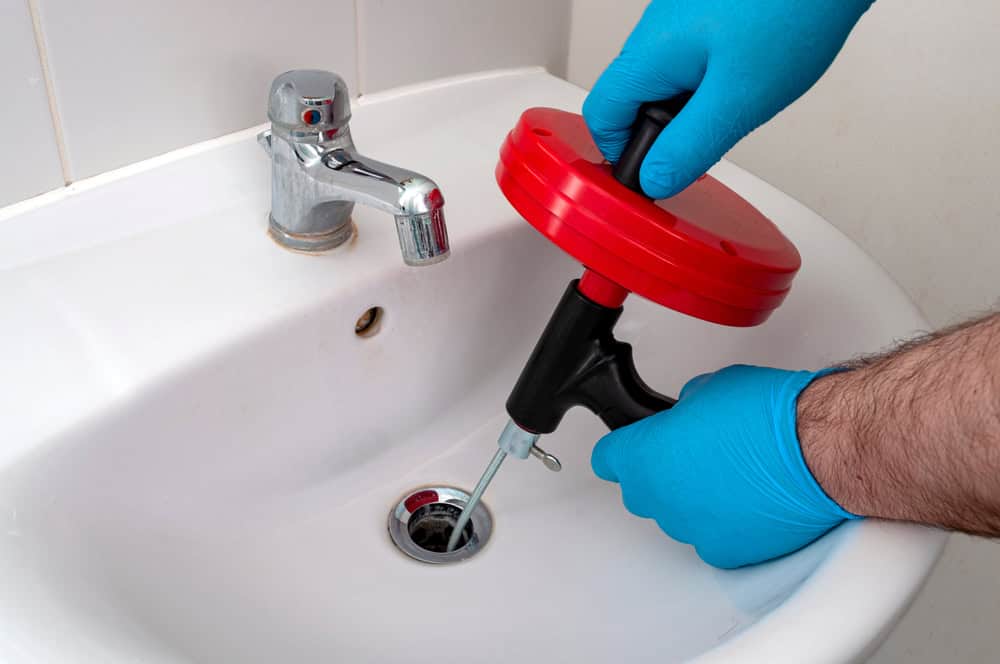
Applying for plumbing permits in Monmouth County, NJ requires specific documentation that proves your project meets code requirements. You’ll need to complete two primary forms: the Construction Permit Application (F-100) and the Plumbing Subcode Technical Section (F-130).
Your application must detail the scope of work, including fixture counts, pipe materials and sizes, venting specifications, water and sewer service details, and gas piping information when applicable. This documentation allows inspectors to verify code compliance before work begins.
Who can pull permits matters significantly in New Jersey. Licensed plumbers must sign and seal the F-130 form, unless you’re a homeowner working on your own single-family, owner-occupied residence. Even homeowners doing their own work must pull permits and schedule inspections. This requirement protects you from substandard work that creates safety hazards or expensive problems later.
The permit application process in New Jersey takes 20 business days for initial review. Your local building department examines applications for code compliance and either approves them or provides written feedback on necessary corrections. Revised applications typically get reviewed within seven business days.
Permit costs in Monmouth County, NJ are calculated per fixture or system component. Each municipality sets its own rates, and you’ll multiply your project’s fixture count by the local rate. Most municipalities also add state surcharges for training and administration. While permit fees add to project costs, they’re minimal compared to the protection permitted work provides for your home’s value.
Many Monmouth County, NJ municipalities still require in-person permit submissions rather than online applications. Contact your local building department before gathering paperwork to understand their specific submission requirements, office hours, and any municipality-specific procedures that apply to your project.
New Jersey’s Uniform Construction Code exempts “ordinary maintenance” from plumbing permit requirements. This category includes routine repairs that restore your system to its original condition without changing capacity or configuration.
Ordinary maintenance covers replacing faucet washers, fixing leaky faucets, replacing hose bib valves in single-family homes (with approved atmospheric vacuum breakers), and refinishing existing fixtures. These repairs maintain your plumbing system without altering how it operates.
The code also defines “minor work” that requires notification to your local building department but doesn’t need full permits. Minor work includes replacing existing plumbing piping with new material of identical capacity, installing drinking fountains and condensate drains in existing structures, replacing water heaters with units of the same capacity, and adding fixtures in existing spaces where your current water distribution system can handle the additional load.
Even minor work requires oral notification to your local enforcing agency before starting. Call your building department between 9 AM and 5 PM on business days to report planned work. Within five business days of starting, file an application and pay the associated fee.
The distinction between ordinary maintenance, minor work, and work requiring full permits isn’t always clear. When you’re uncertain, contact your local building department. A quick phone call prevents accidentally doing unpermitted plumbing work that creates expensive problems later.
Licensed plumbing contractors in Monmouth County, NJ know exactly what requires permits, what qualifies as minor work, and how to navigate notification and application processes efficiently. Their experience eliminates confusion and keeps your project moving forward without delays or compliance issues.
After your plumbing permit is approved, inspections verify that completed work matches approved plans and meets all code requirements. These inspections aren’t optional in New Jersey, and skipping them creates serious legal and financial problems.
Schedule inspections at least 24 hours in advance by contacting your local building department. Timing is critical. Inspections must occur before you cover or conceal work. That means rough-in inspections happen before walls close up, and final inspections occur when everything is complete but still visible and accessible.
Keep your approved plans on the job site during every inspection. If inspectors can’t review approved plans when they arrive, they won’t conduct the inspection. You’ll reschedule, which delays your project and can disrupt coordination with other contractors working on your renovation.
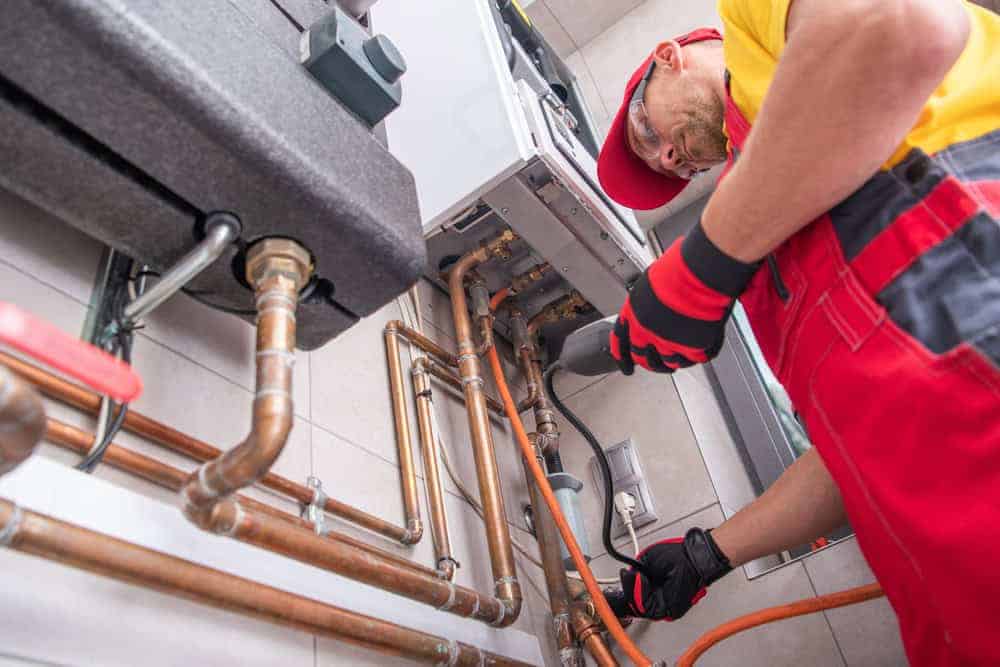
Plumbing inspectors in New Jersey evaluate specific elements to ensure your system is safe, functional, and code-compliant. Understanding what they check helps you prepare properly and ensures work passes inspection the first time.
During rough-in inspections, inspectors examine pipe sizing and materials to verify they meet code requirements for your application. They check venting systems to ensure proper drainage and prevent sewer gases from entering your home. They inspect water supply lines for correct installation, adequate support, and protection against freezing. They verify drain, waste, and vent pipes are properly sloped and connected. And they confirm all work matches approved plans.
Final inspections focus on completed installations. Inspectors test fixtures to ensure proper connections and function. They check for leaks in all connections and joints. They verify water pressure falls within acceptable ranges. They confirm required backflow prevention devices are correctly installed. They examine water heater installations for proper temperature controls, pressure relief valves, and clearances. And they ensure gas piping installations meet safety standards.
New Jersey’s plumbing code includes specific requirements that differ from other states. Amendments to the National Standard Plumbing Code specify minimum pipe sizes, wet venting configurations, frost cover depths for underground piping, and maximum hot water outlet temperatures in certain applications. Licensed plumbers know these details. DIY homeowners often don’t, which is why unpermitted work frequently fails inspection when discovered later.
In Monmouth County, NJ specifically, inspectors understand local conditions affecting plumbing systems. They recognize issues caused by the area’s iron-rich water that accelerates mineral buildup in pipes. They’re familiar with clay soil conditions affecting underground piping. They know the challenges created by mature tree systems and aging infrastructure in older neighborhoods. This local knowledge means they’re looking for specific problems common in this region.
Failed inspections require corrections before proceeding. Inspectors document what doesn’t meet code, and you’ll fix those issues and schedule re-inspection. This is where unpermitted plumbing work becomes especially expensive. When work is done without permits and later discovered, you might need to expose finished work for inspection, correct code violations that weren’t caught initially, and potentially remove and redo work that can’t be brought into compliance.
Professional plumbing contractors handle permits and inspections as standard service, removing complexity and risk from your project. When you hire a licensed master plumber in New Jersey, they take responsibility for pulling permits, preparing required documentation, scheduling inspections at appropriate times, ensuring work meets all code requirements, and addressing any inspection issues that arise.
New Jersey requires master plumbers to complete four-year apprenticeships, work at least one year as journeymen, pass three separate examinations covering trade skills, business practices, and state plumbing laws, maintain $3,000 surety bonds, and carry appropriate insurance. These requirements exist specifically to protect homeowners like you.
Licensed contractors understand the Uniform Construction Code thoroughly. They know New Jersey’s amendments to the National Standard Plumbing Code. They’re familiar with local building department procedures across different Monmouth County, NJ municipalities. They’ve established relationships with local inspectors and understand what documentation and preparation ensures smooth inspections.
The financial protection matters significantly. Licensed plumbers carry liability insurance that protects you if problems occur during projects. Their surety bonds provide recourse if they fail to complete work properly. Unlicensed contractors offer none of these protections, meaning you assume all risk.
Professional contractors also handle coordination aspects that complicate plumbing projects. They know how to sequence work with other trades during renovations. They understand when to call for inspections so projects don’t get delayed. They identify potential code issues before work begins, preventing costly corrections later.
For Monmouth County, NJ homeowners, working with local contractors provides additional advantages. Local plumbers understand the area’s specific challenges: iron-rich water causing unique drainage problems, clay tile sewer lines common in older homes, soil conditions affecting underground piping, and mature tree systems creating root infiltration issues. This local expertise means they anticipate problems and design solutions that work in this specific environment.
The cost difference between licensed and unlicensed contractors might seem significant initially, but it’s false economy. Unpermitted plumbing work creates risks far exceeding any upfront savings. When you factor in potential fines, insurance complications, home value impacts, and costs of correcting substandard work, licensed contractors provide better value and far less risk.
Plumbing permits in NJ aren’t bureaucratic obstacles. They’re protection for your home’s value, your family’s safety, and your financial security. Understanding when plumbing permits are required, how the application process works, and what inspectors evaluate helps you make informed decisions about plumbing projects.
The consequences of unpermitted plumbing work are real and expensive. Fines up to $2,000 per violation, voided insurance claims, failed home inspections that derail sales, and costs of correcting substandard work add up quickly. Working with licensed contractors who handle plumbing permits properly eliminates these risks while ensuring your plumbing system is safe, functional, and code-compliant.
For homeowners planning plumbing projects in Monmouth County, NJ, we at AME Plumbing Heating and Cooling bring the licensing, experience, and local knowledge that protect your investment. Our team handles all permit requirements, ensures proper inspections, and delivers work that meets New Jersey’s strict plumbing codes.
Article details:
Share:
Continue learning: