Sewage backups require immediate professional response. Learn critical emergency steps, health risks, and why DIY cleanup puts your family at risk in Monmouth County, NJ.
Share:
Summary:
Sewage backing up into your home isn’t just unpleasant. It’s a health emergency that demands immediate action. When contaminated wastewater flows back through your drains, toilets, or basement floor, you’re facing what professionals call Category 3 black water—the most dangerous type of water damage. This contains bacteria, viruses, and pathogens that can make your family seriously ill.
You need to know what to do right now, what mistakes to avoid, and when to call for help. This guide walks you through the emergency response steps, explains the health risks you’re facing, and shows you what professional sewage backup cleanup actually involves. If you’re in Monmouth County, NJ and dealing with this emergency, here’s what you need to know.
The first thing you need to do is get everyone out of the affected area. Don’t let kids or pets anywhere near the sewage. This isn’t regular water—it’s contaminated with waste that can cause serious illness even through brief contact or breathing contaminated air.
Stop using all plumbing immediately. Every time you flush a toilet, run a sink, or use the washing machine, you’re adding more water to a system that’s already backing up. That means more sewage flowing into your home. Turn off the main water supply if you can do it safely.
If sewage has reached any electrical outlets or your electrical panel, shut off power to those areas. But only if you can reach the breaker without stepping in contaminated water. If the panel is in the affected area, call your utility company for emergency disconnection. The combination of water and electricity creates a serious electrocution risk.
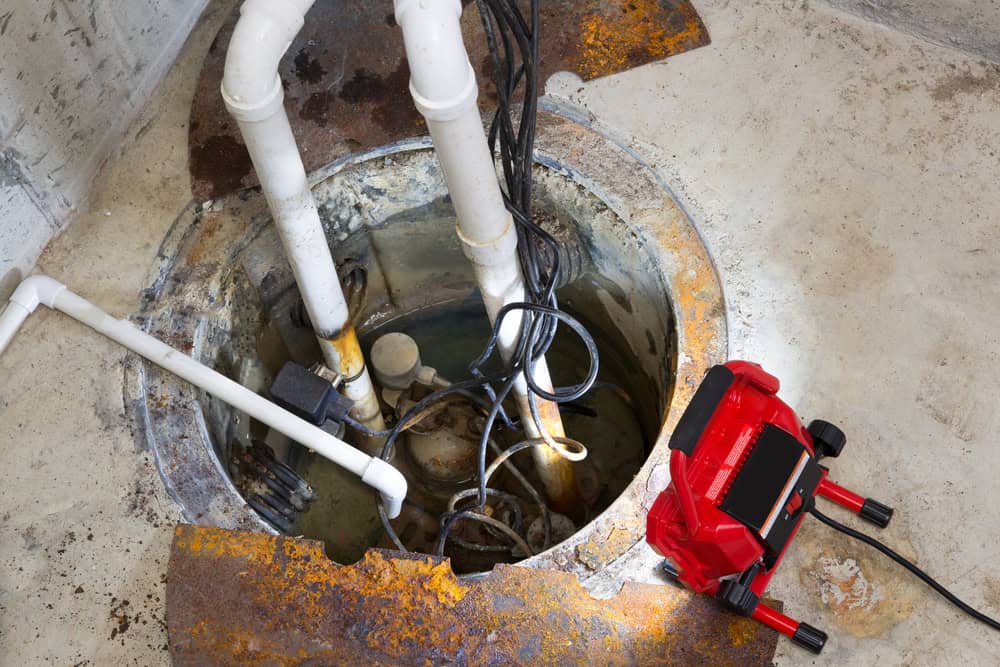
You need professional help immediately if sewage is affecting multiple rooms, coming from your main sewer line, or if more than 24 hours have passed. At that point, bacteria have multiplied to dangerous levels and contamination has spread beyond what you can safely handle.
Call professionals right away if the backup involves raw sewage from toilets or if contaminated water has reached your HVAC system or ductwork. These situations require specialized equipment and training that homeowners simply don’t have. Trying to handle it yourself puts your health at risk and likely violates local health codes.
Many insurance policies actually require professional remediation for coverage to apply. If you attempt DIY cleanup, you might void your insurance protection entirely. That could leave you paying out of pocket for thousands of dollars in restoration work.
Professional sewage cleanup teams arrive with industrial-grade pumps, commercial vacuums, EPA-approved disinfectants, and full protective gear including respirators and hazmat suits. We know how to contain the contamination, remove it safely, and restore your home to a truly clean condition. At AME Plumbing Heating and Cooling, we offer 24/7 emergency response specifically for these situations throughout Monmouth County, NJ.
We also handle the documentation your insurance company needs. We’ll photograph the damage, track moisture levels, and provide detailed reports that support your claim. This expertise helps you get the coverage you’re entitled to without the back-and-forth that often happens when homeowners try to document everything themselves.
Don’t try to clean up raw sewage yourself, even if it seems like a small amount. Even minor sewage spills contain concentrated bacteria and viruses that cause severe illness. E. coli can double its population every 20 minutes in contaminated water, turning a small problem into a major health hazard faster than you’d expect.
Avoid using fans or opening windows before professionals arrive. While ventilation seems logical, fans can actually spread airborne pathogens throughout your home, contaminating areas that weren’t initially affected. Let the professionals handle containment first, then we’ll ventilate properly using equipment designed for biohazard situations.
Don’t use household cleaning products or bleach on sewage. These aren’t strong enough to eliminate the pathogens you’re dealing with, and bleach doesn’t penetrate porous materials deeply enough to kill bacteria hiding inside. Professional-grade antimicrobial treatments are specifically formulated for sewage decontamination.
Never walk through sewage water without proper protective equipment. That means waterproof boots, heavy-duty gloves, protective eyewear, and at minimum an N95 mask or preferably a respirator with particulate filters. Most homeowners don’t have this equipment readily available, which is another reason professional help is essential.
Avoid the temptation to save money by handling cleanup yourself. The health risks are too high, the potential for incomplete decontamination is too great, and the chance of voiding your insurance coverage makes DIY sewage cleanup a costly mistake. The few hundred dollars you might save upfront could cost you thousands in medical bills, incomplete restoration, or denied insurance claims.
Professional sewage cleanup follows a specific process designed to protect your health and restore your property completely. It starts with a thorough assessment where technicians evaluate the extent of contamination, identify the source of the backup, and determine which materials can be saved versus what needs removal.
The team then contains the affected area using plastic sheeting and barriers to prevent cross-contamination. This isolation keeps sewage from spreading to clean areas of your home through foot traffic or airborne particles. Only after containment do we begin the actual extraction and removal process.
Industrial pumps and commercial-grade vacuums remove standing sewage and water. This equipment is far more powerful than anything available at hardware stores, handling large volumes quickly to minimize the time contamination sits in your home. Every minute counts when it comes to preventing mold growth and deeper material penetration.
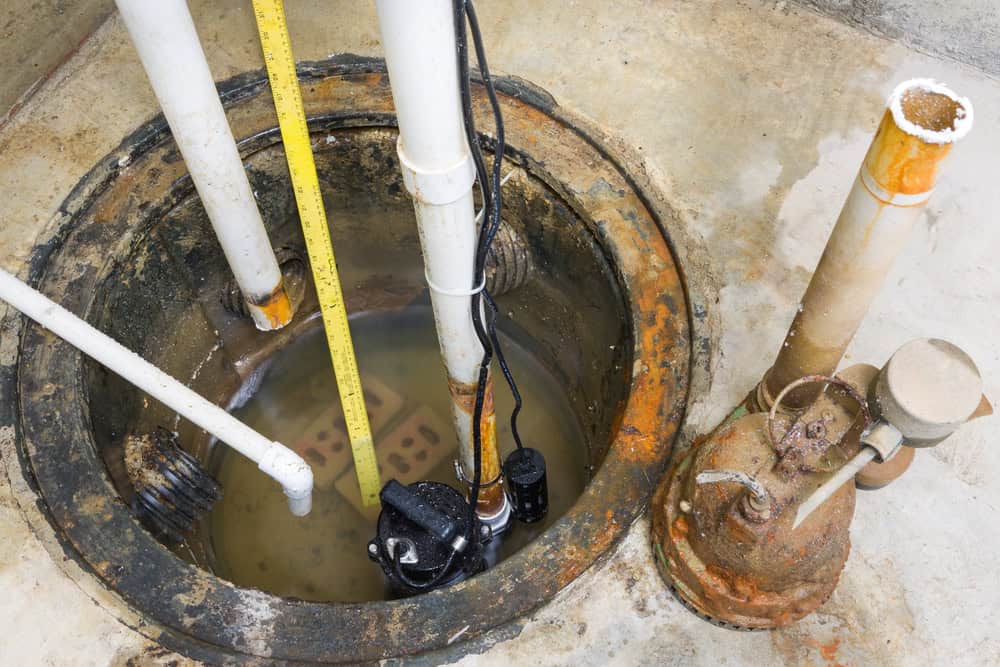
After extraction, the real work of sewage restoration begins. Technicians remove all porous materials that contacted sewage—carpeting, padding, drywall, insulation, and sometimes even subflooring. These materials absorb contaminated water and cannot be adequately disinfected. Trying to save them creates ongoing health risks and almost certainly leads to mold problems.
Non-porous surfaces like tile, metal, and hard plastics can typically be salvaged through thorough cleaning and disinfection. We use EPA-approved antimicrobial treatments specifically designed for sewage decontamination. These aren’t the same products you’d buy at a store—they’re hospital-grade disinfectants that eliminate bacteria, viruses, and parasites.
The affected area then goes through a complete drying process using industrial dehumidifiers and air movers. This isn’t just about getting surfaces dry to the touch. We use moisture meters to check inside walls, under floors, and in other hidden areas where moisture can linger. Any remaining moisture creates the perfect environment for mold growth within 24 to 48 hours.
Odor removal is a critical part of sewage restoration that many people underestimate. Sewage odors don’t just go away with regular air fresheners. We use specialized deodorizers and air scrubbers that neutralize odor-causing bacteria at the molecular level. If odors persist after cleanup, it usually means contaminated materials are still present and need removal.
The final step involves treating all affected surfaces to prevent future mold and mildew growth. This preventive treatment is especially important in Monmouth County’s humid climate, where moisture-related problems can develop quickly. Professional restoration isn’t complete until your home is not just clean, but truly safe and odor-free.
Sewage contains a dangerous mix of pathogens that cause serious illness. E. coli and Salmonella bacteria lead to severe gastrointestinal problems including diarrhea, vomiting, and fever. Hepatitis A virus can cause liver inflammation and other serious complications. Parasites like Cryptosporidium and Giardia cause symptoms ranging from digestive issues to malnutrition and intestinal blockages.
These aren’t just theoretical risks. Direct contact with sewage through cuts or scrapes can lead to skin infections, cellulitis, or even sepsis. Breathing air contaminated by sewage can cause respiratory problems, especially for people with asthma or other lung conditions. Children, elderly family members, and anyone with a weakened immune system face even higher risks.
Symptoms might not appear immediately. You could be exposed today and not feel sick for several days, making it easy to underestimate the danger. By the time symptoms develop, the bacteria or virus has already taken hold in your system. This delayed onset is one reason professional cleanup with proper protective equipment is so important.
The toxic gases released by sewage add another layer of danger. Hydrogen sulfide and methane can cause headaches, dizziness, nausea, and in severe cases, loss of consciousness or death. These gases accumulate in enclosed spaces like basements, creating hazards that aren’t immediately obvious but are very real.
Professional sewage cleanup teams wear full protective gear specifically because of these health risks. Our respirators filter out airborne pathogens and toxic gases. Our protective suits prevent skin contact. Our training teaches us how to work in contaminated environments without cross-contaminating clean areas. This level of protection simply isn’t available to the average homeowner, and attempting cleanup without it is genuinely dangerous.
Sewage backup is one of the few home emergencies where professional help isn’t just recommended—it’s essential for your family’s safety. The health risks are too serious, the contamination too dangerous, and the restoration process too complex to handle on your own. Every hour you wait increases the damage, the health hazards, and the ultimate cost of restoration.
If you’re dealing with sewage backup in Monmouth County, NJ, you need a team that responds immediately with the right equipment, proper training, and genuine commitment to doing the job right. The professionals who handle these emergencies understand what’s at stake—your family’s health, your home’s safety, and your peace of mind during an incredibly stressful situation.
At AME Plumbing Heating and Cooling, we provide 24/7 emergency sewage backup cleanup services throughout Monmouth and Ocean County. Our licensed, insured technicians respond quickly with industrial-grade equipment and the expertise to handle even the most serious sewage emergencies, restoring your home to a safe, clean condition while working directly with your insurance company to streamline the claims process.
Article details:
Share:
Continue learning: