A main sewer line camera inspection reveals hidden problems in your underground pipes before they turn into $10,000+ disasters. Here's what you need to know.
Share:
Summary:
Your sewer line sits buried under your property, doing its job quietly until something goes wrong. By then, you’re dealing with backups, foul odors, or worse—raw sewage in your basement. A main sewer line camera inspection lets you see what’s happening underground before small problems become expensive emergencies. Whether you’re buying a home in Monmouth County, dealing with recurring clogs that won’t stay fixed, or just want to know what’s going on beneath your lawn, here’s what you actually need to understand about this diagnostic process and when it makes sense for your situation.
A main sewer line camera inspection uses a waterproof HD camera attached to a flexible cable to visually examine the inside of your sewer pipes. The camera feeds through your sewer line from your home to where it connects with the municipal main or septic system, transmitting live video that shows exactly what’s happening inside those buried pipes.
This isn’t guesswork. You’re getting a real-time look at cracks, blockages, root intrusion, pipe deterioration, and anything else affecting your sewer’s ability to function properly. We watch the feed on a monitor, document problem areas with precise location markers, and provide you with footage and a written report you can actually use to make informed decisions.
The inspection is completely non-invasive. No digging up your driveway, no tearing apart landscaping, no excavation unless repairs are actually needed. The camera accesses your line through an existing cleanout, roof vent, or in some cases, a toilet flange.
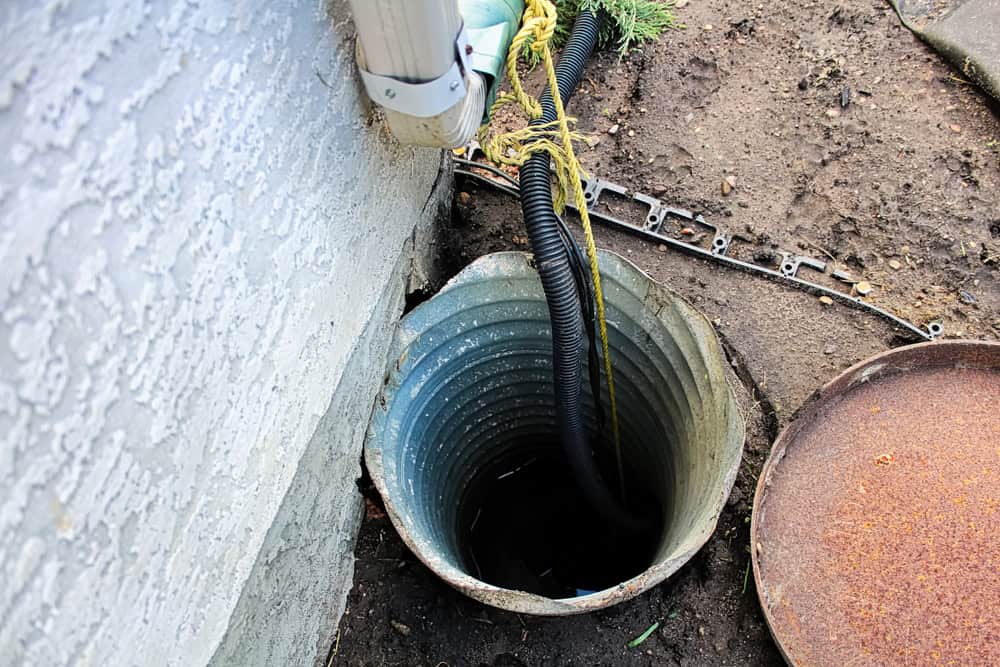
The process starts with locating the best access point to your sewer line. Most homes have a cleanout—a capped pipe that provides direct access to the main sewer line. If your property doesn’t have an accessible cleanout, we can work through a roof vent or, with your permission, remove a toilet to access the line directly.
Once access is established, a high-definition waterproof camera mounted on a flexible rod gets inserted into the pipe. The camera is equipped with bright LED lights that illuminate the pipe’s interior, and it’s small enough to navigate through turns, bends, and the full length of your sewer lateral. As the camera moves through the line, it sends real-time video back to a monitor where we watch for issues.
Modern sewer cameras do more than just show you what’s wrong. They include locator technology that transmits a signal to the surface, allowing us to pinpoint the exact location and depth of any problem. This means if you do need repairs, there’s no guessing about where to dig. You know precisely where the issue is, how deep it sits, and what type of problem you’re dealing with.
The camera captures everything—cracks in the pipe wall, root masses blocking flow, grease buildup coating the interior, bellied sections where the pipe has sagged, offset joints where sections don’t line up properly, and corrosion eating through older materials. Each finding gets documented with location markers so you have a complete picture of your sewer line’s condition from your house to the street connection.
For most residential properties in Monmouth County, the entire inspection takes 30 to 60 minutes. The timeline depends on the length of your sewer line, how accessible your cleanout is, and whether any blockages need to be cleared before the camera can pass through. You typically receive your video footage and written report the same day, giving you immediate answers about what’s happening underground.
The camera sees what’s actually happening inside your sewer line, not what someone thinks might be wrong based on symptoms alone. In Monmouth County, where many homes were built before 1980, inspections frequently reveal issues specific to older infrastructure and local soil conditions.
Tree root intrusion shows up clearly on camera footage. Roots from mature oak and maple trees seek out moisture and nutrients in sewer lines, entering through tiny cracks or joints and expanding until they create complete blockages. The camera shows you the extent of root penetration—whether you’re dealing with small hairline roots just beginning to enter the pipe or massive root clusters that have taken over entire sections.
Clay tile pipes, common in homes built before the 1980s, have multiple joints that were sealed with materials like concrete, coal tar, or oakum. These seals deteriorate over time, allowing water to leak out and roots to grow in. The camera reveals the condition of these joints, showing you whether they’re still intact or if they’ve separated, offset, or broken apart completely.
Cast iron pipes, another common material in older Monmouth County homes, have a lifespan of about 50 to 60 years. The camera shows corrosion patterns, scale buildup on pipe walls, and areas where the material has thinned or developed holes. This visual evidence helps you understand whether your pipes are nearing the end of their functional life or if they still have years of service left.
Bellied or sagging sections appear on camera as low spots where the pipe has lost its proper slope. Monmouth County’s clay soil can shift and settle, causing sections of pipe to sag below their original grade. These bellies collect solid waste and water, creating perfect conditions for clogs to form. The camera shows you exactly where these sags exist and how severe they are.
Grease buildup, debris accumulation, and foreign objects that shouldn’t be in your sewer line all show up clearly. Sometimes the blockage is something simple—baby wipes, paper towels, or other items that don’t break down like toilet paper. Other times it’s years of grease coating the pipe walls, gradually narrowing the interior diameter until flow becomes restricted.
The inspection also reveals structural damage like cracks, fractures, and collapses. These can result from ground shifting, freeze-thaw cycles common in New Jersey, tree roots exerting pressure on pipes, or simply age and deterioration. The camera documents the location, severity, and extent of any structural issues, giving you the information needed to make informed repair decisions.
Video sewer inspection cost in New Jersey typically ranges from $300 to $500 for residential properties. The price reflects the technology, expertise, and time required to properly inspect your sewer line and provide you with documented findings.
Several factors influence where your inspection falls within that range. The length of your sewer line matters—a longer line takes more time to inspect thoroughly. Accessibility plays a role too. If you have an easily accessible cleanout, the process goes faster. If we need to access through a roof vent or remove a toilet, that adds time and complexity.
Some companies offer flat-rate pricing that includes the inspection, video footage, written report, and location-marked findings. Others may charge extra for video delivery or detailed reporting. Understanding what’s included in the quoted price helps you compare options accurately and avoid surprises.

Some plumbing companies credit your inspection fee toward repair costs if you proceed with their recommended work. This approach can make the inspection essentially free if repairs are needed, but it’s important to understand the implications.
When a company offers to credit the inspection fee, they’re typically hoping to secure the repair work. This creates a potential conflict of interest—they have a financial incentive to find problems that require their services. That doesn’t mean they’re being dishonest, but it does mean you should carefully evaluate their findings and potentially get a second opinion on major repairs.
Independent inspection companies that don’t perform repairs eliminate this conflict. They have no financial stake in whether your pipes need work or not. Their only job is to accurately document what the camera sees and provide you with unbiased information. You can then take that documentation to multiple contractors for repair estimates if work is needed.
The choice between these approaches depends on your situation. If you’re buying a home and just need an objective assessment of the sewer line’s condition, an independent inspection makes sense. If you’re already working with a trusted plumber you’ve used for years and experiencing ongoing problems, having them inspect and potentially repair in one visit might be more convenient.
What matters most is understanding the pricing structure upfront. Ask whether the quoted price includes video footage and a written report. Find out if there are additional charges for accessing difficult cleanouts or if blockages need clearing before inspection. Transparent pricing eliminates surprises and helps you budget appropriately.
In Monmouth County, where older homes with clay and cast iron pipes are common, many homeowners discover issues during inspection that do require attention. The inspection cost becomes a small investment compared to the thousands you might spend on emergency repairs if problems go undetected. Even if nothing is wrong, you gain peace of mind knowing your sewer line is in good condition.
The cost of a sewer camera inspection becomes remarkably reasonable when you consider what you’re preventing. Sewer line repairs in Monmouth County typically run $1,200 to $4,000 for targeted fixes. Full sewer line replacement can cost anywhere from $5,000 to $25,000 depending on the length of the line, depth, accessibility, and whether you’re dealing with landscaping, driveways, or other surface improvements that need restoration after excavation.
Homebuyers who skip the sewer inspection to save a few hundred dollars sometimes discover major problems after closing. At that point, you own the problem and the repair bill. The seller is gone, and you’re facing a five-figure expense you didn’t budget for. A $300 to $500 inspection during your due diligence period gives you negotiating power—you can request repairs, ask for a price reduction to cover the work, or walk away from the deal if the problems are severe enough.
For existing homeowners, the inspection helps you catch problems early when they’re still manageable. A small crack that shows up on camera might cost $800 to repair now with a targeted fix. Left undetected, that crack expands, roots grow through it, and eventually the entire section collapses, requiring a $6,000 replacement. The inspection lets you address issues on your timeline and budget, not during an emergency when you have no choice but to pay whatever it costs to restore your plumbing.
Recurring clogs that bring a plumber out every few months add up quickly. If you’re spending $200 to $300 per service call for temporary fixes that only last a few weeks, you might spend more in a year than a camera inspection costs. The inspection identifies why the clogs keep returning—whether it’s roots, a bellied pipe, deteriorating materials, or offset joints—so you can solve the actual problem instead of treating symptoms over and over.
The value proposition becomes even clearer when you factor in the property damage that major sewer failures cause. Sewage backing up into your basement ruins flooring, drywall, and belongings. You’re looking at remediation costs, potential health hazards from contamination, and the disruption of not being able to use your plumbing until repairs are complete. An inspection that prevents this scenario pays for itself many times over.
For older homes in Monmouth County—especially those built before 1980 with clay tile or cast iron pipes—the inspection is less of an optional expense and more of a necessary diagnostic tool. These materials have known lifespans and common failure patterns. The camera shows you where your pipes fall on that timeline, allowing you to plan and budget for eventual replacement rather than facing an emergency when the line finally fails completely.
A main sewer line camera inspection makes sense in specific situations. If you’re buying a home, especially one that’s 20 years or older, the inspection should be part of your due diligence. Standard home inspections don’t include the underground sewer line, leaving you blind to problems that could cost thousands to fix after you’ve already closed.
If you’re dealing with recurring clogs, slow drains throughout your house, or backups that keep happening despite repeated service calls, the camera shows you why. You stop wasting money on temporary fixes and address the actual cause. For homeowners with mature trees near their sewer line, periodic inspections catch root intrusion before it becomes a complete blockage that requires emergency service.
Homes built before 1980 in Monmouth County, NJ deserve attention. Clay tile and cast iron pipes from that era have predictable failure patterns, and the camera gives you visibility into their current condition before they fail. You can plan for repairs or replacement on your schedule rather than during a 2 AM emergency with sewage backing up into your home.
We provide main sewer line camera inspections with upfront pricing, same-day video delivery, and the local expertise that comes from years serving Monmouth County properties. You get clear answers about what’s happening underground so you can make informed decisions about your home’s plumbing system.
Article details:
Share:
Continue learning: