
Summary:
What Smart Water Heater Technology Actually Does
Smart water heater technology isn’t about adjusting your temperature from your phone because you can. It’s about seeing problems before they strand you without hot water.
These systems watch temperature, pressure, water flow, and energy consumption constantly. When something starts going sideways, your phone buzzes. A heating element showing wear. Pressure building where it shouldn’t. Temperature patterns that signal sediment piling up. Leaks detected in seconds, not hours.
You’re not waiting for total failure. You’re catching problems while they’re manageable. That usually means smaller repair bills and zero emergency calls at midnight.
Remote Monitoring Catches Problems When You're Not Home
Remote monitoring turns your water heater into something you can actually track instead of ignoring until it breaks. The system connects through your home Wi-Fi and feeds data straight to an app on your phone.
Check your water heater’s status from anywhere. Current temperature. Energy usage patterns. System health indicators. Whether you’re at the office, on vacation, or just upstairs watching TV, the information is there. This matters most when nobody’s home to notice problems. Many water heater failures happen during empty houses, and by the time you discover the issue, water damage is extensive.
Smart systems catch these situations immediately. Leak detection can identify water in 15 seconds and ping your phone. Some systems automatically shut off the water supply when they detect moisture, limiting water loss to ounces instead of gallons flooding your basement. That’s the difference between a quick water heater repair and calling a restoration company.
The alerts extend beyond leaks. The system tracks heating element health and warns you when components are declining. Instead of discovering your failed heating element when you’re already late for work and facing a cold shower, you get advance notice to schedule water heater service. You handle the problem on your schedule, not as a crisis.
For properties in Monmouth & Ocean County, NJ, Ocean County, NJ, and Middlesex County, NJ, this visibility addresses real challenges. Salt air corrodes water heater components faster than inland areas. Humidity affects electrical parts. Hard water from local supplies accelerates mineral buildup. Your water heater faces more stress here. Remote monitoring helps you manage that accelerated wear before it causes failures.
Vacation homes and rental properties benefit particularly from remote monitoring. You’re not physically present to check on systems, but you still get alerts if something goes wrong. The water heater starts leaking while you’re three states away? You know about it immediately and can dispatch someone to handle it before minor problems become major damage.
Predictive Maintenance Prevents Emergency Repairs
Predictive maintenance is where smart technology fundamentally changes water heater repair. You’re preventing failures instead of reacting to them.
The system analyzes performance data over time and spots patterns that indicate developing problems. Energy consumption creeping up? Probably sediment buildup forcing your heater to work harder. Temperature fluctuating? Could be a thermostat starting to fail. Pressure variations? Maybe valve issues developing.
Traditional water heaters hide this information. You only learn something’s wrong when the system quits or starts leaking. By then, you’re often looking at major water heater repair costs or complete replacement.
Smart diagnostics pinpoint exactly what’s failing. Not just “something’s wrong” but “your upper heating element is declining” or “sediment accumulation is affecting heat transfer efficiency.” This specificity helps your plumber diagnose faster and show up with the right parts. Less downtime without hot water. Lower service costs because the technician isn’t making multiple trips.
The technology also manages maintenance schedules. Annual flushing to clear sediment. Anode rod inspections. Pressure relief valve testing. The system reminds you when these tasks are due. Regular water heater maintenance extends your system’s lifespan significantly. In coastal areas where corrosion accelerates, staying current on maintenance isn’t optional if you want your equipment to reach its expected lifespan.
Advanced systems use machine learning to understand your household’s hot water patterns. They anticipate when you need hot water and adjust heating cycles accordingly. This optimization cuts energy waste while ensuring hot water is ready when you turn on the tap. You’re not heating water unnecessarily at 2 PM when everyone’s at work and school, but you’re also not waiting for the water to heat when you start your morning shower.
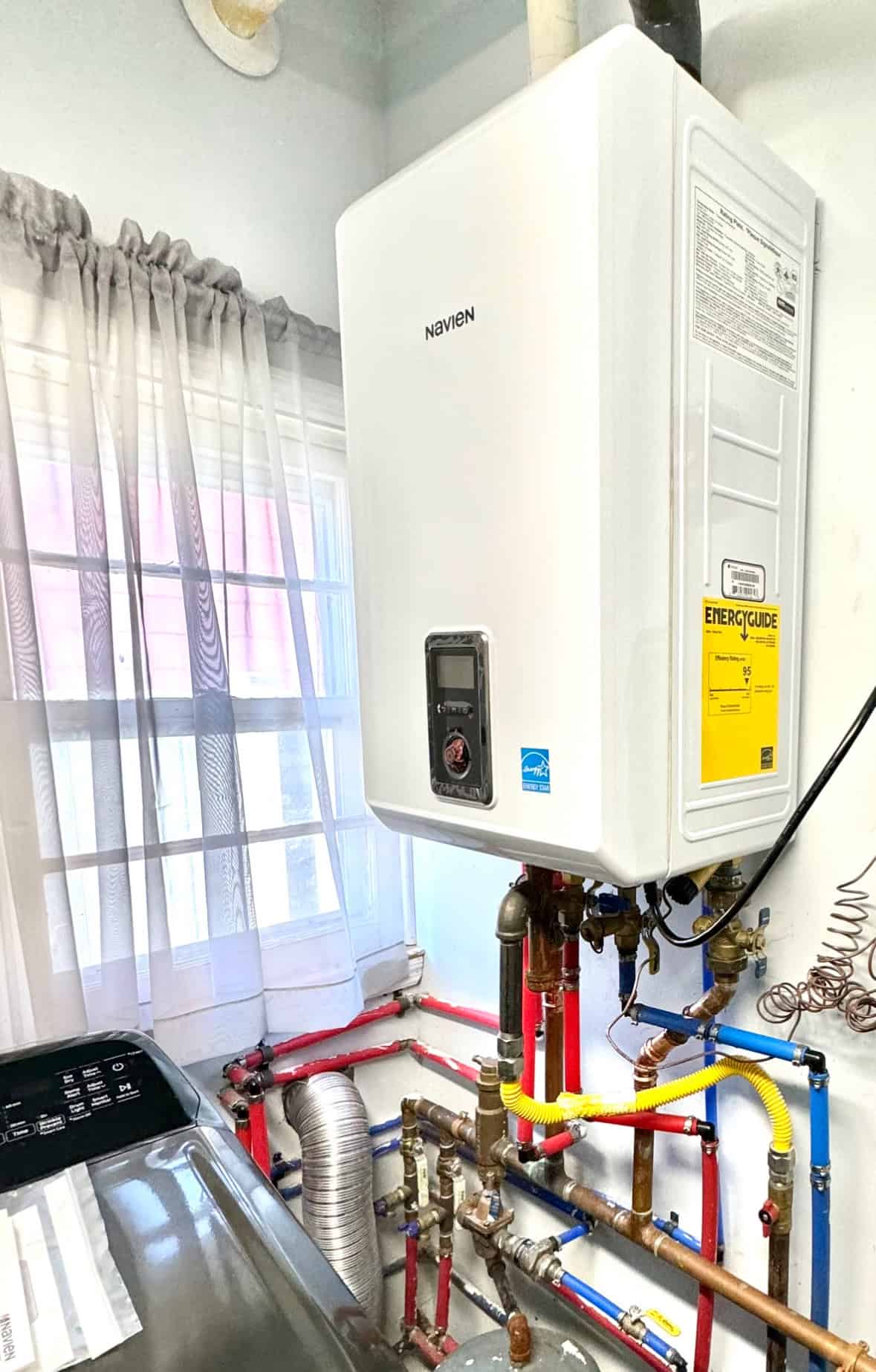
For tankless water heater repair and maintenance, smart systems help prevent the common issues that plague these units. Mineral buildup detection alerts you before scale accumulation damages the heat exchanger. Flow rate monitoring prevents overload situations. Error code interpretation tells you exactly what’s malfunctioning instead of leaving you guessing.
Energy Management Cuts Your Utility Bills
Water heating eats up about 18% of your home’s energy use. Smart technology helps you see exactly where that energy goes and how to use less.
The system tracks your water heater’s energy consumption broken down by day, week, or month. You spot usage spikes and figure out where to adjust. Maybe your water heater is running full blast during hours when nobody’s home. Maybe the temperature is set 20 degrees higher than you actually need.
This visibility translates directly to lower bills. Smart water heaters cut energy consumption by 10-30% compared to conventional models through optimized scheduling and reduced standby losses. Over a year, that’s real money staying in your account.
Smart Temperature Control Matches Your Schedule
Smart temperature control does more than let you adjust your thermostat from an app. It’s about intelligent management based on how you actually use hot water.
Create heating schedules that match your household routines. Drop the temperature during work hours when the house is empty. Raise it before morning showers or evening dishwashing. Enable vacation mode when you’re away for a week, maintaining just enough heat to prevent issues while using minimal energy.
Voice control through Alexa or Google Assistant adds hands-free convenience. Adjust temperature while your hands are full of dishes or you’re already in the shower. This immediate control is useful when you need quick changes, like raising the temperature before filling a large bathtub for the kids.
Scheduling helps if your utility offers time-of-use rates. Program your water heater to do most heating during off-peak hours when electricity costs less. The system heats and stores water when rates are low, then you use that stored hot water during expensive peak times. Over a year, this timing strategy can save substantial money.
For tankless water heater systems, smart controls manage simultaneous usage better. The system can prioritize which fixtures get hot water first or alert you when demand is approaching capacity. This prevents the “cold water sandwich” effect where someone takes a quick shower, the next person hops in immediately, and gets blasted with cold water for 30 seconds before hot water returns.
Temperature precision also matters for water heater maintenance. Running your tank too hot accelerates sediment buildup and corrosion. Too cold and you risk bacteria growth. Smart systems help you maintain the optimal temperature range that balances safety, efficiency, and equipment longevity.
Integration with Your Smart Home Ecosystem
Smart water heaters don’t work alone. They connect with your broader smart home setup, creating coordinated energy management across all your systems.
The water heater communicates with your smart thermostat, lighting controls, and other connected appliances. When your automation system knows you’re away, it automatically shifts your water heater to vacation mode. When you’re heading home, it ensures hot water is ready when you walk through the door.
Integration with solar panels is becoming common. If you generate solar power, your smart water heater can prioritize heating water during peak solar production hours. You’re using free energy from your panels instead of buying grid power. This coordination maximizes your solar investment while shrinking your carbon footprint.
Water heater data also feeds into whole-home energy monitoring. You see how water heating fits into your total energy consumption and make informed decisions about where to focus improvements. Maybe your water heater is actually efficient, but your HVAC system is draining energy. Or perhaps water heating is your biggest expense, making it the priority for upgrades.
Smart platforms enable automation routines. Create a “morning routine” that ensures your water heater is at optimal temperature before your alarm goes off. Or a “leaving home” routine that automatically adjusts water heater settings along with thermostat and lights. These coordinated actions improve efficiency without requiring you to remember multiple manual adjustments.
For properties in Monmouth & Ocean County, NJ, Ocean County, NJ, and Middlesex County, NJ, integration helps address coastal living challenges. Higher humidity, salt air exposure, and hard water all impact your systems. A coordinated smart home approach lets you monitor and manage these environmental factors more effectively across all your equipment.
The ecosystem approach also helps with plumbing repair beyond just water heaters. Some smart home systems can detect unusual water usage patterns that might indicate leaks elsewhere in your plumbing. Your water heater monitoring becomes part of a broader system protecting your entire home from water damage.
Smart Technology Enhances Professional Water Heater Service
Smart home technology doesn’t replace professional water heater repair. It makes that service more effective by providing better information.
When you can show your technician exactly when problems started, what error codes appeared, and how the system has been performing over weeks or months, diagnosis becomes faster and more accurate. You’re not guessing about symptoms or trying to remember when the weird noise started. The data is sitting right there in the app.
This technology proves particularly valuable in Monmouth & Ocean County, NJ, Ocean County, NJ, and Middlesex County, NJ, where environmental conditions stress water heaters harder. Salt air corrosion, humidity effects on electrical components, and accelerated mineral buildup from hard water all contribute to faster wear. Smart monitoring helps you stay ahead of these regional challenges instead of constantly playing catch-up with repairs.
If you’re dealing with water heater issues or want to explore how smart technology can improve your system’s reliability and longevity, we bring both the technical expertise and the local knowledge of what coastal New Jersey does to water heaters. Our team understands the technology and the unique demands these counties place on your equipment.