
Servicing Areas Throughout New Jersey

How Professional Water Line Repair Can Save Your Home’s Foundation

Your water line does more than deliver water—it protects your foundation. Learn how professional repair saves NJ homeowners from costly structural damage.

Share:

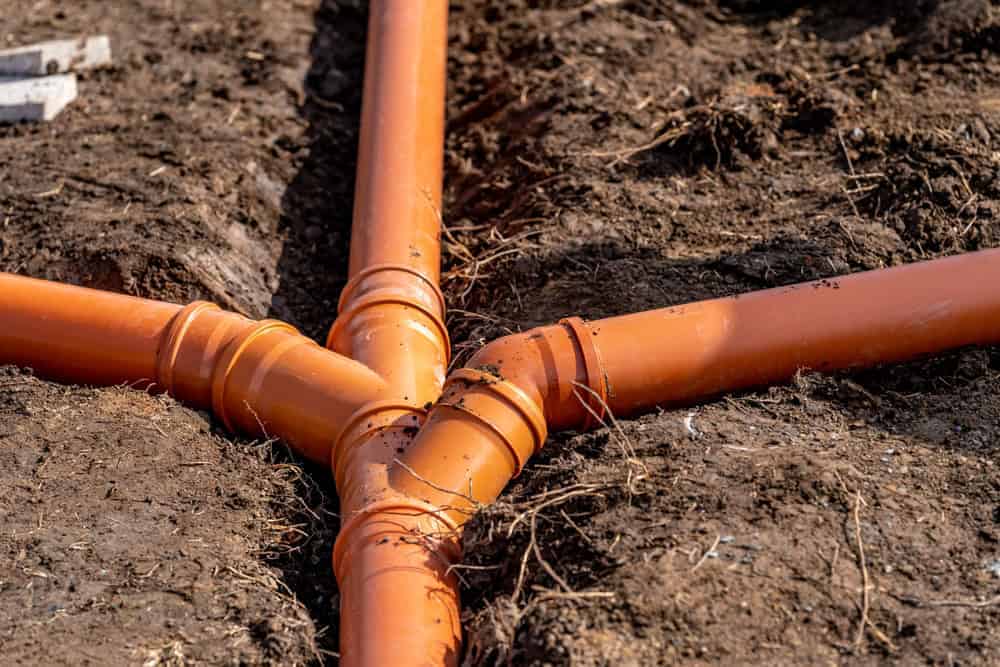
Orange underground drainage pipes connected in a cross‑shaped layout within a soil trench.

Summary:

Water line problems don’t just waste water and spike your bills. In Monmouth, Ocean, and Middlesex Counties, undetected leaks quietly erode soil beneath your foundation, creating cracks, sinkholes, and structural damage that can cost tens of thousands to fix. This guide explains how professional water line repair protects your home’s foundation, what signs to watch for, and why acting early matters more than most homeowners realize. You’ll understand the real costs, the repair process, and how to choose the right approach for your property.
Table of contents
You probably don’t think about the pipe buried under your yard until something goes wrong. But that water line—the one connecting your home to the municipal supply—does more than just deliver water to your faucets. When it leaks, it doesn’t just waste water or raise your bill. It slowly erodes the soil around and beneath your foundation. In Monmouth, Ocean, and Middlesex Counties, where clay soil and seasonal storms already challenge drainage, a leaking water line can turn into a foundation nightmare faster than you’d expect. The good news? Professional water line repair can stop the damage before it becomes a five-figure problem. Here’s what you need to know about protecting your home.

Why Water Line Leaks Damage Your Foundation

Your water line runs underground from the street to your home. When it’s working properly, you never think about it. When it leaks, water escapes into the surrounding soil—sometimes for weeks or months before you notice.

That water doesn’t just disappear. It saturates the ground around your foundation. In New Jersey, where many properties sit on clay soil, that saturation changes everything. Clay expands when wet, contracts when dry, and shifts your foundation in the process. Over time, that movement creates cracks. Those cracks let in more water. And the cycle accelerates.

You might see the first signs in your yard—soggy patches that never dry, grass growing faster in one spot, or even small sinkholes forming near your home. Inside, you might notice cracks in walls or uneven floors. By the time those symptoms show up, the leak has usually been active for a while.
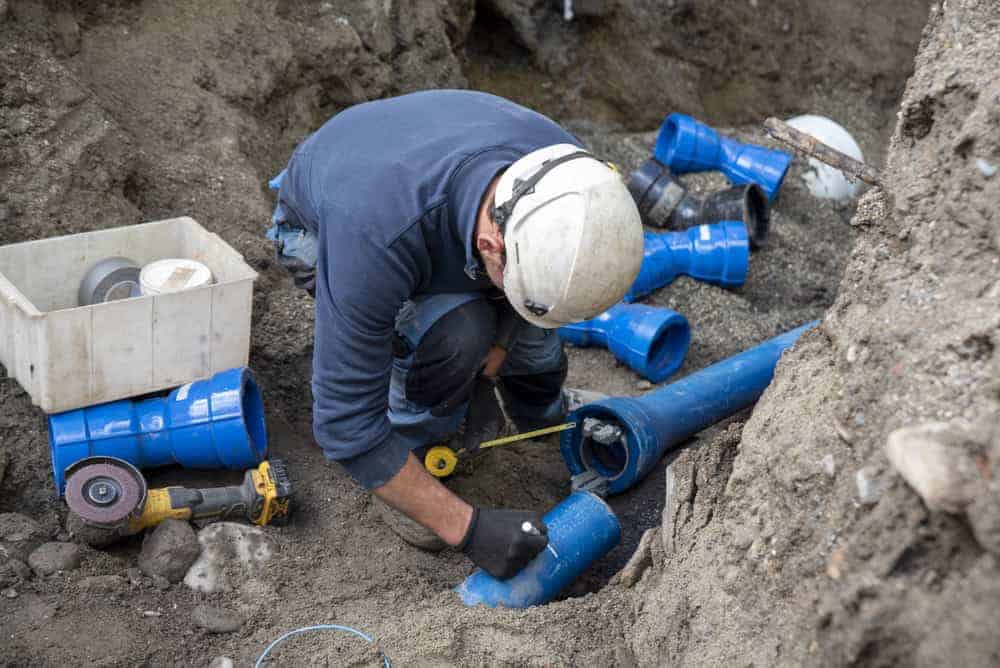
A construction worker in a white hardhat and a blue shirt is crouching in a dirt trench, working on a series of bright blue pipes.

The Real Cost of Ignoring Water Line Problems

Foundation damage from water line leaks doesn’t happen overnight, but it happens predictably. When water continuously leaks into the soil around your foundation, it erodes the ground that’s supposed to support your home. That soil either washes away or becomes so saturated it can no longer bear weight properly.

The result? Your foundation starts to settle unevenly. Cracks appear in the concrete. Walls shift. Doors stick. Windows won’t close right. What started as a small leak in a pipe becomes a structural issue that affects your entire home.

In Central New Jersey, spring storms and summer downpours make this worse. The ground is already dealing with seasonal water fluctuations. Add a leaking water line to that mix, and you’re compounding the problem. The soil can’t drain properly. Water pools where it shouldn’t. And your foundation bears the consequences.

Repair costs tell the story. Fixing a water line leak might run a few thousand dollars. Repairing foundation cracks can cost anywhere from a few thousand to over ten thousand, depending on severity. If the damage progresses to major structural issues, you’re looking at tens of thousands of dollars. The math is simple: catching and fixing the water line leak early saves you money and headaches.

Foundation damage also affects your home’s value. Buyers notice cracks, uneven floors, and drainage issues. Even if you repair the foundation later, the history of damage can complicate a sale. Preventing that damage in the first place by addressing water line issues promptly protects both your home and your investment.

Signs Your Water Line Needs Professional Attention

Most homeowners don’t discover water line leaks until the damage is obvious. But there are earlier warning signs if you know what to look for. Catching these early can mean the difference between a straightforward repair and a foundation crisis.

Your water bill is often the first clue. If your usage hasn’t changed but your bill keeps climbing, water is going somewhere. An underground leak is a common culprit. Even a small leak wastes thousands of gallons over time, and you’re paying for every drop.

Low water pressure throughout your home can indicate a leak in the main line. If multiple fixtures have weak flow and there’s no obvious explanation, the problem might be outside your walls. Water escaping through a crack or break in the line means less pressure reaching your home.

Wet spots in your yard are a red flag. If you have areas that stay soggy even when it hasn’t rained, or patches of grass that grow noticeably faster and greener than the rest of your lawn, water is likely feeding them from below. Sometimes you’ll even see small depressions or sinkholes forming as soil washes away.

Strange sounds from your plumbing can signal trouble. Hissing, bubbling, or gurgling noises when no water is running suggest water is moving where it shouldn’t be. These sounds often indicate a leak in the main water line or a problem with water pressure caused by a compromised pipe.

Discolored water is another warning sign. If your water suddenly looks brown, yellow, or rusty, it could mean your water line is damaged and allowing dirt or sediment to enter. This isn’t just unpleasant—it’s a health concern and a clear indicator that your line needs professional inspection.

Foundation cracks appearing or worsening over a short period can point to water line issues. While some settling is normal in any home, rapid changes or cracks that grow noticeably wider suggest ongoing water damage beneath your foundation. If you’re seeing these symptoms alongside any of the other signs mentioned, a leaking water line is likely the cause.

Choosing the Right Water Line Repair Method for NJ Homes

Water line repair isn’t a weekend DIY project. The line runs underground, often several feet deep to stay below the frost line in New Jersey. It requires excavation, proper materials, and knowledge of local plumbing codes. More importantly, it requires correctly diagnosing the problem in the first place.

We use specialized equipment to locate leaks without guessing. Camera inspections can pinpoint the exact location and extent of damage. This precision matters because it determines whether you need a spot repair or a full line replacement. It also minimizes unnecessary digging and property disruption.

As licensed professionals, we understand New Jersey’s plumbing codes and permit requirements. Water line work typically requires permits and inspections. Doing the work without proper licensing and permits can create liability issues, complicate insurance claims, and cause problems when you sell your home.

Close-up of hands using a wrench to tighten a metal pipe fitting in muddy soil. The scene suggests a plumbing or repair task taking place outdoors.

Trenchless Water Line Repair vs Traditional Methods

Traditional water line repair meant digging a trench from the street to your house. That meant tearing up your lawn, possibly your driveway, and definitely your landscaping. It worked, but it left your property looking like a construction zone for weeks.

Trenchless repair methods have changed that. These techniques allow us to repair or replace water lines with minimal excavation. Instead of digging up your entire yard, we create small access points and work underground. Your landscaping stays intact. Your driveway doesn’t need repaving. And the job gets done faster.

One common trenchless method is pipe lining. We insert a resin-coated liner into the existing pipe. The liner hardens in place, creating a new pipe inside the old one. This works well when the existing pipe still has structural integrity but has developed leaks or cracks. It’s less invasive than full replacement and often costs less too.

Pipe bursting is another option. A machine breaks up the old pipe while simultaneously pulling a new pipe through to replace it. This method works when the old pipe is too damaged to line but you still want to avoid extensive excavation. It’s faster than traditional digging and leaves your property largely undisturbed.

The right method depends on your specific situation. The age and material of your existing line matter. Lead or galvanized pipes often need full replacement, not repair. The extent of damage determines whether a spot fix will work or if you need a complete line replacement. We can assess your water line and recommend the best approach for your property.

Cost is a factor, but it’s not the only one. Trenchless methods may cost slightly more upfront, but they eliminate the expense of restoring your landscaping, repaving your driveway, or replacing damaged hardscaping. When you factor in those restoration costs, trenchless often comes out ahead. Plus, the work is done in days instead of weeks.

What Happens During a Professional Water Line Repair

Understanding the repair process helps you prepare and know what questions to ask. Professional water line repair typically follows a clear sequence, though specifics vary based on your property and the extent of damage.

It starts with an inspection. We’ll assess your water line to determine where the leak is and how severe the damage is. This usually involves camera inspection technology that lets us see inside the pipe without digging. We’ll also check the age and material of your line, since that affects repair options.

Once we’ve identified the problem, we’ll explain your options. If it’s a small, isolated leak in a relatively new line, spot repair might work. If the line is old or severely damaged, replacement makes more sense. We provide upfront pricing for each option so you can make an informed decision.

The actual repair work depends on the method chosen. Trenchless water line repair typically takes one to two days. Traditional excavation and replacement might take longer, especially if permits and inspections are required. We’ll give you a realistic timeline before work begins.

During the work, your water will be shut off. Plan accordingly—fill containers with water for drinking and basic needs. If the work takes multiple days, we’ll restore temporary water service at the end of each workday when possible.

After the repair is complete, we’ll test the system to ensure everything works properly. We’ll check water pressure, look for any remaining leaks, and make sure the repair meets code requirements. If permits were required, we’ll schedule the necessary inspections.

Cleanup is part of the job. If excavation was necessary, we’ll backfill and restore the area as much as possible. With trenchless methods, cleanup is minimal since there’s little disruption to begin with. Either way, your property will be left in good condition, not looking like a construction site.

Protecting Your Foundation Starts With Your Water Line

Your water line might be out of sight, but it shouldn’t be out of mind. That underground pipe plays a bigger role in protecting your home than most people realize. When it leaks, it doesn’t just waste water—it threatens your foundation, your home’s structural integrity, and your financial security.

The good news is that professional water line repair is straightforward when you catch problems early. Modern methods minimize disruption to your property. Costs are manageable compared to foundation repairs. And licensed professionals can diagnose and fix issues before they escalate into major damage.

If you’re seeing any warning signs—higher water bills, wet spots in your yard, low pressure, or foundation cracks—don’t wait. Most leaks don’t require an emergency response, but they do require action. The longer you wait, the more damage occurs underground where you can’t see it.

At AME Plumbing Heating and Cooling, we serve homeowners throughout Monmouth County, Ocean County, and Middlesex County with professional water line services. Our licensed team uses modern diagnostic tools and repair methods to protect your home’s foundation while minimizing disruption to your property.

Summary:

Water line problems don’t just waste water and spike your bills. In Monmouth, Ocean, and Middlesex Counties, undetected leaks quietly erode soil beneath your foundation, creating cracks, sinkholes, and structural damage that can cost tens of thousands to fix. This guide explains how professional water line repair protects your home’s foundation, what signs to watch for, and why acting early matters more than most homeowners realize. You’ll understand the real costs, the repair process, and how to choose the right approach for your property.
Table of contents
You probably don’t think about the pipe buried under your yard until something goes wrong. But that water line—the one connecting your home to the municipal supply—does more than just deliver water to your faucets. When it leaks, it doesn’t just waste water or raise your bill. It slowly erodes the soil around and beneath your foundation. In Monmouth, Ocean, and Middlesex Counties, where clay soil and seasonal storms already challenge drainage, a leaking water line can turn into a foundation nightmare faster than you’d expect. The good news? Professional water line repair can stop the damage before it becomes a five-figure problem. Here’s what you need to know about protecting your home.

Why Water Line Leaks Damage Your Foundation

Your water line runs underground from the street to your home. When it’s working properly, you never think about it. When it leaks, water escapes into the surrounding soil—sometimes for weeks or months before you notice.

That water doesn’t just disappear. It saturates the ground around your foundation. In New Jersey, where many properties sit on clay soil, that saturation changes everything. Clay expands when wet, contracts when dry, and shifts your foundation in the process. Over time, that movement creates cracks. Those cracks let in more water. And the cycle accelerates.

You might see the first signs in your yard—soggy patches that never dry, grass growing faster in one spot, or even small sinkholes forming near your home. Inside, you might notice cracks in walls or uneven floors. By the time those symptoms show up, the leak has usually been active for a while.

A construction worker in a white hardhat and a blue shirt is crouching in a dirt trench, working on a series of bright blue pipes.

The Real Cost of Ignoring Water Line Problems

Foundation damage from water line leaks doesn’t happen overnight, but it happens predictably. When water continuously leaks into the soil around your foundation, it erodes the ground that’s supposed to support your home. That soil either washes away or becomes so saturated it can no longer bear weight properly.

The result? Your foundation starts to settle unevenly. Cracks appear in the concrete. Walls shift. Doors stick. Windows won’t close right. What started as a small leak in a pipe becomes a structural issue that affects your entire home.

In Central New Jersey, spring storms and summer downpours make this worse. The ground is already dealing with seasonal water fluctuations. Add a leaking water line to that mix, and you’re compounding the problem. The soil can’t drain properly. Water pools where it shouldn’t. And your foundation bears the consequences.

Repair costs tell the story. Fixing a water line leak might run a few thousand dollars. Repairing foundation cracks can cost anywhere from a few thousand to over ten thousand, depending on severity. If the damage progresses to major structural issues, you’re looking at tens of thousands of dollars. The math is simple: catching and fixing the water line leak early saves you money and headaches.

Foundation damage also affects your home’s value. Buyers notice cracks, uneven floors, and drainage issues. Even if you repair the foundation later, the history of damage can complicate a sale. Preventing that damage in the first place by addressing water line issues promptly protects both your home and your investment.

Signs Your Water Line Needs Professional Attention

Most homeowners don’t discover water line leaks until the damage is obvious. But there are earlier warning signs if you know what to look for. Catching these early can mean the difference between a straightforward repair and a foundation crisis.

Your water bill is often the first clue. If your usage hasn’t changed but your bill keeps climbing, water is going somewhere. An underground leak is a common culprit. Even a small leak wastes thousands of gallons over time, and you’re paying for every drop.

Low water pressure throughout your home can indicate a leak in the main line. If multiple fixtures have weak flow and there’s no obvious explanation, the problem might be outside your walls. Water escaping through a crack or break in the line means less pressure reaching your home.

Wet spots in your yard are a red flag. If you have areas that stay soggy even when it hasn’t rained, or patches of grass that grow noticeably faster and greener than the rest of your lawn, water is likely feeding them from below. Sometimes you’ll even see small depressions or sinkholes forming as soil washes away.

Strange sounds from your plumbing can signal trouble. Hissing, bubbling, or gurgling noises when no water is running suggest water is moving where it shouldn’t be. These sounds often indicate a leak in the main water line or a problem with water pressure caused by a compromised pipe.

Discolored water is another warning sign. If your water suddenly looks brown, yellow, or rusty, it could mean your water line is damaged and allowing dirt or sediment to enter. This isn’t just unpleasant—it’s a health concern and a clear indicator that your line needs professional inspection.

Foundation cracks appearing or worsening over a short period can point to water line issues. While some settling is normal in any home, rapid changes or cracks that grow noticeably wider suggest ongoing water damage beneath your foundation. If you’re seeing these symptoms alongside any of the other signs mentioned, a leaking water line is likely the cause.

Choosing the Right Water Line Repair Method for NJ Homes

Water line repair isn’t a weekend DIY project. The line runs underground, often several feet deep to stay below the frost line in New Jersey. It requires excavation, proper materials, and knowledge of local plumbing codes. More importantly, it requires correctly diagnosing the problem in the first place.

We use specialized equipment to locate leaks without guessing. Camera inspections can pinpoint the exact location and extent of damage. This precision matters because it determines whether you need a spot repair or a full line replacement. It also minimizes unnecessary digging and property disruption.

As licensed professionals, we understand New Jersey’s plumbing codes and permit requirements. Water line work typically requires permits and inspections. Doing the work without proper licensing and permits can create liability issues, complicate insurance claims, and cause problems when you sell your home.

Close-up of hands using a wrench to tighten a metal pipe fitting in muddy soil. The scene suggests a plumbing or repair task taking place outdoors.

Trenchless Water Line Repair vs Traditional Methods

Traditional water line repair meant digging a trench from the street to your house. That meant tearing up your lawn, possibly your driveway, and definitely your landscaping. It worked, but it left your property looking like a construction zone for weeks.

Trenchless repair methods have changed that. These techniques allow us to repair or replace water lines with minimal excavation. Instead of digging up your entire yard, we create small access points and work underground. Your landscaping stays intact. Your driveway doesn’t need repaving. And the job gets done faster.

One common trenchless method is pipe lining. We insert a resin-coated liner into the existing pipe. The liner hardens in place, creating a new pipe inside the old one. This works well when the existing pipe still has structural integrity but has developed leaks or cracks. It’s less invasive than full replacement and often costs less too.

Pipe bursting is another option. A machine breaks up the old pipe while simultaneously pulling a new pipe through to replace it. This method works when the old pipe is too damaged to line but you still want to avoid extensive excavation. It’s faster than traditional digging and leaves your property largely undisturbed.

The right method depends on your specific situation. The age and material of your existing line matter. Lead or galvanized pipes often need full replacement, not repair. The extent of damage determines whether a spot fix will work or if you need a complete line replacement. We can assess your water line and recommend the best approach for your property.

Cost is a factor, but it’s not the only one. Trenchless methods may cost slightly more upfront, but they eliminate the expense of restoring your landscaping, repaving your driveway, or replacing damaged hardscaping. When you factor in those restoration costs, trenchless often comes out ahead. Plus, the work is done in days instead of weeks.

What Happens During a Professional Water Line Repair

Understanding the repair process helps you prepare and know what questions to ask. Professional water line repair typically follows a clear sequence, though specifics vary based on your property and the extent of damage.

It starts with an inspection. We’ll assess your water line to determine where the leak is and how severe the damage is. This usually involves camera inspection technology that lets us see inside the pipe without digging. We’ll also check the age and material of your line, since that affects repair options.

Once we’ve identified the problem, we’ll explain your options. If it’s a small, isolated leak in a relatively new line, spot repair might work. If the line is old or severely damaged, replacement makes more sense. We provide upfront pricing for each option so you can make an informed decision.

The actual repair work depends on the method chosen. Trenchless water line repair typically takes one to two days. Traditional excavation and replacement might take longer, especially if permits and inspections are required. We’ll give you a realistic timeline before work begins.

During the work, your water will be shut off. Plan accordingly—fill containers with water for drinking and basic needs. If the work takes multiple days, we’ll restore temporary water service at the end of each workday when possible.

After the repair is complete, we’ll test the system to ensure everything works properly. We’ll check water pressure, look for any remaining leaks, and make sure the repair meets code requirements. If permits were required, we’ll schedule the necessary inspections.

Cleanup is part of the job. If excavation was necessary, we’ll backfill and restore the area as much as possible. With trenchless methods, cleanup is minimal since there’s little disruption to begin with. Either way, your property will be left in good condition, not looking like a construction site.

Protecting Your Foundation Starts With Your Water Line

Your water line might be out of sight, but it shouldn’t be out of mind. That underground pipe plays a bigger role in protecting your home than most people realize. When it leaks, it doesn’t just waste water—it threatens your foundation, your home’s structural integrity, and your financial security.

The good news is that professional water line repair is straightforward when you catch problems early. Modern methods minimize disruption to your property. Costs are manageable compared to foundation repairs. And licensed professionals can diagnose and fix issues before they escalate into major damage.

If you’re seeing any warning signs—higher water bills, wet spots in your yard, low pressure, or foundation cracks—don’t wait. Most leaks don’t require an emergency response, but they do require action. The longer you wait, the more damage occurs underground where you can’t see it.

At AME Plumbing Heating and Cooling, we serve homeowners throughout Monmouth County, Ocean County, and Middlesex County with professional water line services. Our licensed team uses modern diagnostic tools and repair methods to protect your home’s foundation while minimizing disruption to your property.
Article details:

Share: