Summary:
Your kitchen sink drains slower each week. The shower backs up mid-rinse. That gurgling sound from the bathroom drain keeps getting louder. These aren’t minor annoyances—they’re warnings that something’s building up in your pipes, and it won’t fix itself. Monmouth County’s clay soil and iron-rich water create drainage challenges that turn small clogs into expensive emergencies if you wait too long. The good news? Professional drain cleaning methods can clear blockages completely, restore full flow, and prevent the same issues from coming back in a few months. Here’s what you need to know about drain cleaning services that actually solve the problem.
How Professional Drain Cleaning Actually Works
Professional drain cleaning goes beyond what a plunger or bottle of chemicals can accomplish. When you call a licensed plumber for drain service, we start with diagnosis, not guesswork. Camera inspections show exactly what’s blocking your pipes—grease buildup, hair and soap scum, mineral deposits from hard water, or tree roots pushing through joints. That visual confirmation tells us which method will actually clear the problem.
From there, we use equipment designed to remove blockages completely, not just poke a hole through them. Hydro jetting uses high-pressure water streams to scour pipe walls clean. Drain snaking breaks through clogs mechanically. Trenchless methods can even repair damaged sections without tearing up your yard. The right approach depends on what’s causing the blockage, where it’s located, and what condition your pipes are in.

What Is Hydro Jetting and When Does It Make Sense
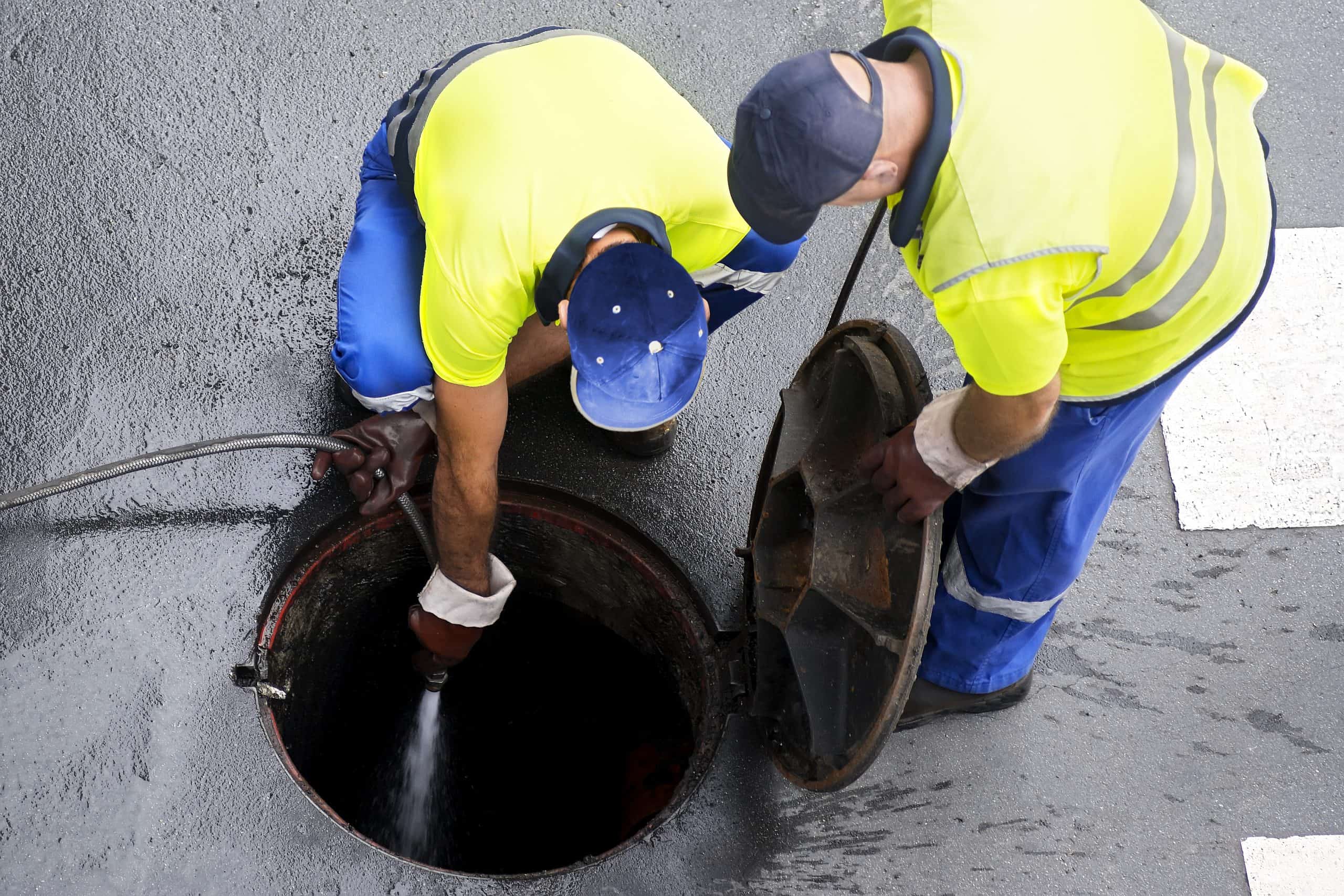
Hydro jetting shoots water through your pipes at 1,500 to 4,000 PSI—powerful enough to cut through grease, dissolve mineral scale, and blast away years of accumulated debris. A specialized nozzle sprays water in multiple directions simultaneously, creating a 360-degree cleaning effect that scours every inch of the pipe’s interior. The result is pipes that look and function like they’re nearly new again.
This method works exceptionally well for recurring clogs that keep coming back despite repeated snaking. If you’ve had the same drain professionally cleared multiple times in the past year, there’s likely buildup coating your pipe walls that snaking can’t remove. Hydro jetting eliminates that residue completely, which is why results typically last three to four times longer than traditional snaking.
It’s particularly effective in Monmouth County homes because our iron-rich water creates mineral deposits that regular drain cleaning methods leave behind. Those rough, textured surfaces catch debris and accelerate new clog formation. Hydro jetting smooths everything out, giving you genuinely clean pipes that stay clear longer.
The process does cost more upfront than snaking—typically $300 to $800 versus $100 to $275 for basic augering. But when you factor in fewer service calls and longer-lasting results, many homeowners find it’s actually more economical over time. We can run a camera inspection first to confirm whether hydro jetting is the right solution for your specific situation.
When Drain Snaking Is the Better Choice
Drain snaking—also called augering or rooter service—remains an effective solution for many common clogs. A flexible metal cable with a corkscrew tip feeds through your drain until it hits the blockage, then rotates to break it apart or pull it out. For isolated clogs caused by hair, food particles, or small objects, this straightforward mechanical approach gets water flowing again quickly and affordably.
The main advantage of snaking is that it’s gentler on older pipes. If you have aging cast iron, clay, or fragile plumbing that might not withstand high-pressure water, snaking provides a safer alternative. It’s also the practical choice when you need a fast fix for a one-time clog that hasn’t been a recurring problem.
Where snaking falls short is in comprehensive cleaning. The auger creates a hole through the blockage—enough to restore drainage—but it doesn’t remove the residue coating your pipe walls. That leftover buildup catches new debris and causes clogs to return faster. If you’ve noticed the same drain backing up every few months, snaking is probably just buying temporary relief rather than solving the underlying issue.
We often use snaking as a first step when pipes are severely clogged. Clearing enough space to run a camera inspection helps us see what’s really going on inside. Then we can follow up with hydro jetting or other methods to provide a more permanent solution. The key is matching the technique to your specific situation rather than defaulting to the cheapest option that might not last.
Sewer Line Inspection and Camera Services
Before any major drain work, we look inside your pipes with a camera. Sewer line video inspection uses a waterproof camera on a flexible cable to capture real-time footage of your plumbing’s interior. We can see cracks, root intrusion, bellies where pipes sag, offset joints, and the exact location of blockages—all without digging or guessing.
This diagnostic step prevents expensive mistakes. Without visual confirmation, we might recommend hydro jetting when your pipes are too damaged to handle the pressure. Or we might dig in the wrong spot looking for a problem that’s actually 20 feet away. Camera inspection eliminates that guesswork and ensures you’re paying for the right solution, not trial and error.
Sewer Scope Inspection Cost and What You Get
A sewer camera inspection typically costs between $125 and $500 in Monmouth County, depending on access points and line length. That might seem like an extra expense when you just want your drain unclogged, but it’s actually one of the smartest investments you can make in your home’s plumbing.
Here’s what you’re paying for: precise diagnosis that shows exactly what’s wrong, where it’s located, and how severe the damage is. The camera captures video footage you can review with our technician, so you’re not just taking our word for it. Distance markers on the cable tell you how many feet into the line the problem sits, which matters enormously if excavation becomes necessary. And the recording provides documentation for insurance claims or real estate transactions.
Most importantly, camera inspection prevents paying for the wrong fix. If your recurring clogs are caused by a collapsed section of pipe, no amount of snaking or jetting will solve it—you need repair or replacement. If tree roots are pushing through joints, we can address the root intrusion and plan for monitoring rather than being surprised by another backup six months later. The inspection turns an invisible problem into a clear action plan with realistic cost expectations.
For homes built before 1970, properties with large mature trees, or anywhere you’ve experienced repeated backups, a camera inspection should be your first step. The $125 to $500 you spend on diagnosis can easily save you thousands by identifying the actual problem before work begins.
What Camera Inspections Reveal About Your Plumbing
When we run a camera through your sewer line, we’re looking for specific issues that explain why drains aren’t flowing properly. Tree roots are one of the most common findings in Monmouth County—they enter through tiny cracks or joints, then grow into nets that catch debris and restrict flow. The camera shows whether you’re dealing with minor root intrusion that hydro jetting can clear, or extensive root systems that require more aggressive intervention.
Pipe bellies are another frequent discovery. These are sections where the pipe has settled or sagged, creating low spots where water pools and debris collects. We can clear the clog, but it’ll come back because gravity keeps depositing material in that low point. Identifying a belly early lets you plan for proper repair before the section collapses completely.
The inspection also reveals pipe material and condition. If you have aging cast iron with rust and corrosion narrowing the interior diameter, or old clay pipes with cracks and offsets, you need to know that before choosing a cleaning method. Aggressive hydro jetting could worsen existing damage in fragile pipes, while gentle snaking might not provide the thorough cleaning you need. The camera shows us exactly what we’re working with so we can recommend the safest, most effective approach.
Grease and scale buildup, foreign objects, and structural issues all show up clearly on camera. That visual evidence helps you understand why the problem keeps happening and what it’ll take to fix it permanently. You’re making decisions based on facts rather than estimates and assumptions.
Garbage Disposal Repair and Kitchen Drain Issues
Kitchen drains face unique challenges because of what goes down them. Grease solidifies as it cools, coating pipe walls and catching food particles. Coffee grounds clump together into dense masses. Pasta and rice continue expanding in your pipes, creating swollen blockages. Even with a garbage disposal, your kitchen drain handles more potential clog material than any other fixture in your home.
When your disposal stops working or your kitchen sink backs up, the problem might be the unit itself, a clog in the drain line, or both. Garbage disposals can jam, leak, or burn out their motors. The drain line can accumulate enough grease and debris to restrict flow even when the disposal works fine. Professional diagnosis determines which component needs attention.