Your furnace doesn't wait for a convenient time to quit. Learn what a fall furnace tune up includes and why scheduling before winter hits protects your comfort and your wallet.
Share:

Summary:
Your furnace sat idle all summer. Dust settled in the blower. Connections loosened. Filters clogged. Now you’re asking it to fire up and run nonstop through a New Jersey winter that can hit 22 degrees in January.
That’s a lot to ask without a checkup first.
A furnace tune up before the cold sets in isn’t about being overly cautious. It’s about not waking up at 2 a.m. to a freezing house, a panicked call to an emergency line, and a bill that could’ve been avoided. It’s about keeping your energy costs in check and making sure the system you’re counting on is actually ready to do its job.
Here’s what you need to know about fall maintenance and why it matters more than you might think.
A professional furnace tune up is a systematic inspection and service of every component that keeps your heating system running safely and efficiently. It’s not a quick visual check. It’s a thorough process that typically takes one to two hours and covers everything from combustion testing to carbon monoxide detection.
Our technicians will inspect the heat exchanger for cracks, clean the burners, test the ignition system, and calibrate your thermostat. We’ll check electrical connections, lubricate moving parts, and replace or clean your air filter. Safety controls get tested. Gas pressure gets measured. Airflow gets verified.
The goal isn’t just to make sure your furnace turns on. It’s to make sure it runs efficiently, safely, and reliably when you need it most. That means catching small issues before they turn into big problems and confirming that every safety mechanism is working exactly as it should.
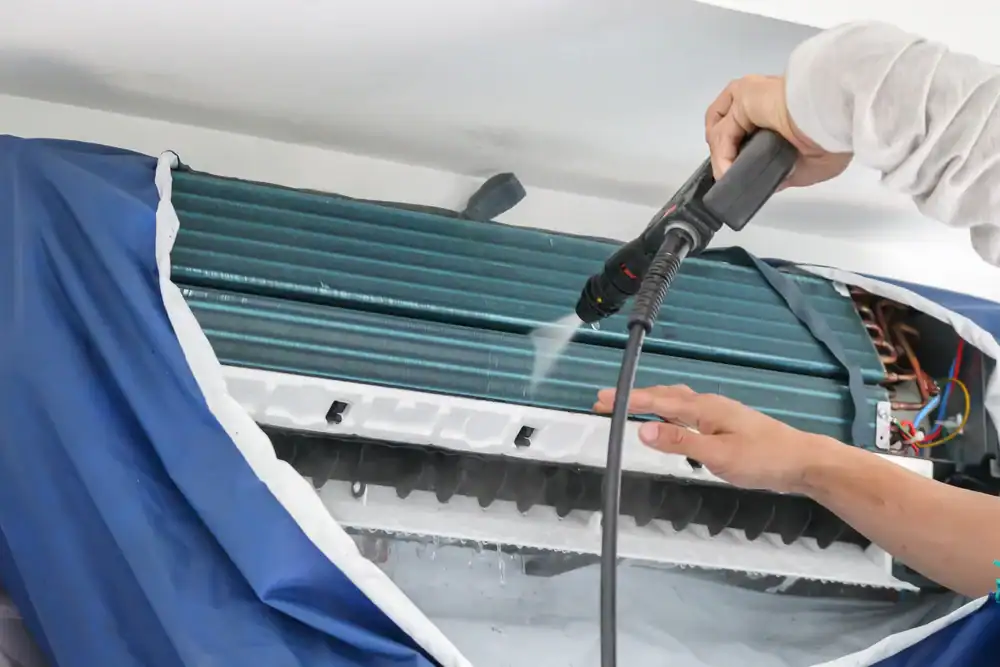
When our certified technicians show up for your furnace maintenance, we’re following a detailed checklist designed to catch problems you’d never notice on your own. This isn’t guesswork. It’s a proven process that protects both your comfort and your safety.
The inspection starts with your heat exchanger. This is where combustion happens, and any cracks or damage here can lead to carbon monoxide leaks. We’ll examine it carefully, looking for signs of wear, corrosion, or structural issues that could compromise your safety.
Next comes the burner assembly. Burners need to be clean to burn fuel efficiently. Dirt, soot, or condensation buildup makes your furnace work harder and waste energy. We’ll remove and clean the burners, then test combustion efficiency to make sure your system is burning fuel properly without producing excess emissions or wasting gas.
The blower motor and fan get attention too. These components circulate warm air throughout your home. If they’re dirty or poorly lubricated, airflow suffers and your furnace has to run longer to heat the same space. We’ll clean the blower compartment and lubricate moving parts to reduce friction and improve performance.
Electrical connections are tightened and tested. Loose wiring can cause system failures or create safety hazards. We’ll measure voltage and current to make sure motors are operating within manufacturer specifications and that your system won’t shut down unexpectedly.
Your thermostat gets calibrated to ensure accurate temperature control. If your thermostat is off by even a few degrees, your furnace runs more than it needs to, driving up your energy bills without improving comfort. Proper calibration means your system heats to the temperature you actually set.
Finally, we’ll check your condensate drain, inspect ductwork for leaks, verify proper venting, and test carbon monoxide levels. We’ll run the system through a complete cycle to confirm everything operates smoothly from startup to shutdown. When we’re done, you’ll get a report of findings and recommendations for any repairs or adjustments that might be needed down the line.
Timing matters when it comes to furnace maintenance. Schedule too early and your system hasn’t been sitting long enough to reveal issues. Wait too long and you’re competing with everyone else who just realized their heat isn’t working right.
Fall is the sweet spot. September through early October gives you the perfect window to get your furnace serviced before the first cold snap hits Monmouth County. You’re ahead of the rush, which means easier scheduling, more availability, and less pressure on both you and our technicians.
There’s a practical reason for this timing too. Your furnace has been off all summer. Dust has accumulated. Seals may have dried out. Components that were fine in the spring might have developed issues during months of inactivity. A fall tune up catches these problems before you’re relying on your system to keep your family warm through January.
Scheduling early also means you’re not stuck waiting if repairs are needed. Parts can be ordered without urgency. Work can be scheduled at your convenience instead of as an emergency. You’re in control of the process instead of reacting to a breakdown.
And if something does go wrong later in the season, you’ve already established a relationship with us. You’re not scrambling to find someone you trust in the middle of a crisis. You’re calling a team that already knows your system and has your service history on file.
The bottom line is simple. Fall maintenance prepares your furnace for the workload ahead. It gives you time to address issues on your terms, at fair pricing, with full availability. That’s worth more than waiting until the first freeze forces your hand.
Nobody plans for their furnace to fail at the worst possible moment. But that’s exactly when it happens. Systems break down when they’re working hardest, which in New Jersey means the coldest nights of the year.
Winter heating preparation is about eliminating that risk before it becomes your reality. It’s about making sure the system you’re counting on has been tested, cleaned, and verified to handle the demand you’re about to place on it. Because once temperatures drop and your furnace is running daily, small problems escalate fast.
A loose belt becomes a failed blower motor. A dirty flame sensor causes repeated shutdowns. A clogged filter forces your system to overheat and trip the safety limit switch. These aren’t catastrophic failures. They’re predictable issues that turn into emergencies only when they’re ignored.
Proper preparation catches them first. It gives you the chance to address wear and tear before it leads to a breakdown. And it keeps you from joining the rush of emergency calls that flood HVAC companies every time a polar front moves through.

Your furnace talks to you. Not in words, but in symptoms that signal something’s not right. If you know what to listen for, you can catch problems before they leave you without heat.
Strange noises are the most obvious warning sign. A healthy furnace hums quietly. Banging, squealing, rattling, or grinding means something’s loose, worn, or failing. Banging often indicates delayed ignition where gas builds up before igniting. Squealing usually points to a worn belt or motor bearings. Rattling suggests loose panels or ductwork. None of these sounds fix themselves, and running your system with these issues only makes the damage worse.
Uneven heating throughout your home is another red flag. If some rooms are warm while others stay cold, your furnace isn’t distributing air properly. This could be a ductwork issue, a failing blower motor, or a problem with airflow balance. Whatever the cause, it means your system is working harder than it should to heat your space, which drives up your energy bills and shortens the life of your equipment.
Watch your utility bills too. If your heating costs are climbing even though your usage hasn’t changed, your furnace is losing efficiency. Dirt buildup, worn components, or poor combustion can all cause your system to burn more fuel to produce the same amount of heat. A sudden spike of 15 to 20 percent or more is worth investigating.
Pay attention to how often your furnace cycles on and off. Short cycling, where the system runs for a few minutes then shuts down repeatedly, puts enormous strain on your equipment. It can be caused by a dirty filter, a malfunctioning thermostat, or an oversized system. Either way, it’s a problem that needs professional attention before it leads to a complete breakdown.
Your pilot light or burner flame should burn steady and blue. A yellow or flickering flame means incomplete combustion, which can produce carbon monoxide. This isn’t something to monitor or wait on. If you see a yellow flame, shut down your system and call for service immediately.
Finally, trust your nose. A burning smell when you first turn on your furnace in the fall is normal. That’s just dust burning off. But persistent burning odors, musty smells, or anything that smells like rotten eggs signals a serious problem. Electrical issues, mold in ductwork, or gas leaks all require immediate professional attention.
These warning signs don’t mean your furnace is about to explode. They mean it’s time to have someone who knows what they’re looking at take a closer look before a small issue becomes a big one.
The math on preventative maintenance is straightforward. A tune up costs somewhere between $80 and $250 depending on your system and location. An emergency repair in the middle of winter can easily run $500 to $1,500 or more, especially if you’re calling after hours or on a weekend when premium rates apply.
But the savings go deeper than avoiding emergency calls. A well-maintained furnace uses 5 to 30 percent less energy than a neglected one. That’s real money back in your pocket every month you’re running your heat. For a home spending $1,200 on heating through the winter, even a 10 percent efficiency gain saves you $120 in a single season. Over the 15 to 20 year lifespan of your furnace, that adds up to thousands of dollars.
Maintenance also extends how long your system lasts. Furnaces that receive annual tune ups routinely hit or exceed their expected 15 to 20 year lifespan. Systems that don’t get regular care often fail years earlier, forcing you into a premature replacement that can cost $3,000 to $7,000 or more. Every year you add to your furnace’s life is another year you’re not financing a new one.
There’s a warranty consideration too. Most manufacturers require annual professional maintenance to keep your warranty valid. Skip the tune ups and you could void your coverage, leaving you on the hook for repair costs that would otherwise be covered. A $150 maintenance visit protects a warranty that could save you thousands if a major component fails.
The real value of preventative care isn’t just what it saves you. It’s what it prevents. It’s not dealing with a cold house at 2 a.m. It’s not scrambling to find a technician during peak season. It’s not explaining to your family why there’s no heat. That peace of mind is worth more than the cost of the service itself.
Regular maintenance turns your furnace from a potential liability into a reliable asset. It gives you control over your heating costs, your comfort, and your schedule. And it keeps small issues from snowballing into expensive disasters when you can least afford them.
Your furnace doesn’t care if it’s convenient when it breaks down. It’s going to fail when it’s working hardest, which means the coldest nights of the year. The only question is whether you’re going to catch problems before they reach that point or deal with them in the middle of a crisis.
Fall maintenance gives you that control. It lets you address wear and tear on your terms, at fair pricing, with full availability. It catches safety issues before they become hazards. And it keeps your system running efficiently so you’re not paying more than you need to for heat.
If your furnace hasn’t been serviced in the past year, now’s the time to schedule. Don’t wait until the first freeze forces your hand. Get ahead of the season, protect your investment, and make sure your family stays warm all winter long.
We serve Monmouth County with professional furnace tune ups, transparent pricing, and 24/7 emergency service when you need it. Reach out to AME Plumbing Heating and Cooling to get your heating system ready for winter.
Article details:
Share:
Continue learning: