Confused about plumbing permit requirements in Monmouth County, NJ? This guide breaks down when permits are required, how to get them, and why they protect your home and wallet.
Share:

Summary:
You’re planning a bathroom remodel. Maybe replacing that aging water heater. Or finally fixing those sewer line issues that keep coming back. Whatever the project, there’s one question you need answered before work starts: do you need a plumbing permit in Monmouth County, NJ?
Most homeowners don’t think about plumbing permits until they’re facing a failed home inspection, a stop-work order, or worse—a fine that could reach $2,000. The permit question isn’t about bureaucracy. It’s about protecting your investment, your family’s safety, and your ability to sell your home down the road. This guide walks you through exactly when Monmouth County requires plumbing permits and what happens if you skip this critical step.
New Jersey doesn’t mess around with plumbing permits. Under the Uniform Construction Code, most plumbing work beyond basic repairs requires a permit—and Monmouth County enforces these requirements strictly.
Here’s the simple rule: if you’re installing new plumbing, relocating existing fixtures, or making significant alterations to your water supply, drainage, or gas systems, you need a permit. That water heater replacement? Permit required. Adding a bathroom to your basement? Permit required. Moving your kitchen sink three feet to the left during a remodel? Permit required.
The work that doesn’t require plumbing permits is limited to genuine repairs—fixing a leaky faucet, replacing a toilet with no piping changes, or clearing a clogged drain. Once you’re opening walls, running new lines, or altering your home’s plumbing system, you’ve crossed into permit territory. Think of it this way: repairs maintain what exists, while installations and alterations change your plumbing system—and those changes need permits.
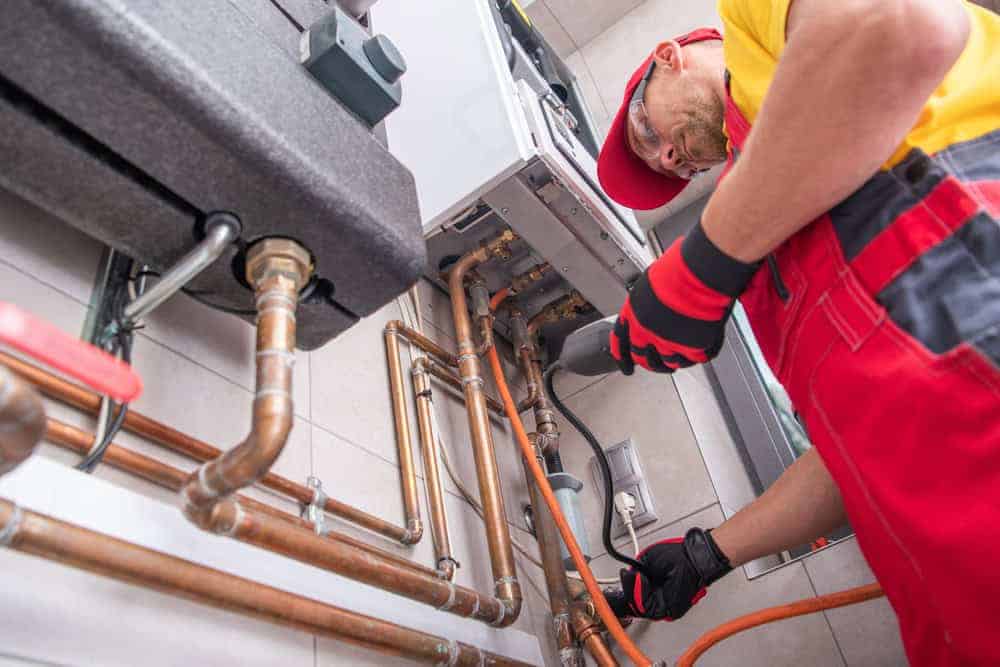
Water heater work almost always requires a plumbing permit in Monmouth County, whether you’re replacing an existing unit or installing a new one. This surprises many homeowners who view it as a straightforward swap, but the permit requirement exists for good reason.
Water heaters are pressure vessels. Incorrect installation can lead to explosions if temperature and pressure relief valves aren’t properly installed. Gas water heaters need correct venting to prevent carbon monoxide buildup in your home—a silent killer that you can’t see or smell until it’s too late. Electric units require proper wiring that matches the heater’s electrical load, or you risk electrical fires.
The plumbing permit covers more than just the water heater itself. Inspectors check that gas lines are properly sized and leak-free, venting systems meet plumbing code requirements for your specific installation, electrical connections can handle the load safely, the unit is properly secured according to local requirements, and drain pans with proper discharge are installed where required. Even if you’re installing the exact same model in the exact same location, you still need that permit.
Licensed contractors handle water heater permits as part of their service. We know which forms to file with your local Monmouth County building department, what documentation inspectors need, and how to schedule inspections without delaying your hot water restoration. The alternative—installing without a permit—can void your homeowner’s insurance and create serious liability if something goes wrong.
Your water heater is one of the hardest-working appliances in your home. When it fails, you need it replaced fast. That’s why working with contractors who understand the permit application process matters. We pull permits quickly, complete installations that pass plumbing inspection the first time, and give you documentation that proves the work was done right—documentation that protects you when you eventually sell your home.
Kitchen and bathroom remodels trigger plumbing permits the moment you start moving fixtures or altering your plumbing layout in Monmouth County, NJ. It doesn’t matter if you’re just shifting that sink a few feet or completely gutting the space—changes to your plumbing system require permits.
The permit requirement makes sense when you understand what’s actually involved. Moving a sink affects drain slope requirements, vent stack configurations, trap arm distances, and water supply line sizing. What looks simple on your Pinterest board can create code violations that remain hidden behind your new tile and drywall until they cause problems years later. Those problems surface during your home sale when buyers’ inspectors find issues, or worse—when pipes fail and cause water damage.
Bathroom additions or modifications that add fixtures need plumbing permits because they impact your home’s entire plumbing system. Adding a second bathroom means your existing drain lines, vent stacks, and water supply need capacity for the additional load. Your sewer line needs adequate slope and size to handle the increased waste. Your water pressure needs to remain adequate throughout the house when multiple fixtures run simultaneously. These aren’t details you want discovered during a failed inspection when you’re trying to sell.
Kitchen remodels involving plumbing changes require permits even when you’re keeping fixtures in roughly the same locations. Replacing old galvanized pipes with modern materials, upgrading to a larger sink, adding a pot filler, or installing a second dishwasher—all of these alterations need permits and inspections. The permit process ensures your new kitchen’s plumbing actually works correctly and meets current plumbing code requirements.
Monmouth County’s older housing stock adds another layer of complexity to remodeling projects. Many homes built in the 1960s through 1980s have plumbing systems that were code-compliant when installed but don’t meet current standards. When you remodel, you’re often required to bring related systems up to current code—not just the new work. That old galvanized pipe feeding your kitchen? It might need replacement when you remodel. That undersized drain line? It needs to be brought up to current sizing requirements.
A licensed plumber familiar with local Monmouth County requirements can tell you what upgrades you’ll need before you commit to your remodel budget. We understand which grandfather clauses apply to existing work and which systems need updating when you make changes. This knowledge prevents the sticker shock of discovering mid-project that your simple remodel just got a lot more complicated.
The plumbing inspection process for kitchen and bathroom remodels typically happens in stages. Rough-in inspections occur after new plumbing is installed but before walls are closed. Inspectors verify pipe sizing, slopes, venting, and proper connections while they can still see everything. Final inspections happen after fixtures are in place and the system is operational. Trying to hide unpermitted plumbing work behind finished walls is a gamble that rarely pays off—inspectors know what to look for, and buyers’ inspectors will find issues during pre-sale inspections.
The permit application process in Monmouth County follows New Jersey’s Uniform Construction Code requirements. You’ll need to complete a Construction Permit Application (Form F-100) and a Plumbing Subcode Technical Section (Form F-130), along with detailed information about your project.
Licensed plumbers must sign and seal the F-130 form unless you’re a homeowner performing work on your own single-family, owner-occupied residence. Even if you qualify for the homeowner exemption, you still need the permit—you just don’t need a licensed plumber to do the work. But here’s what most homeowners don’t realize: pulling your own permit means you’re responsible for knowing and meeting every code requirement, scheduling inspections at the right times, and fixing any issues inspectors find.
Applications go to your local municipal construction office. Monmouth County has dozens of municipalities, each with its own construction department, so you’ll submit to the specific town where the work is happening—whether that’s Freehold, Red Bank, Middletown, or any other Monmouth County community. The local construction official has 20 business days to approve or deny your application. If corrections are needed, you’ll receive comments and can resubmit, with revised plans typically reviewed within seven business days.
Your plumbing permit application needs specific information about your project. The F-130 form requires a detailed scope of work including fixture counts, pipe materials and sizes, venting details, water and sewer service information, and gas piping specifications if applicable. You’ll also need to provide an accurate estimated cost of the work—and New Jersey takes that cost estimate seriously.
If your numbers aren’t realistic, your application will be denied. The state uses these figures to calculate permit fees, which are based on the number of fixtures and system components you’re installing or modifying. Trying to lowball the estimate to save on permit fees just delays your project when the application gets kicked back for revision. Be honest about your project scope and costs from the start.
You’ll need to include contractor information if you’re hiring a licensed plumber—their name, license number, and contact details. For homeowner-performed work, you’ll sign as the exempt applicant and provide your information. Either way, the person pulling the permit is responsible for ensuring the work meets code and passes inspection. That responsibility doesn’t disappear just because the inspector approved your rough-in.
Some projects require additional documentation beyond the standard forms. Complex remodels might need plumbing diagrams showing the layout of new and existing systems—where pipes run, how they’re sized, where they connect. Work affecting your sewer connection could require coordination with your local sewer authority or the Monmouth County health department if you’re on septic. Gas line work needs specific details about pipe sizing, materials, and appliance connections. Your licensed plumber knows what documentation your specific project requires and which agencies need to be involved.
The application also needs to address how the work will be done. Will you be tying into existing water and sewer services, or installing new connections? Are you working within the existing footprint of your home, or adding square footage that affects setbacks and coverage? Are there any special conditions like flood zones or environmental restrictions? These details affect what the inspector will look for and what additional approvals you might need from zoning or planning departments before your plumbing permit can be issued.
Permit fees in Monmouth County vary by municipality but follow a similar structure—a base fee plus per-fixture charges. You might pay $85 or more as a minimum permit fee, with additional costs for each toilet, sink, shower, water heater, and other fixture or device. Plan review fees typically add another 25% of the permit cost. Special devices like grease traps, backflow preventers, or sewer pumps may have additional charges. The total rarely breaks the bank, but it’s a cost to factor into your project budget from the start.
Most municipalities accept permit applications in person at the construction office. Some have moved to online submission systems, but Monmouth County jurisdictions often still require in-person visits for plumbing permits. Check with your specific municipality about their submission requirements, office hours, and whether you need appointments. Having all your documentation complete and accurate the first time saves you multiple trips to the building department.
Once your plumbing permit is approved and work begins, you’ll need to schedule plumbing inspections at specific stages of the project. The inspection process exists to verify that your plumbing work actually meets the plumbing code requirements that govern safe, functional systems. These aren’t rubber-stamp approvals—inspectors are looking for specific compliance issues that could cause problems.
For most projects, you’ll have at least two inspections. The rough-in inspection happens after plumbing pipes are installed but before walls are closed up. This is when inspectors verify that pipes are properly sized for the fixtures they serve, slopes are correct for drainage so waste actually flows away, vents are adequate to prevent sewer gas backup, and everything is installed according to the approved plans. Once this inspection passes, you can close up walls and move forward with finishing work.
The final plumbing inspection occurs after fixtures are installed and the system is complete. Inspectors check that fixtures are properly connected and secured, water pressure is adequate throughout the system, drains work correctly and don’t leak, gas connections are leak-free if applicable, and everything functions as intended. They’ll also verify that required components like backflow preventers, shut-off valves, and access panels are in place and accessible for future maintenance.
What are inspectors actually looking for during a plumbing inspection? They’re checking pipe materials to ensure you’re using approved materials for each application—no PVC where it’s not allowed, no incompatible materials joined together. They verify proper venting so sewer gases don’t back up into your home and create health hazards. They confirm adequate drainage slopes—typically 1/4 inch per foot for most drains—so waste flows properly without standing water that breeds bacteria.
They look for proper support and securing of pipes to prevent sagging, movement, and eventual failures. They check that gas connections are leak-free and properly sized for the appliances they serve. They verify that water supply lines are protected from freezing in unheated spaces—a real concern in Monmouth County’s winters. They ensure that required cleanouts are installed and accessible so future clogs can be cleared without tearing apart walls.
Monmouth County’s specific conditions mean inspectors also watch for issues common in the area. With clay soil that shifts and settles, they pay attention to how underground piping is supported and protected from ground movement. With the region’s mature trees—especially the oaks and maples that dominate older neighborhoods—they look for adequate protection against root infiltration in sewer lines. With coastal humidity and temperature swings from shore communities, they verify that pipes in unheated spaces are properly insulated against freezing.
Failed plumbing inspections aren’t the end of the world, but they do delay your project and add costs. The inspector will note specific deficiencies that need correction—undersized vents, improper slopes, missing cleanouts, whatever doesn’t meet code. You fix those issues, call for a re-inspection, and the inspector comes back to verify the corrections. Each re-inspection adds time to your project timeline and may involve additional fees. That’s another reason to work with experienced contractors who get it right the first time.
The inspection record becomes part of your home’s permanent documentation at the municipal building department. When you sell, buyers’ inspectors and appraisers can verify that major plumbing work was properly permitted and inspected. That documentation protects your property value and gives buyers confidence that your home’s systems were installed correctly. It also protects you from liability if future owners discover problems—you have proof that the work was done to code and passed inspection.
Plumbing permits aren’t optional paperwork—they’re legal requirements that protect your home’s value, your family’s safety, and your financial interests in Monmouth County, NJ. The consequences of skipping permits can cost you thousands in fines up to $2,000 per violation, failed home inspections that derail sales, insurance claim denials when damage occurs, and mandatory corrections that are far more expensive than doing it right the first time.
Working with licensed professionals who understand Monmouth County’s plumbing code requirements and permit application process takes the confusion out of the equation. We handle the applications, schedule the inspections, and ensure your plumbing work meets all code standards. You get the peace of mind that comes from knowing your project was done right, properly documented, and won’t come back to haunt you during your next home sale.
When you’re ready to tackle that plumbing project, AME Plumbing Heating and Cooling handles every aspect of the permit process for Monmouth County homeowners. Our licensed professionals know local requirements, maintain relationships with municipal inspectors, and complete work that passes plumbing inspection the first time—protecting your investment and your peace of mind.
Article details:
Share:
Continue learning: