Replacing your boiler in Monmouth County? Understand the real costs, financing options, and when replacement beats repair in this complete 2026 pricing guide.
Share:

Summary:
Your boiler’s giving you trouble again. Maybe it’s the third repair this year, or your energy bills keep climbing despite nothing else changing. You’re wondering if it’s finally time to replace the whole system, but the cost has you hesitating. That’s completely normal. Boiler replacement is a major investment, and you deserve to know exactly what you’re getting into before making that call. This guide walks you through real Monmouth County pricing, the factors that affect your specific cost, financing options that make the investment manageable, and when replacement actually saves you money compared to another repair. Let’s start with what drives the numbers.
Boiler replacement in Monmouth County typically runs between $3,500 and $12,000 installed, with most homeowners landing somewhere in the $5,500 to $8,000 range. That’s not a small number, but it’s also not just one line item. Understanding what makes up that total helps you see where your money actually goes and where you might have some control over costs.
The equipment itself accounts for roughly 40-60% of your total project cost. A standard efficiency gas boiler unit runs $1,400 to $5,600, while high-efficiency condensing models cost $4,000 to $7,000 for the equipment alone. Labor makes up another 30-50% of the total, typically $1,200 to $3,200 depending on installation complexity. Then you’ve got permits ($50-$300 in most NJ municipalities), removal and disposal of your old unit ($200-$500), and potentially additional components like new piping, venting modifications, or electrical upgrades.
The wide range isn’t meant to confuse you. It reflects real differences in what homeowners need. A straightforward swap of a gas boiler in the same location with similar specs sits at the lower end. Converting from oil to gas, relocating the unit, or upgrading to a significantly more efficient system pushes costs higher because of the additional work involved.
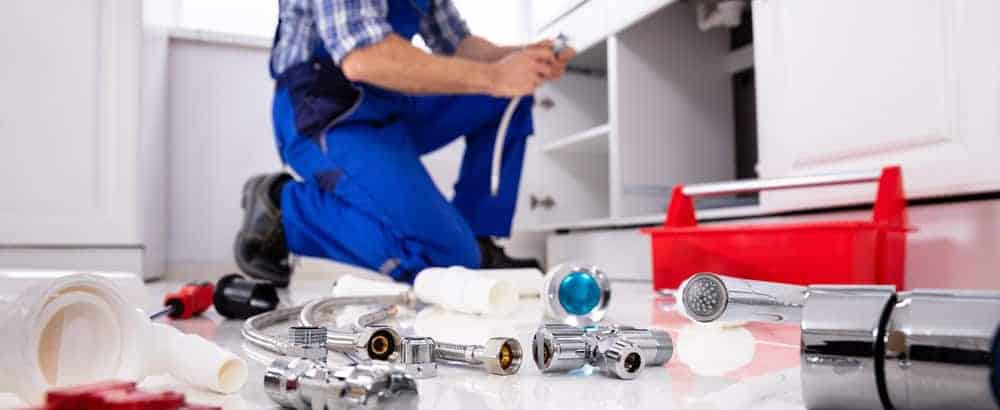
Labor costs for boiler installation in Monmouth County typically run $1,200 to $3,200, though complex jobs can exceed that range. HVAC contractors and licensed plumbers charge $45 to $150 per hour, and most installations take 6-12 hours of professional time depending on the scope. That might seem like a lot for a day’s work, but you’re paying for expertise that keeps your family safe and your system running efficiently for the next 15-20 years.
Installation complexity drives the labor cost more than anything else. A simple replacement where a technician removes your old gas boiler and installs a new one in the same spot with existing gas lines and venting represents the straightforward scenario. You’re looking at 6-8 hours of work, minimal additional materials, and costs on the lower end of the spectrum. But if you’re switching fuel types from oil to gas, that requires running new gas lines, modifying venting systems, potentially removing an old oil tank, and ensuring everything meets current NJ building codes. That’s 12+ hours of skilled labor plus materials, and it pushes your total investment higher.
Permits are another line item that catches some homeowners off guard. Most New Jersey municipalities require permits for boiler replacement to ensure the work meets safety and building codes. Permit fees typically run $50 to $300 depending on your location and whether you’re doing a straightforward replacement or more extensive modifications. We handle pulling the permits as part of our service, but it’s worth confirming upfront so you’re not surprised by the additional cost.
Disposal and removal of your old boiler adds $200 to $500 to your project total. These units are heavy, often weighing 200+ pounds, and they can’t just go to the curb with your regular trash. Proper disposal requires specialized equipment and compliance with environmental regulations, especially if you’re removing an old oil boiler. We include removal in our quoted price so you know exactly what you’re paying upfront.
Additional components and system modifications can add $450 to $3,000 or more depending on what your installation requires. New piping connections run $450 to $1,800. If you’re upgrading to a high-efficiency condensing boiler, you might need new PVC venting instead of the traditional metal flue, which adds to material and labor costs. Older radiators (15+ years) might need replacement at $250 to $500 each. Electrical upgrades for certain boiler types can run $1,400 to $2,800. These aren’t always necessary, but a thorough assessment before we start helps avoid mid-project surprises.
The key is getting detailed, itemized quotes from licensed contractors so you can see exactly what you’re paying for. A quote that just says “$7,500 installed” doesn’t give you enough information. You want to see equipment cost, labor hours and rate, permits, disposal, and any additional materials or modifications broken out separately. That transparency helps you compare apples to apples when you’re evaluating multiple contractors.
Your home’s specific situation determines where you fall in the cost range. Understanding these factors helps you have realistic expectations and make informed choices about where to invest and where you might be able to save.
Home size and heating capacity requirements come first. A 1,500 square foot ranch needs a different boiler than a 3,000 square foot two-story colonial. Boilers are sized in BTUs (British Thermal Units), and Monmouth County’s cold winters mean you need adequate capacity to keep your home comfortable even on the coldest days. A typical 2,000 square foot home needs a boiler rated for 60,000 to 100,000 BTUs. Undersizing leaves you cold when you need heat most. Oversizing wastes money upfront and reduces efficiency because the system cycles on and off more frequently. We use Manual J load calculations to determine the right size for your specific home, accounting for square footage, insulation quality, number of windows, and other factors that affect heat loss.
Boiler type and fuel source significantly impact both upfront cost and long-term operating expenses. Gas boilers are the most common in our area and typically cost $4,000 to $9,000 installed. They’re efficient, reliable, and natural gas is widely available in Monmouth County. Oil boilers run $4,500 to $9,000 for standard efficiency models and up to $9,000+ for high-efficiency versions. Oil burns hotter than gas, which some homeowners prefer, but it requires more maintenance and fuel costs can be higher. Electric boilers cost less upfront ($1,800 to $8,000) but electricity is more expensive than gas or oil to operate, so your monthly costs will be higher. Combi boilers that provide both heat and on-demand hot water cost $6,000 to $10,000 but eliminate the need for a separate water heater.
Efficiency rating is where you make a critical decision that affects costs for years to come. Standard efficiency boilers (80-89% AFUE) cost $2,200 to $7,000 installed. High-efficiency models (90-97% AFUE) run $4,000 to $10,000 installed. That’s a significant upfront difference, but high-efficiency boilers save 10-20% on energy bills. Over a 15-20 year lifespan, those savings add up and often offset the higher initial investment. High-efficiency condensing boilers capture heat from exhaust gases that standard models waste, reducing gas usage by up to 20%. If you’re planning to stay in your home long-term, the math usually favors efficiency.
Installation complexity and existing infrastructure determine how straightforward or involved your project becomes. Replacing an old gas boiler with a new gas boiler in the same location using existing gas lines and venting represents the simplest scenario. Switching from oil to gas requires running new gas lines ($120 to $1,350 or more), potentially removing an old oil tank ($400 to $3,400), and modifying venting systems. Moving your boiler to a different location involves new piping runs, venting modifications, and potentially electrical work. Upgrading from a non-condensing to a condensing boiler might require new PVC venting and a condensate drain. Each of these modifications adds labor hours and materials to your total cost.
Brand and model selection give you some control over where you land in the price range. Premium brands with advanced features, longer warranties, and better build quality cost more upfront but often deliver better long-term reliability. Mid-range brands offer solid performance at more accessible price points. The cheapest option isn’t always the best value if it means more frequent repairs or shorter lifespan. We can help you understand the trade-offs and find the right balance for your budget and expectations.
Most homeowners don’t have $5,000 to $12,000 sitting in their checking account waiting for a boiler replacement. That’s why financing options exist, and understanding them helps you move forward with the comfort and efficiency your home needs without derailing your budget.
Zero percent financing through HVAC contractors is one of the most attractive options when it’s available. We partner with lenders to offer promotional financing with 0% APR for 12 to 60 months on approved credit. This means you can spread the cost over several years without paying interest, as long as you make your monthly payments and pay off the balance before the promotional period ends. A $7,500 boiler replacement financed at 0% for 60 months breaks down to $125 per month, which fits into most household budgets more comfortably than a lump sum payment.
Personal loans from banks, credit unions, or online lenders give you another path forward. These typically come with fixed interest rates and repayment terms of 2 to 7 years. Interest rates vary widely based on your credit score, income, and the lender, ranging anywhere from 5% to 36%. The advantage is that you own the loan independently of your contractor, you can shop around for the best rate, and you have flexibility in how you use the funds. The downside is that you’ll pay interest on top of the principal, so your total cost exceeds the sticker price of the boiler itself.
New Jersey utility company programs offer some of the best financing deals available to Monmouth County homeowners. Programs like NJNG SaveGreen provide 0% APR financing up to $25,000 through their On-Bill Repayment Program for eligible customers. The payments appear on your monthly gas bill, making it convenient to manage. You must be replacing a non-condensing boiler with a high-efficiency condensing model to qualify, and income-qualified customers can access even better terms with extended repayment periods.
Rebates and incentives can knock hundreds or even thousands of dollars off your boiler replacement cost, but you need to know what’s available and how to access it. These programs change periodically, so it’s worth checking current offerings when you’re ready to move forward.
New Jersey Natural Gas (NJNG) SaveGreen rebates are available to Monmouth County homeowners who are NJNG customers. You can receive up to $1,750 in rebates for installing a high-efficiency combination boiler with an AFUE rating of 97% or higher. Standard high-efficiency boilers with 95-96% AFUE ratings qualify for lower rebate amounts, typically $900 to $1,200. The key requirement is that you must be replacing an existing non-condensing boiler with a new condensing model. You can’t get rebates for replacing one condensing boiler with another, and new construction doesn’t qualify.
The application process requires submitting proof of purchase, installation permits, and photos of your old boiler before replacement within 120 days of installation. We can often handle this paperwork as part of our service, which saves you time and ensures everything is submitted correctly. The program runs through June 30, 2027, but funding is limited and allocated on a first-come, first-served basis, so don’t wait until the last minute.
Income-qualified homeowners can access enhanced rebates through the same programs. If you meet income eligibility requirements based on U.S. Census Tract data, you can receive an additional $300 rebate per qualifying piece of equipment and extended financing terms through the On-Bill Repayment Program. This makes high-efficiency boilers more accessible to families who might otherwise struggle with the upfront cost.
Other utility companies serving parts of Monmouth County may have their own rebate programs. Jersey Central Power & Light (JCP&L), Atlantic City Electric, and others offer incentives for energy-efficient HVAC upgrades. Check with your specific utility provider to see what’s available in your service area. Some programs stack, meaning you can combine multiple incentives, while others have restrictions, so read the fine print carefully.
Federal tax credits for residential boilers ended after 2025, but it’s still worth staying informed about potential future programs. Energy policy changes periodically, and new incentives could become available. We stay current on all available rebates and can help you maximize your savings.
Choosing the right financing option depends on your specific financial situation, credit profile, and how long you plan to stay in your home. There’s no single best answer for everyone, but understanding the trade-offs helps you make the right call.
Zero percent promotional financing makes the most sense when you can comfortably afford the monthly payments and pay off the balance before the promotional period ends. The key risk is that if you don’t pay it off in time, deferred interest kicks in, and you’ll owe interest on the entire original balance, not just what remains. That can be expensive. Do the math before you commit. If a $7,500 boiler financed at 0% for 60 months means $125 monthly payments, ask yourself honestly if that fits your budget with room to spare. If unexpected expenses come up and you miss payments or can’t pay it off in time, you could end up paying significantly more than the original cost.
Personal loans with fixed interest rates give you more predictability and less risk of surprise charges. You know exactly what your monthly payment will be and when the loan will be paid off. The trade-off is that you’re paying interest from day one, so your total cost is higher than the boiler’s sticker price. For example, a $7,500 loan at 8% APR for 5 years means monthly payments of about $152 and total interest of roughly $1,620 over the life of the loan. That’s real money, but it’s also predictable and manageable if it fits your budget.
Utility company financing programs often provide the best of both worlds when you qualify. Programs like NJNG’s 0% APR On-Bill Repayment Program give you interest-free financing without the risk of deferred interest charges. The payments appear on your monthly gas bill, making them easy to track and manage. Maximum financing amounts go up to $25,000, which covers even the most expensive boiler replacements. The main requirement is that you must be installing qualifying energy-efficient equipment and replacing older, less efficient systems.
Down payments can reduce your monthly financing burden if you have some cash available but not enough to cover the full cost. Putting $2,000 down on a $7,500 boiler means you’re only financing $5,500, which lowers your monthly payment and reduces the total interest you’ll pay over time. If you’re expecting a tax refund, year-end bonus, or have some emergency savings you can tap into, a down payment might make sense. Just make sure you’re not completely draining your emergency fund, because unexpected expenses don’t stop just because you financed a boiler.
The bottom line is that financing makes boiler replacement accessible when you need it, even if you don’t have thousands of dollars sitting in the bank. The key is choosing an option you can actually afford, reading all the terms carefully, and understanding exactly what you’re committing to before you sign. We’ll walk you through the options without pressure and help you find a solution that works for your situation.
Boiler replacement is one of the bigger investments you’ll make in your home, but it doesn’t have to be overwhelming when you understand the real costs and your options. Most Monmouth County homeowners invest $3,500 to $12,000 depending on equipment type, efficiency, and installation complexity. That’s a wide range, but now you know what drives those numbers and where you have some control.
The decision between repair and replacement comes down to your boiler’s age, how often it’s breaking down, and whether the repair cost makes sense compared to replacement. If your boiler is 15+ years old and the repair estimate is approaching 40-50% of what a new system costs, replacement is usually the smarter long-term choice. High-efficiency boilers save 10-20% on energy bills, and those savings add up over a 15-20 year lifespan. Financing options, including 0% APR programs and utility company rebates up to $1,750, make the investment manageable even when you don’t have the full amount sitting in your bank account.
When you’re ready to move forward, we provide upfront pricing with no hidden fees, licensed and insured professionals, and 24/7 emergency service throughout Monmouth and Ocean County. We’ll walk you through your options, help you access available rebates and financing, and ensure your new boiler is sized and installed correctly the first time.
Article details:
Share:
Continue learning: