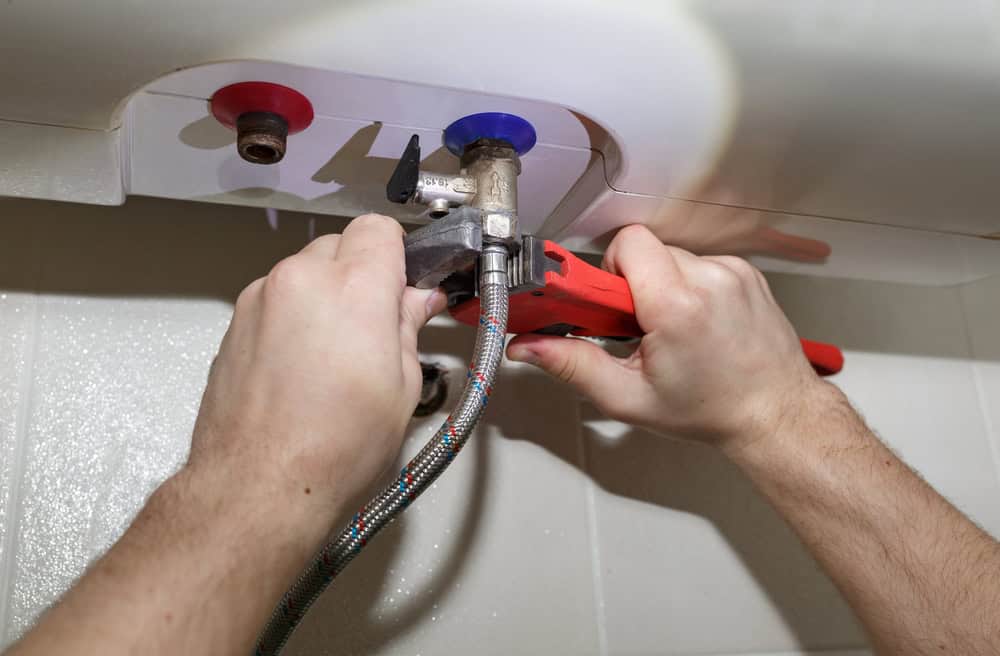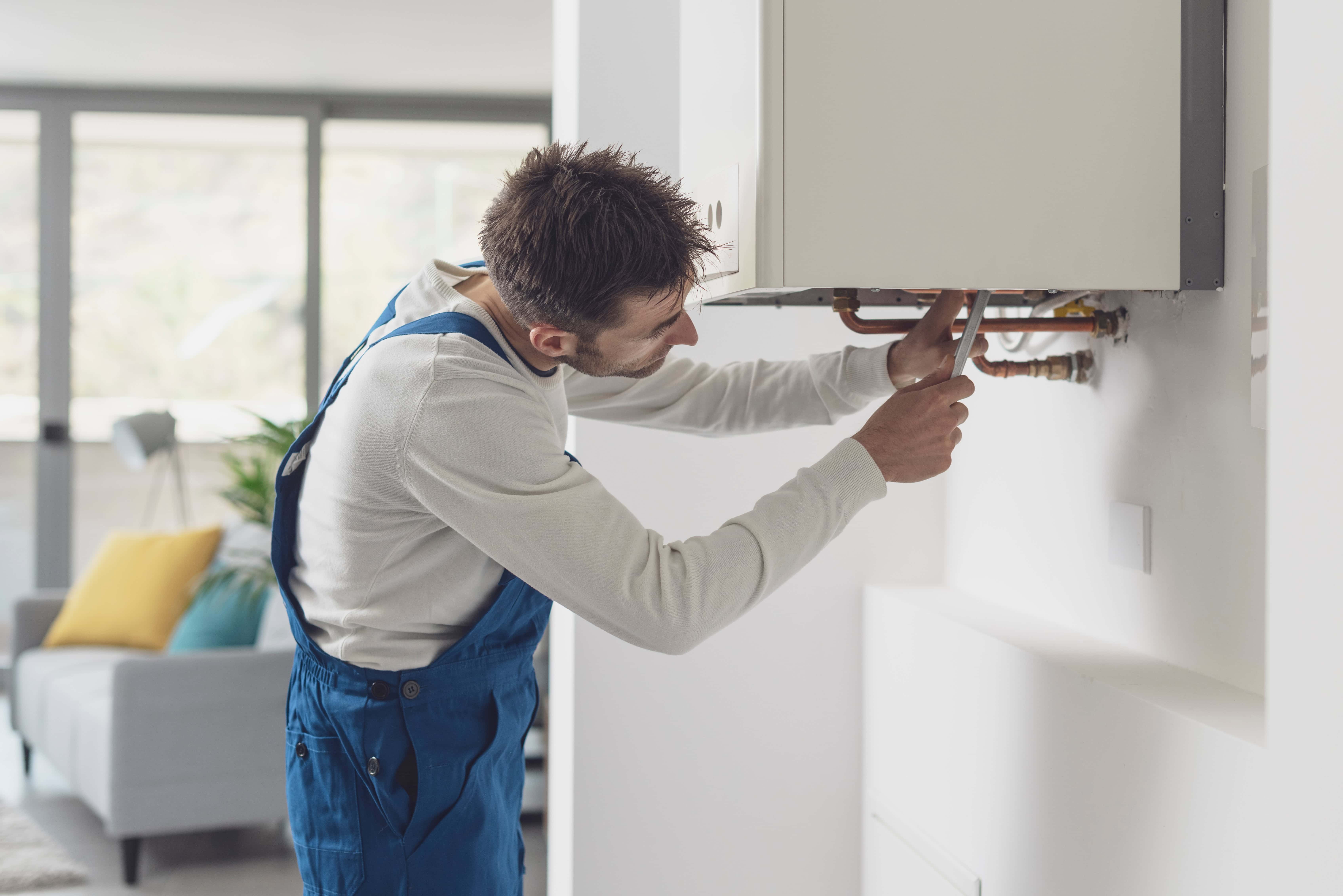
When your hot water tap stops working but cold water flows normally, the problem usually points to your water heater, a frozen pipe, or a failed faucet cartridge.
Share:

Summary:
You turn the faucet handle expecting hot water, but only cold comes out. Or worse—nothing at all. It’s one of those problems that stops your day cold. No morning shower. No washing dishes properly. No laundry in warm water. When your hot water tap isn’t working but cold water flows just fine, you’re dealing with an isolated issue that’s usually easier to fix than you think. The key is knowing where to look first and understanding when a quick fix will work versus when you need professional help. Let’s walk through what’s actually happening in your plumbing and how to get your hot water flowing again.
When cold water works but hot doesn’t, you’re looking at a problem somewhere between your water heater and the faucet in question. The good news is that narrows things down considerably.
Start by checking other faucets in your home. If every tap in the house has the same problem, your water heater is the likely culprit. If it’s just one fixture, you’re dealing with something specific to that faucet or the line feeding it.
The most frequent offenders include a water heater that’s not heating properly, a failed component inside your faucet, frozen pipes during winter months, or a shutoff valve that’s partially closed. Each of these has distinct symptoms and solutions.

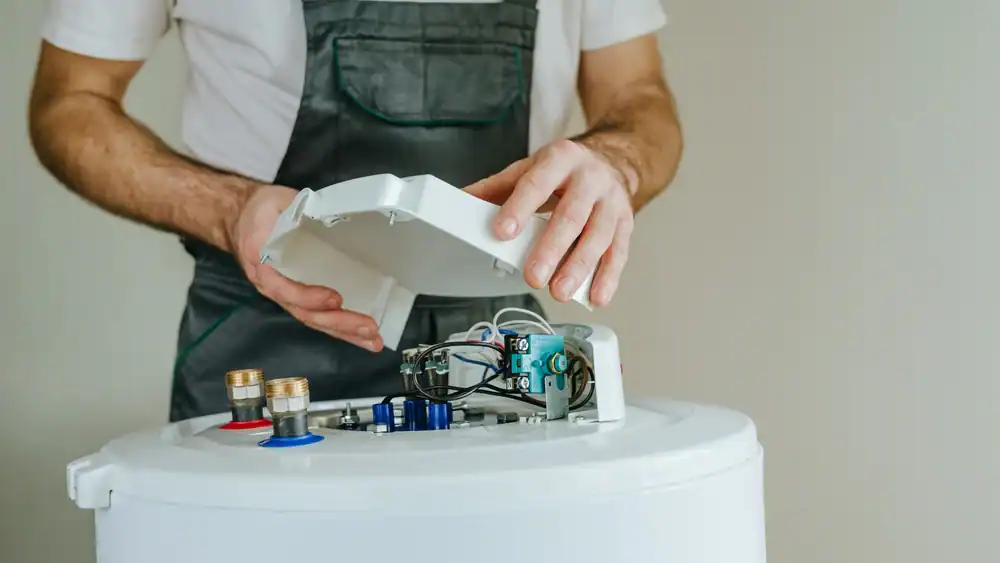
Your water heater works hard every day, and when it fails, the whole house feels it. If you have no hot water coming out of any faucet, your water heater is almost certainly the problem.
For electric water heaters, check your circuit breaker first. A tripped breaker cuts power to the unit completely. Head to your electrical panel and look for a breaker in the off position or sitting between on and off. Reset it by flipping it fully off, then back on. If it trips again immediately, you’ve got an electrical issue that needs professional attention.
Electric heaters also rely on heating elements that can burn out over time. When an element fails, you might get lukewarm water or none at all. Testing and replacing elements requires shutting off power and draining the tank—work best left to a licensed plumber unless you’re experienced with electrical repairs.
Gas water heaters have their own set of issues. The pilot light might be out, which means no flame to heat the water. Check the small window on your water heater. If you don’t see a flame, you’ll need to relight it following your manufacturer’s instructions. If the pilot won’t stay lit, the thermocouple might be dirty or broken, or you could have a gas supply problem.
Thermostat malfunctions affect both gas and electric units. If your thermostat is set too low or has failed completely, water won’t heat to the temperature you need. Most water heaters should be set around 120°F for safety and efficiency. Check your settings first before assuming the worst.
Sediment buildup is another silent killer of hot water performance. Minerals from your water supply settle at the bottom of the tank over time, creating a barrier between the heating element and the water. This makes your heater work harder and less efficiently. You might notice rumbling or popping sounds as the heater struggles to heat water through the sediment layer. Flushing your tank annually helps prevent this buildup and extends your heater’s life.
If hot water works everywhere else in your home but not at one specific sink or shower, the problem is almost always inside that fixture itself. Most modern faucets use a cartridge that controls both water flow and temperature mixing.
Over time, these cartridges wear out. Mineral deposits from hard water accumulate inside, corrosion eats away at the components, and the internal seals break down. When a cartridge fails, it might block hot water completely while still allowing cold water through. This is especially common in guest bathrooms or fixtures that don’t get used regularly.
Replacing a faucet cartridge isn’t complicated, but it does require taking the faucet apart. You’ll need to shut off the water supply, remove the handle and any decorative covers, pull out the retainer clip, and extract the old cartridge. The hardest part is usually getting the old cartridge out if it’s been in place for years. A cartridge puller tool makes this job much easier.
Make sure you bring the old cartridge with you to the hardware store. Cartridges vary by manufacturer and model, and you need an exact match for your faucet. Installing the wrong one means you’ll be taking everything apart again.
Aerators can also cause problems that look like hot water failures. These small screens at the end of your faucet catch debris and control water flow. When they clog with mineral deposits, water pressure drops or stops entirely. Unscrew the aerator, clean it with vinegar, and reinstall it. If that doesn’t solve the problem, the issue is deeper in your plumbing.
Airlocks occasionally trap air in your hot water lines, preventing water from flowing properly. This happens more often after plumbing work or when the water supply has been shut off and restored. Running the faucet for several minutes can sometimes clear the airlock, but persistent problems need professional diagnosis.
Before you call a plumber, there are several things you can safely check yourself. These troubleshooting steps help you identify simple fixes and determine whether you’re dealing with a DIY repair or something that needs professional expertise.
Start with the obvious. Check that your water heater is actually on and receiving power or gas. Look for a tripped breaker, make sure the pilot light is burning, and verify that the thermostat is set to an appropriate temperature. These basic checks solve more problems than you’d think.
Next, test multiple fixtures throughout your home. This tells you whether you’re dealing with a whole-house issue or a problem isolated to one location. The pattern of failure points you toward the right solution.
If you’re reading this during a Monmouth County winter, frozen pipes might be your problem. New Jersey winters bring temperatures that regularly dip into the 20s, and cold snaps can push into the single digits. Those conditions put your plumbing at serious risk.
Hot water pipes are actually more vulnerable to freezing than cold water lines in some situations. They often run through exterior walls or uninsulated spaces where cold air reaches them. When water inside a pipe freezes, it expands, creating pressure that can crack or burst the pipe.
You’ll know you have a frozen pipe if you turn on the faucet and get a trickle or nothing at all, especially after a night of below-freezing temperatures. The cold water might still work because those lines run through different parts of your home with better insulation.
Never use an open flame to thaw frozen pipes. The risk of fire and damage to your plumbing far outweighs any time savings. Instead, open the affected faucet to relieve pressure, then apply gentle heat using a hair dryer, heating pad, or space heater directed at the frozen section. Work slowly from the faucet back toward the frozen area.
If you can’t locate the frozen section or it’s inside a wall, call us immediately. Attempting to thaw pipes you can’t see or access safely can lead to burst pipes and serious water damage. We have specialized equipment to safely thaw pipes without causing harm.
Prevention matters more than treatment when it comes to frozen pipes. Keep your home heated to at least 55°F even when you’re away. Open cabinet doors under sinks to let warm air circulate around pipes. Let faucets drip slightly during extreme cold—moving water is much harder to freeze. And consider having vulnerable pipes insulated before winter arrives.
Sometimes the problem flips. You have hot water but no cold, which can actually be more dangerous than the reverse. Scalding water with no way to cool it down creates a real safety hazard, especially for children or elderly family members.
When you have no cold water in your shower specifically but other fixtures work fine, you’re almost certainly dealing with a failed pressure-balancing valve. This valve sits inside your shower faucet and regulates both water pressure and the ratio of hot to cold water flowing from the showerhead.
These valves wear out over time, especially in showers that aren’t used frequently. Corrosion and mineral buildup eat away at the internal components. When the valve fails, it might block cold water entirely while still allowing hot water through.
Replacing a pressure-balancing valve requires disassembling your shower faucet. You’ll shut off the water supply, remove the handle and trim, pull out the retainer clip, and extract the old valve cartridge. Like sink faucets, the hardest part is often removing the old cartridge if it’s been in place for years.
If no cold water is coming out anywhere in your home, check your main water shutoff valve first. Someone might have accidentally turned it off or left it partially closed. This happens more often than you’d think, especially after plumbing work or maintenance.
Kinked supply lines can also restrict water flow. Check the flexible lines under sinks and behind toilets. If one is bent or twisted, straightening it might restore your water flow immediately.
In rare cases, you might have crossed hot and cold connections somewhere in your plumbing. This usually happens after DIY repairs or renovations. We can test for crossed connections and correct them.
Most hot water problems fall into one of a few categories: water heater issues, failed faucet components, frozen pipes, or closed valves. The troubleshooting steps in this guide help you identify which one you’re dealing with and whether it’s something you can fix yourself.
Simple fixes like resetting a breaker, adjusting a thermostat, or cleaning an aerator take minutes and cost nothing. But when you’re facing a failed heating element, a frozen pipe inside a wall, or a water heater that’s reached the end of its life, professional help saves you time, money, and potential damage to your home.
At AME Plumbing Heating and Cooling, we serve Monmouth County with 24/7 emergency plumbing services. Our licensed, insured technicians understand the specific challenges of New Jersey plumbing—from hard water issues to winter freeze risks. With upfront pricing, no hidden fees, and 0% financing available, you’ll know exactly what you’re paying before any work begins. When your hot water tap stops working and you need it fixed right, we’re ready to help.
Article details:
Share:
Continue learning: