Discover why your water heater stopped producing hot water and follow our step-by-step guide to diagnose common issues before deciding whether to fix it yourself or call a professional.
Share:
Summary:
You turn on the shower expecting warmth, and ice-cold water hits your skin instead. Or maybe you’re halfway through washing dishes when you realize the water never heated up. When your water heater stops working, it doesn’t just interrupt your routine—it brings daily life to a grinding halt.
Before you panic or assume you need an expensive replacement, there’s a systematic way to figure out what’s wrong. Most no-hot-water situations come down to a handful of common causes, and some you can check yourself in just a few minutes. Let’s start with the basics that apply to any water heater, then move into specific troubleshooting for your system type.
When you’re dealing with no hot water, your first move should be checking the simplest possibilities. Start with your power source—whether that’s electricity or gas—because without it, nothing else matters.
For electric water heaters, head to your circuit breaker panel. Look for the breaker labeled for your water heater and check if it’s tripped. A tripped breaker often sits in a middle position between on and off. Flip it all the way off, wait ten seconds, then flip it back on. If it trips again immediately, you’ve got an electrical issue that needs professional attention.
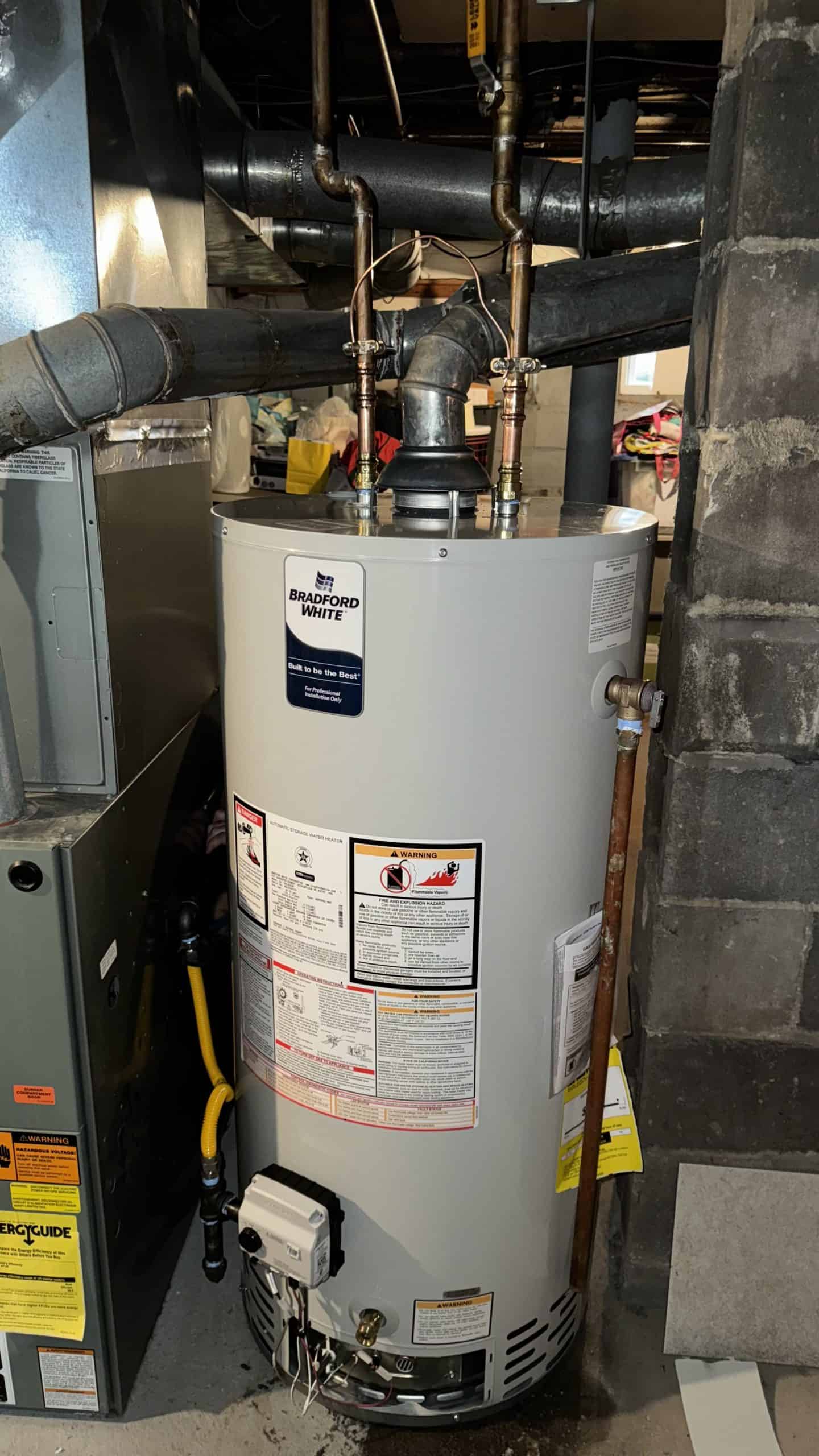
For gas water heaters, make sure your gas supply valve is fully open. The handle should run parallel to the gas line, not perpendicular. Also confirm your gas bill is paid and if you use propane, check that your tank isn’t empty. These sound obvious, but they’re surprisingly common oversights when you’re in crisis mode.
If you have a gas water heater and you’ve confirmed gas is flowing, your pilot light is the next suspect. This small flame is what ignites the burner that actually heats your water. When it goes out, your entire system shuts down.
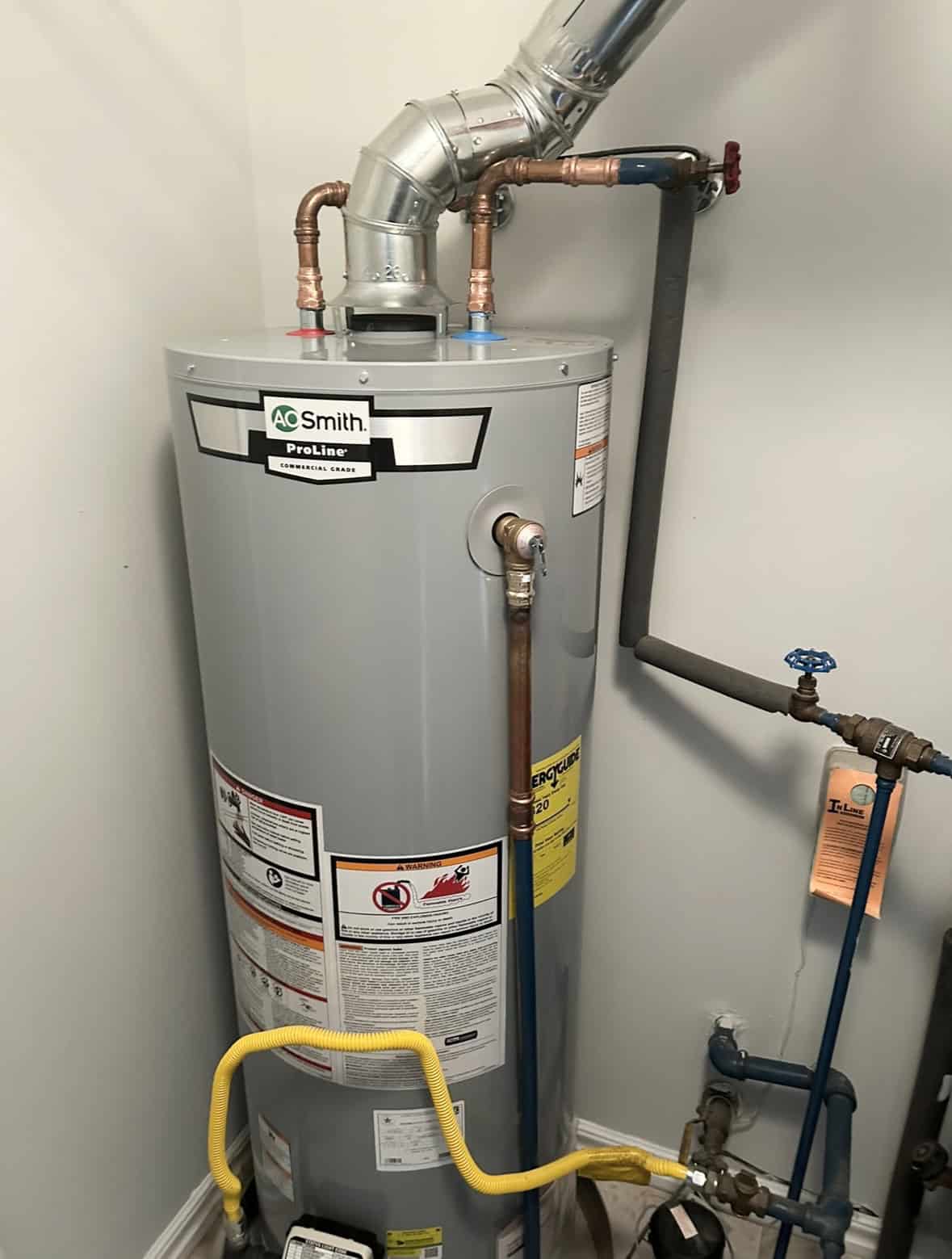
Locate the access panel at the bottom of your water heater—you might need to remove a small metal cover. Look through the viewing window for a small blue flame. If you don’t see one, your pilot light is out. Don’t worry, relighting it is usually straightforward.
Turn your gas control knob to the “off” position and wait at least five minutes. This lets any accumulated gas dissipate safely. Then turn the knob to “pilot,” press and hold it down, and press the igniter button. You should hear a clicking sound and see the pilot light ignite. Keep holding the knob down for about a minute—this heats up the thermocouple, which is a safety device that keeps the gas flowing. Release the knob and turn it to “on.” The pilot should stay lit.
If your pilot light won’t stay lit even after multiple attempts, you likely have a faulty thermocouple or a ventilation issue. A thermocouple that’s dirty or worn out won’t sense the pilot flame properly, causing the gas valve to shut off as a safety precaution. You might also have a draft blowing out the flame, or a clogged vent preventing proper airflow.
At this point, it’s smart to call a professional. Gas appliances require precise adjustments, and a technician can diagnose whether you need a new thermocouple, vent cleaning, or gas valve replacement. Trying to bypass safety features or jerry-rig a solution creates serious hazards including gas leaks and carbon monoxide buildup.
Electric water heaters rely on heating elements and thermostats to warm your water. When these components fail, you end up with cold or lukewarm water instead of the hot water you need.
Start by checking your thermostat setting. Most water heaters should be set between 120 and 140 degrees Fahrenheit, with 120 being the sweet spot for safety and efficiency. Sometimes thermostats get bumped accidentally, or they were turned down during summer months and never adjusted back up. If your thermostat is set correctly but you still don’t have hot water, the thermostat itself might be malfunctioning.
Electric water heaters typically have two heating elements—one at the top and one at the bottom of the tank. If the upper element fails, you’ll get little to no hot water. If the lower element fails, you might get a small amount of hot water that runs out quickly. Both elements working together ensure you have a full tank of hot water ready when you need it.
Testing heating elements requires turning off power to the water heater and using a multimeter to check for continuity. If you’re comfortable working with electrical components and have the right tools, you can test the elements yourself. Remove the access panel, pull back the insulation, and test each element. No continuity means the element is burned out and needs water heater replacement.
However, most homeowners aren’t comfortable working with 240-volt electrical systems, and that’s completely reasonable. Water heaters pull significant power, and working on them without proper knowledge can result in serious injury or even death. There’s also a high-temperature cutoff switch that might have tripped, which looks similar to a reset button and is usually red. You can try pressing this reset button, but if it keeps tripping, that indicates an underlying problem that needs professional diagnosis.
Sediment buildup can also cause heating elements to fail prematurely. Over time, minerals from your water settle at the bottom of the tank, coating the lower heating element. This insulation effect makes the element work harder and eventually burn out. Regular tank flushing—at least once a year—helps prevent this issue and extends the life of your water heater.
Tankless water heaters operate differently than traditional tank models, and they come with their own set of potential issues when hot water disappears. These on-demand systems heat water only when you need it, which makes them energy-efficient but also means they have specific requirements to function properly.
The most common issue with tankless systems is insufficient water flow. These units need a minimum flow rate—usually around 0.5 gallons per minute—to activate the heating elements. If your flow rate drops below this threshold, the unit simply won’t turn on. This can happen with low-flow faucets, partially closed valves, or clogged aerators on your fixtures.
Power supply issues affect tankless heaters just like traditional ones. Check your circuit breaker for electric models, and verify gas supply and pilot ignition for gas models. Many tankless units also have error codes displayed on a digital panel that can tell you exactly what’s wrong, so consult your owner’s manual if you see any codes or warning lights.
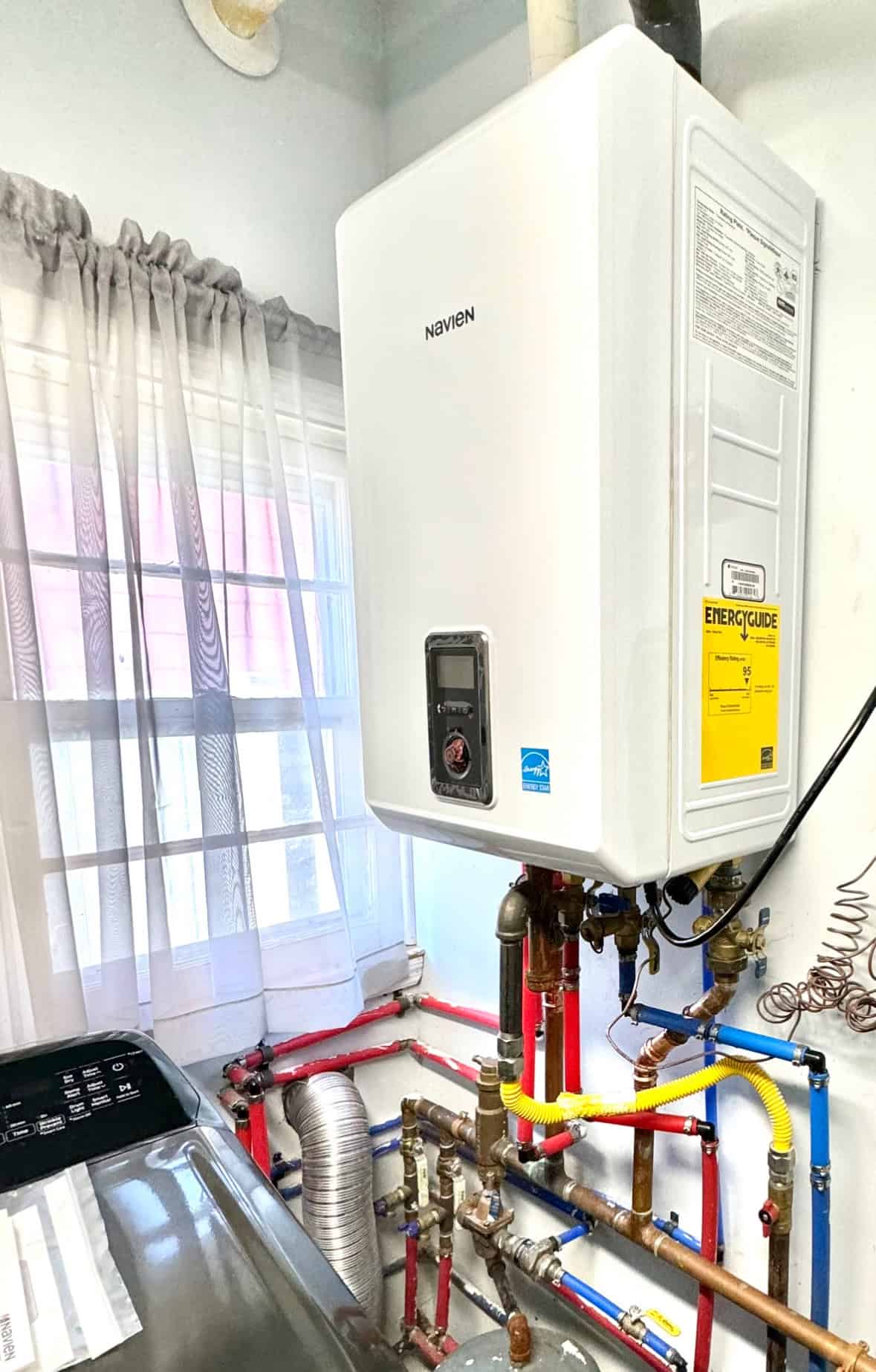
Scale buildup is the number one enemy of tankless water heaters, especially in areas with hard water like parts of Monmouth County, NJ. When water heats up, minerals like calcium and magnesium precipitate out and form deposits on the heat exchanger—the component responsible for transferring heat to your water.
As these deposits accumulate, they create an insulating layer that prevents efficient heat transfer. Your tankless heater has to work harder and harder to achieve the same temperature, and eventually, it may shut down entirely or fail to produce hot water at the temperature you’ve set. You might notice the water temperature fluctuating, the flow rate decreasing, or the unit cycling on and off repeatedly.
The solution is descaling, which involves flushing the system with a special descaling solution that dissolves mineral deposits. This should be done at least once a year in areas with hard water, or every six months if your water is particularly mineral-heavy. You can tell if you have hard water by looking for white buildup on faucets and showerheads, or by having your water tested.
Some handy homeowners tackle descaling themselves using a descaling kit with two hoses and a small pump. You connect the hoses to the service valves on your tankless heater, run descaling solution through the system for about 45 minutes, then flush with clean water. However, this process requires shutting off water and power to the unit, and if done incorrectly, you can damage the heat exchanger or other components.
Professional descaling ensures the job is done right and gives you an opportunity to have the entire system inspected. We can check for other issues like worn ignitors, faulty flame sensors, or venting problems while servicing your unit. We can also tell you if your heat exchanger has reached the point where descaling won’t restore full function, which means it’s time to consider replacement.
Installing a water softener can dramatically reduce scale buildup and extend the life of your tankless water heater. Soft water doesn’t deposit minerals the way hard water does, which means less maintenance and better long-term performance from your system.
Tankless water heaters are sensitive to water flow and pressure in ways that traditional tank heaters aren’t. Understanding these requirements helps you diagnose why your system isn’t producing hot water.
Every tankless unit has a minimum activation flow rate. If water isn’t moving through the system fast enough, the heater won’t turn on at all. This is a safety feature that prevents the unit from overheating, but it can be frustrating when you’re trying to get hot water from a single low-flow faucet. Try opening the tap fully, or turn on an additional hot water source to increase flow. If this solves the problem, your flow rate was too low.
Clogged inlet filters are another common culprit. Your tankless heater has a small screen filter where cold water enters the unit. This filter catches sediment and debris, protecting the internal components. Over time, this filter can become clogged, restricting water flow and preventing the unit from activating. Cleaning the filter is usually simple—turn off the water supply to the heater, remove the filter, rinse it clean, and reinstall it.
Water pressure that’s too high or too low can also cause problems. Tankless heaters typically operate best within a range of 30 to 80 psi. Low pressure might not trigger the flow sensor, while high pressure can cause the unit to shut down as a safety measure. You can check your home’s water pressure with an inexpensive gauge that screws onto an outdoor faucet. If pressure is outside the normal range, you might need a pressure regulator or adjustments to your existing one.
Simultaneous demand from multiple fixtures can overload a tankless heater that’s undersized for your household. These units are rated by how much water they can heat at once, measured in gallons per minute. If you’re running two showers, the dishwasher, and the washing machine simultaneously, you might exceed your heater’s capacity. The water will turn lukewarm or cold because the unit can’t keep up with demand.
The “cold water sandwich” effect is a quirk specific to tankless systems. When you turn off hot water briefly and then turn it back on, you might get hot water, then a burst of cold, then hot again. This happens because there’s residual hot water in the pipes from the last use, followed by unheated water that was in the heat exchanger when it shut off, then freshly heated water. This isn’t a malfunction—it’s just how on-demand systems work. However, if it’s a frequent annoyance, installing a small recirculation system can help.
You’ve checked the obvious stuff—power supply, pilot light, thermostat settings—and you’re still without hot water. Or maybe you found the problem but it’s beyond your comfort level to fix. That’s when it’s time to call in a professional.
Some situations always require expert help. Gas leaks are non-negotiable emergencies—if you smell that distinctive rotten egg odor, shut off your gas, evacuate, and call your gas company immediately. Electrical issues beyond a simple breaker reset should be handled by licensed technicians. Water heater tanks that are actively leaking need immediate professional attention to prevent water damage to your home.
Even for issues that seem straightforward, professional diagnosis often saves money in the long run. We can identify whether your 10-year-old water heater needs a $200 part replacement or if you’re better off investing in a new, more efficient unit. We can spot problems you might miss, like a corroding tank that’s months away from catastrophic failure, or a venting issue that’s creating carbon monoxide hazards.
When you need help in Monmouth County, NJ, AME Plumbing Heating and Cooling offers 24/7 emergency service for water heater issues. Our licensed professionals can troubleshoot both traditional tank and tankless systems, provide upfront pricing before starting work, and get your hot water flowing again fast.
Article details:
Share:
Continue learning: