Servicing Areas Throughout New Jersey

The Ultimate Checklist for Hiring a Licensed Plumbing Contractor in New Jersey

Hiring the wrong plumbing contractor can cost thousands and leave you with bigger problems. This checklist reveals what to verify before anyone touches your pipes in New Jersey.

Share:

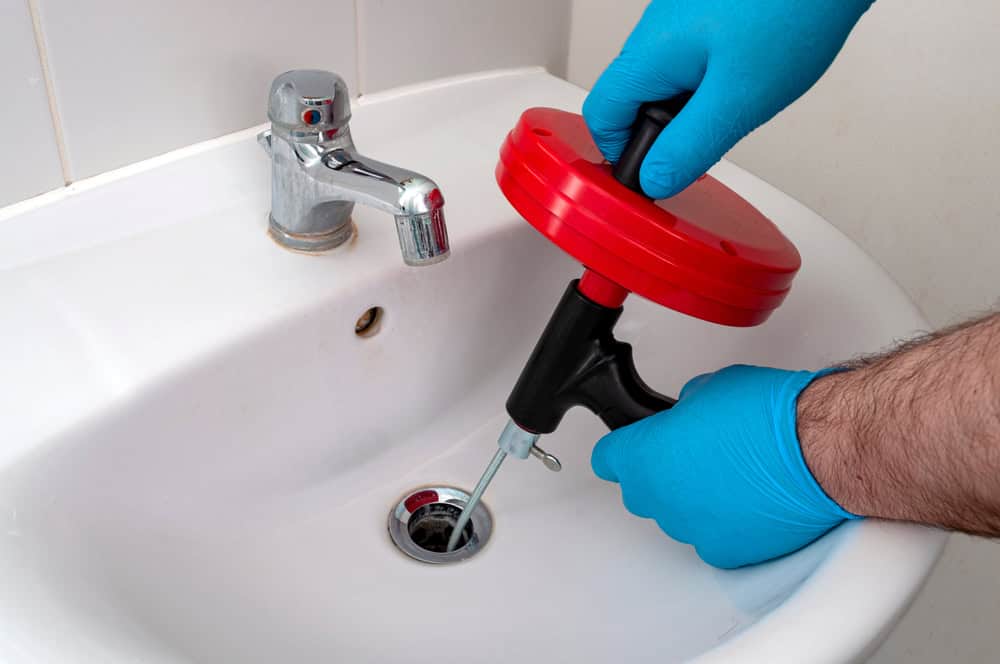
A Plumber in Monmouth County wearing blue gloves uses a red and black drain auger to unclog a white bathroom sink with a silver faucet.

Summary:

New Jersey’s strict plumbing licensing requirements exist for good reason—your safety and financial protection. This guide walks you through exactly what to check when hiring a plumbing contractor in Monmouth, Ocean, or Middlesex County. From verifying master plumber licenses to spotting red flags that signal trouble, you’ll learn how to protect yourself from unlicensed work, price gouging, and plumbing repair disasters. Whether you’re facing an emergency or planning a renovation, these insights help you hire with confidence.
Table of contents
You need a plumber. Maybe it’s an emergency, maybe it’s planned work. Either way, the contractor you choose will either solve your problem or create a nightmare that costs thousands more than it should have. Here’s what most New Jersey homeowners don’t realize until it’s too late: not everyone who shows up in a truck with tools is qualified or even legal to touch your plumbing. The state has strict requirements for a reason, and ignoring them puts your home, your wallet, and your family’s safety at risk. This checklist walks you through exactly what to verify, what questions to ask, and what red flags mean you should keep looking. Let’s start with the most important credential that separates legitimate plumbing contractors from everyone else.

How to Verify a Plumber's License in New Jersey

New Jersey doesn’t mess around with plumbing licenses. The state requires a Master Plumber license for anyone running a plumbing business or supervising work. This isn’t just paperwork—it represents years of training and demonstrated competency.

To earn that license, someone must complete a four-year apprenticeship approved by the U.S. Department of Labor, work at least one year as a journeyman under a master plumber’s supervision, and pass three separate exams covering trade skills, business practices, and state plumbing laws. They also post a $3,000 surety bond and maintain liability insurance.

The license proves they know New Jersey’s plumbing codes, understand how to work safely, and have skin in the game if something goes wrong. Without it, you’re dealing with someone who either couldn’t meet the requirements or chose not to bother.

Two service professionals, one wearing an "AME Plumbing" hoodie, are walking away from the camera through a modern office lobby.

Where to Check if a Plumbing Contractor is Licensed in NJ

Verifying a license takes about two minutes and could save you thousands. New Jersey makes it easy through the Division of Consumer Affairs license verification system at newjersey.mylicense.com.

You can search by the plumber’s name or license number. The database shows you whether the license is active, when it expires, and if there are any disciplinary actions on file. New Jersey requires license renewal every two years, and that renewal includes continuing education to keep plumbers current with code changes.

If a contractor can’t immediately provide their license number, that’s your first red flag. Legitimate plumbers expect this question and have the documentation ready. They’re not offended—they understand you’re doing basic due diligence.

Here’s what to look for when you pull up their license information. The status should say “active,” not “expired” or “inactive.” Check the issue date to see how long they’ve been licensed. Look for any complaints or disciplinary actions, which would appear in their record.

Some contractors will claim they don’t need a license for “small jobs” or that they’re working under someone else’s license. That’s not how New Jersey law works. Any plumbing contractor offering services must either hold a master plumber license themselves or employ someone who does. The business itself must be authorized to operate as a plumbing contractor.

If you’re dealing with a larger company, ask for the name of their master plumber—the person who holds the license and assumes legal responsibility for the work. That name should match what’s registered with the state.

Don’t skip this step because someone came recommended by a friend or neighbor. Your friend might not have checked either. Verify everything yourself, especially since licenses can expire or be revoked between the time your friend used them and when you’re hiring.

The New Jersey Division of Consumer Affairs also requires contractors performing work over $500 to be registered. Check that their registration is current and that there are no suspensions or complaints on file.

What Insurance Coverage Should a Licensed Plumber Carry

A license isn’t enough. New Jersey law requires plumbing businesses to carry liability insurance, and you need to verify it before any work begins.

Liability insurance protects you if the plumber damages your property during the job. Without it, you’re personally liable for any accidents, injuries, or damage that occurs. That could mean paying for repairs to your home, medical bills if someone gets hurt, or even legal fees if something goes seriously wrong.

Ask to see proof of insurance—not just a verbal confirmation. A legitimate contractor will provide a certificate of insurance that shows their coverage is current. This certificate should include the policy number, coverage amounts, and expiration date.

Workers’ compensation insurance is equally important if the plumbing company has employees. This covers injuries to workers on your property. Without it, an injured worker could potentially sue you, the property owner, for medical costs and lost wages.

Here’s why this matters more than you might think. Plumbing work involves risks—working in tight spaces, handling heavy equipment, dealing with water and gas lines. Things can go wrong even with experienced professionals. Insurance ensures those risks don’t become your financial burden.

Some contractors operate without insurance to keep their prices lower. That savings disappears instantly if something goes wrong. You’ll end up paying far more out of pocket than you would have by hiring an insured professional in the first place.

Insurance companies often refuse to cover damage caused by unlicensed or uninsured work. That means if an uninsured plumber floods your basement or causes a gas leak, your homeowner’s insurance might deny your claim. You’re stuck paying for the original plumbing repair, the damage, and the cost to have everything done correctly by a licensed, insured professional.

When you verify insurance, don’t just glance at the certificate. Note the coverage amounts. General liability coverage should be substantial enough to cover potential damage to your home. If the amounts seem unusually low, that’s worth discussing.

Ask if the insurance covers the specific type of plumbing services they’ll be doing at your property. Some policies have exclusions or limitations. A professional contractor won’t hesitate to clarify what’s covered.

Keep a copy of the insurance certificate with your contract and other paperwork. If you need to file a claim later, you’ll have the documentation readily available.

Professional plumbing contractors understand these requirements and expect you to ask about insurance. If someone gets defensive or tries to rush past this conversation, you’re probably dealing with someone who either doesn’t carry proper coverage or doesn’t want you looking too closely at their credentials.

Red Flags That Signal You Should Find Another Contractor

Some warning signs are obvious. Others are subtle until you know what to look for. Recognizing these red flags early saves you from contractors who will either do substandard work, overcharge you, or disappear with your money.

The biggest red flag is a contractor who can’t or won’t provide a license number immediately. Legitimate professionals have this information at their fingertips. If they need to “get back to you” or claim they don’t have it handy, that tells you everything you need to know.

Watch for pressure tactics. Contractors who insist you need to decide right now, who claim the problem is more urgent than it appears without proper inspection, or who push you to start work immediately before you’ve had time to verify credentials—these are all signs of someone trying to prevent you from doing your homework.

Suspiciously low estimates should raise concerns, not excitement. Quality plumbing services require experience, proper tools, insurance, and good materials. All of that costs money. When someone’s quote is dramatically lower than everyone else’s, they’re either cutting corners, using inferior materials, planning to add charges later, or not properly licensed and insured.
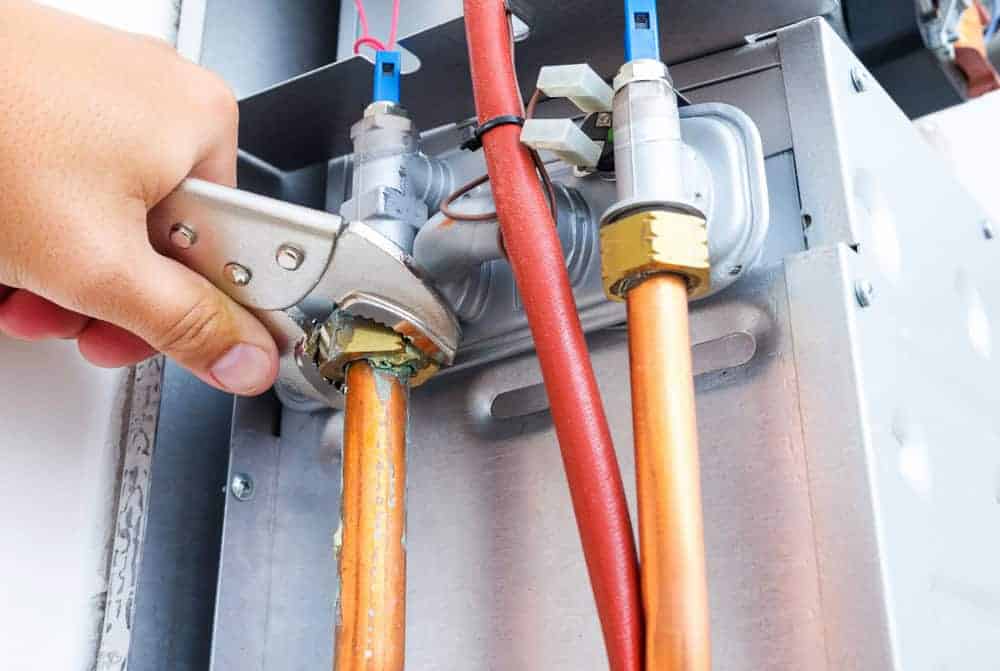
Hand using a wrench to tighten copper pipes connected to a metal unit.

Warning Signs During Initial Contact and Estimates

Pay attention to how a plumbing contractor presents themselves from the first interaction. Professional companies have established business practices that protect both them and their customers.

A contractor who only provides a cell phone number, drives an unmarked van, or operates from a PO box instead of a physical address deserves extra scrutiny. Legitimate local businesses have verifiable locations you can check. Unmarked vehicles and vague contact information make it easy for someone to disappear if problems arise.

Be wary of contractors who provide firm price quotes over the phone without seeing your property. Experienced plumbers know that accurate estimates require assessing the actual situation. They need to see the accessibility of pipes, understand the scope of work, and identify any complications that might affect the job.

A professional will want to visit your property, evaluate the problem, and then provide a detailed written estimate. That estimate should break down labor and materials separately, specify what work will be performed, and include a timeline for completion.

Contractors who refuse to provide written estimates or contracts are eliminating your legal protection. A verbal agreement means nothing if the plumbing repair work is substandard or incomplete. You need everything in writing—the scope of work, the cost, the timeline, the warranty, and the payment schedule.

Speaking of payment, be extremely cautious about contractors who demand full payment upfront, especially if they insist on cash only. This is one of the most common tactics used by scammers. They take your money and either disappear or do such poor work that you end up paying someone else to fix their mistakes.

Legitimate contractors typically require a reasonable deposit to cover materials, with the balance due upon completion. They accept multiple payment methods and provide receipts. If someone’s pushing for full payment before they’ve even started, walk away.

Watch for contractors who can’t provide references or become evasive when you ask for them. Someone who’s been in business and does quality work should have satisfied customers willing to vouch for them. If they can’t produce at least three to five references, or if they discourage you from actually calling those references, that’s a problem.

Communication style matters too. If a contractor is difficult to reach, doesn’t return calls promptly, or can’t clearly explain what work needs to be done and why, those communication issues will only get worse once you’ve hired them. You want someone who keeps you informed, answers questions directly, and treats your time with respect.

Questions Every Homeowner Should Ask Before Hiring

Asking the right questions upfront separates qualified professionals from contractors who will create more problems than they solve. Don’t feel awkward about being thorough—your home and your money are on the line.

Start with the license question. “Can I see your New Jersey Master Plumber license number?” A professional will provide it immediately. Follow up by asking how long they’ve been licensed and whether they’ve had any complaints or disciplinary actions. You can verify this information yourself, but their willingness to discuss it tells you about their transparency.

Ask about insurance specifically. “Can you provide proof of current liability insurance and workers’ compensation coverage?” Request the certificate of insurance and verify the coverage amounts are adequate for the type of work you need done.

Find out who will actually be doing the work. Some plumbing companies use subcontractors, which is fine if those subcontractors are also properly licensed and insured. You want to know everyone who’ll be working on your property meets the same standards as the company you’re hiring.

Discuss the estimate in detail. “Does this quote include both labor and materials? Are there any circumstances that would change this price? What’s not included?” Understanding exactly what you’re paying for prevents surprises when the final bill arrives.

Ask about their experience with your specific type of project. A plumber who primarily handles emergency repairs might not be the best choice for a complex renovation. You want someone who’s tackled similar jobs successfully.

Clarify their availability and response time. “Do you offer 24/7 emergency services? What’s your typical response time for urgent calls? Are there additional fees for after-hours service?” Knowing this information before you need it saves stress during actual emergencies.

Discuss permits and inspections. “Will this work require permits? Who obtains those permits? When will inspections be scheduled?” Professional contractors handle permitting as part of their service and ensure all work passes inspection.

Ask about warranties and guarantees. “What warranty do you offer on your work? What does that warranty cover? How long does it last?” Get this in writing as part of your contract.

Find out about cleanup. “Is cleanup included in your estimate? What condition will you leave the work area in?” Many contractors don’t include cleanup in their standard pricing, which means you’ll be left dealing with the mess yourself.

Inquire about payment terms. “What’s your payment schedule? What forms of payment do you accept? When is final payment due?” Reasonable payment terms typically involve a deposit, possibly a mid-project payment for larger jobs, and final payment upon completion and your satisfaction.

Ask for references and actually call them. “Can you provide references from recent customers with similar projects?” When you contact those references, ask specific questions about the quality of work, communication, timeliness, and whether they’d hire this contractor again.

These questions aren’t being difficult—they’re being smart. Contractors who’ve earned their reputation welcome these questions because they know their answers will build your confidence. Those who get defensive or evasive about basic professional standards are showing you exactly who they are. Believe them and find someone else.

Making the Right Choice for Your New Jersey Plumbing Project

Hiring a plumbing contractor doesn’t have to be complicated, but it does require doing your homework. The few minutes you spend verifying credentials, checking insurance, and asking the right questions protect you from contractors who will either do substandard work or leave you with bigger problems than you started with.

New Jersey’s licensing requirements exist specifically to protect homeowners like you. When you hire a properly licensed and insured master plumber, you’re getting someone who’s proven their competency, understands state codes, and has financial accountability through their bond and insurance.

Don’t let emergency situations or time pressure push you into skipping these verification steps. The contractor you choose today will either solve your problem permanently or create a disaster that costs thousands to fix properly. That’s worth taking the time to get it right.

If you’re looking for a licensed, insured plumbing contractor serving Monmouth County, Ocean County, and Middlesex County, we bring the credentials, experience, and transparency that protect your home and your investment.

Summary:

New Jersey’s strict plumbing licensing requirements exist for good reason—your safety and financial protection. This guide walks you through exactly what to check when hiring a plumbing contractor in Monmouth, Ocean, or Middlesex County. From verifying master plumber licenses to spotting red flags that signal trouble, you’ll learn how to protect yourself from unlicensed work, price gouging, and plumbing repair disasters. Whether you’re facing an emergency or planning a renovation, these insights help you hire with confidence.
Table of contents
You need a plumber. Maybe it’s an emergency, maybe it’s planned work. Either way, the contractor you choose will either solve your problem or create a nightmare that costs thousands more than it should have. Here’s what most New Jersey homeowners don’t realize until it’s too late: not everyone who shows up in a truck with tools is qualified or even legal to touch your plumbing. The state has strict requirements for a reason, and ignoring them puts your home, your wallet, and your family’s safety at risk. This checklist walks you through exactly what to verify, what questions to ask, and what red flags mean you should keep looking. Let’s start with the most important credential that separates legitimate plumbing contractors from everyone else.

How to Verify a Plumber's License in New Jersey

New Jersey doesn’t mess around with plumbing licenses. The state requires a Master Plumber license for anyone running a plumbing business or supervising work. This isn’t just paperwork—it represents years of training and demonstrated competency.

To earn that license, someone must complete a four-year apprenticeship approved by the U.S. Department of Labor, work at least one year as a journeyman under a master plumber’s supervision, and pass three separate exams covering trade skills, business practices, and state plumbing laws. They also post a $3,000 surety bond and maintain liability insurance.

The license proves they know New Jersey’s plumbing codes, understand how to work safely, and have skin in the game if something goes wrong. Without it, you’re dealing with someone who either couldn’t meet the requirements or chose not to bother.

Two service professionals, one wearing an "AME Plumbing" hoodie, are walking away from the camera through a modern office lobby.

Where to Check if a Plumbing Contractor is Licensed in NJ

Verifying a license takes about two minutes and could save you thousands. New Jersey makes it easy through the Division of Consumer Affairs license verification system at newjersey.mylicense.com.

You can search by the plumber’s name or license number. The database shows you whether the license is active, when it expires, and if there are any disciplinary actions on file. New Jersey requires license renewal every two years, and that renewal includes continuing education to keep plumbers current with code changes.

If a contractor can’t immediately provide their license number, that’s your first red flag. Legitimate plumbers expect this question and have the documentation ready. They’re not offended—they understand you’re doing basic due diligence.

Here’s what to look for when you pull up their license information. The status should say “active,” not “expired” or “inactive.” Check the issue date to see how long they’ve been licensed. Look for any complaints or disciplinary actions, which would appear in their record.

Some contractors will claim they don’t need a license for “small jobs” or that they’re working under someone else’s license. That’s not how New Jersey law works. Any plumbing contractor offering services must either hold a master plumber license themselves or employ someone who does. The business itself must be authorized to operate as a plumbing contractor.

If you’re dealing with a larger company, ask for the name of their master plumber—the person who holds the license and assumes legal responsibility for the work. That name should match what’s registered with the state.

Don’t skip this step because someone came recommended by a friend or neighbor. Your friend might not have checked either. Verify everything yourself, especially since licenses can expire or be revoked between the time your friend used them and when you’re hiring.

The New Jersey Division of Consumer Affairs also requires contractors performing work over $500 to be registered. Check that their registration is current and that there are no suspensions or complaints on file.

What Insurance Coverage Should a Licensed Plumber Carry

A license isn’t enough. New Jersey law requires plumbing businesses to carry liability insurance, and you need to verify it before any work begins.

Liability insurance protects you if the plumber damages your property during the job. Without it, you’re personally liable for any accidents, injuries, or damage that occurs. That could mean paying for repairs to your home, medical bills if someone gets hurt, or even legal fees if something goes seriously wrong.

Ask to see proof of insurance—not just a verbal confirmation. A legitimate contractor will provide a certificate of insurance that shows their coverage is current. This certificate should include the policy number, coverage amounts, and expiration date.

Workers’ compensation insurance is equally important if the plumbing company has employees. This covers injuries to workers on your property. Without it, an injured worker could potentially sue you, the property owner, for medical costs and lost wages.

Here’s why this matters more than you might think. Plumbing work involves risks—working in tight spaces, handling heavy equipment, dealing with water and gas lines. Things can go wrong even with experienced professionals. Insurance ensures those risks don’t become your financial burden.

Some contractors operate without insurance to keep their prices lower. That savings disappears instantly if something goes wrong. You’ll end up paying far more out of pocket than you would have by hiring an insured professional in the first place.

Insurance companies often refuse to cover damage caused by unlicensed or uninsured work. That means if an uninsured plumber floods your basement or causes a gas leak, your homeowner’s insurance might deny your claim. You’re stuck paying for the original plumbing repair, the damage, and the cost to have everything done correctly by a licensed, insured professional.

When you verify insurance, don’t just glance at the certificate. Note the coverage amounts. General liability coverage should be substantial enough to cover potential damage to your home. If the amounts seem unusually low, that’s worth discussing.

Ask if the insurance covers the specific type of plumbing services they’ll be doing at your property. Some policies have exclusions or limitations. A professional contractor won’t hesitate to clarify what’s covered.

Keep a copy of the insurance certificate with your contract and other paperwork. If you need to file a claim later, you’ll have the documentation readily available.

Professional plumbing contractors understand these requirements and expect you to ask about insurance. If someone gets defensive or tries to rush past this conversation, you’re probably dealing with someone who either doesn’t carry proper coverage or doesn’t want you looking too closely at their credentials.

Red Flags That Signal You Should Find Another Contractor

Some warning signs are obvious. Others are subtle until you know what to look for. Recognizing these red flags early saves you from contractors who will either do substandard work, overcharge you, or disappear with your money.

The biggest red flag is a contractor who can’t or won’t provide a license number immediately. Legitimate professionals have this information at their fingertips. If they need to “get back to you” or claim they don’t have it handy, that tells you everything you need to know.

Watch for pressure tactics. Contractors who insist you need to decide right now, who claim the problem is more urgent than it appears without proper inspection, or who push you to start work immediately before you’ve had time to verify credentials—these are all signs of someone trying to prevent you from doing your homework.

Suspiciously low estimates should raise concerns, not excitement. Quality plumbing services require experience, proper tools, insurance, and good materials. All of that costs money. When someone’s quote is dramatically lower than everyone else’s, they’re either cutting corners, using inferior materials, planning to add charges later, or not properly licensed and insured.

Hand using a wrench to tighten copper pipes connected to a metal unit.

Warning Signs During Initial Contact and Estimates

Pay attention to how a plumbing contractor presents themselves from the first interaction. Professional companies have established business practices that protect both them and their customers.

A contractor who only provides a cell phone number, drives an unmarked van, or operates from a PO box instead of a physical address deserves extra scrutiny. Legitimate local businesses have verifiable locations you can check. Unmarked vehicles and vague contact information make it easy for someone to disappear if problems arise.

Be wary of contractors who provide firm price quotes over the phone without seeing your property. Experienced plumbers know that accurate estimates require assessing the actual situation. They need to see the accessibility of pipes, understand the scope of work, and identify any complications that might affect the job.

A professional will want to visit your property, evaluate the problem, and then provide a detailed written estimate. That estimate should break down labor and materials separately, specify what work will be performed, and include a timeline for completion.

Contractors who refuse to provide written estimates or contracts are eliminating your legal protection. A verbal agreement means nothing if the plumbing repair work is substandard or incomplete. You need everything in writing—the scope of work, the cost, the timeline, the warranty, and the payment schedule.

Speaking of payment, be extremely cautious about contractors who demand full payment upfront, especially if they insist on cash only. This is one of the most common tactics used by scammers. They take your money and either disappear or do such poor work that you end up paying someone else to fix their mistakes.

Legitimate contractors typically require a reasonable deposit to cover materials, with the balance due upon completion. They accept multiple payment methods and provide receipts. If someone’s pushing for full payment before they’ve even started, walk away.

Watch for contractors who can’t provide references or become evasive when you ask for them. Someone who’s been in business and does quality work should have satisfied customers willing to vouch for them. If they can’t produce at least three to five references, or if they discourage you from actually calling those references, that’s a problem.

Communication style matters too. If a contractor is difficult to reach, doesn’t return calls promptly, or can’t clearly explain what work needs to be done and why, those communication issues will only get worse once you’ve hired them. You want someone who keeps you informed, answers questions directly, and treats your time with respect.

Questions Every Homeowner Should Ask Before Hiring

Asking the right questions upfront separates qualified professionals from contractors who will create more problems than they solve. Don’t feel awkward about being thorough—your home and your money are on the line.

Start with the license question. “Can I see your New Jersey Master Plumber license number?” A professional will provide it immediately. Follow up by asking how long they’ve been licensed and whether they’ve had any complaints or disciplinary actions. You can verify this information yourself, but their willingness to discuss it tells you about their transparency.

Ask about insurance specifically. “Can you provide proof of current liability insurance and workers’ compensation coverage?” Request the certificate of insurance and verify the coverage amounts are adequate for the type of work you need done.

Find out who will actually be doing the work. Some plumbing companies use subcontractors, which is fine if those subcontractors are also properly licensed and insured. You want to know everyone who’ll be working on your property meets the same standards as the company you’re hiring.

Discuss the estimate in detail. “Does this quote include both labor and materials? Are there any circumstances that would change this price? What’s not included?” Understanding exactly what you’re paying for prevents surprises when the final bill arrives.

Ask about their experience with your specific type of project. A plumber who primarily handles emergency repairs might not be the best choice for a complex renovation. You want someone who’s tackled similar jobs successfully.

Clarify their availability and response time. “Do you offer 24/7 emergency services? What’s your typical response time for urgent calls? Are there additional fees for after-hours service?” Knowing this information before you need it saves stress during actual emergencies.

Discuss permits and inspections. “Will this work require permits? Who obtains those permits? When will inspections be scheduled?” Professional contractors handle permitting as part of their service and ensure all work passes inspection.

Ask about warranties and guarantees. “What warranty do you offer on your work? What does that warranty cover? How long does it last?” Get this in writing as part of your contract.

Find out about cleanup. “Is cleanup included in your estimate? What condition will you leave the work area in?” Many contractors don’t include cleanup in their standard pricing, which means you’ll be left dealing with the mess yourself.

Inquire about payment terms. “What’s your payment schedule? What forms of payment do you accept? When is final payment due?” Reasonable payment terms typically involve a deposit, possibly a mid-project payment for larger jobs, and final payment upon completion and your satisfaction.

Ask for references and actually call them. “Can you provide references from recent customers with similar projects?” When you contact those references, ask specific questions about the quality of work, communication, timeliness, and whether they’d hire this contractor again.

These questions aren’t being difficult—they’re being smart. Contractors who’ve earned their reputation welcome these questions because they know their answers will build your confidence. Those who get defensive or evasive about basic professional standards are showing you exactly who they are. Believe them and find someone else.

Making the Right Choice for Your New Jersey Plumbing Project

Hiring a plumbing contractor doesn’t have to be complicated, but it does require doing your homework. The few minutes you spend verifying credentials, checking insurance, and asking the right questions protect you from contractors who will either do substandard work or leave you with bigger problems than you started with.

New Jersey’s licensing requirements exist specifically to protect homeowners like you. When you hire a properly licensed and insured master plumber, you’re getting someone who’s proven their competency, understands state codes, and has financial accountability through their bond and insurance.

Don’t let emergency situations or time pressure push you into skipping these verification steps. The contractor you choose today will either solve your problem permanently or create a disaster that costs thousands to fix properly. That’s worth taking the time to get it right.

If you’re looking for a licensed, insured plumbing contractor serving Monmouth County, Ocean County, and Middlesex County, we bring the credentials, experience, and transparency that protect your home and your investment.
Article details:

Share: