

Reviews
Your energy bills drop because the system isn’t fighting through clogged coils and dirty filters anymore. You’re not sweating through July waiting on an emergency repair that could’ve been caught in May. The unit that should last 15 years doesn’t die in seven because salt ate through the condenser.
That’s what proper AC maintenance does. It removes the salt and debris before it becomes corrosion. It catches the small stuff before it turns into a compressor replacement. It keeps your indoor air cleaner and your humidity levels where they should be.
You live a few miles from the ocean. That means your HVAC system faces conditions that most equipment never sees. Maintenance here isn’t optional—it’s the difference between a system that works and one that fails when you need it most.
We’ve spent years working on systems in coastal towns like Avon-by-the-Sea. We know what salt air does to condenser coils. We know how humidity affects runtime and efficiency. We know the difference between a standard tune-up and one that actually protects equipment in this environment.
Our technicians are licensed and insured to work throughout New Jersey. We show up on time, explain what we find, and give you upfront pricing before we do anything. No hidden fees. No surprises.
If something breaks at midnight, we’re available 24/7. If you need financing, we offer 0% options. If you’re military or a first responder, you get 10% off. We’re local, and we’re not going anywhere.
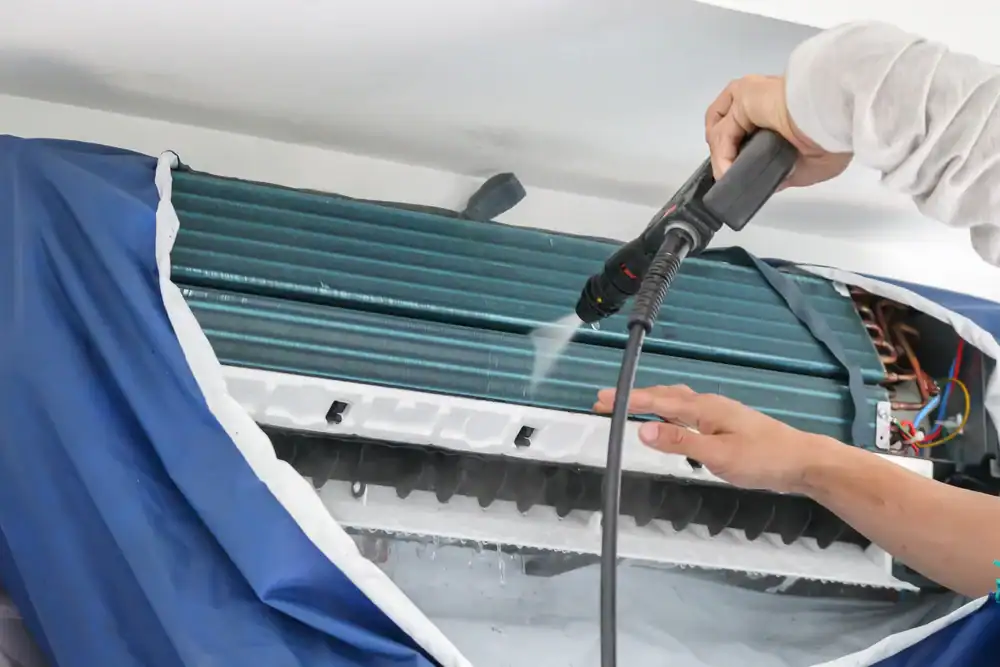
We start with your outdoor unit. That’s where the salt air does the most damage, so we inspect the condenser coils, cabinet, and electrical connections for corrosion or wear. We clean off any salt buildup and check refrigerant levels to make sure the system isn’t leaking or undercharged.
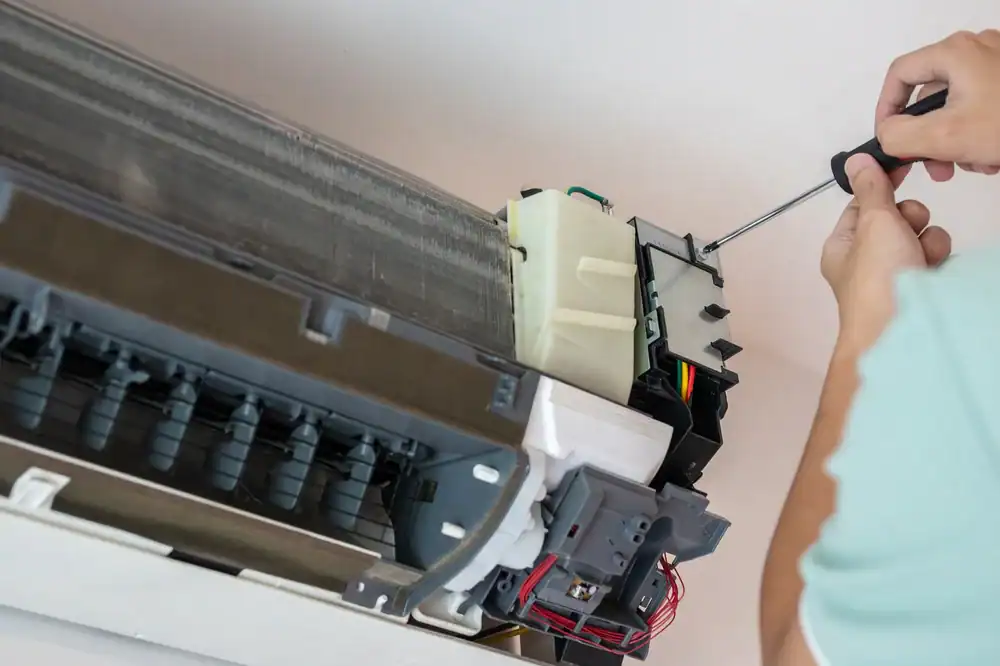
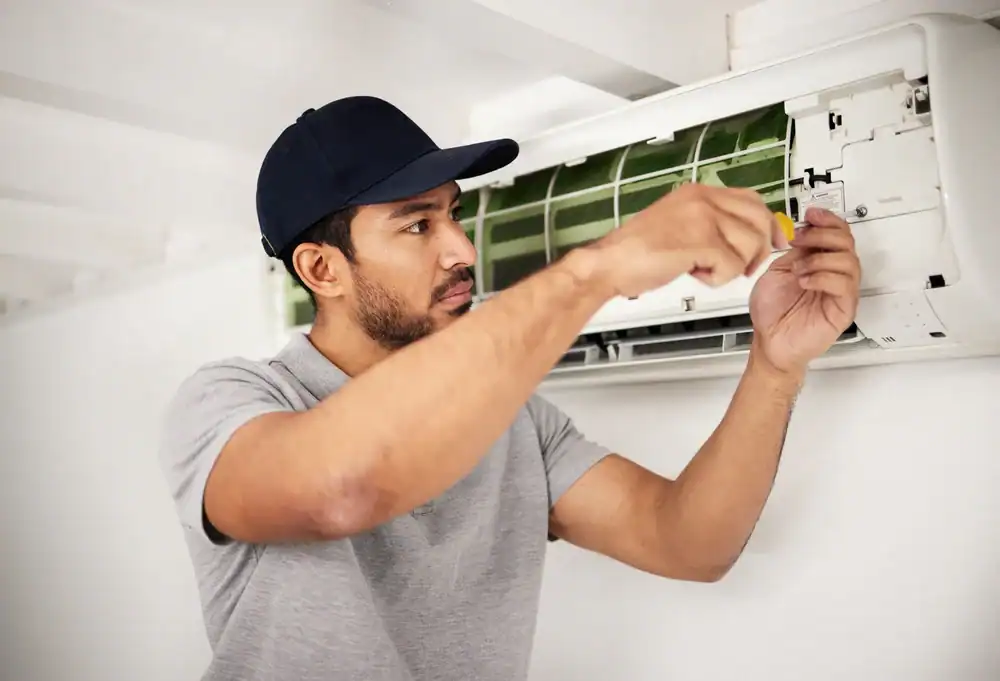
Then we move inside. We check your air handler, replace or clean the filter, inspect the evaporator coil, and test the blower motor. We look at your thermostat settings and make sure the system is cycling properly. If your ductwork is accessible, we check for leaks that waste cooled air.
Before we leave, we run the system through a full cycle. We measure airflow, temperature drop, and amp draw to confirm everything is operating efficiently. If we find anything that needs attention, we’ll walk you through it and give you a clear price before moving forward. You’ll know exactly what’s going on with your system before we’re done.

Ready to get started?
A proper hvac system inspection in Avon-by-the-Sea isn’t the same as one done inland. Coastal systems need more attention to corrosion, more frequent coil cleaning, and a closer look at how humidity is being managed. Your system runs longer because of the moisture in the air. That means more wear, more runtime, and more chances for something to fail.
During every hvac cleaning service, we remove the salt and debris that accelerates breakdown. We check that your condensate drain isn’t clogged—humidity means more water removal, and a blocked drain leads to overflow and potential water damage. We verify that your system is sized correctly for the load, because oversized units in coastal homes leave you cold but still damp.
We also confirm that your manufacturer’s warranty is still valid. Most warranties require annual maintenance, and skipping it can void your coverage entirely. You’ll get documentation of the service for your records. If we spot early signs of trouble—like a capacitor starting to weaken or a coil beginning to corrode—you’ll know about it while it’s still cheap to fix.

At least once a year, ideally twice. Coastal systems face salt exposure and high humidity that inland units don’t deal with. That accelerates wear and cuts down lifespan if you’re not staying ahead of it.
Spring is the best time for your main tune-up—before the heavy usage starts in June. If you want to extend your equipment’s life even further, add a second check in fall after the cooling season ends. That lets you catch any damage that happened over the summer before it sits all winter.
Skipping annual maintenance can drop your system’s efficiency by 5% per year. Over time, that adds up to higher energy bills and a unit that dies years earlier than it should. If you’re within a few miles of the ocean, regular service isn’t optional.
A standard AC tune-up typically costs between $75 and $200 depending on what’s included and the size of your system. That’s a fraction of what you’ll pay for an emergency repair in July or a full system replacement years ahead of schedule.
Proper maintenance can save you up to 20% on energy bills by keeping the system running efficiently. It also catches small problems—like a failing capacitor or a refrigerant leak—while they’re still inexpensive to fix. Waiting until something breaks usually means a bigger repair bill and no cooling while you wait for parts.
Most manufacturers require annual maintenance to keep your warranty valid. If your compressor fails and you haven’t had the system serviced, you could be looking at a $2,000+ repair that would’ve been covered. The cost of maintenance pays for itself in energy savings, fewer repairs, and longer equipment life.
Salt air is corrosive. It acts like sandpaper on your outdoor condenser coils, cabinet panels, and electrical connections. A unit that might last 15 years inland can corrode down to 5-7 years at the shore if it’s not maintained properly.
Humidity is the other factor. Coastal towns in Monmouth County see 70-80% humidity on regular summer days. That means your AC runs longer to remove moisture from the air, which adds strain to the compressor and blower motor. More runtime equals more wear.
Regular maintenance removes the salt buildup before it becomes corrosion. It keeps airflow clear so the system doesn’t have to work harder than it should. And it catches early signs of rust or electrical issues while they’re still manageable. If you’re in Avon-by-the-Sea, your system needs more attention than one sitting five miles inland.
Your system loses about 5% efficiency for every year you skip service. That means higher energy bills because the unit has to run longer to cool your home. Dirty coils and clogged filters force the compressor to work harder, which shortens its lifespan and increases the chance of a breakdown.
You also risk voiding your manufacturer’s warranty. Most require proof of annual maintenance, and if you can’t provide it, you’re paying out of pocket for repairs that should’ve been covered. A compressor replacement can run $1,500 to $2,500—that’s a costly mistake.
In coastal areas, skipping maintenance accelerates corrosion. Salt doesn’t take a year off. It’s constantly working on your outdoor unit, and without regular cleaning, you’re letting it win. By the time you notice a problem, the damage is often expensive to reverse. Catching it early during a tune-up is always cheaper than waiting for a failure.
You can handle some basics—like changing your filter every 1-3 months and keeping debris away from your outdoor unit. Those help, but they’re not a substitute for a professional tune-up. There’s a lot you can’t see or test without the right tools and training.
A licensed technician checks refrigerant levels, measures airflow and temperature drop, inspects electrical connections, and catches early signs of wear that lead to expensive failures. They also clean components you can’t easily reach, like evaporator coils and condensate drains. In coastal areas, they know what salt damage looks like and where to find it.
Most importantly, DIY maintenance doesn’t satisfy your warranty requirements. Manufacturers want documented proof that a licensed professional serviced the system. If you skip that and something major breaks, you’re paying for the repair yourself. A professional tune-up protects both your equipment and your wallet.
An inspection is usually a visual check and basic system test. A technician looks for obvious problems, confirms the unit is running, and might point out anything that needs attention. It’s useful, but it’s not comprehensive.
A tune-up goes further. It includes cleaning the coils, checking and adjusting refrigerant levels, testing electrical components, lubricating moving parts, and verifying that the system is operating at peak efficiency. You’re not just finding problems—you’re preventing them.
In Avon-by-the-Sea, a real tune-up also means addressing coastal-specific issues like salt buildup and humidity control. It’s the difference between confirming your system works today and making sure it keeps working all season without breaking down. If you’re paying for service, make sure you’re getting a full tune-up, not just a quick look.