Your cold water works perfectly, but hot water won't flow. Learn the most common gas water heater problems and which ones you can fix yourself today.
Share:
Summary:
You turn on the shower expecting warmth. Ice-cold water hits your skin instead. The cold water works fine throughout your house, but hot water? Nothing. This isn’t a plumbing emergency affecting your whole water supply—it’s almost certainly your water heater. The good news is that most gas water heater problems have clear causes and solutions. Some you can fix yourself in minutes. Others need professional help to avoid safety risks or expensive damage. This guide shows you exactly what to check first, which problems you can safely handle, and when to call for emergency service in Monmouth County, NJ. No guesswork, no wasted time, just straightforward troubleshooting that gets your hot water flowing again.
When cold water flows normally throughout your house but hot water doesn’t, you’ve narrowed the problem down significantly. Your main water supply is fine. Your pipes are fine. Your water heater is where things went wrong. Here’s why: cold water enters your home from the main supply line and splits into two separate paths. One path goes directly to every cold water tap in your house. The other path runs through your water heater first, gets heated, then travels to your hot water taps.
If cold water works but hot doesn’t, something stopped the heating process inside that tank. For gas water heaters in Monmouth County, NJ, you’re typically looking at a fuel delivery problem or an ignition failure. The tank might be full of water, but without gas burning to heat it, you’re stuck with cold water sitting in a tank doing nothing.
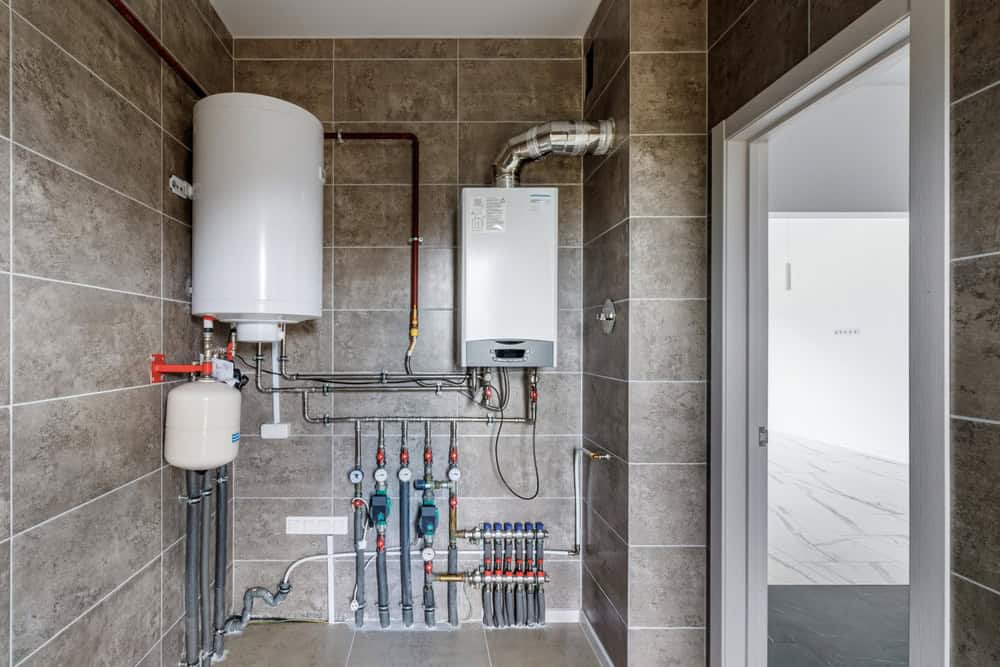
Your gas water heater’s pilot light is a small flame that burns continuously. It serves as the ignition source for the main burner. When this pilot light goes out, your water heater can’t heat anything—it’s the most common cause of suddenly no hot water in gas systems. Checking it takes less than a minute and could solve your problem immediately.
Remove the access panel at the bottom front of your water heater. You’ll see a small viewing window or opening. Look inside for a small blue flame. If you see it burning steadily, your pilot light is fine—move on to checking other components. If you don’t see any flame, your pilot is out and needs relighting.
Most gas water heaters have relighting instructions printed on a label stuck directly to the tank. Follow those specific instructions for your model. The general process involves turning the gas control dial to “Pilot,” pressing and holding the pilot button, using the built-in igniter to create a spark near the pilot assembly, and continuing to hold that button for 30-60 seconds after the flame catches. This waiting period lets the thermocouple heat up enough to keep the gas valve open.
If your pilot lights easily and stays lit, you’re done. Wait an hour or two for the tank to heat up, and your hot water should return. But if the pilot lights then immediately goes out when you release the button, you’ve got a thermocouple problem. This safety device senses the pilot flame’s heat and signals the gas valve to stay open. When it fails, it can’t detect the flame properly, so it shuts off the gas supply as a safety measure.
Occasional pilot outages happen for harmless reasons—a strong draft from an open window, a door slamming nearby, or wind coming through basement vents. But if your pilot keeps going out repeatedly, something’s wrong. Could be a failing thermocouple, low gas pressure, a clogged pilot orifice, or ventilation problems. Don’t keep relighting it over and over hoping it’ll eventually stay on. Call a professional plumber who can diagnose why it keeps failing.
Your gas water heater has a control valve with settings typically labeled “Off,” “Pilot,” and “On.” If someone accidentally bumped this dial or adjusted it during recent maintenance, your hot water heater running but no hot water situation makes perfect sense. The unit has power, it might make sounds, but it’s not actually heating because the gas valve isn’t set correctly.
Walk to your water heater and locate the gas control dial. For normal operation, it should be set to “On.” If it’s sitting on “Pilot” or “Off,” turn it to “On” and give your system time to heat the water—typically one to two hours for a gas tank. This simple adjustment solves the problem more often than most homeowners expect, especially after power outages when people are checking various systems around their homes.
But what if the valve is already on “On” and you still have no hot water? The valve itself might have failed internally. Gas control valves can break in ways that aren’t visible from the outside. They look normal, they’re set to the right position, but internally they’re stuck or damaged. When this happens, gas can’t flow to the burner even though everything appears fine. Testing and replacing a gas valve requires professional expertise—you’re working with natural gas, which means fire and explosion risks if handled incorrectly.
Also check the gas supply line running from your main gas line to the water heater. Follow this pipe and make sure any shutoff valves along its path are fully open. Sometimes during other home repairs or maintenance work, these intermediate valves get partially closed. Even a quarter-turn restriction can reduce gas flow enough to prevent proper heating.
Critical safety note: if you smell gas at any point—that distinctive rotten egg odor—stop troubleshooting immediately. Don’t flip light switches, don’t light anything, don’t do anything that could create a spark. If you can safely reach the gas shutoff valve, turn it off. Get everyone out of your house and call your gas company from outside. Gas leaks aren’t troubleshooting opportunities—they’re life-threatening emergencies requiring immediate professional response.
You just had a new electric water heater installed, and it’s not producing hot water. This situation frustrates homeowners more than almost any other plumbing issue—you invested money in new equipment, paid for professional installation, and it doesn’t work. The problem typically traces back to power supply issues or installation errors that are fixable but require proper diagnosis.
Start by confirming the unit is receiving electricity. Electric water heaters need a dedicated 240-volt circuit. Go to your electrical panel and locate the breaker labeled for your water heater. Make sure it’s firmly in the “On” position. Breakers sometimes trip during installation or shortly after when the heating elements first engage under load.
The most damaging installation mistake is called “dry firing.” This happens when someone turns on electrical power before the tank completely fills with water. The heating elements energize, but without water surrounding them to absorb heat, they burn out within seconds. A new water heater with burned-out elements will never produce hot water no matter how long you wait or how many times you reset breakers.
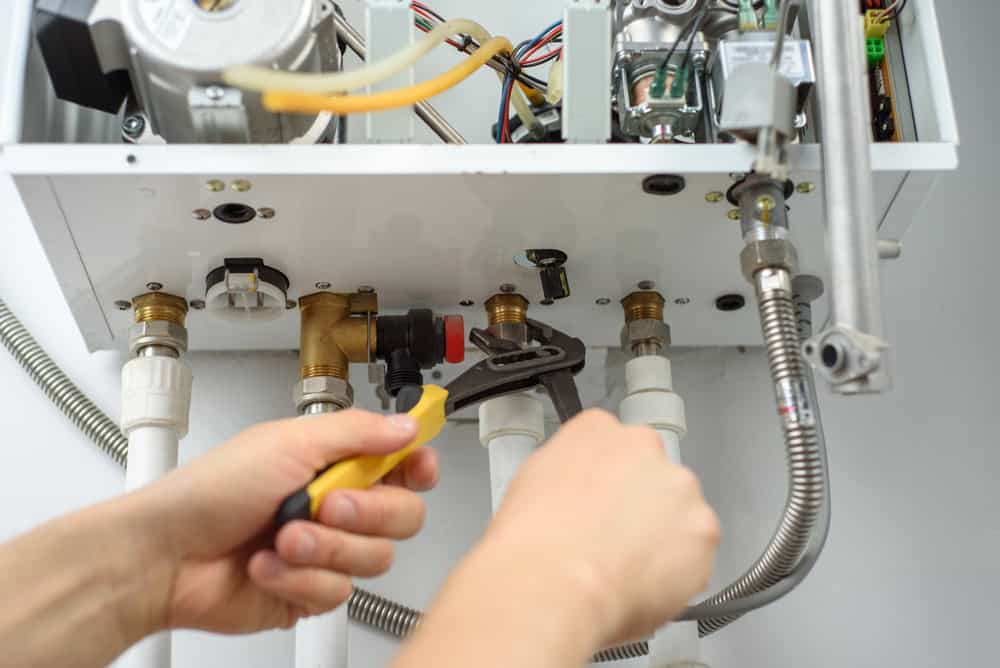
You hear your water heater making sounds. You feel warmth radiating from the tank. But every hot water tap in your house delivers only cold water. This specific scenario—hot water heater running but no hot water actually flowing—points to a few particular mechanical failures that prevent heated water from reaching your fixtures.
For electric water heaters, failed heating elements are the primary suspect. Most electric tanks contain two elements: an upper element and a lower element working in sequence. The upper element heats the top third of the tank first, then shuts off and passes control to the lower element which heats the remaining water. When the lower element fails, you get a small burst of hot water initially, but it runs out quickly and never fully recovers. When the upper element fails, you get no hot water at all because the heating sequence never starts.
Testing heating elements requires a multimeter and understanding of electrical systems. You’re working with 240 volts of electricity—enough to cause serious injury or death if handled improperly. Unless you have electrical training and proper safety equipment, this diagnostic work belongs in professional hands. We can test both elements, identify which failed, and replace it. Element replacement is relatively inexpensive if caught before the problem damages other components.
Thermostat malfunctions create identical symptoms. Electric water heaters use thermostats to control when heating elements activate and deactivate based on water temperature. A failed thermostat might not signal the element to heat even though electrical power flows to the unit. The water heater appears operational—it’s receiving power, it might produce sounds—but it’s not actually heating water because the control system isn’t functioning.
The dip tube is another component that homeowners and even some plumbers overlook. This long plastic tube inside your tank directs incoming cold water down to the bottom of the tank where heating occurs. When the dip tube breaks, cracks, or deteriorates, cold water dumps directly at the top of the tank near the hot water outlet. You end up drawing cold water mixed with whatever hot water remains in the upper portion. The heating element might be working perfectly at the bottom, but you can’t access that heated water.
Sediment buildup severely impacts heating efficiency in Monmouth County, NJ due to local hard water conditions. Water here contains elevated levels of calcium and magnesium that precipitate out during heating and settle at the tank bottom. This mineral layer creates an insulating barrier between the heating element and the water above it. Your water heater works harder and harder trying to heat through that barrier, eventually failing to raise water temperature adequately. You’ll hear it running, feel it attempting to heat, but the water never gets hot enough for comfortable use.
Electrical power returned to your home after an outage, but your hot water didn’t come back with it. This happens frequently in Monmouth County, NJ during storm season, and understanding why helps you get hot water restored faster without unnecessary service calls.
Electric water heaters are particularly vulnerable to power restoration surges. When electricity returns after an outage, it often comes back with a voltage spike. That surge can trip your water heater’s dedicated circuit breaker or trigger the high-limit safety switch built into the unit itself. The high-limit switch is designed to cut power if water temperature exceeds safe levels. Sometimes a power surge falsely triggers this switch into thinking there’s an overheat condition when there isn’t.
Check your electrical panel first. Locate the breaker controlling your water heater—it should be a double-pole 30-amp breaker for most residential units. Make sure it’s fully in the “On” position. Tripped breakers often sit in a middle position between “On” and “Off” that looks deceptively similar to “On.” Flip it all the way to “Off” first, then firmly back to “On.” That’s a proper reset that ensures good electrical contact.
If the breaker looks fine, check the reset button on the water heater unit itself. Remove the upper access panel on your tank. Behind the insulation, you’ll find a red button—that’s your high-limit reset switch. Press it firmly. You should feel or hear a distinct click if it was tripped. If it doesn’t click and doesn’t feel like it moved, it wasn’t tripped, meaning your problem lies elsewhere.
Gas water heaters can also experience post-outage issues, though less commonly. Modern gas water heaters often use electronic ignition systems that require electricity to operate. When power goes out, the ignition system stops working even though gas supply continues. When power returns, the system should automatically restart its ignition sequence, but sometimes it doesn’t. You might need to manually restart it following your manufacturer’s specific instructions, or the electronic control board might have been damaged by the power surge.
Power outages can also damage thermostats and electronic control components. The sudden loss and restoration of electrical power can fry sensitive electronics. If you’ve reset all breakers and buttons but still have no hot water after several hours, the thermostat or control board might need replacement. This requires professional diagnosis and repair—thermostats are relatively inexpensive parts, but installing them correctly requires understanding your specific water heater’s wiring configuration.
One critical point homeowners miss: even after you fix the electrical issue causing no hot water after power outage, your water heater needs substantial time to actually heat the water. An electric 40-gallon tank takes approximately four hours to fully heat from cold. A gas 40-gallon tank takes about two hours. Don’t assume your water heater is still broken just because you don’t have hot water twenty minutes after resetting the breaker. Give the system adequate time to complete its heating cycle before calling for service.
You’ve checked the pilot light, confirmed gas valves are open, reset breakers, and given your system time to heat. If you still don’t have hot water, professional diagnosis is your next step. Some problems appear simple on the surface but hide serious underlying issues. A pilot light that won’t stay lit might seem like a minor inconvenience, but it could indicate a failing gas valve, cracked heat exchanger, or dangerous carbon monoxide risks that require immediate professional attention.
Safety always matters more than saving money on a service call. Gas leaks, electrical hazards, and carbon monoxide exposure are real dangers when water heaters malfunction. Our licensed plumbers have the training, specialized tools, and legal authorization to handle these risks properly. We can also identify problems you’d never notice—early signs of tank corrosion, building code violations from previous installations, or efficiency issues costing you extra money every month on utility bills.
For homeowners throughout Monmouth County, NJ experiencing sudden hot water loss or ongoing water heater problems, we provide 24/7 emergency response when you need it most. With upfront pricing, no hidden fees, and straightforward diagnosis, you’ll get honest recommendations about whether your situation needs a simple repair or full system replacement—and the expertise to get your hot water flowing reliably again.
Article details:
Share:
Continue learning: