Your tankless water heater needs regular maintenance to prevent sudden failures and extend its lifespan. Discover essential maintenance tasks and troubleshooting tips for Monmouth County homeowners.
Share:
Summary:
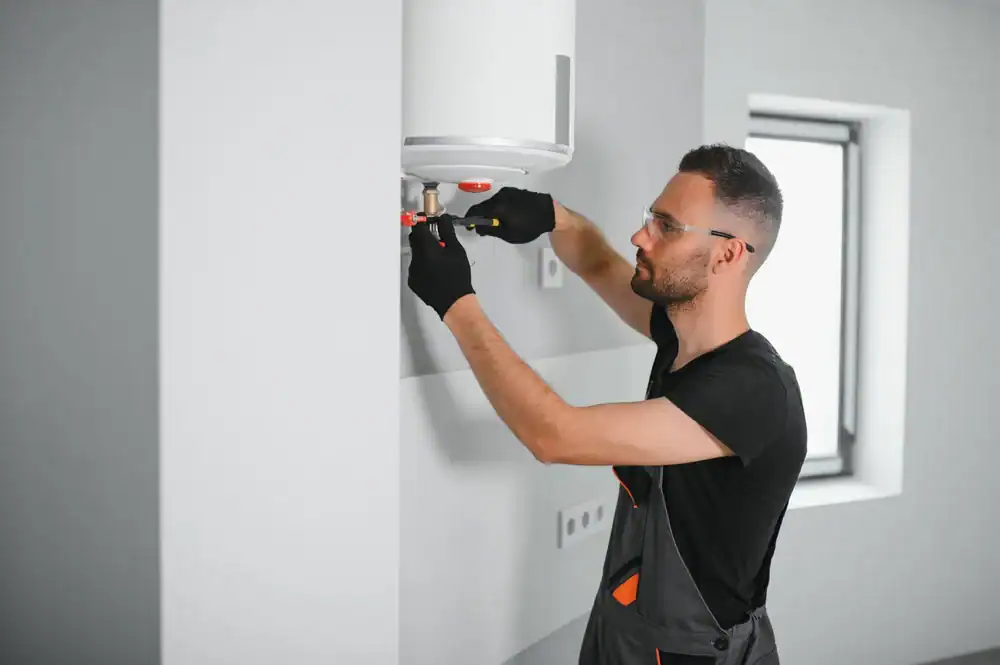
Your tankless water heater delivers hot water on demand—until it doesn’t. When you’re suddenly facing cold showers or hearing strange beeping sounds, you need answers fast. The good news is that most tankless water heater failures are preventable with proper maintenance and quick troubleshooting.
Monmouth County’s hard water accelerates mineral buildup inside tankless systems, making regular maintenance even more critical here than in other regions. This guide walks you through essential maintenance tasks, emergency troubleshooting steps, and how to recognize when professional help will save you time and money.
Tankless water heaters aren’t set-it-and-forget-it appliances. These on-demand systems heat water instantly as it flows through a heat exchanger, which means mineral deposits from your water supply accumulate directly on the heating components. In Monmouth County, where hard water contains elevated calcium and magnesium, this buildup happens faster than in soft water areas.
Just 1/8 inch of mineral scale reduces your system’s efficiency by 30%. That’s not just higher energy bills—it’s your unit working harder, wearing out faster, and heading toward an early failure. Professional maintenance costs $150 to $350 annually. Emergency water heater replacement runs $2,500 to $4,500. The math is simple.
Regular maintenance extends your tankless water heater’s lifespan from the typical 10-15 years to 20+ years. You’re protecting an investment while avoiding the inconvenience of unexpected cold showers and emergency service calls. Most manufacturers also require annual maintenance to keep warranties valid, which means skipping service could void your coverage right when you need it most.
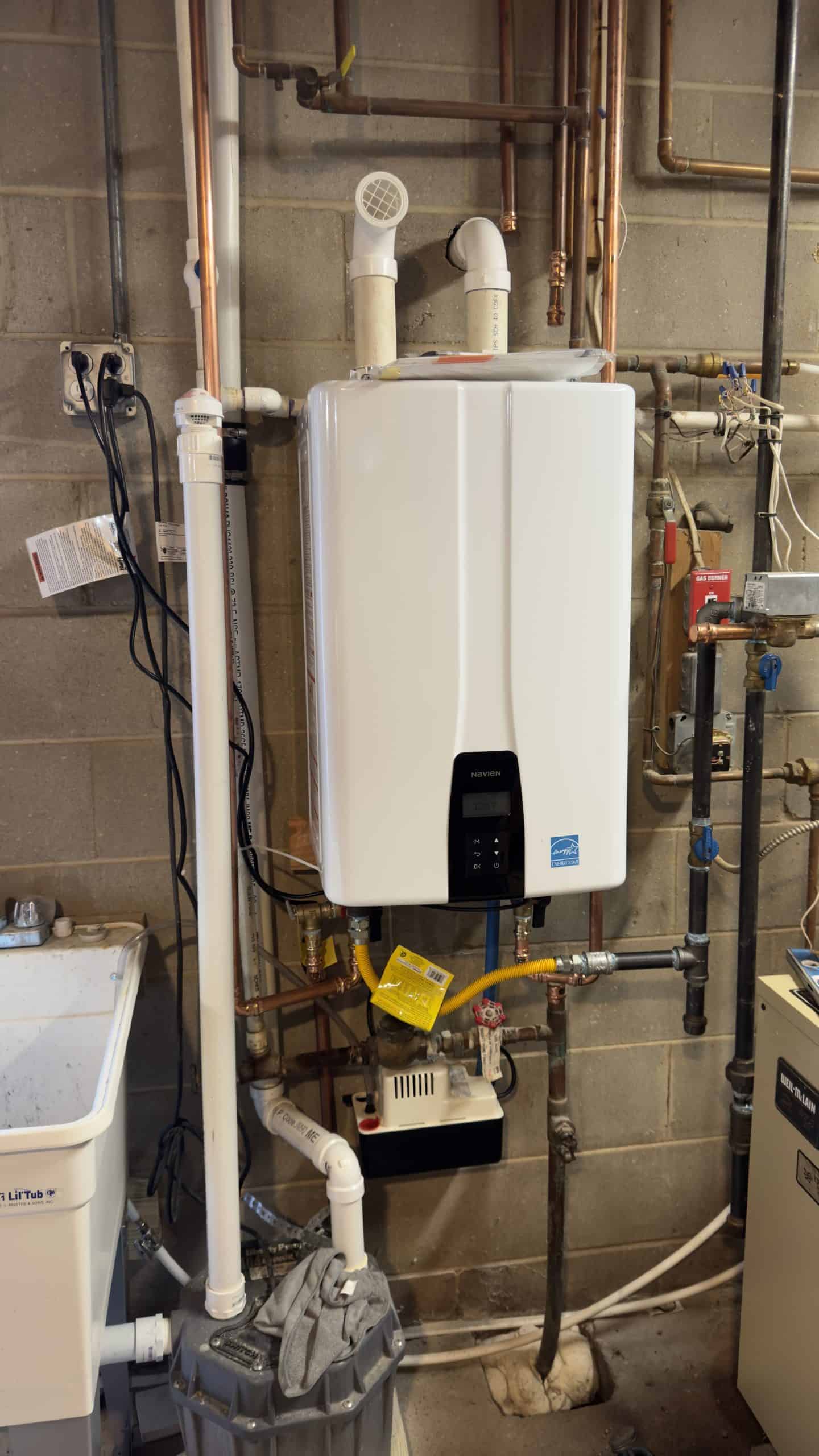
Descaling is the most critical maintenance task for tankless water heaters. This process removes mineral deposits from the heat exchanger before they cause damage or reduce performance. In Monmouth County’s hard water conditions, you’ll need descaling every 6 to 12 months rather than the standard annual service recommended for soft water areas.
The descaling process involves circulating a vinegar solution or commercial descaling agent through your system for 45 to 60 minutes. This dissolves calcium and magnesium buildup that accumulates on the heat exchanger. While DIY descaling is possible, professional service includes a complete safety inspection, leak detection, and component testing that catch potential problems before they become emergencies.
Filter cleaning is another essential task. Your tankless water heater has an inlet filter that catches sediment before it enters the system. This filter needs checking every few months and cleaning when you notice reduced water flow. A clogged filter forces your system to work harder and can trigger low-flow error codes that shut down hot water production entirely.
Annual professional inspections should include checking the venting system for blockages, testing gas connections for leaks on gas-powered units, verifying proper electrical connections on electric models, inspecting the heat exchanger for corrosion or damage, testing temperature and flow sensors, and confirming proper combustion and ignition. These comprehensive checks identify issues that homeowners typically miss during routine maintenance.
Proper maintenance also means monitoring your system’s performance between professional visits. Pay attention to temperature fluctuations, longer heat-up times, reduced water flow, unusual noises, and error codes on the display panel. These early warning signs indicate your system needs attention before it fails completely.
Maintenance frequency depends on your local water hardness, how much hot water your household uses, and your manufacturer’s specific recommendations. Monmouth County residents need to account for harder water conditions that accelerate mineral accumulation compared to national averages.
For hard water areas like most of Monmouth County—typically 7 to 10 grains per gallon—descaling every 6 to 8 months prevents damaging buildup. Very hard water exceeding 10 grains per gallon demands service every 4 to 6 months. You can test your water hardness with an inexpensive kit from any hardware store, or request a water quality report from your municipal supplier.
Household size and usage patterns also affect maintenance schedules. Large families using significant amounts of hot water daily put more stress on tankless systems and accelerate mineral accumulation. If you notice temperature inconsistencies, reduced flow, or error codes between scheduled maintenance visits, don’t wait—descale immediately regardless of your regular schedule.
Installing a whole-home water softener can reduce descaling frequency to once per year even in hard water areas. This protects not just your tankless water heater but all your plumbing fixtures and appliances. The upfront investment in water softening equipment pays for itself through reduced maintenance costs and extended appliance lifespans.
Keep detailed maintenance records. Note when you perform descaling, what issues were found, and what components were serviced or replaced. This documentation helps you identify patterns, proves warranty compliance, and provides valuable information if you sell your home. Most importantly, it helps you stay on schedule rather than guessing when your system last received service.
When hot water disappears without warning, you need to troubleshoot systematically rather than panicking. Tankless water heaters have specific requirements for operation, and understanding these helps you identify problems quickly.
Start with the basics. Check your circuit breaker for electric units or gas supply valve for gas models. Power interruptions or accidentally closed valves account for many “no hot water” calls that don’t require professional service. If you recently experienced a power outage, your system may need a simple reset.
Tankless water heaters require minimum flow rates to activate—typically 0.5 gallons per minute. If you’re trying to get hot water from a single low-flow faucet, the system may not detect enough flow to turn on. Try opening a higher-flow outlet like a shower or bathtub. Clogged faucet aerators can also restrict flow below the activation threshold.
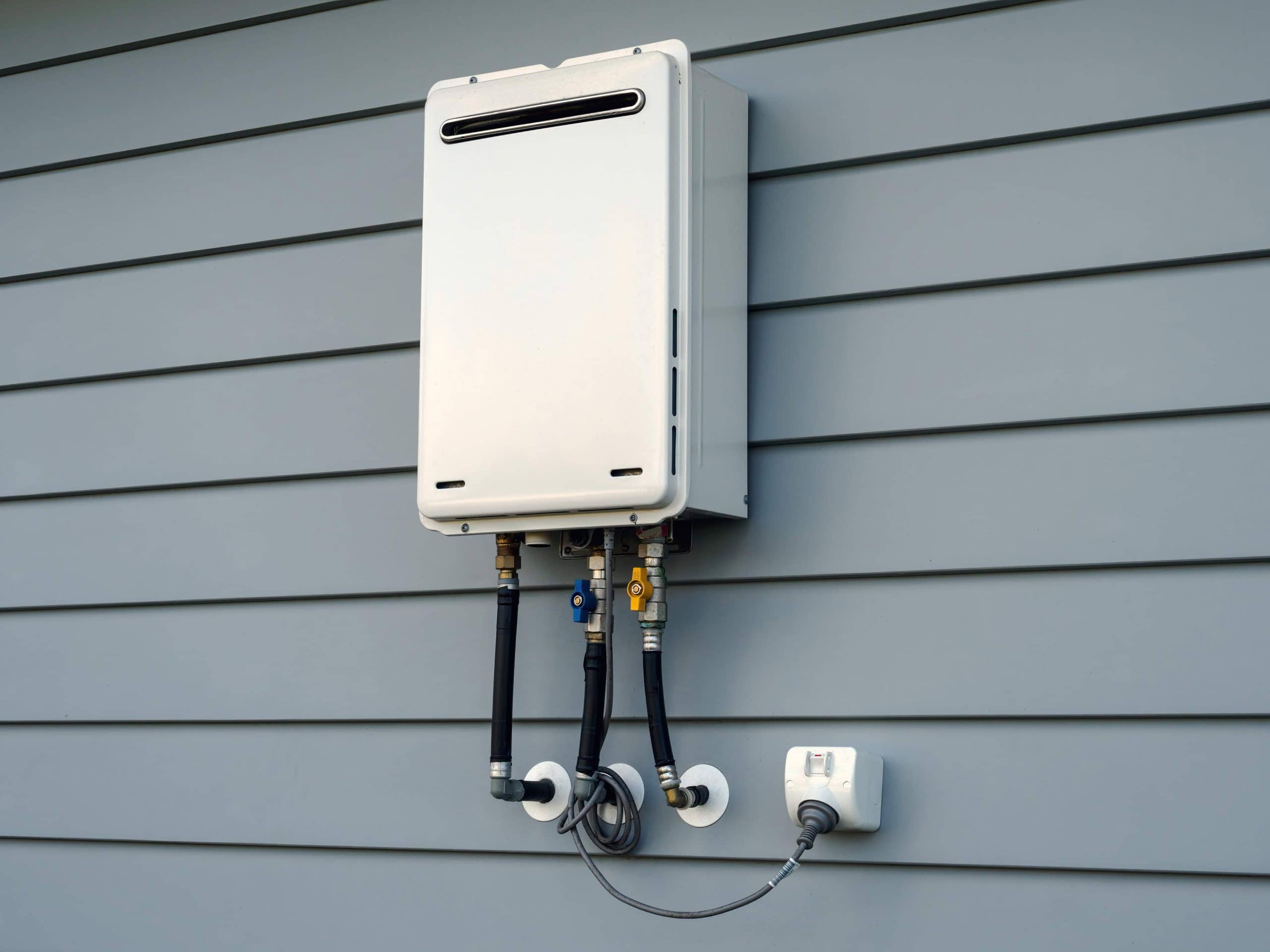
Modern tankless water heaters with electronic ignition systems won’t automatically restart after power outages. Unlike older models with standing pilot lights, these systems require electricity for their control panels, ignition systems, and safety sensors. When power returns, your unit may need a manual reset.
Start by locating your electrical panel and confirming the circuit breaker for your water heater is in the “on” position. After power outages, breakers sometimes trip during the surge when electricity returns. If the breaker has tripped, switch it completely off, wait 10 seconds, then switch it back on.
Next, check your tankless water heater’s reset button. Most units have a red reset button near the control panel or behind an access panel. Press this button firmly until you hear or feel it click. This resets the safety cutoff that may have triggered during the power interruption.
Wait 30 minutes before testing your hot water. Tankless systems need time to complete their startup sequence, prime the heat exchanger, and verify all safety systems are functioning. If you try to use hot water immediately after resetting, you may get error codes or inconsistent temperatures.
If your system still won’t produce hot water after resetting, check the display panel for error codes. These codes indicate specific problems—ignition failure, flow sensor issues, temperature sensor malfunctions, or venting problems. Your owner’s manual translates these codes, but many indicate issues requiring professional diagnosis rather than DIY fixes.
For homes that experience frequent power outages, consider installing an uninterruptible power supply or backup battery system for your tankless water heater. These devices provide temporary power during outages, allowing your system to continue operating or shut down properly rather than triggering safety lockouts that require manual resets.
When your tankless water heater runs but doesn’t deliver hot water—or delivers only lukewarm water—several specific issues could be responsible. Understanding these helps you determine whether you can resolve the problem yourself or need professional service.
Mineral buildup in the heat exchanger is the most common culprit for reduced heating performance. Scale acts as insulation between the heating element and water, preventing efficient heat transfer. If you haven’t descaled your system in over a year, or if you’ve noticed gradually decreasing water temperatures, mineral accumulation is likely the cause. This requires professional descaling to restore proper function.
Overloading your system’s capacity causes temperature problems that homeowners often misdiagnose as failures. Tankless water heaters provide 2 to 5 gallons per minute depending on the model. Running a shower, dishwasher, and washing machine simultaneously may exceed your unit’s capacity, resulting in lukewarm water or complete shutdowns. This isn’t a malfunction—it’s a capacity limitation. Stagger your hot water usage or consider installing a second unit for high-demand households.
Temperature sensor failures prevent your system from accurately monitoring water temperature, leading to inconsistent heating. These sensors tell the control board how hot the water is and whether to increase or decrease heating. When sensors malfunction, you’ll experience wild temperature swings, error codes, or water that never reaches the set temperature. Sensor replacement requires professional service.
Gas supply issues affect gas-powered tankless water heaters. Check that your gas valve is fully open—the handle should be parallel to the gas line. If you’ve recently had other gas appliances serviced, a technician may have partially closed your main gas valve. Low gas pressure from your utility company or a failing gas valve on the unit itself can also prevent proper heating. Gas-related problems always require professional diagnosis for safety reasons.
Ignition system failures on gas models prevent the burner from lighting. You may hear clicking sounds as the system attempts to ignite, but no hot water flows. This could indicate a faulty igniter, gas valve problems, or venting issues that trigger safety shutoffs. Don’t attempt to bypass safety systems—call professionals who have the tools and training to diagnose ignition problems safely.
When your tankless water heater starts beeping, it’s communicating a problem through error codes displayed on the control panel. These alerts range from minor maintenance reminders to serious safety warnings. Check your display for the specific error code, then consult your owner’s manual for the meaning.
Common beeping causes include mineral buildup triggering flow or temperature sensor errors, insufficient water flow below the minimum activation threshold, gas supply interruptions or venting blockages on gas models, overheating due to scale accumulation or thermostat malfunctions, and water leak detection sensors activating. Some codes you can address yourself—cleaning filters or increasing flow—while others require immediate professional attention.
Never ignore beeping alarms or mute them without identifying the cause. While most manufacturers allow you to silence the alarm temporarily, the underlying problem will worsen without intervention. Gas leaks, water leaks, and overheating conditions pose safety risks that demand immediate professional service.
Regular tankless water heater maintenance prevents most emergency situations. Annual descaling, filter cleaning, and professional inspections catch problems before they trigger alarms or cause failures. For Monmouth County homeowners dealing with hard water, this preventive approach is essential rather than optional.
When you need professional tankless water heater service, we at AME Plumbing Heating and Cooling provide expert maintenance, emergency repairs, and honest recommendations. Our licensed technicians understand how local water conditions affect tankless systems and deliver the service you need to keep hot water flowing reliably.
Article details:
Share:
Continue learning: