Reviews
A sewer line failure in Deal isn’t just a plumbing problem — it’s a threat to a property you’ve invested heavily in protecting. Whether your home sits along North Ocean Avenue or on one of the tree-lined blocks between the beachfront and Norwood Avenue, the ground beneath it tells a different story than what you see on the surface. Sandy coastal soil, salt-laden groundwater, and pipe that was installed when your home was first built in the 1910s or 1920s — that combination doesn’t age well.
Once a compromised line is replaced, the immediate difference is obvious: no more slow drains, no sewage odors creeping into the yard, no backups threatening finished living space. But the longer-term outcome matters just as much. A new sewer lateral — properly installed, permitted, and inspected — removes a liability that could surface during a future sale and protects a home that, in this market, is worth protecting.
For seasonal property owners who arrive from Brooklyn or Manhattan in late May expecting everything to work, a replaced line means the house is actually ready. Not a gamble. Not a “we’ll deal with it if something happens.” Just a home that functions the way it should when you need it most.
We’ve been serving Monmouth County since 2014 from our base in Manasquan, just a few miles down the same coastline as Deal. That proximity isn’t just geographic. It means we already understand what aging infrastructure looks like in shore communities, what Monmouth County’s permitting process requires, and how to work carefully around the kind of mature landscaping and established hardscaping that makes Deal properties what they are.
When you call us, you’re not routed through a regional call center. You’re talking to a locally operated, licensed, and insured team that has handled sewer work on properties similar to yours — older homes, tight lots, high-value grounds — and knows how to get it done without turning the job into a bigger disruption than the problem itself.
We provide upfront pricing with no hidden fees, a $500 discount on sewer line replacements, and financing options if you’d rather manage the cost over time than absorb it all at once.
Before we recommend anything, we run a high-definition camera through the line. This isn’t a formality — it’s the step that tells you exactly what you’re dealing with. A root intrusion that can be cleared is a very different situation from a collapsed clay section that needs full replacement, and you shouldn’t be asked to make a decision without seeing the difference for yourself.
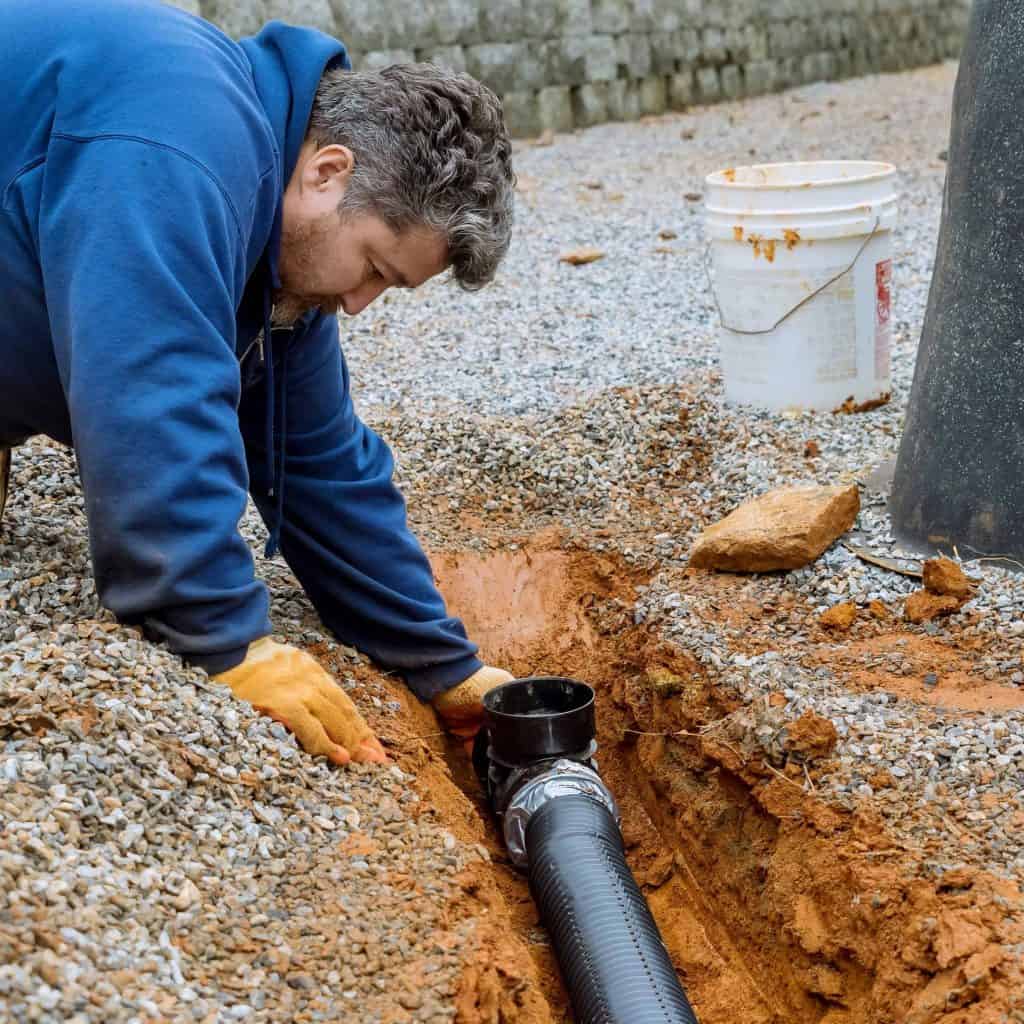
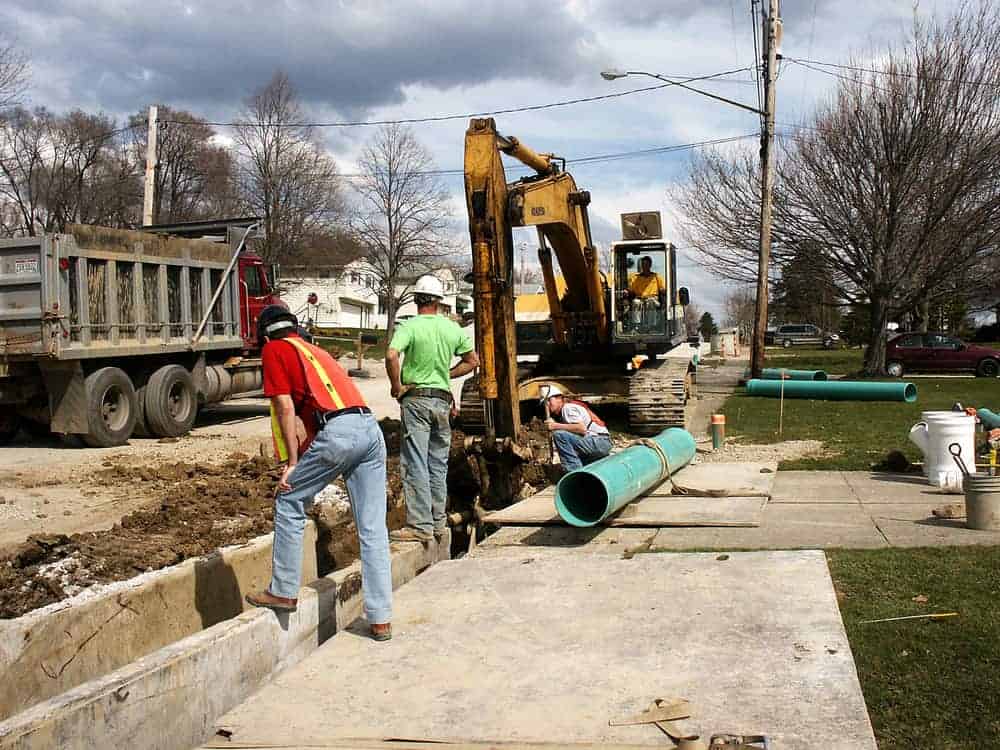
Once the scope of the problem is clear, we choose the replacement method based on what the site actually calls for. In Deal, where properties often have mature trees, paved driveways, and landscaping that took decades to establish, trenchless pipe bursting or CIPP lining is frequently the right call. Both methods replace the failed line from within, using only small access points rather than a trench running the length of your yard. For situations where open excavation is genuinely necessary, we handle that carefully and with full attention to restoring what’s disturbed.
All work is permitted through Deal Borough’s building department under New Jersey’s Uniform Construction Code, and a licensed inspection follows completion. That documentation matters — not just for compliance, but for your records if the property ever changes hands. We handle the permit process from start to finish so you don’t have to navigate it yourself.
Ready to get started?
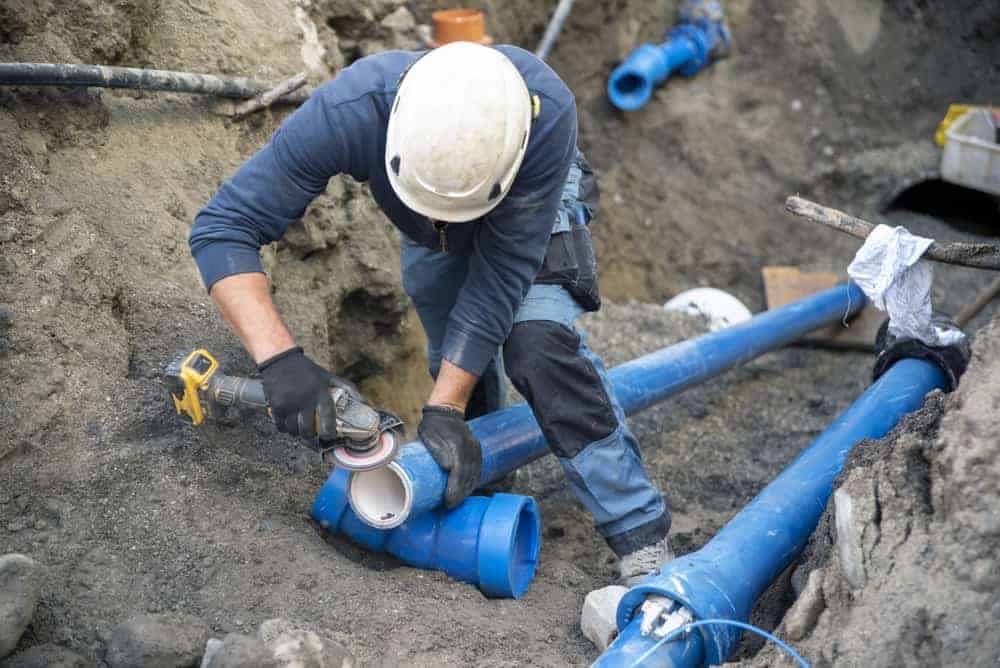
Sewer line replacement in Deal covers the full scope of what the job actually requires — not a stripped-down version that leaves you calling someone else for the parts that weren’t included. That means the camera inspection, the replacement itself using the method best suited to your property, all required permits and inspections, and cleanup when the work is done.
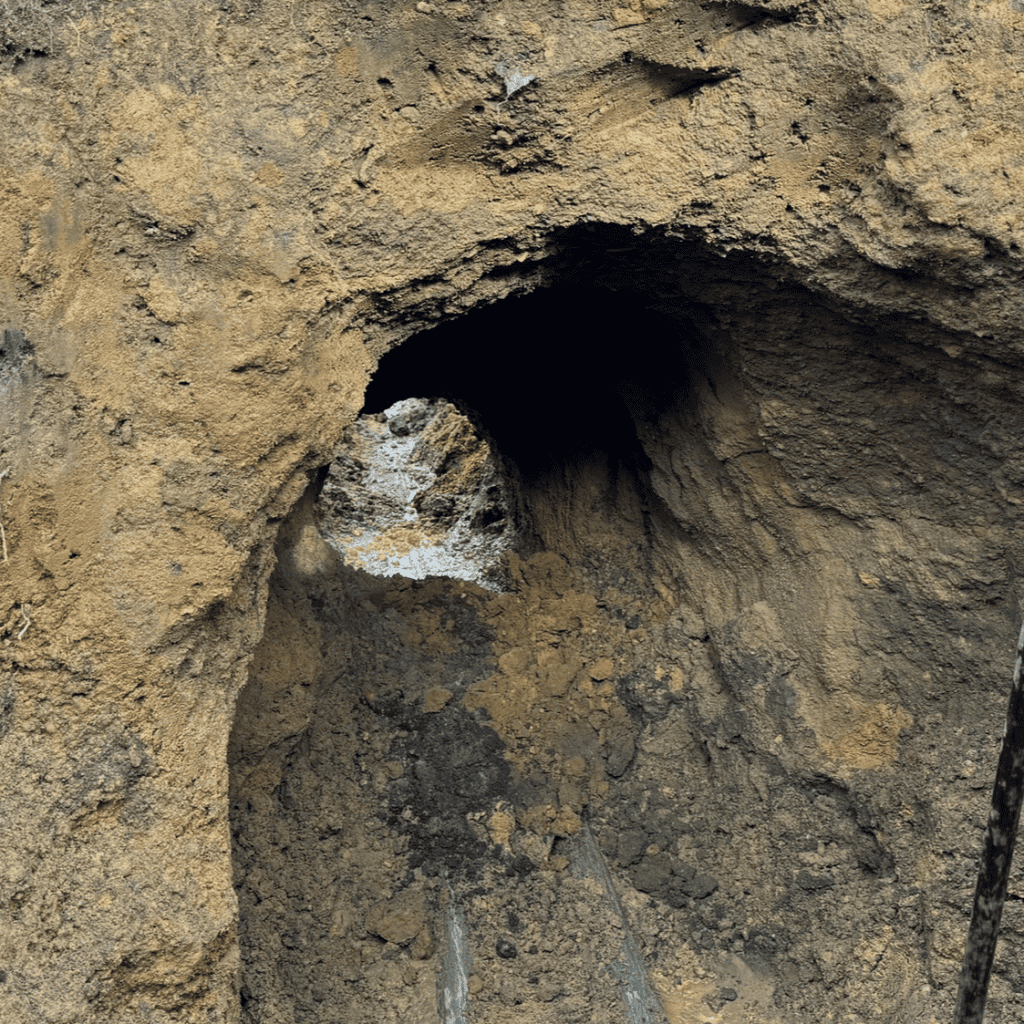
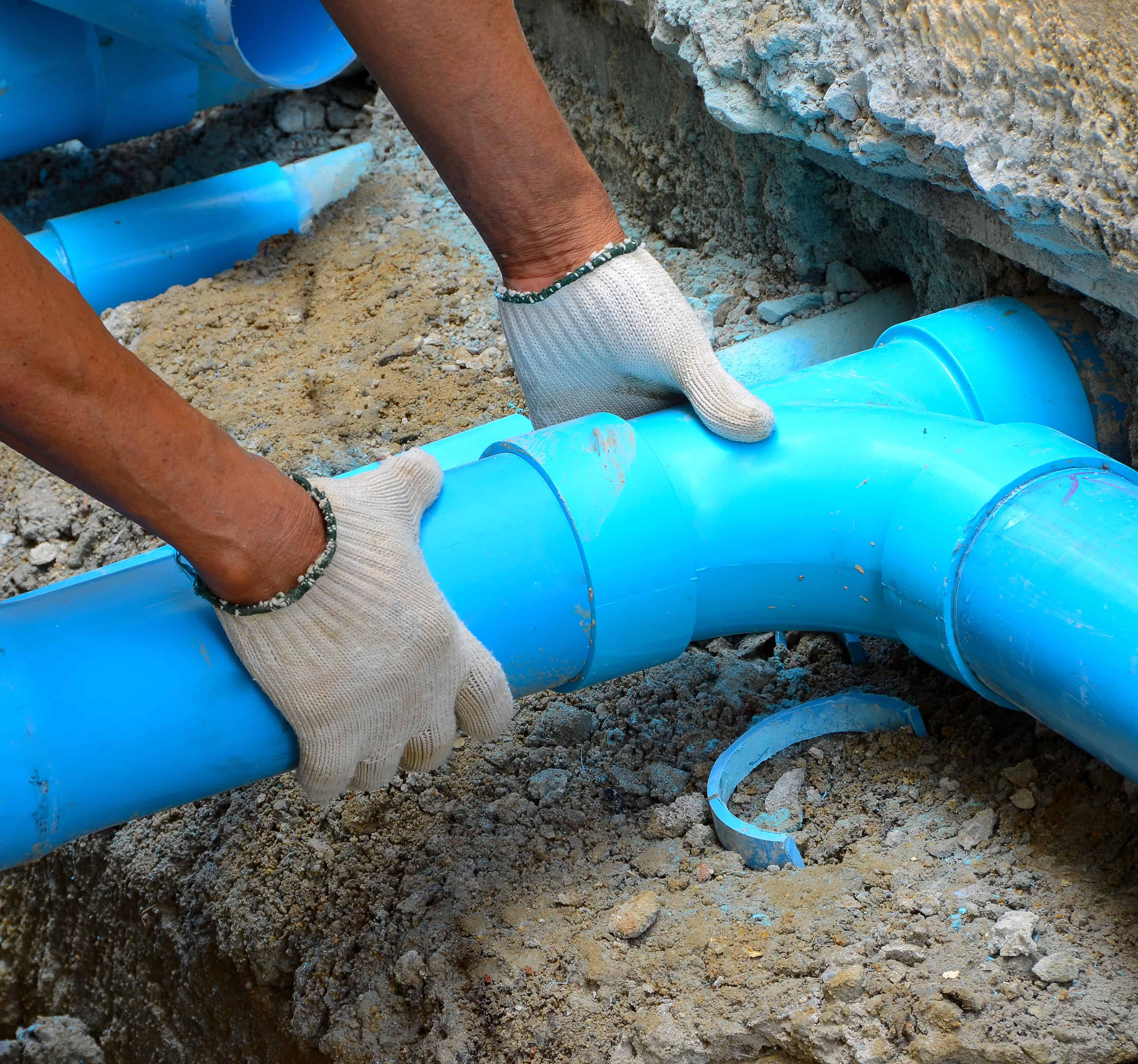
The specific conditions in Deal shape how we do this work. Clay tile pipe — the standard material in homes built along the Jersey Shore in the early 1900s — is brittle, prone to root intrusion at every joint, and loses structural integrity in the sandy, shifting coastal soil that sits beneath most of the borough. When that pipe fails, it doesn’t just need patching. It needs to be replaced with modern PVC or HDPE that can handle the load, hold its grade, and resist the groundwater conditions that accelerate corrosion in any coastal environment.
If your property is used seasonally, we can work with you on scheduling that makes sense — including completing the job before Memorial Day if you’re trying to have the house ready for summer. The $500 off sewer line replacement offer applies, and military personnel and first responders receive an additional 10% off. Financing is available for qualifying projects.
The honest answer is that you can’t know for certain without a camera inspection — and anyone who tells you otherwise before running one is guessing. That said, there are patterns worth paying attention to. If you’re dealing with recurring slow drains in multiple fixtures, sewage odors in the yard or basement, or patches of unusually green and soggy grass over where the line runs, those are signs that something is failing underground.
In Deal specifically, the age of the housing stock makes this question more urgent than it would be in a newer community. Many homes along the North Ocean Avenue corridor and the interior residential blocks were built in the early 1900s, with clay tile sewer laterals that are now pushing 90 to 110 years old. Clay pipe has an expected service life of roughly 45 to 50 years. If your home hasn’t had documented sewer work done, there’s a reasonable chance the original pipe is still in the ground — and at that age, the question isn’t really if it will fail, but when. A camera inspection gives you a clear answer so you can plan ahead instead of reacting to an emergency.
Trenchless sewer replacement is a method — actually two methods — that replaces a failed sewer line without digging a trench across your yard. Pipe bursting pulls a new pipe through the old one while simultaneously fracturing the old pipe outward. CIPP lining installs a resin-saturated liner inside the existing pipe, which cures in place and essentially creates a new pipe within the old one. Both approaches require only small access points rather than a full excavation.
For most Deal properties, trenchless is worth serious consideration — not just as a preference, but as a practical necessity. Homes on the beachfront and the interior blocks frequently have mature trees with root systems that took decades to establish, formal landscaping, paved driveways, and decorative hardscaping. Digging a trench through all of that to access a sewer line can cause damage that costs more to repair than the pipe work itself. Trenchless methods sidestep most of that disruption. Whether it’s the right choice for your specific situation depends on the condition and configuration of the existing pipe — which is exactly what the camera inspection determines before any recommendation is made.
In most cases, no — and this is one of the most common misunderstandings homeowners run into when they’re facing a sewer failure. Standard homeowners insurance policies in New Jersey typically exclude damage to underground sewer laterals. The lateral — the pipe that runs from your home to the municipal main — is your responsibility as the property owner, and most policies treat it as a maintenance issue rather than a covered loss.
Some insurers offer a sewer line endorsement or a separate service line protection policy that you can add to your existing coverage, but coverage terms vary significantly and many homeowners don’t realize they have a gap until they’re already dealing with a failure. If you’re unsure what your policy covers, it’s worth a call to your insurance agent before a problem develops rather than after. What you can control is the cost of the replacement itself — our $500 off sewer line replacement offer reduces the out-of-pocket expense, and financing is available for projects where spreading the cost over time makes more sense than a single large payment.
Yes, a permit is required. Under New Jersey’s Uniform Construction Code, sewer lateral replacement is classified as licensed plumbing work, which means it has to be permitted through Deal Borough’s building department and inspected after completion. The licensed plumber performing the work is responsible for signing and sealing the required documentation — this isn’t something a homeowner can pull themselves or skip.
The reason this matters beyond just legal compliance is what it means for your property long-term. In a real estate market where Deal homes transact anywhere from $750,000 to well over $11 million, unpermitted sewer work creates a documented liability. It can surface during a title search, fail a home inspection, or create complications with your insurance coverage. We handle the full permit process — application, inspection scheduling, and final documentation — as part of every sewer replacement job. You don’t have to track down forms or coordinate with the building department. It’s included, and when the work is done, you have a paper trail that protects the property.
For most residential sewer replacements, trenchless methods are typically completed in one to two days once work begins. Traditional open-cut excavation generally takes three to five days depending on the length of the line and site conditions. Either way, it’s not a weeks-long project — and with the right scheduling, it’s absolutely achievable before Memorial Day if that’s your deadline.
This timing question comes up constantly with Deal’s seasonal property owners. If you’re based in Brooklyn or Manhattan and planning to open the house for summer, discovering a sewer problem in April or early May still leaves enough runway to get the job done before your family arrives — but only if you move on it quickly. The longer a compromised line sits unaddressed, the higher the risk that what could have been a straightforward replacement becomes an emergency call on a Friday night in June with a full house. We can work with out-of-area property owners on scheduling and communication so the job gets handled efficiently, even if you’re not on-site for every step.
The discount exists because a sewer line replacement is one of the largest unplanned expenses a homeowner faces — and our view is that the price should reflect the work, not a markup built in to leave room for negotiation. In a community like Deal, where the housing stock is older and the infrastructure demands are real, a lot of homeowners are dealing with a problem that was never on their radar until it became urgent. The $500 off is a straightforward reduction on a job that already has significant costs attached to it.
It also reflects how we’ve built our reputation in Monmouth County. We’ve been compared directly to larger chains like Roto-Rooter and A.J. Perri by customers who got multiple quotes — and we’ve consistently come in at a fairer price for the same quality of work. In a community as tightly connected as Deal, where families who’ve owned property here for generations talk to each other, that kind of pricing track record travels. The goal isn’t a one-time transaction — it’s the kind of outcome that earns a referral to the next neighbor who needs the same work done.