Reviews
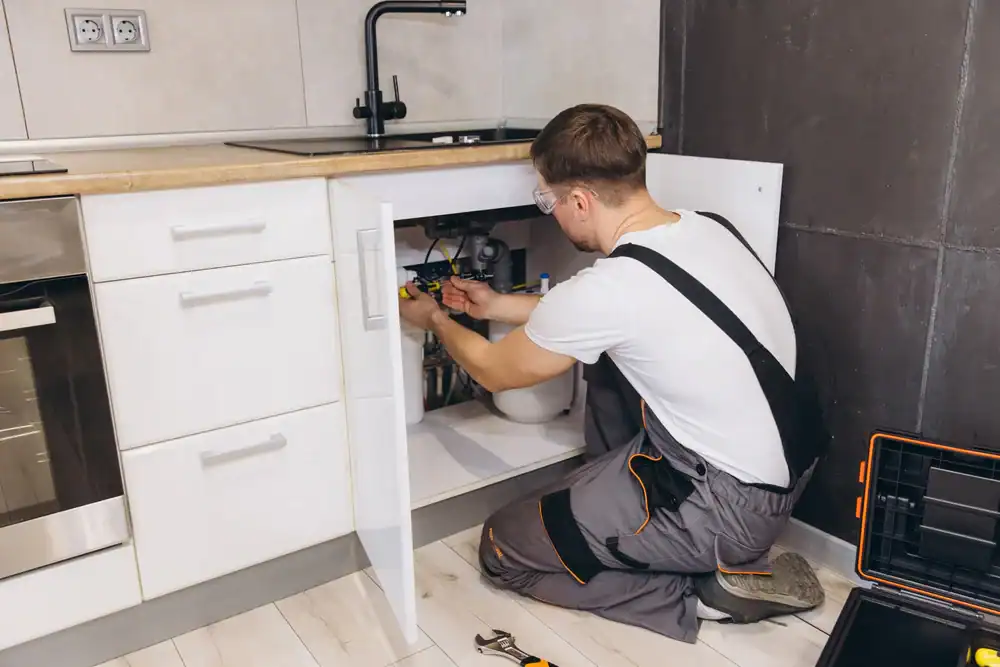
You’re not calling a plumber because everything’s going great. Something’s leaking, backing up, or completely shot—and you need it handled without the runaround.
Here’s what changes when your plumbing system actually functions the way it should. Your water pressure stays consistent when someone flushes a toilet. Your drains clear in seconds, not minutes. Your water heater delivers hot water for the entire shower, not just the first five minutes.
You stop wondering if that slow drain is about to become a real problem. You’re not dealing with surprise floods at 2 a.m. because a pipe finally gave out. And you’re definitely not paying emergency rates because a small issue turned into a big one while you waited.
When your plumbing works right, your home just works. You’re not constantly checking under sinks or listening for strange sounds from the basement. That’s the difference between reactive panic and actual peace of mind.
We operate right here in Monmouth County. We’re licensed, insured, and we’ve seen what aging infrastructure does to homes in this area—especially the older neighborhoods where cast iron and clay pipes are still common.
Eatontown sits in an area where shifting soil and freeze-thaw cycles create real problems for underground lines. Add in the iron-rich water supply that clogs fixtures faster than most places, and you’ve got a recipe for recurring issues if they’re not handled correctly the first time.
We’re not the cheapest option, and that’s intentional. You’re paying for plumbers who show up when they say they will, explain what’s actually wrong before touching anything, and use materials that last longer than the warranty period. That matters more when it’s 11 p.m. and your basement’s flooding.

You call or submit a request online. If it’s an emergency, we’re dispatching someone immediately. If it’s scheduled work, we’re finding a time that doesn’t require you to take a full day off.
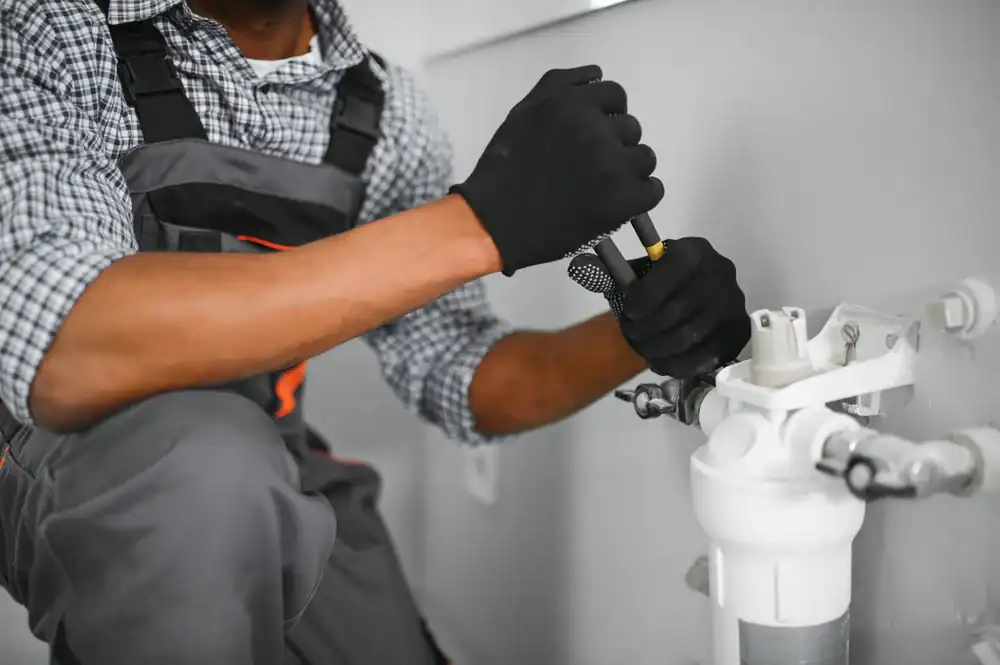
When our plumber arrives, the first step is always diagnosis. We’re not guessing or throwing parts at the problem. We’re using cameras for drain lines, pressure tests for leaks, and actual inspection to figure out what’s failing and why.
Before any work starts, you get a price. Not an estimate that balloons later—a real number based on what the job actually requires. If you approve it, we move forward. If you don’t, you’re not paying for the visit on emergency calls.
The work gets done with the right tools and materials, not whatever’s on the truck. We’re cleaning up after ourselves, testing everything before we leave, and making sure you understand what was done and what to watch for going forward. If something’s not right, we’re coming back to fix it.
Ready to get started?
Burst pipe repair is one of the most common emergency calls we get in Eatontown, especially during winter. Frozen pipes crack, old joints fail, and suddenly you’re dealing with water damage. We’re locating the break, replacing the damaged section, and checking the rest of the line to prevent another failure next week.
Drain cleaning goes beyond snaking a clog. If your drains are slow, there’s a reason—and it’s usually buildup from that iron-heavy water supply Monmouth County deals with. We’re using hydrojetting to clear the entire line, not just punch a hole through the blockage. That means months of clear drainage, not days.
Water heater repair and replacement is straightforward until it’s not. If your unit’s over ten years old and failing, replacement usually makes more sense than repair. If it’s newer, we’re diagnosing the actual issue—thermostat, heating element, sediment buildup—and fixing what’s broken. You’re getting hot water back without replacing a whole system unnecessarily.
Gas line work and water line replacement require licensed professionals, period. Monmouth County’s aging infrastructure means sewer and water lines fail more often than they should. We’re handling permits, excavation, replacement, and inspection so you’re not dealing with the township or risking a botched repair.

Emergency plumbing typically runs 1.5 to 2 times the standard rate because you’re paying for immediate availability, not next-week scheduling. In Eatontown, that usually means $225 to $500 for smaller emergencies like a burst supply line or backed-up drain.
Larger emergencies—sewer line backups, water heater failures, or extensive leak damage—can run $500 to $1,000 or more depending on what’s required to stop the problem and prevent further damage. The price includes after-hours availability, rapid response, and getting your home functional again, not just patching it until business hours.
We give you the price before starting work, even on emergencies. If it’s going to cost more than expected, you’ll know why and what the alternative options are. Most homeowners find that paying emergency rates once is cheaper than dealing with water damage from waiting until morning.
For true emergencies—active leaks, burst pipes, no water, or sewer backups—we’re typically on-site within 60 to 90 minutes. That’s for calls within Eatontown and the immediate Monmouth County area during our 24/7 emergency availability.
Scheduled service calls usually happen within 24 to 48 hours, depending on current demand and your availability. We’re not making you wait a week for a leaking faucet or running toilet, but we’re also not calling those emergencies unless they’re causing active damage.
Response time matters most when water’s actively damaging your home. Every minute counts when a pipe bursts or your water heater fails. That’s why we keep trucks ready and plumbers on call around the clock, not just during business hours when most companies operate.
Freeze-thaw cycles are the biggest culprit in New Jersey. Water freezes inside the pipe, expands, and cracks the material. When it thaws, you’ve got a leak or full break. This happens most often in exterior walls, crawl spaces, and unheated areas where pipes aren’t insulated properly.
Aging infrastructure is the second major cause, especially in older Eatontown neighborhoods. Cast iron and galvanized steel pipes corrode from the inside out. Monmouth County’s iron-rich water accelerates this process. Eventually the pipe wall gets thin enough that normal water pressure causes a failure.
Shifting soil creates stress on underground lines. The ground moves with temperature changes and moisture levels, putting pressure on rigid pipes until joints separate or the pipe cracks. This is particularly common with older clay sewer lines that weren’t designed for the ground movement we see in this area.
If your water heater is under eight years old and the problem is a failed component—thermostat, heating element, pressure valve—repair usually makes sense. These parts are relatively inexpensive and the unit still has useful life remaining.
If it’s over ten years old, replacement typically makes more financial sense than repair. Water heaters have a practical lifespan of 8 to 12 years in Monmouth County due to our hard water. At that age, you’re likely to face multiple component failures in quick succession, meaning you’ll pay for repairs repeatedly before eventually replacing it anyway.
Leaking tanks always require replacement, regardless of age. Once the tank itself corrodes through, there’s no repair option. If you’re seeing water pooling around the base or rust stains on the tank, you’re looking at replacement. The good news is modern units are more efficient, so your energy costs usually drop even though you’re buying new equipment.
Slow drains throughout your home usually mean buildup in the main line, not individual fixture problems. If multiple sinks, showers, or toilets are draining slowly at the same time, you’re dealing with a main line issue that needs professional cleaning—typically hydrojetting to clear years of accumulated debris.
A single slow drain is usually isolated to that fixture or the branch line serving it. This might only need snaking or minor cleaning. But if that one drain keeps clogging every few weeks even after cleaning, there’s likely a bigger problem—a belly in the line, root intrusion, or pipe damage that’s catching debris.
Gurgling sounds, sewage odors, or water backing up into other fixtures when you use a drain means you’re past the cleaning stage. These symptoms indicate a blockage serious enough to cause pressure issues in your drainage system, or actual pipe damage. At that point you need camera inspection to see what’s happening inside the line before deciding on cleaning versus repair.
Sewer line failures top the list for homes built before 1980. Clay pipes crack from ground movement and root intrusion. Cast iron corrodes from the inside out. These lines weren’t designed to last 50-plus years, but that’s exactly what we’re asking them to do. Most older homes in Eatontown will need sewer line work at some point.
Galvanized steel supply pipes are the second major issue. These pipes corrode internally, reducing water pressure and contaminating your water supply with rust and sediment. If your home still has galvanized plumbing and you’re experiencing low pressure or discolored water, replacement is the only real solution.
Outdated fixtures and shutoff valves cause ongoing problems in older homes. Valves seize up from decades of inactivity, making it impossible to shut off water during an emergency. Fixtures develop leaks that waste hundreds of gallons monthly. Upgrading these components during other plumbing work prevents future emergencies and reduces your water bill significantly.