


Reviews
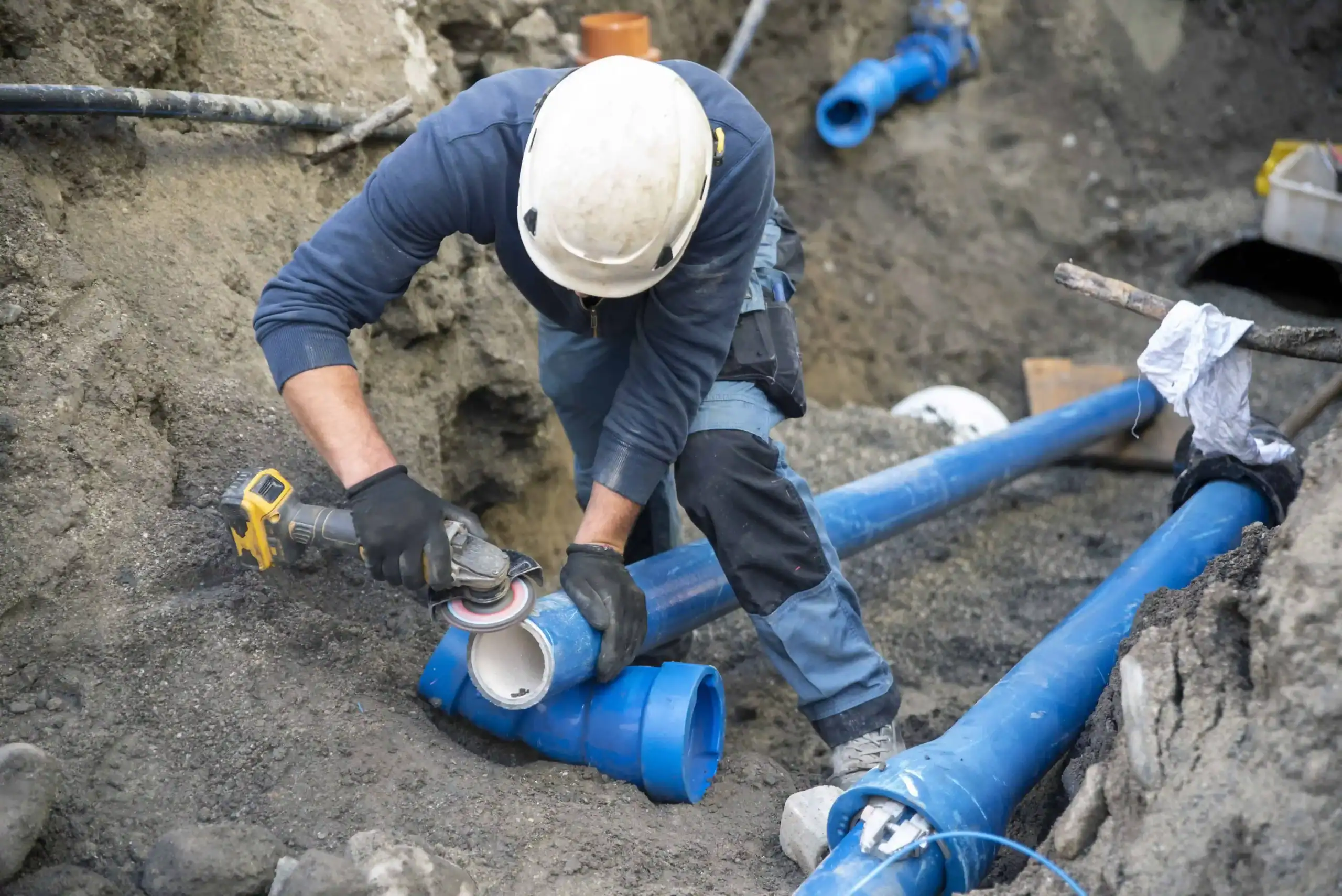
A plumbing problem in Brick isn’t just an inconvenience. With an average elevation of 16 feet and over 53 miles of waterfront, this township doesn’t give you much margin for a slow drain, a failing sump pump, or a pipe that’s been patched one too many times. When something gives out here, it tends to give out fast — and the water has nowhere to go.
Getting it fixed correctly the first time means you’re not dealing with the same issue three months from now. It means your basement stays dry when a nor’easter rolls through. It means your water heater isn’t working overtime against the hard water sediment that builds up in Brick’s supply lines and quietly shortens its lifespan year after year.
For homeowners in Greenbriar, Lions Head, and the bayfront communities along the Metedeconk River, a lot of these homes are carrying original plumbing from the 1970s. That infrastructure is at or past the end of its useful life. Catching it before it fails — rather than after — is the difference between a planned repair and an emergency call at midnight.
We’re based in Manasquan — right on the other side of the county line from Brick. That’s not a footnote. It means our technicians drive Route 88 and Route 35 through Brick regularly. We know what post-Sandy elevated homes look like from the inside. We know what hard water does to a water heater over a Brick winter. We’re not learning your area on your dime.
We’ve been operating since 2014 — over a decade of licensed, insured work across Monmouth and Ocean County. We’re fully licensed under the NJ State Board of Examiners of Master Plumbers, which you can verify directly through the NJ Division of Consumer Affairs. That matters in a state where unlicensed contractor complaints are filed every single day.
Every job starts with a clear price before any work begins. No vague estimates. No bill that looks different from the quote. That’s our standard, not the exception.
When you call us, you’re not navigating a call center. You reach someone who can actually schedule your appointment, answer your question, or dispatch an emergency technician — depending on what you’re dealing with. For urgent situations in Brick, the response time runs about an hour. For scheduled work, we’ll confirm your appointment window and show up when we say we will.
Once a technician arrives, the first thing that happens is a real assessment of the problem — not a sales pitch. We look at what’s actually going on, whether that’s a visible leak, a backed-up drain, a water heater showing signs of sediment buildup, or a sump pump that’s been running harder than it should. In Brick, that assessment often involves checking the broader system, because one failing component in a 1970s-era home usually isn’t the only one under stress.
From there, you get a clear price before anything is touched. If the job requires a permit — which Brick Township does require for certain plumbing work, including fixture installations and water heater replacements — we handle that process. You don’t have to figure out the Brick Township Building Department on your own. The work gets done, it gets done to code, and you’re not left wondering what happened or what it cost.
Ready to get started?
We cover the full range of residential plumbing — drain cleaning, leak detection, pipe repair and replacement, water heater installation, sewer line repair, sump pump service, fixture upgrades, and gas line work. If it involves your home’s plumbing system, it’s on the list. For Brick homeowners specifically, a few of these services come up more than others.
Sump pump calls spike every time a storm system moves through and the bay starts pushing water inland. Water heater replacements are more frequent here than in most NJ markets because of the hard water sediment issue — the Brick Township Municipal Utilities Authority draws from multiple aquifer sources, and the mineral content accelerates wear on water heater tanks faster than homeowners expect. Right now, we’re offering $100 off new water heater installations, $250 off water and sewer line repairs, and $500 off full line replacements. Military personnel and first responders — including the many healthcare workers at Ocean University Medical Center — receive 10% off. Financing at 0% is also available for larger jobs, which makes a sewer line replacement or full repipe a lot more manageable on a fixed income.
For homes in Brick’s bayfront and barrier peninsula areas, our experience with post-Sandy elevated home configurations means we’re not guessing when we encounter a modified mechanical layout. We’ve seen it, and we know how to work with it.

If your home was built in the late 1960s or 1970s — which describes a large portion of Brick’s active adult communities like Greenbriar and Lions Head — the original plumbing is likely galvanized steel drain lines and early copper supply lines. Galvanized steel corrodes from the inside out over time, which means the outside of the pipe can look fine while the interior is significantly restricted or failing. Signs to watch for include low water pressure throughout the house, discolored water when you first run a tap, recurring drain clogs in multiple fixtures at once, or visible rust staining around pipe joints in the basement or utility area.
We can run a camera inspection through your drain lines to get a clear picture of what’s actually happening inside the pipes. That’s a much better starting point than guessing based on age alone. Some homes will need a full repipe; others may need targeted section replacements. The honest answer depends on what the inspection shows — not a blanket recommendation based on how old the house is.
Brick’s geography is the main factor here. With an average elevation of just 16 feet and significant waterfront exposure along Barnegat Bay and the Metedeconk River, the water table in many parts of the township rises quickly when heavy rain or tidal surge hits. That puts an enormous amount of demand on sump pumps in a very short window — and pumps that haven’t been tested or maintained recently often can’t keep up.
The most common failure points are a float switch that sticks or malfunctions, a pump motor that burns out from running continuously, or a discharge line that freezes or becomes obstructed. Power outages during nor’easters are also a major issue — if your sump pump doesn’t have a battery backup, it stops working exactly when you need it most. A battery backup unit is worth serious consideration for any Brick home in a flood-prone area, especially in the bayfront communities where Route 35 has been closed due to flooding in the past.
This is a common frustration in Brick, and the short answer is hard water. The Brick Township Municipal Utilities Authority draws from several sources including the Metedeconk River and multiple aquifer systems, and the mineral content in the water supply leads to sediment buildup inside the tank faster than most homeowners realize. That sediment layer sits at the bottom of the tank, forces the heating element to work harder, and shortens the unit’s lifespan — sometimes by several years.
The fix isn’t necessarily a new water heater. Regular flushing of the tank — ideally once a year — removes the sediment buildup before it becomes a serious problem. If you’re already hearing popping or rumbling sounds when the water heater runs, that’s the sediment layer cooking. At that point, flushing may help extend the life of the unit, but if it’s already 10 or more years old, a replacement is often the more practical call. We currently offer $100 off new water heater installations, which helps offset the upfront cost.
Yes, for most work beyond basic fixture repairs. Brick Township requires building permits for plumbing jobs that involve installing or replacing fixtures, appliances, or connections to the water and sewer system. Water heater replacements, sewer line work, and new fixture installations all fall under this requirement. Permit fees are set by the township’s Construction Fee Ordinance and are based on the number of fixtures or appliances involved — for example, a water heater installation in an existing structure has a specific fee tied to the mechanical subcode schedule.
The reason this matters to you as a homeowner is that unpermitted plumbing work can create real problems when you go to sell the house or file an insurance claim. If a licensed plumber pulls the permit and the work is inspected, you have documentation that everything was done to code. We handle the permit process as part of the job — you don’t have to navigate the Brick Township Building Department on your own or figure out which forms are required.
We offer 24/7 emergency service with a response time of approximately one hour. That’s not a call center that takes a message and promises a callback — it’s a real technician dispatched to your address. For Brick homeowners, especially those in bayfront communities or low-lying areas near the Metedeconk River, that response window matters. A burst pipe, a sump pump that gives out at 2am during a storm, or a water heater that fails on a January night isn’t something you want to manage with a next-day appointment.
When you call for an emergency, be ready to describe what you’re seeing — where the water is coming from, whether you’ve been able to shut off the main supply valve, and whether there’s any visible damage to walls or flooring. That information helps the technician arrive prepared. If you’re not sure where your main shutoff is, that’s also worth asking when you call — knowing how to stop the flow before the technician arrives can significantly reduce the damage.
Yes — we offer 10% off for military personnel and first responders. Brick has a strong military and public service community, and Ocean University Medical Center is one of the township’s largest employers, meaning a significant number of Brick residents work in healthcare and emergency services. The discount applies to those workers as well, not just traditional first responders.
Beyond the first responder discount, we currently have several other active offers: $250 off water and sewer line repairs, $500 off water and sewer line replacements, and $100 off new water heater installations. For larger jobs — a full sewer line replacement, a whole-home repipe, or a major drain overhaul — 0% financing is also available. That option is particularly useful for homeowners managing a fixed income who need serious work done but don’t want to absorb the full cost upfront. All of these are straightforward offers with no complicated conditions attached.