Reviews
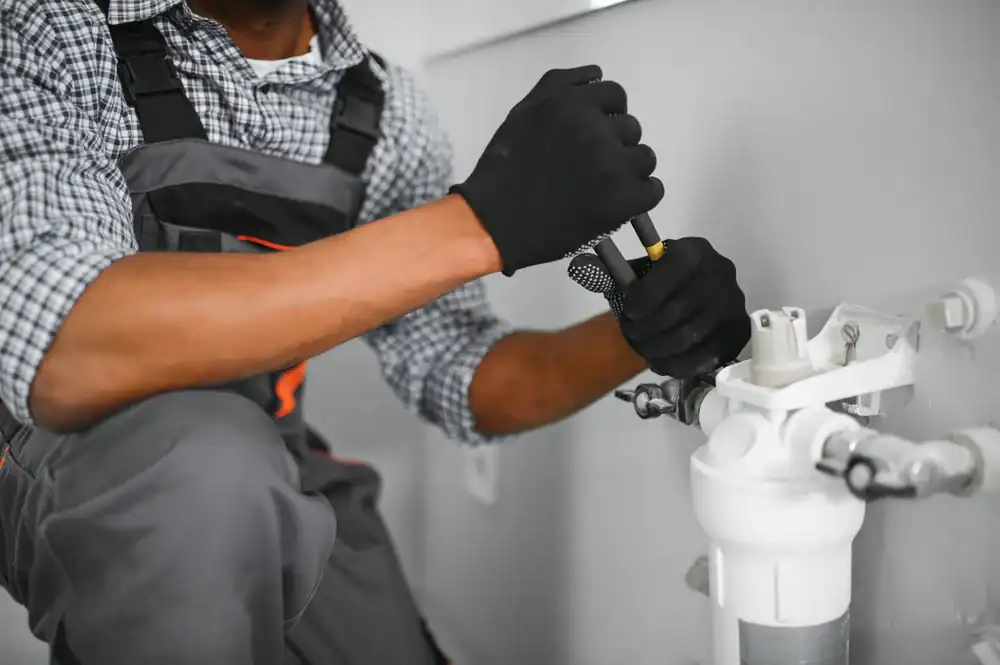
Your water bill stops climbing from that leak you couldn’t find. Your basement stays dry when the sewer line backs up. Your shower runs hot again without waiting twenty minutes.
That’s what working plumbing does. It removes the constant low-grade stress of wondering when something’s going to break, or how much worse it’ll get before you deal with it.
When you call an emergency plumber in Allentown at 2 AM because a pipe burst, you’re not just fixing the pipe. You’re stopping water damage that could cost thousands more if it spreads. You’re getting back to sleep knowing someone licensed and insured is handling it right—not some guy who might show up tomorrow, maybe.
The difference between a quick fix and a real repair is whether you’re calling again in six months. We use quality materials, follow New Jersey codes, and explain what we’re doing so you understand what you’re paying for. Most plumbing problems don’t fix themselves. They get worse, cost more, and disrupt your life until someone handles them properly.
AME Plumbing Heating and Cooling is a family-owned plumbing company serving Monmouth County for over a decade. Every plumber on our team is licensed and insured to work in New Jersey, which matters more than most people realize until something goes wrong.
Allentown’s mix of older homes and newer construction means we see everything—original copper lines that finally gave out, galvanized steel that should’ve been replaced years ago, and modern PEX installations done wrong by someone’s brother-in-law. We know what fails in this area because we’ve fixed it hundreds of times.
We’re available 24/7 for emergencies because plumbing disasters don’t wait for business hours. And we give you upfront pricing before we start, so you can decide if the repair makes sense without pressure or surprise charges showing up later.

You call or contact us online, describe what’s happening, and we get someone to your property. For emergencies, that’s typically within 30 minutes to 2 hours depending on where you are in Allentown and what else is happening that day.
When we arrive, we diagnose the actual problem—not just the symptom. A running toilet might be a flapper valve, or it could be a crack in the tank. A slow drain might need snaking, or you might have a sewer line issue that’ll keep coming back until it’s addressed properly.
Once we know what’s wrong, we explain it in plain terms and give you the price. If you approve, we do the work. We don’t start and then tell you it’ll cost more because we “found something else.” That’s not how this should work.
After the repair, we test everything, clean up the workspace, and make sure you understand what we did and what to watch for going forward. If it’s under warranty and something goes wrong, we come back and make it right. You get documentation for your records, which matters if you ever need it for insurance or property management.
Ready to get started?
We handle drain cleaning, water heater repair and replacement, burst pipe repair, sewer line work, leak detection, fixture installation, and full system diagnostics. If water or waste moves through your property, we can fix it.
In Allentown and Monmouth County, frozen pipes are a real problem every winter. When temperatures drop and pipes aren’t insulated properly, they burst—usually at the worst possible time. We respond fast because every minute counts when water’s pouring into your walls or basement.
Water heaters fail more often than people expect, especially units over ten years old. If yours is making noise, leaking, or not heating water consistently, waiting won’t help. We install new units that meet current New Jersey code requirements, including the mixing valves that are now mandatory for safety and insurance compliance.
Sewer line issues are another common problem here. Tree roots, aging clay pipes, and ground shifts cause backups that won’t clear with a basic snake. We use camera inspections to see exactly what’s happening underground, so you’re not guessing about whether you need a repair or a full replacement. Right now we’re offering $250 off sewer line repairs and $500 off replacements, plus $100 off new water heater installations.

We’re available 24/7 for plumbing emergencies in Allentown, and response time typically ranges from 30 minutes to 2 hours depending on your exact location and what else is happening. If you’re dealing with a burst pipe, major leak, or sewer backup, every minute matters.
When you call, we’ll ask a few quick questions to understand the situation and get someone dispatched immediately. We don’t make you wait until morning or the next available appointment slot when water’s actively damaging your property.
For non-emergency work like fixture installations or routine maintenance, we schedule at a time that works for you. But if it’s urgent—if something’s broken and causing damage or making your home unlivable—we treat it like the emergency it is.
Shut off your main water supply immediately. It’s usually near where the water line enters your home—often in the basement, crawl space, or near the water heater. Turn the valve clockwise until it stops.
If you can’t find the main shutoff or it’s not working, look for the shutoff valve closest to the burst pipe and close that. Every fixture should have its own shutoff valve nearby.
Once the water’s off, move anything valuable away from the leak and try to contain the water with towels or buckets if possible. Don’t try to repair the pipe yourself with tape or clamps—those are temporary at best and usually fail quickly. Take photos of the damage for your insurance company if needed. Then wait for us to arrive and handle the repair properly so it doesn’t happen again.
Most plumbing work in this area runs between $100 and $200 per hour depending on the complexity and timing. Emergency calls after hours typically cost more—around $150 per hour plus a trip fee between $100 and $350.
But hourly rates don’t tell the whole story. What matters more is the total cost for your specific job, which depends on what’s actually wrong and what it takes to fix it right.
That’s why we give you upfront pricing before we start. We diagnose the problem, explain what needs to happen, and tell you the total cost. No surprises, no “we found something else” charges that double your bill halfway through. You decide if the price makes sense, and then we either do the work or we don’t. We also offer 0% financing options if you need to spread out the cost, plus discounts for military personnel and first responders.
Simple stuff like replacing a faucet aerator or tightening a loose connection? You can probably handle that. But anything involving pipes inside walls, sewer lines, gas lines, or water heater work needs a licensed plumber in New Jersey.
It’s not just about skill—it’s about code compliance, insurance, and liability. If you do plumbing work yourself and something goes wrong, your homeowner’s insurance might not cover the damage. If you sell your home later, unpermitted work can kill the deal or force you to pay for repairs.
Licensed plumbers know current New Jersey building codes, which change periodically. We pull permits when required, and our work is inspected to make sure it’s done safely and legally. That matters if you ever have a claim, sell your property, or just want to know the repair was done right. DIY videos make it look easy, but they don’t show you the jobs that went wrong and caused thousands in additional damage.
A sudden spike in your water bill usually means you have a leak somewhere. It might be obvious—like a running toilet or dripping faucet—or hidden inside a wall or underground.
Toilets are common culprits. A worn flapper valve can let hundreds of gallons run into the bowl every day without you noticing. You’ll hear it refilling randomly, or you might not hear anything at all if the leak is slow.
Check your water meter before bed, don’t use any water overnight, and check it again in the morning. If the numbers changed, water’s going somewhere. We use leak detection equipment to find hidden leaks without tearing apart your walls unnecessarily. The longer a leak runs, the more it costs you—and the more damage it can cause. Most people are shocked when they find out a small leak has been costing them $50+ extra per month for who knows how long.
If your water heater is over 10 years old and showing problems, replacement usually makes more sense than repair. Older units lose efficiency, cost more to operate, and are more likely to fail completely—often at the worst possible time.
Signs you need a new water heater include inconsistent water temperature, strange noises like popping or rumbling, visible rust or corrosion on the tank, water pooling around the base, or cloudy or rust-colored hot water. Any of those mean the unit is failing.
For newer water heaters under 7 years old, repairs might be worth it depending on what’s wrong. A faulty heating element or thermostat is relatively inexpensive to replace. But if the tank itself is leaking or corroded, there’s no fixing that—you need a new unit. We’ll inspect your current water heater, tell you honestly whether repair or replacement makes sense, and explain why. New water heaters also need to meet updated New Jersey code requirements including mixing valves, so installation isn’t just swapping out the old unit.