Request a callback:
The faucet dripping in the bathroom started three weeks ago. Now the water pressure seems lower throughout the house. Small issues like these often point to bigger problems hiding inside your walls or underground. Our local plumbers know how to trace symptoms back to their source and address the real cause, not just the obvious signs.
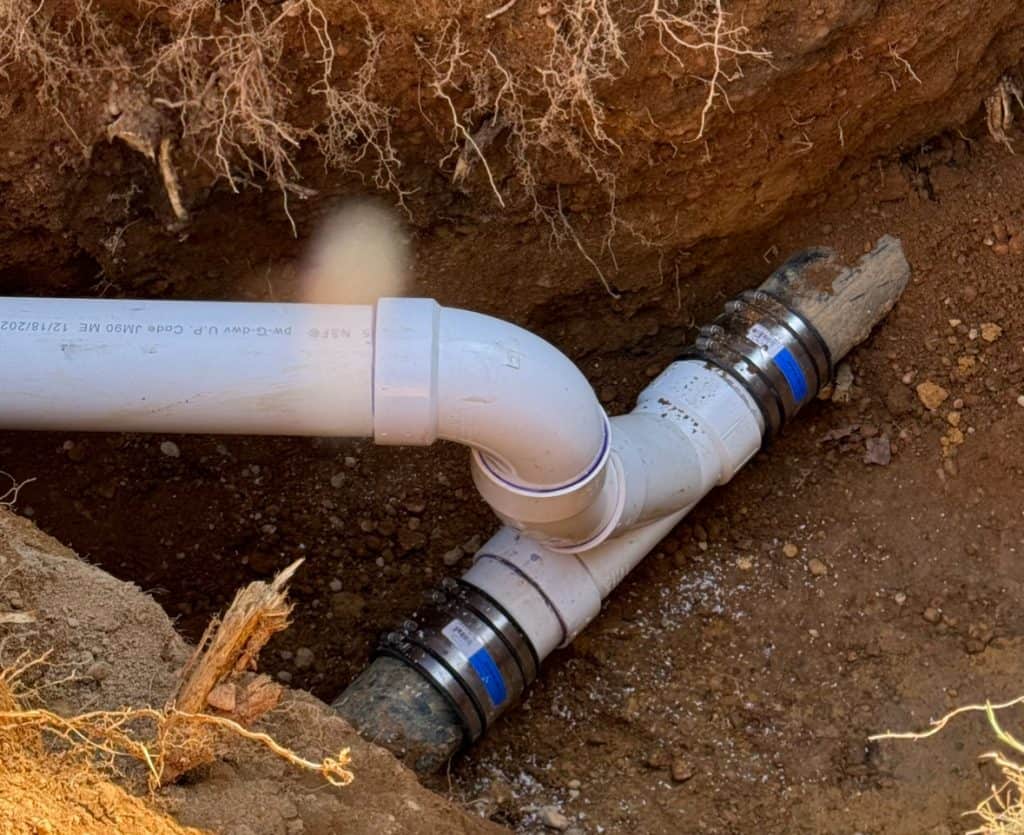
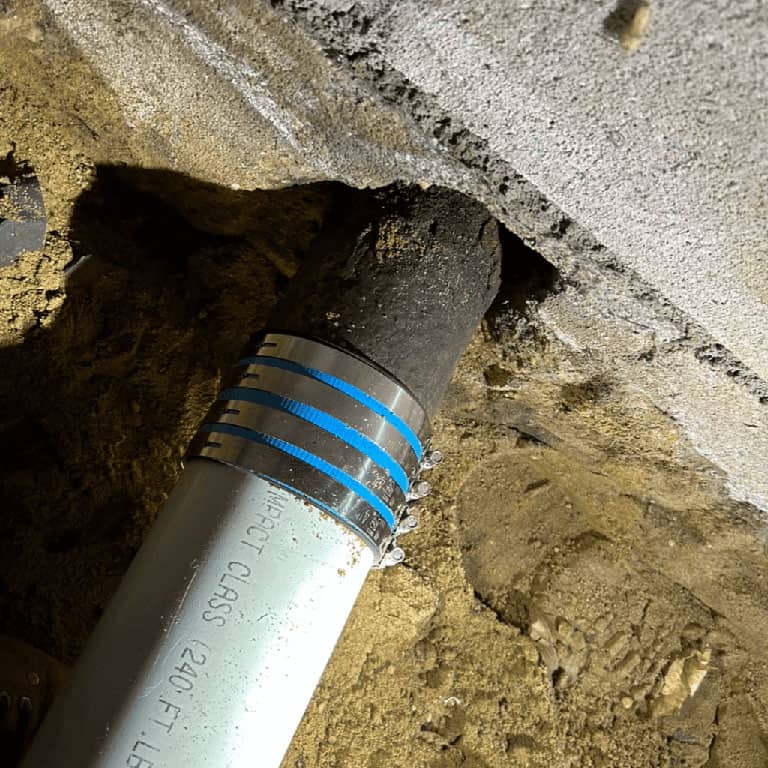
From routine drain cleaning to complete water line replacements, our plumbing repair services cover everything your home needs. We use camera inspections to see inside pipes without tearing up floors, and trenchless technology to replace lines with minimal disruption to your yard. The coastal soil conditions along the Ocean County shore and the clay-heavy ground inland both create unique challenges for pipes, and we understand how to work with both. Give us a call for a free estimate and find out what it takes to get your plumbing working properly again.
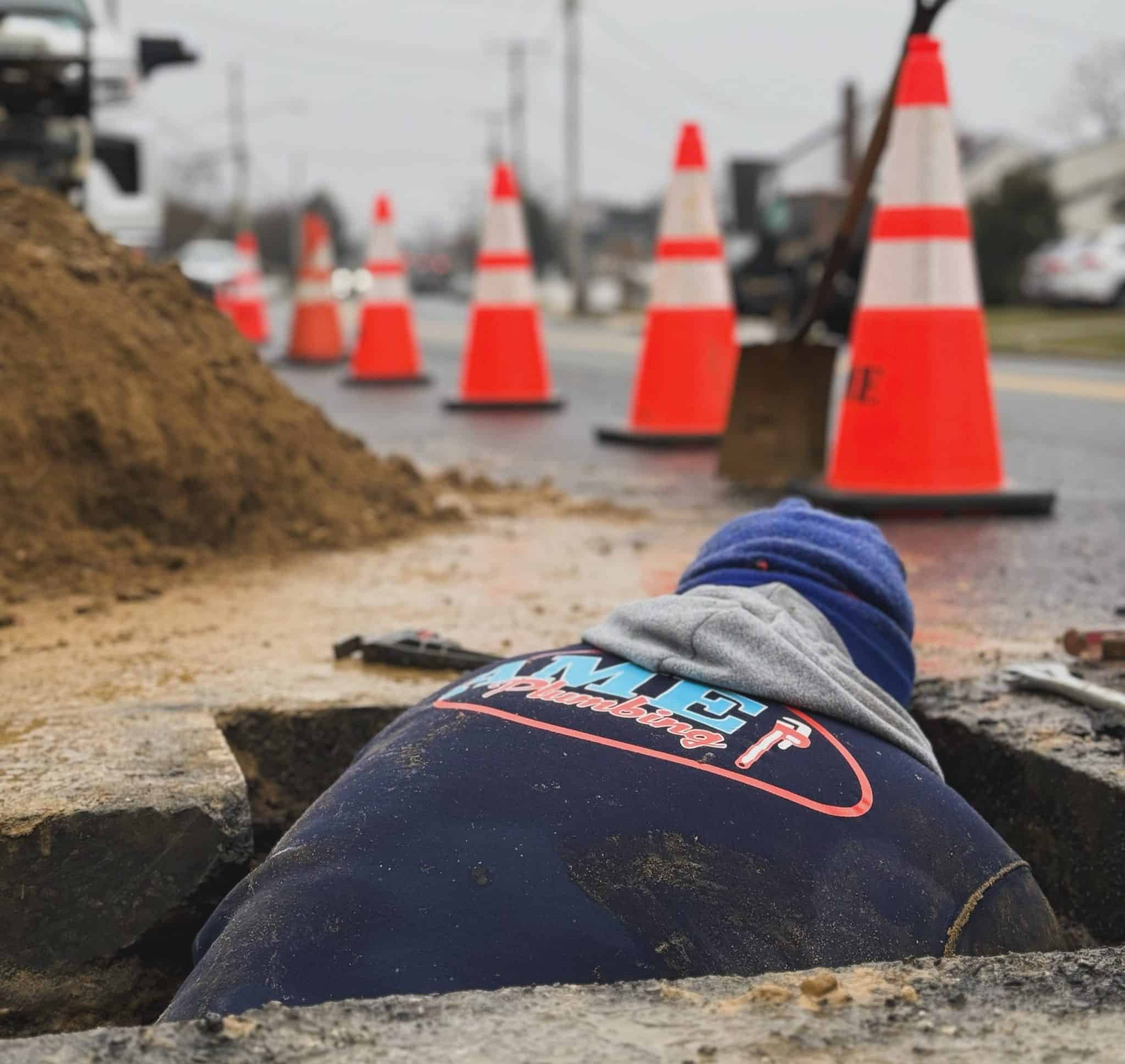
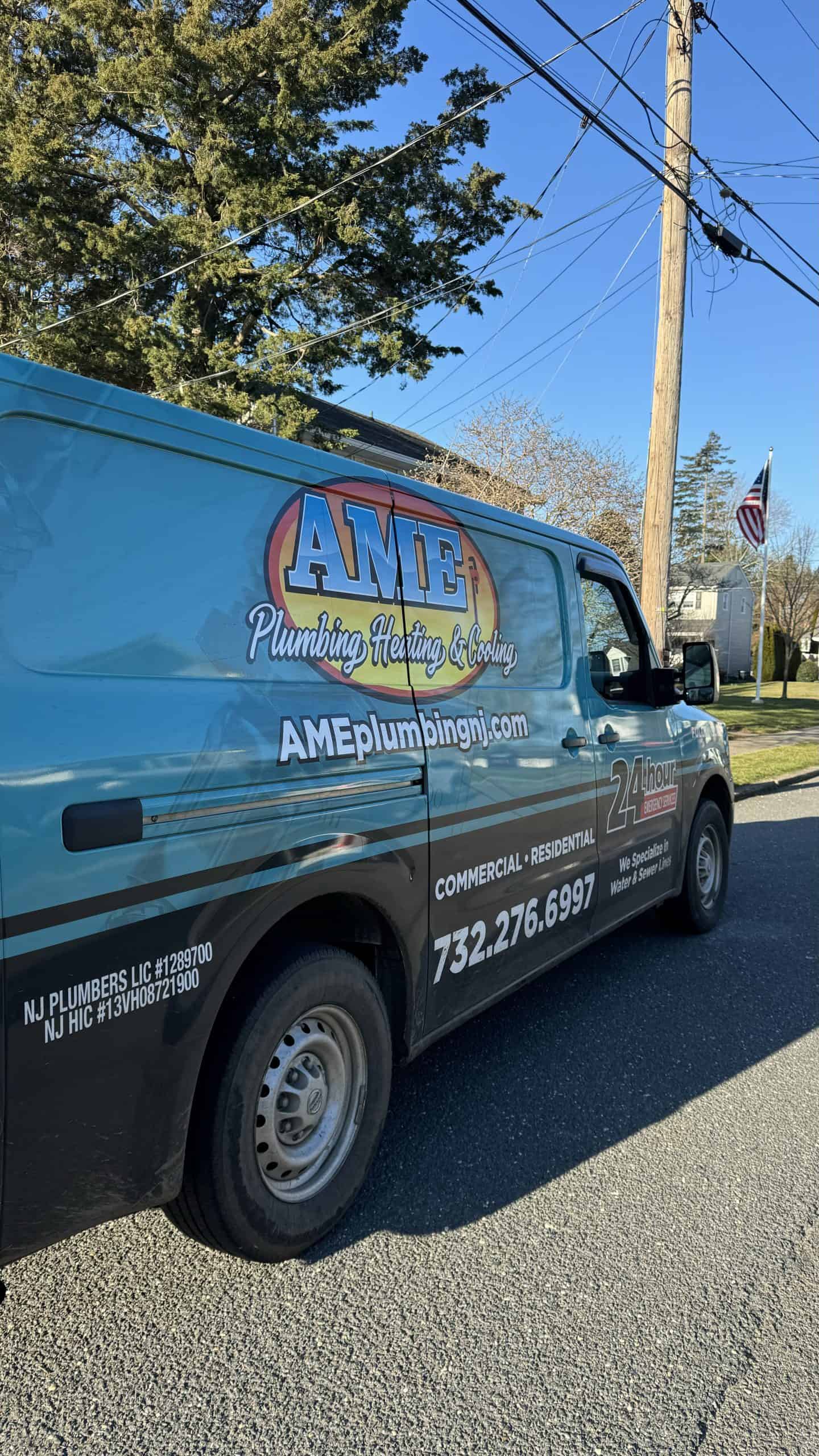
The sound of water running when nothing is turned on. That moment changes everything about your evening plans. Burst pipes, sewage backups, and major leaks demand immediate attention because every hour of delay means more damage to your floors, walls, and belongings.
Our emergency plumber response covers Ocean County and surrounding communities with technicians who carry the parts and tools needed to handle most urgent situations on the spot. Winter freeze-thaw cycles in this region put extra stress on older pipes, and summer humidity creates conditions where hidden leaks can grow quickly. We show up ready to stop the immediate problem and explain what caused it so you can make informed decisions about permanent repairs. Call any time, day or night, and a real person answers.
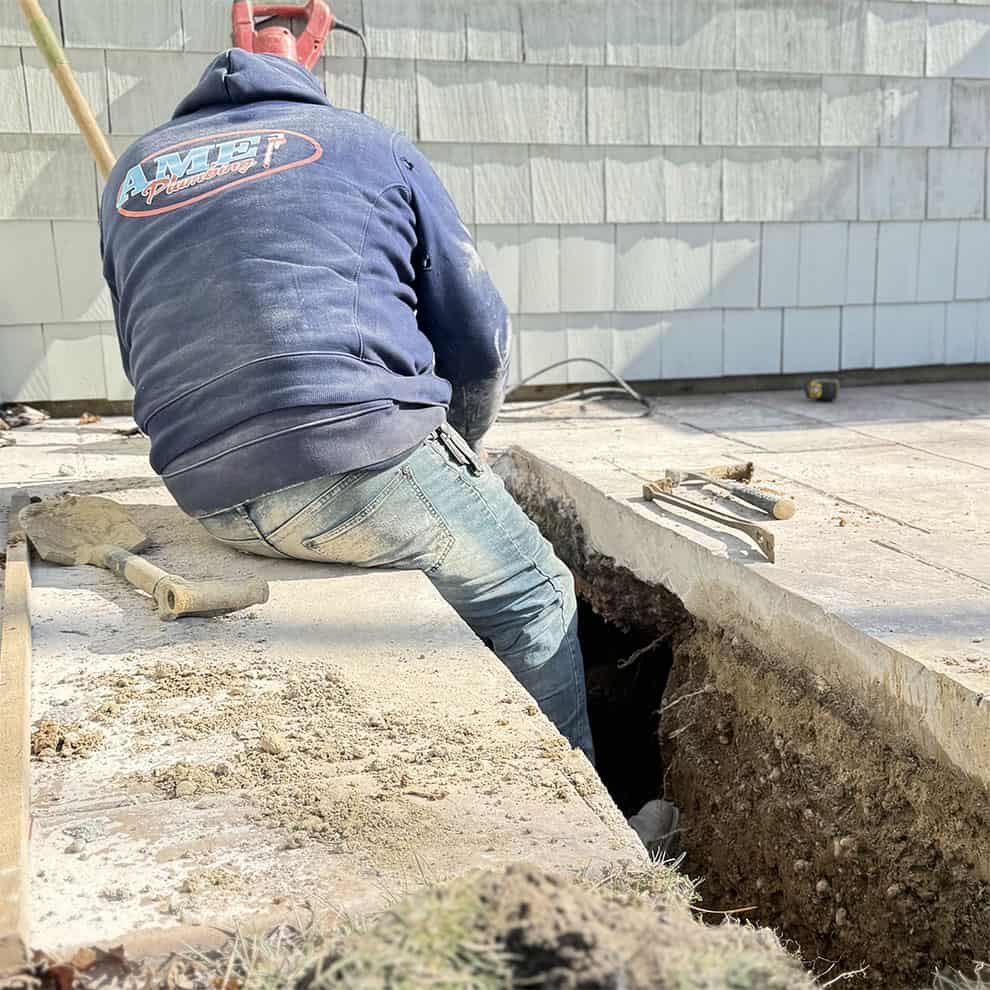
Coastal homes face plumbing challenges that inland properties never see. Salt air corrodes exposed fittings faster, high water tables affect drain field performance, and sandy soil shifts around buried pipes during heavy storms. A plumbing company serving Ocean County needs to understand these factors or risk installing systems that fail within a few years.
We choose materials and installation methods based on where your property sits. Homes near the shore get corrosion-resistant fittings, while inland properties with mature oak trees might need root barriers around new sewer lines. This attention to local conditions is why our professional plumbing services deliver results that last. Your neighbors have trusted us with their homes for years, and we plan to be here serving this community for many more.
Call or fill out our form to set up a time that works for your schedule. We offer same-day appointments for urgent issues.
Our licensed technician examines the problem area and explains what they find using camera footage when helpful. You get a written estimate before any work starts.
Once you approve the plan, we complete the repair using quality materials and clean up the work area. Your satisfaction matters, and we stand behind every job.
Our emergency plumber team responds to calls throughout the region around the clock. Most urgent situations receive a technician within a few hours, depending on your location and current demand. When you call, we ask a few questions to assess the severity and dispatch the nearest available crew. Shutting off your main water valve can help minimize damage while you wait for us to arrive.
Yes, we provide free estimates on most plumbing repair services and installations. Our technician will inspect the issue, explain the recommended solution, and give you a clear price before starting any work. There are no hidden fees or surprise charges. If the job requires special equipment or extensive diagnosis, we discuss any evaluation costs upfront so you can make an informed decision.
Our professional plumbing services cover residential and commercial needs including drain cleaning, water heater repair and installation, sewer line work, water line replacement, leak detection, sump pump services, and gas line repairs. We handle everything from minor fixture repairs to complete repiping projects. If it involves water or gas flowing through your property, we have the training and equipment to address it properly.
New Jersey requires plumbing work to be performed by licensed professionals, and for good reason. Improper repairs can lead to water damage, mold growth, or contaminated water supply. Unlicensed work may void your homeowner’s insurance coverage if something goes wrong. Our licensed local plumbers know the state codes, pull proper permits when required, and guarantee their work. The peace of mind and long-term reliability outweigh any short-term savings from DIY attempts.
Yes, we offer 0% financing options for qualifying customers. Major repairs like sewer line replacement or water heater installation can be significant investments. Financing lets you address urgent plumbing needs right away without straining your budget. Ask our team about current financing programs when you schedule your estimate, and we can explain the application process and terms.
Several signs suggest it might be time for an inspection. These include unexplained increases in your water bill, slow drains throughout the house, discolored water, low water pressure, or damp spots on walls and ceilings. Homes built before 1980 often have aging pipes that benefit from periodic evaluation. If you are buying or selling a property in Ocean County or neighboring areas, a plumbing inspection can reveal hidden issues that affect the sale. Our plumbing company can perform a full assessment and provide a detailed report of your system’s condition
Yes. AME Plumbing Heating and Cooling is a 24 hour plumber serving Monmouth and Ocean County, NJ, day and night, weekends and holidays included. A burst pipe or a backed-up sewer line does not wait for business hours, and neither do we. Call 848-233-4206 any time and a licensed technician responds, not an answering service.
As a full-service plumbing company, AME handles both everyday repairs and the bigger jobs many companies subcontract out: sewer line repair and replacement, hot water heater repair and replacement (tank and tankless), water line repair, and gas line work. One licensed team handles the whole job, so you are not coordinating between a plumber and a separate specialist.
Don’t let plumbing or HVAC problems inconvenience you. Contact AME Plumbing Heating & Cooling at 848-233-4206 to schedule a service. Our local plumbers are dedicated to ensuring your systems are performing optimally and your environment remains comfortable.