Reviews

A broken furnace in Atlantic Highlands isn’t just uncomfortable — it’s a real problem. You’re sitting on one of the highest elevated points on the Jersey Shore, where winds off Raritan Bay cut through older walls and drafty windows faster than anywhere inland. When your heat goes out here, it goes out hard.
Getting it fixed means more than warmth. It means your home — whether it’s a Victorian on the hillside or a mid-century colonial near the harbor — stops losing ground to the cold. Older homes in Atlantic Highlands work against you in winter. The heating system has to work harder than it would in a newer, better-insulated build, and when something wears out, you feel it fast.
The other thing that changes? Your mornings. A lot of Atlantic Highlands residents catch the Seastreak ferry before most people are even awake. You don’t have time to troubleshoot a dead furnace at 5:30 AM. A properly running system means you leave the house on schedule — not standing in front of a thermostat wondering what went wrong.
We’ve been serving Monmouth County since 2014, with deep roots in Atlantic Highlands and the surrounding Bayshore communities. We’re a licensed, insured, family-owned operation — not a franchise, not a national brand routing your call through a regional hub. When you call, you’re talking to the same team that’s worked on homes throughout Atlantic Highlands and down through the Route 36 corridor.
That matters here. Atlantic Highlands has a housing stock that tells its own story — nearly three in ten homes were built before 1939, and the median construction year across the borough sits around 1970. These aren’t cookie-cutter builds. They have quirks, older ductwork, and heating systems that require someone who actually knows what they’re looking at.
We bring upfront pricing, no hidden fees, and a satisfaction guarantee to every job. You’ll know what the repair costs before anyone touches your system. That’s not a policy we added to sound good — it’s how we’ve built our reputation across the county.

When you call us, someone picks up — day or night. You describe what’s happening, and we’ll ask a few quick questions to get a technician moving in the right direction. Same-day dispatch is standard, not an upgrade. Documented customer reviews confirm technicians arriving within two hours of the initial call, which means a lot when you’re in Atlantic Highlands, where a January nor’easter can make a heating outage a genuine safety issue.
Once the technician arrives, the first step is a thorough diagnostic. In Atlantic Highlands, that means paying attention to things that don’t come up in inland markets — salt air corrosion on burner assemblies and heat exchangers is a real and common issue in bayshore communities, and we check for it. Older homes near the hillside also tend to have ductwork that’s been patched and rerouted over decades, so the inspection accounts for the full system, not just the obvious failure point.
After the diagnostic, you get a clear, written estimate. No vague ranges, no “we’ll know more once we get in there.” If the repair makes sense, we do it. If replacement is the smarter call for your system’s age and condition, we’ll tell you that too — honestly, without pushing you toward the more expensive option. Any work requiring a permit goes through the Atlantic Highlands Borough building department, and we handle that process correctly, in full compliance with New Jersey’s HVACR licensing requirements.
Ready to get started?
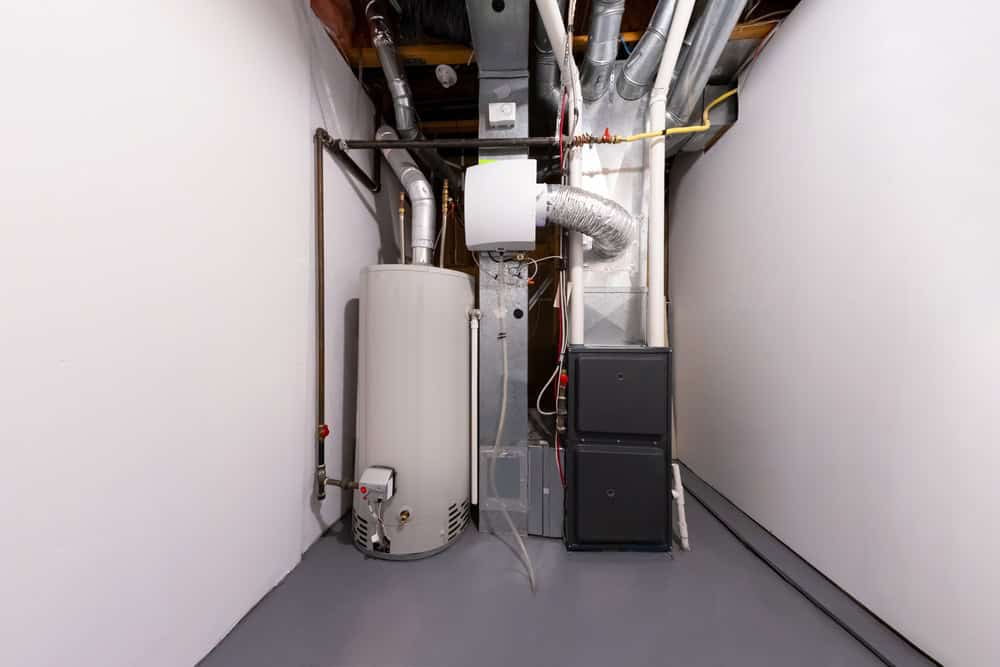
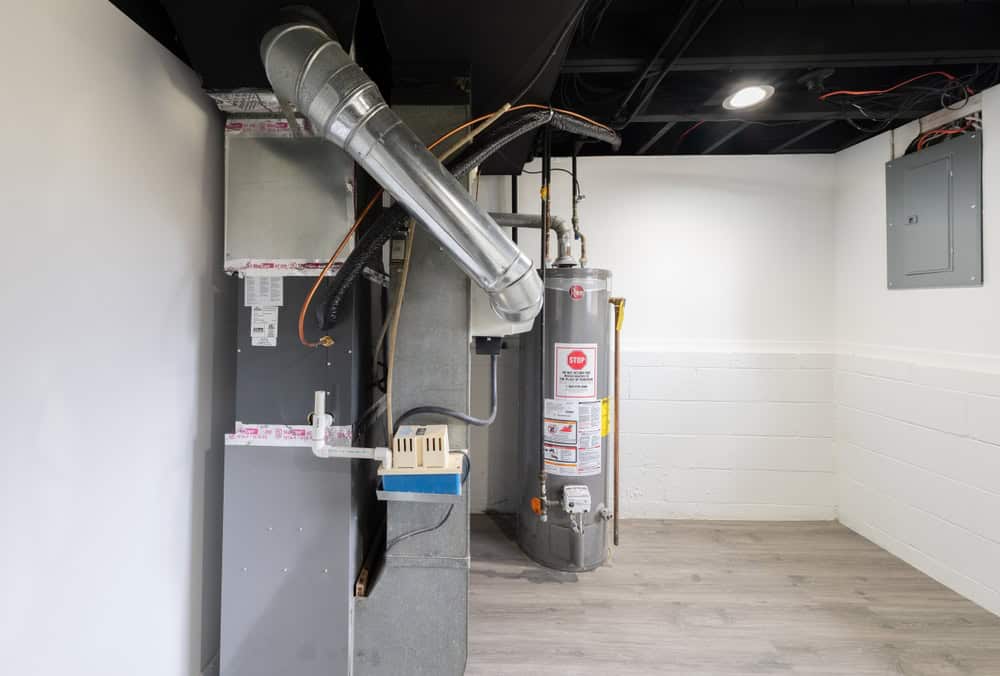
We handle furnace repair across all major makes and models — gas furnaces, forced air systems, older and non-standard configurations included. Given that a significant portion of Atlantic Highlands homes date back to the mid-20th century or earlier, that range matters. A technician who only knows newer systems isn’t the right fit for a borough where the average home is over 50 years old.
The service covers the full diagnostic — ignition systems, heat exchangers, blower motors, flame sensors, thermostats, and the flue and venting components that coastal salt air tends to degrade faster than homeowners expect. If you’re dealing with a furnace that won’t start, one that’s cycling on and off without holding temperature, or one that’s running but pushing lukewarm air, those are all scenarios we diagnose and repair regularly in this area.
Beyond emergency repair, we also offer furnace tune-ups and preventive maintenance — something that carries extra weight in Atlantic Highlands. Elevated, wind-exposed properties put more demand on heating systems than sheltered inland homes, and a $200–$400 annual tune-up is a straightforward way to avoid a $1,500 repair call mid-January. Financing is available at 0% for larger repairs or full system replacements, and we offer 10% off for military personnel and first responders — a discount that reflects genuine appreciation for the people who serve this community.

The general rule of thumb is this: if the repair cost is more than 50% of what a new system would cost, replacement is usually the better investment. But that’s a starting point, not a final answer. The real calculation depends on the age of your system, how efficiently it’s running, and what your plans are for the property.
In Atlantic Highlands specifically, this question comes up more often than in most NJ towns because of the age of the housing stock. A furnace that’s 18 years old and sitting in a pre-war home that’s been through multiple renovations is a different situation than a 15-year-old system in a well-insulated newer build. Salt air exposure also accelerates wear on coastal systems, so a furnace here may show meaningful corrosion damage earlier than the same unit would inland. A proper diagnostic will give you a clear picture — and an honest technician will tell you which direction actually makes sense for your home, not just the one that generates a bigger invoice.
Most furnace repairs in New Jersey fall somewhere between $130 and $500 for common issues — things like a faulty igniter, a failed flame sensor, or a worn blower motor capacitor. More complex repairs involving heat exchangers or major electrical components can run $500 to $1,475 or higher. Emergency calls — nights, weekends, or during a cold snap — typically cost 50 to 100% more than scheduled service, which is one reason it pays to have a relationship with a contractor before you need one urgently.
What affects price most is the nature of the failure, the age of the system, and parts availability for older units. In Atlantic Highlands, where a large share of homes contain older or non-standard furnace configurations, parts sourcing can occasionally add time and cost to a repair. Upfront pricing before work begins means you won’t be surprised by the final number — you approve the cost first, and the work starts after.
Yes, and it’s more significant than most homeowners realize. Salt-laden air off Raritan Bay and Sandy Hook Bay accelerates corrosion on metal furnace components — particularly heat exchangers, burner assemblies, flue pipes, and electrical connections. This is a real and documented issue in bayshore communities that simply doesn’t apply with the same intensity to inland towns like Freehold or Holmdel.
The practical effect is that components in Atlantic Highlands homes may show meaningful wear earlier than their expected lifespan, and a technician who isn’t familiar with coastal NJ environments might miss early-stage corrosion during a routine inspection. It’s one of the reasons annual maintenance carries extra value here — catching salt corrosion on a heat exchanger before it causes a failure is far less expensive than dealing with it after the system goes down. When we service a furnace in this area, coastal wear patterns are part of what we’re looking for.
This is one of the more frustrating situations because the system appears to be working, but the result isn’t there. A few things can cause this. A cracked heat exchanger can allow combustion gases to bypass the heat transfer process, reducing output. A failing blower motor may not be moving enough air through the ducts. A dirty or clogged air filter can restrict airflow to the point where the system runs but can’t effectively heat the space. And in older Atlantic Highlands homes, ductwork that’s been patched, rerouted, or poorly sealed over decades can lose a significant amount of heat before it ever reaches your living areas.
The elevated, wind-exposed properties on the hillside near Mount Mitchill can also make this problem feel worse than it is — when exterior temperatures are lower and wind chill is a factor, even a slightly underperforming system will struggle to keep up. A proper diagnostic will identify whether the issue is mechanical, airflow-related, or a distribution problem in the duct system itself.
Late summer or early fall — August through October — is the ideal window. You want the system inspected and serviced before the heating season starts, not after your first cold night reveals a problem. Scheduling in that window also means better technician availability and shorter wait times, since the peak-season rush hasn’t hit yet.
For Atlantic Highlands homeowners specifically, this timing matters more than it might in a more sheltered inland community. The first cold snap here — combined with bay winds and the elevated terrain — tends to be more abrupt and more demanding than what you’d experience further west in Monmouth County. A furnace that sat idle all summer and hasn’t been serviced is the one most likely to fail on the first genuinely cold night of October. A tune-up in September costs $200–$400. An emergency call in January, after hours, during a nor’easter, costs considerably more — and that’s before you factor in the disruption to your schedule.
Yes. We offer 10% off for military personnel and first responders — and Atlantic Highlands, sitting within the broader Bayshore and Monmouth County community, has no shortage of people who fall into that category. It’s a straightforward discount applied to the service, no hoops to jump through.
For larger repairs or full system replacements, 0% financing is also available with online prequalification. Given that Atlantic Highlands homes skew older and the probability of a significant repair or replacement need is higher than average, having a financing option in place means you can make the right call for your home without waiting on timing that works against you. The goal is to remove the friction between identifying the problem and actually fixing it — because in a bayshore winter, delay has a real cost.