Reviews
Living near Sandy Hook Bay and Gateway National Recreation Area means your plumbing is dealing with things most homeowners never think about. Salt air accelerates corrosion on copper pipes, brass fittings, and shutoff valves faster than anywhere inland in Monmouth County. A pinhole leak that might stay small in Tinton Falls can turn into a failed valve and a flooded basement here — especially in an older home or a property that sits unoccupied through the winter.
When you get an emergency plumber on-site fast, you’re not just fixing the immediate problem. You’re cutting off the chain reaction. Water damage claims in coastal NJ average well over $10,000, and that number climbs quickly when storm surge, high groundwater, or a backed-up sewer line is already in the picture. The longer you wait, the more the structure absorbs.
For residents in Highlands, leaseholders in the Fort Hancock Officers Row buildings, or anyone managing a seasonal property near the park entrance, the math is simple. A fast response tonight is worth far more than the repair bill you’re avoiding. We show up, diagnose the problem clearly, give you the price upfront, and get to work — no surprises, no pressure, no runaround.
We at AME Plumbing Heating and Cooling are a family-owned company based in Monmouth County, and we’ve been handling plumbing and HVAC work across this area since 2014. We already have an active presence in the Highlands and Sandy Hook corridor near Gateway National Recreation Area — this isn’t new territory for us. We know the housing stock, we know the coastal conditions, and we know what plumbing failure looks like in a community that lived through Superstorm Sandy.
With a 4.9-star rating across more than 800 verified Google reviews, the track record is there. Customers consistently mention fast arrival, honest pricing, and technicians who explain what’s happening before we touch anything. That matters everywhere, but it matters especially here — a community that’s seen its share of contractors who showed up after a storm and took advantage of people in a tough spot.
We are fully licensed under the NJ State Board of Examiners of Master Plumbers and carry full liability and workers’ compensation insurance. Every job is code-compliant, insurable, and backed by a satisfaction guarantee. If you’re managing a property near Fort Hancock or living year-round in Highlands, that’s not a checkbox — it’s the whole point.
When you call us for an emergency, someone actually picks up. You describe what’s happening — burst pipe, sewer backup, water heater failure, whatever it is — and we dispatch a licensed technician to your location. If you’re on the Sandy Hook peninsula or in Highlands, we know the Route 36 access situation. We’re not routing from a call center two states away.
When our technician arrives, the first thing we do is assess the situation and give you a clear, upfront price. You hear the number, you approve it, and then work begins. No bait-and-switch, no vague estimates that double by the time the job is done. This is especially important for seasonal property owners or vacation rental managers who aren’t standing in the room — you get the same honest process whether you’re on-site or calling from out of town.
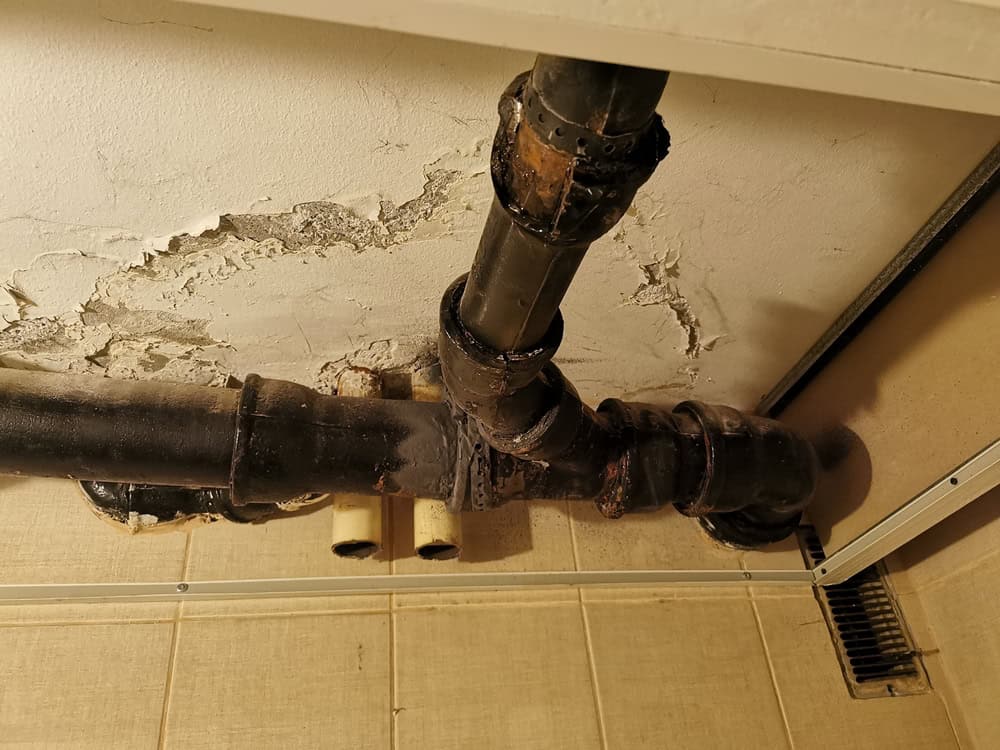
For properties in the Fort Hancock area or older homes in Highlands with aging infrastructure, the diagnostic step matters more than most people realize. A visible leak is sometimes the symptom of a deeper corrosion issue in the supply line or a deteriorated sewer joint that’s been working against you for years. Our team looks past the surface problem to make sure the fix actually holds — which is the only kind of repair worth making in a coastal environment where the conditions are already working against your pipes.
Ready to get started?
We handle the full range of emergency plumbing situations — burst pipes, sewer backups, water heater failures, frozen and thawed supply lines, sump pump failures, and leak detection in walls or under slabs. In the Gateway National Recreation Area corridor, those aren’t abstract service categories. They’re the exact things that go wrong here, driven by the combination of salt air corrosion, coastal flooding, freeze-thaw cycles, and building stock that in some cases dates back over a century.
For residents and property managers in this area, a few things are worth knowing upfront. Work performed within the federal boundaries of the Sandy Hook Unit falls under National Park Service oversight — not standard municipal permitting. For properties in Highlands Borough or Monmouth Hills, standard New Jersey plumbing licensing and local permit requirements apply, and we operate in full compliance with both. If you’re a leaseholder in one of the historic Officers Row buildings, our team has the experience to work carefully in older structures without causing additional damage to historically significant materials.
Current promotions that apply to emergency and repair work include $250 off water and sewer line repairs, $500 off water and sewer line replacements, and $100 off new water heater installations. Military personnel, veterans, and first responders receive 10 percent off — a discount that carries real meaning in a community shaped by Fort Hancock’s nearly 80 years of military history. Financing is also available for larger repairs, so a surprise four-figure bill doesn’t have to become a reason to delay a fix that’s only going to get more expensive.
This is one of the most practical questions you can ask, and it deserves a straight answer. Route 36 is the only road into Sandy Hook and Highlands, and the Highlands Bridge over the Shrewsbury River is the single chokepoint for all vehicle traffic entering the peninsula. During active coastal flooding — which happens multiple times a year along Sandy Hook Bay — Route 36 can flood and access can be delayed or temporarily cut off entirely.
Our team is based in Monmouth County and knows this corridor. When a storm is active and Route 36 is compromised, we’ll be honest with you about timing rather than promise something we can’t deliver. What we can do is respond the moment conditions allow — and in many cases, the most urgent post-storm plumbing work, like assessing water intrusion or replacing a failed sump pump, happens in the hours immediately after a storm passes. Having a licensed local plumber already on your radar before the next nor’easter hits is worth more than scrambling to find one after the fact.
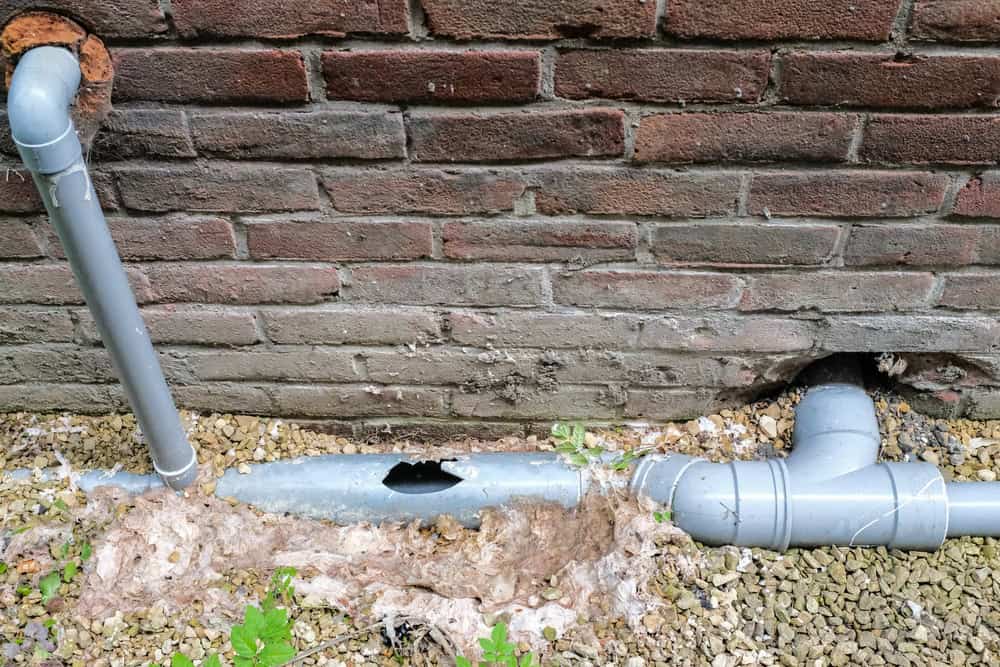
Salt air is genuinely hard on plumbing in a way that’s easy to underestimate until something fails. Copper supply lines, brass shutoff valves, steel pipe fittings, and water heater components all degrade faster in a coastal environment than they would in an inland home. The result is usually pinhole leaks in copper pipes, valves that corrode shut and won’t close during an emergency, and solder joints that weaken over time and eventually fail.
What makes this especially relevant near Gateway National Recreation Area is the combination of salt air from three sides — the Atlantic Ocean to the east, Sandy Hook Bay to the west, and the Shrewsbury River to the south. If you’re in Highlands or managing a property on the peninsula, your plumbing is aging faster than the age of the building suggests. A water heater that’s eight years old in a coastal property may already be showing the corrosion patterns of a twelve-year-old unit. If you’re noticing discoloration in your water, reduced pressure at fixtures, or visible rust around fittings or the water heater base, those are early signs worth having a licensed plumber look at before they become an emergency at 2 AM.
The honest answer is that delay almost always makes the bill bigger. The average water damage insurance claim in the US runs over $10,000, and that’s before you factor in the specific conditions of a coastal flood zone. In Highlands or on the Sandy Hook peninsula, where groundwater levels are already high and storm surge can push water into a structure from multiple directions, a plumbing failure that goes unaddressed for even a few hours can saturate subfloor materials, introduce mold conditions, and compromise structural elements in ways that a plumber can’t fix — only a full restoration contractor can at that point.
The math is straightforward. A burst pipe repair or a sump pump replacement tonight might cost a few hundred to a few thousand dollars. The same problem left until morning — especially if water is actively spreading — can easily multiply that number by five or ten. Our upfront pricing means you’ll know the cost before anything starts, and financing is available if the number is larger than you expected. The call costs nothing. Waiting costs a lot.
Yes, and it’s worth explaining why the building age matters here. The Fort Hancock Officers Row buildings date to the 1890s, and much of Highlands’ residential housing stock was built in the early-to-mid twentieth century. Plumbing in buildings that old often includes original or early-replacement cast-iron drain lines, galvanized steel supply pipes, and fixture configurations that don’t match anything in a modern parts catalog. Working in these structures requires a different approach than a standard residential service call.
Our licensed technicians have experience diagnosing and repairing plumbing in older building stock throughout Monmouth County. For leaseholders in the historic NPS properties at Fort Hancock, there’s also the added consideration of historic preservation — any work done in or on a historically significant structure needs to be carried out carefully to avoid damage to materials or features that can’t be easily replaced. We bring the technical experience and the professional judgment to handle that kind of work correctly, which matters when the building you’re living in is more than a century old.
We handle the full range of residential and commercial emergency plumbing: burst and frozen pipes, sewer backups and drain blockages, water heater failures, sump pump failures, leak detection, and water and sewer line repairs or replacements. For the Gateway National Recreation Area corridor specifically, sump pump failures and sewer backups tend to be the most time-sensitive calls — especially after a coastal flooding event when groundwater levels are elevated and municipal sewer systems in Highlands are already under stress.
One thing worth clarifying: plumbing work within the federal boundaries of the Sandy Hook Unit itself falls under National Park Service jurisdiction and may require coordination with NPS facility management for certain types of work. For the residential and commercial properties in Highlands Borough and Monmouth Hills — which represent the majority of our calls in this area — standard NJ licensing and Highlands Borough permit requirements apply, and we operate in full compliance. If you’re unsure whether your property falls within the park boundary or the borough, we can help you sort that out before work begins.
The 10 percent discount for military personnel, veterans, and first responders applies to all qualifying customers in our service area — and in the Gateway National Recreation Area corridor, that group is significant. Fort Hancock operated as an active U.S. Army installation for nearly 80 years, from 1895 to 1974, and the broader Highlands and northern Monmouth County community has a deep connection to military service that extends well beyond the base’s closure. Many year-round Highlands residents and seasonal property owners in this area have military backgrounds or family ties to Fort Hancock’s history.
The discount applies to active duty military, veterans, and first responders — and yes, it covers veterans, not just currently active service members. If you’re a veteran managing a property near Sandy Hook or a first responder living in Highlands, you qualify. Just mention it when you call. There’s no complicated verification process, and it applies to emergency service calls the same as scheduled work. It’s our way of acknowledging the people who’ve served this community — in uniform and in the field.