Reviews
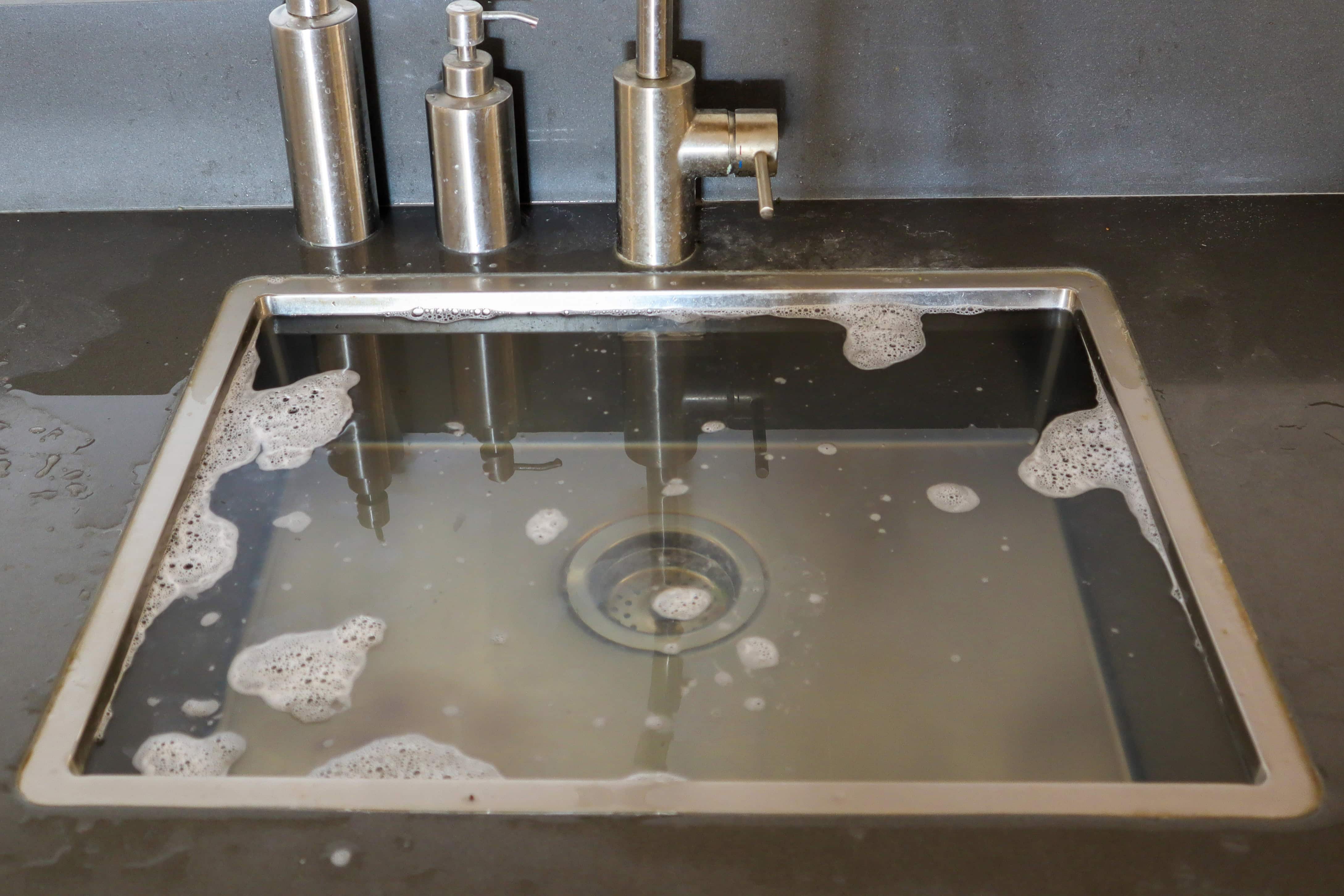
Most drain problems in Port Monmouth don’t start the day your sink backs up. They’ve been building for months — grease layering on pipe walls, tree roots threading through joints in the sandy bayshore soil, or sediment that worked its way in during a storm surge event. By the time you notice it, a plunger isn’t going to cut it.
When your drains are flowing the way they should, you stop thinking about them entirely. No more slow mornings waiting for the shower to drain, no more kitchen sink that backs up every time you run the dishwasher, no more wondering if that smell means something serious. That’s the goal — not just cleared, but actually fixed.
For homes near Sandy Hook Bay, that means addressing the root cause, not just the symptom. Over 26% of Port Monmouth’s housing stock was built before 1950, and a lot of those pipes have never been properly cleaned — just temporarily cleared. If your drain keeps coming back, the problem was never fully solved. That’s exactly what we’re here to change.
We’ve been serving Monmouth County since 2014 — not as a franchise, not as a call center routing jobs to whoever’s available, but as a family-owned team that actually works in these communities. From Keansburg right next door to the bayshore neighborhoods throughout Middletown Township, Port Monmouth is the area we know.
That matters more than it sounds. A plumber who’s worked in Port Monmouth understands what decades of coastal moisture does to cast iron. We know what Sandy-era repairs sometimes left behind. We know the difference between a grease clog in a newer home and a root intrusion in a clay pipe that’s been in the ground since the 1940s. That context changes how the job gets done.
We’re fully licensed and insured, offer upfront pricing before any work begins, and back everything with a satisfaction guarantee. No surprises on the invoice. No vague estimates that balloon after the fact.
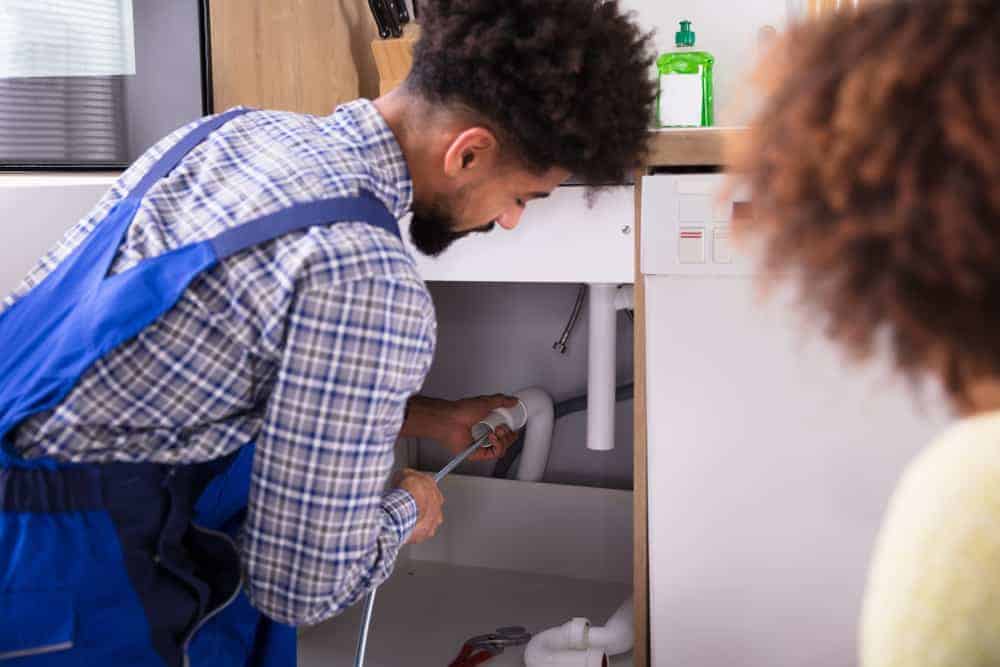
The first thing we do isn’t reach for a snake — it’s figure out what’s actually going on. A video camera goes into the line so there’s a clear picture of what you’re dealing with before anything else happens. That’s how you avoid the cycle of clearing a clog, having it come back in six weeks, and calling again. In Port Monmouth, where root intrusion from the tree canopy along Henry Hudson Trail and surrounding streets is a real and recurring issue, skipping the inspection step means missing half the problem.
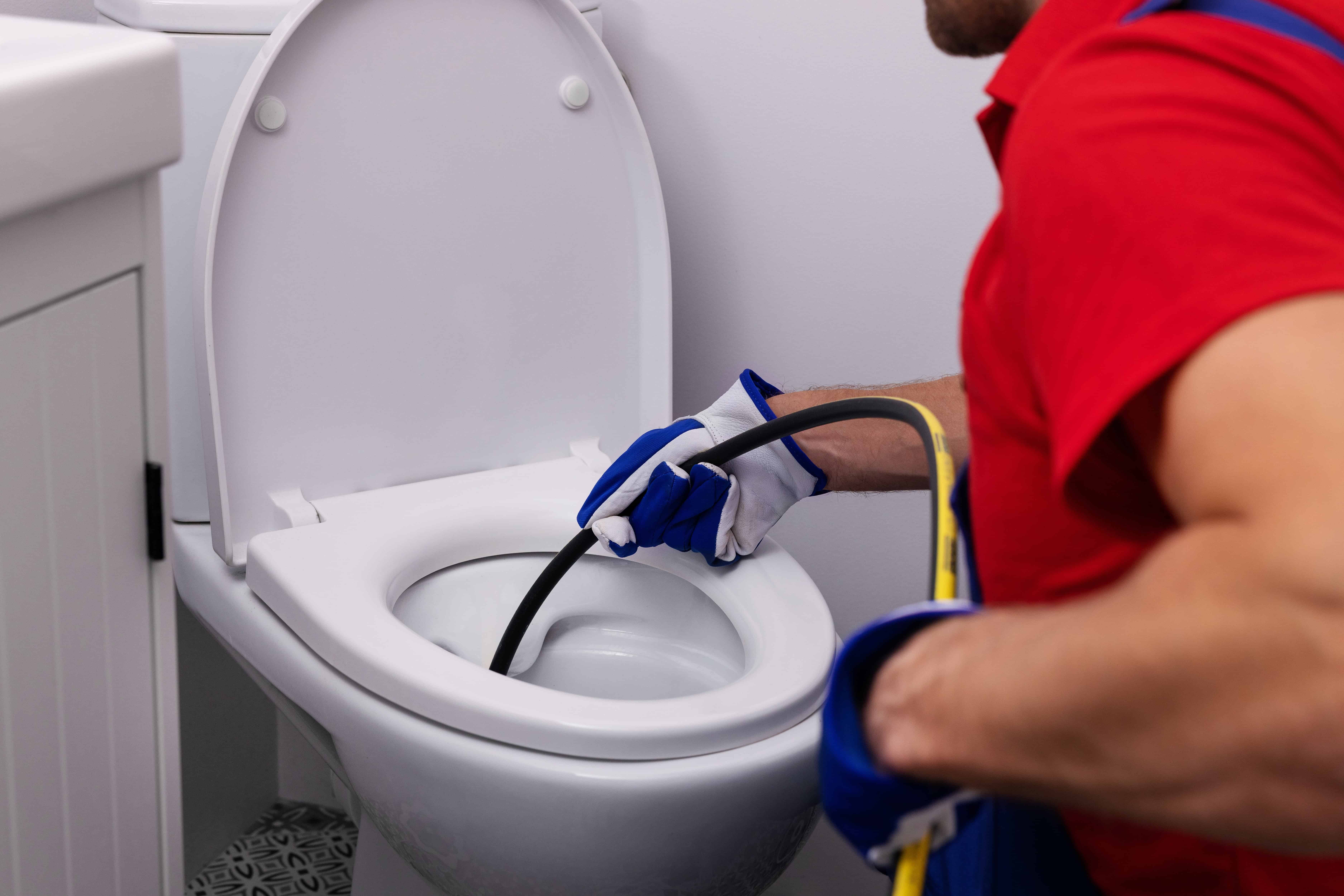
Once the camera confirms what’s there, the right method gets matched to the actual condition. Straightforward grease buildup in a kitchen line gets handled differently than a main sewer line packed with roots. For tougher jobs — heavy scale, root masses, or pipes that haven’t been properly cleaned in years — hydro jetting at up to 4,000 PSI is what actually restores the pipe rather than just punching through it.
After the work is done, a follow-up camera pass confirms the line is clear. You’re not taking anyone’s word for it — you can see it. And because drain cleaning in Port Monmouth doesn’t require a permit through Middletown Township for routine service, there’s no waiting on approvals before we can get started.
Ready to get started?
We handle the full range of residential drain issues — slow drains, fully blocked pipes, recurring clogs, main sewer line backups, and everything in between. Kitchen drains clogged with grease, bathroom drains slowed by hair and soap buildup, floor drains that haven’t moved freely in years — all of it falls within scope. And if the camera inspection reveals something beyond a cleaning, like a cracked sewer lateral or a joint that’s separated, we handle that too. You won’t need to start over with a different contractor.
For Port Monmouth homeowners, the most common culprits are grease accumulation in kitchen lines, root intrusion in older clay or cast iron sewer laterals, and storm-related debris that found its way into cleanout access points during past flooding events. Homes along the bayshore waterfront and in the lower-lying areas of the 07758 zip code are especially prone to the last one — it’s not a rare edge case here, it’s just part of living close to the bay.
We also offer $250 off water and sewer line repairs and $500 off water and sewer line replacements if the inspection reveals a bigger issue. If the scope grows, financing at 0% is available so the work doesn’t have to wait on your budget. Military personnel, veterans, and first responders receive 10% off — a meaningful offer in a community that sits adjacent to the Earle Naval Weapons Station.
Recurring clogs almost always mean the root cause was never fully addressed. Cable snaking — the standard “drain clearing” most people are familiar with — punches a hole through whatever is blocking the pipe, but it doesn’t remove the grease film, mineral scale, or biofilm coating the pipe walls. That residue is still there, and it catches new debris almost immediately. Within weeks or months, you’re back to square one.
In Port Monmouth specifically, there’s another layer to this. Homes with older clay or cast iron pipes — and there are a lot of them here, given that more than a quarter of the housing stock predates 1950 — often have partial root intrusion that a basic snake doesn’t address. The roots get pushed aside temporarily, then grow back. A camera inspection followed by hydro jetting is what actually clears the pipe wall-to-wall and removes the material that’s causing the pattern. Once that’s done properly, you stop having the same conversation every few months.
Hydro jetting uses pressurized water — up to 4,000 PSI — to blast through clogs and clean the interior walls of your pipes, not just clear a path through them. It removes grease, scale, root debris, and buildup that a snake leaves behind. The result is a pipe that flows the way it’s supposed to, not just one that’s temporarily unblocked.
The question about older pipes is a fair one, especially in Port Monmouth where a significant portion of homes have cast iron or clay sewer lines that are decades old. The honest answer is that it depends on the condition of the pipe. That’s exactly why we run a camera inspection before any hydro jetting takes place — if the pipe has cracks, severe corrosion, or joint separation, that gets identified first and the approach gets adjusted accordingly. Hydro jetting on a pipe in good structural condition is safe and effective. Hydro jetting on a pipe that’s already compromised is a different conversation, and we’ll tell you that before touching anything.
The signs are usually gradual at first — slow drains that don’t respond to plunging, gurgling sounds coming from the toilet when you run water elsewhere in the house, or a faint sewage smell that comes and goes. By the time you get a full backup, the root intrusion is usually well established.
In Port Monmouth, this is a particularly common issue. The sandy, moisture-rich bayshore soil creates ideal conditions for root systems to seek out sewer lines as a water source. Mature trees along residential streets and near the Henry Hudson Trail corridor put root pressure on pipes throughout the neighborhood. Clay pipe joints — common in homes built before the 1960s — are especially vulnerable because roots can enter through even minor gaps. The only way to know for certain is a camera inspection, which shows exactly where roots have entered and how far they’ve progressed. From there, hydro jetting can cut through the root mass and restore flow, and we can advise on whether the pipe itself needs attention.
For routine drain cleaning and hydro jetting, no permit is required through Middletown Township. We can schedule the work and get started without any waiting period or approval process — which matters when you’re dealing with a backed-up drain that isn’t going to get better on its own.
Where permits do come into play is if the camera inspection reveals that the sewer lateral itself needs to be repaired or replaced. Any work that involves excavation or modification to the sewer line falls under the New Jersey Uniform Construction Code and requires a permit through Middletown Township’s Building Department. We’re fully licensed as a New Jersey Master Plumber, which means we’re qualified to pull those permits and handle that work directly — you don’t need to coordinate between a drain cleaning company and a separate plumber. If the scope of the job changes, we handle the transition from cleaning to repair under the same roof.
Yes, and it’s more common in Port Monmouth than in most Monmouth County towns. During storm surge events — the kind that hit hard during Sandy and continue to affect the bayshore area during significant nor’easters — debris, sediment, and sand can enter sewer cleanout access points and settle inside drain lines. That material doesn’t flush out on its own. It accumulates and restricts flow over time, sometimes showing up as a slow drain weeks after the storm rather than immediately.
The $110 million Army Corps of Engineers flood protection project has reduced the risk of major inundation for many properties, but it doesn’t eliminate the plumbing effects of coastal storm events entirely. If your home was in a flood zone during Sandy or has experienced any water intrusion from subsequent storms, it’s worth having your main sewer line inspected — not because something is necessarily wrong, but because the cost of a camera inspection is a fraction of what a full backup cleanup costs. We offer that inspection as a standalone service, and it gives you a clear picture of what’s actually in your pipes.
We offer a 10% discount for active military, veterans, and first responders. Given Port Monmouth’s location within Middletown Township — right alongside the Earle Naval Weapons Station — there are a lot of households in this zip code where that applies. It’s not a complicated process: mention your service when you call and the discount is applied to your job.
Beyond that, if the drain inspection reveals a larger issue — a sewer line repair or replacement — we offer $250 off repairs and $500 off replacements. Financing at 0% is also available for larger scopes, so the work doesn’t have to sit on hold while you figure out the budget. Upfront pricing means you know the full cost before we do anything, so there’s no situation where you agree to a cleaning and end up with an invoice you didn’t expect. What’s quoted is what you pay.