Reviews
Most drain calls in Monmouth Beach start the same way — a slow sink, a backup after rain, or a floor drain that stops cooperating right when the house is full. You call someone, they snake it, it clears. Then three months later, same problem.
Living on a barrier spit between the Atlantic and the Shrewsbury River means your drainage system is working against flat terrain and tidal pressure that most inland towns never deal with. A formal borough infrastructure study found that Monmouth Beach’s drain lines are consistently clogged with Shrewsbury River debris and regularly backed up from high tides. That’s not a homeowner problem — that’s a geography problem. And it means the standard snake-and-go approach often isn’t enough here.
When we clear a drain in Monmouth Beach, the goal isn’t just to get water moving again. It’s to leave your pipes in a condition that holds up against the specific environment you’re in — coastal moisture, organic debris infiltration, aging cast-iron lines in homes built decades before anyone was thinking about tidal backpressure. We focus on solutions that actually last, not temporary fixes that create repeat service calls.
We’re a family-owned company based right here in Monmouth County — not a national franchise routing calls through a dispatch center in another state. Since 2014, we’ve been serving shore communities throughout the county, including Monmouth Beach where homes carry real value and neighbors talk.
We’re fully licensed and insured, which matters more than it might sound in a borough with active floodplain regulations and tidal flood hazard area designations. Any plumbing work done in Monmouth Beach — especially anything involving sewer or lateral lines — needs to be done by someone who knows NJ code compliance and what the borough requires. We do.
From the residential streets off Beach Road to the riverfront properties along the Shrewsbury, we’ve worked in the kinds of homes that exist here — older construction, coastal exposure, and plumbing systems that haven’t always kept pace with what the environment demands. That experience is what you’re actually hiring when you call.

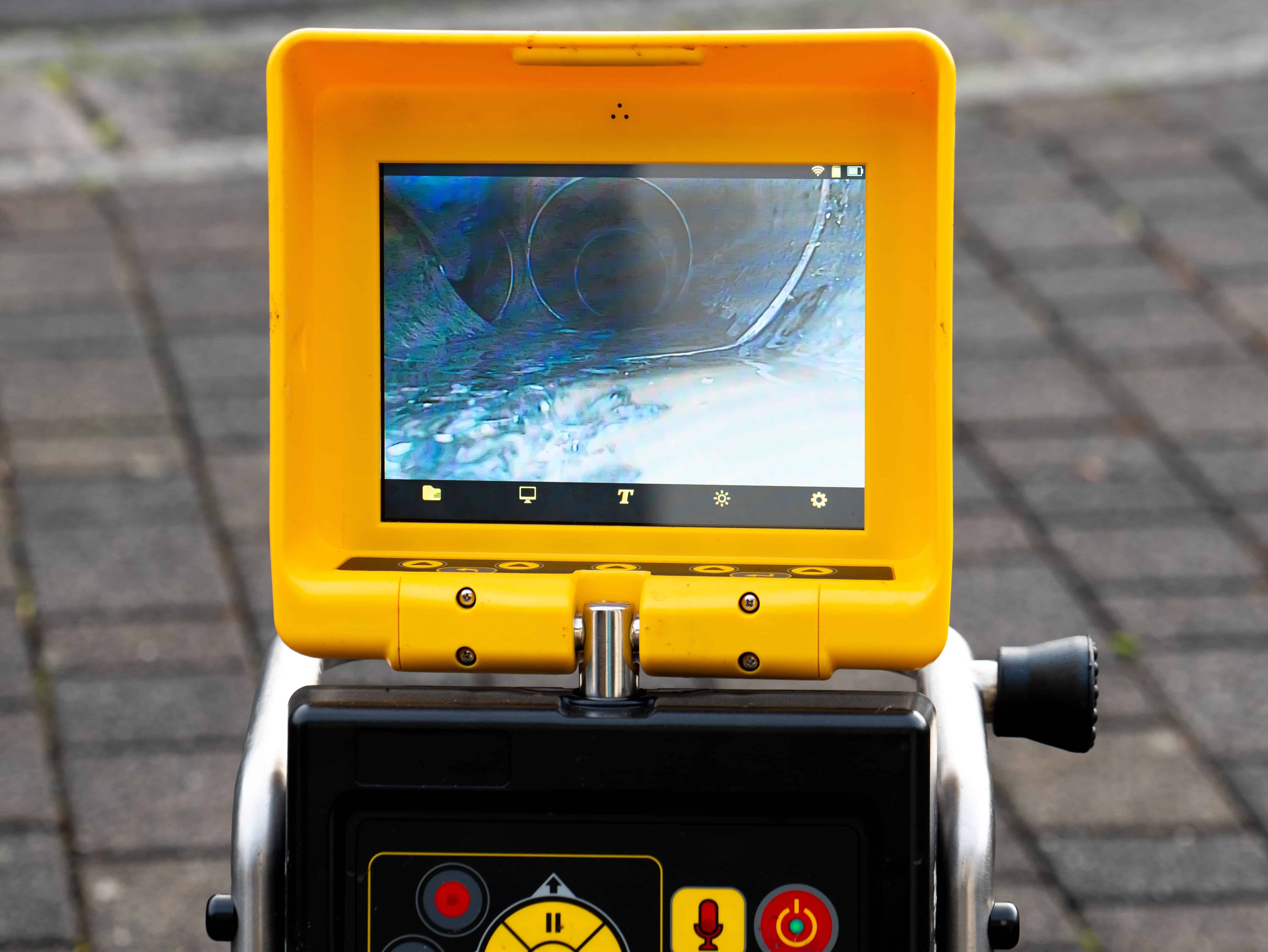
The first thing we do before any equipment touches your pipes is look inside them. A video camera inspection goes into the drain line so we can see exactly what’s causing the problem — grease buildup, root intrusion, sediment from tidal backwash, or a compromised joint in an older cast-iron line. In a borough where the municipal sewer system is documented to be undersized and high-tide-impacted, knowing what you’re dealing with before we act isn’t optional. It’s how we avoid making things worse.
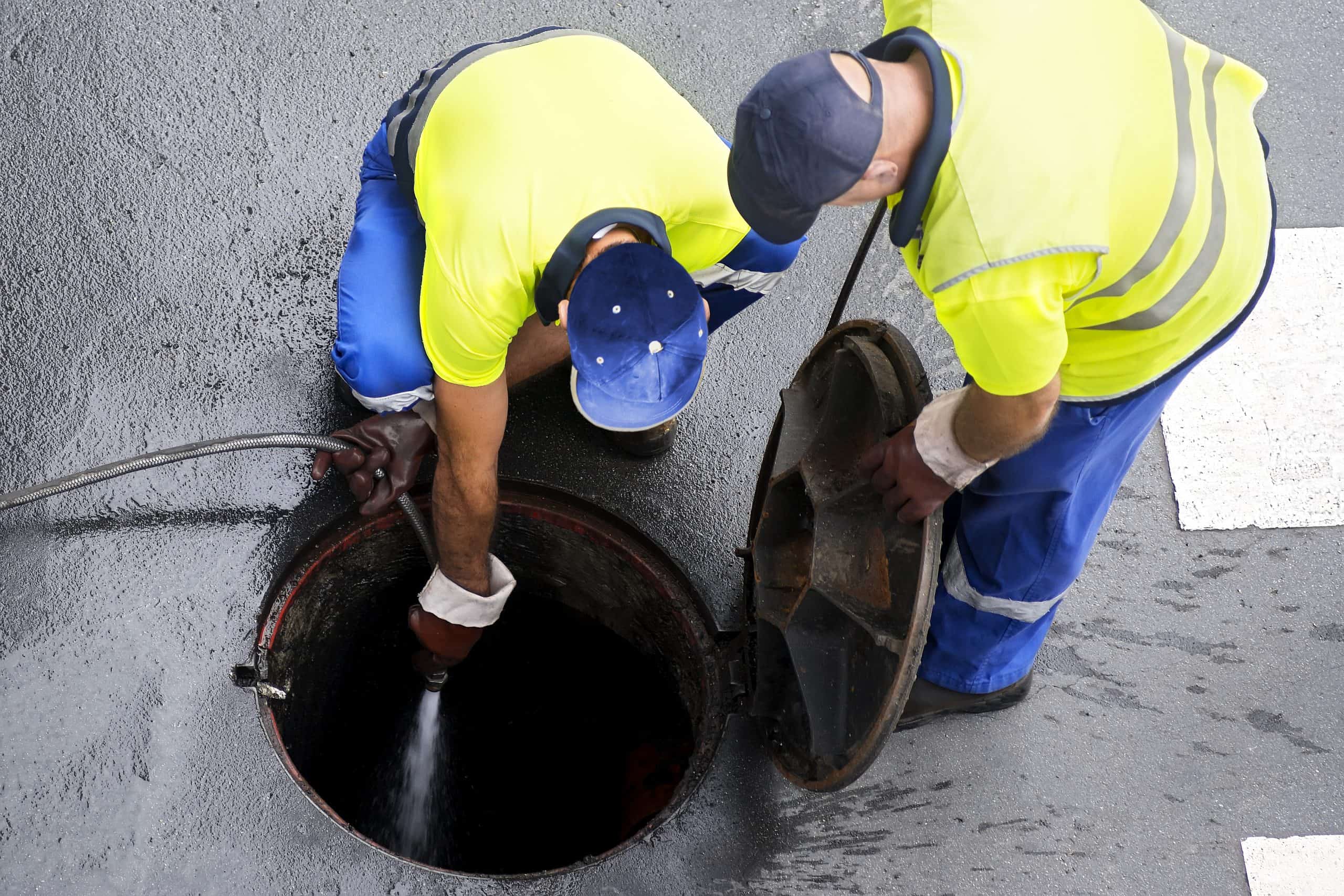
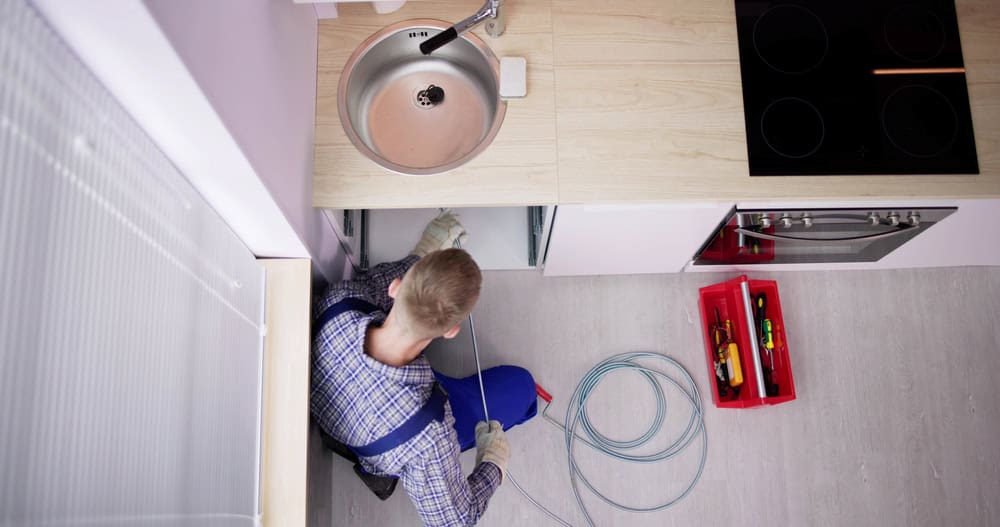
Once the cause is confirmed, we use the right tool for the job. For surface-level buildup or a straightforward clog, professional snaking clears the blockage efficiently. For heavier accumulation — the kind that coats pipe walls over years of coastal debris infiltration and mineral scale — hydro jetting at up to 4,000 PSI scours the interior clean in a way that snaking simply can’t match. The difference shows up three months later when your drain is still running clear.
After the work is done, we walk you through what was found and what was done. If the camera revealed something that needs attention beyond the drain cleaning — a cracked lateral line, a joint that’s starting to separate — you’ll hear about it plainly, with a written estimate before anything else happens. No surprises, no pressure.
Ready to get started?
Every drain cleaning call starts with a camera inspection — not as an upsell, but as the baseline. In a community where roughly 6.5% of homes were built before the 1940s and the median construction year is 1976, older clay and cast-iron lines are common. Those materials behave differently than modern PVC, and treating them without looking first is how pipe joints get damaged. Our approach protects what’s already there while fixing what isn’t working.
From there, we match the service to what the camera actually shows. Professional snaking handles most standard clogs quickly. When the issue is more systemic — built-up debris along the pipe walls, recurring slow drains that keep coming back, or a main line that’s been collecting Shrewsbury River sediment for years — hydro jetting at up to 4,000 PSI is the tool that gets the job done and keeps it done. We also handle sewer line clearing, main line blockages, and slow drain solutions throughout the home.
For larger repairs, we offer $250 off water and sewer line repairs and $500 off replacements — plus 0% financing if you’d rather spread the cost out. Military personnel and first responders receive 10% off all services. All work is performed by licensed NJ Master Plumbers, fully insured, and compliant with Monmouth Beach borough codes and NJ Uniform Construction Code requirements.
This is one of the most common questions we hear from Monmouth Beach homeowners, and the answer is almost always the same: the clog was cleared, but the cause wasn’t. A standard drain snake punches through a blockage but leaves the pipe walls coated in the buildup that created it — grease, mineral scale, organic sediment, and in Monmouth Beach specifically, debris that infiltrates lateral lines from the Shrewsbury River and the borough’s tidal drainage system.
Monmouth Beach sits on flat terrain with minimal natural slope, which means debris doesn’t flush through your pipes the way it would in a town with topographic grade working in its favor. A formal engineering study of the borough’s infrastructure confirmed that drain lines here are consistently clogged with river debris and regularly backed up from high tides. That combination — flat terrain, tidal pressure, and debris-heavy drainage — means recurring clogs are often a structural reality, not just a random occurrence. Hydro jetting removes the buildup from the pipe walls themselves, which is why drains cleaned that way tend to stay clear significantly longer.
Hydro jetting uses highly pressurized water — our equipment operates at up to 4,000 PSI — to scour the interior of drain lines clean. It removes grease, mineral deposits, root debris, and the organic sediment that accumulates in coastal drainage environments like Monmouth Beach. Unlike snaking, which clears a path through a clog, hydro jetting cleans the pipe wall itself, which is why it produces longer-lasting results on lines that have seen years of buildup.
The safety question is a fair one, especially in Monmouth Beach where a meaningful portion of the housing stock was built before 1976 and older cast-iron or clay lines are not uncommon. That’s exactly why we conduct a camera inspection before any hydro jetting begins. The inspection lets our technician assess the condition of the pipe — whether joints are intact, whether the material can handle the pressure, and what settings are appropriate for that specific line. If the pipe isn’t in a condition to be safely jetted, you’ll know that before any work starts, not after.
The honest answer is that you usually can’t tell without looking inside the line. A slow drain or recurring backup could be a buildup issue that hydro jetting resolves completely — or it could be a sign of a cracked pipe, a collapsed section, or a joint that’s separated and is now letting in ground debris. Both present similarly from the homeowner’s perspective, but they require very different responses.
This is why our process starts with a camera inspection every time. In Monmouth Beach, where homes near the Shrewsbury River deal with organic debris infiltration and older properties may have cast-iron lines that have been under tidal stress for decades, the camera often reveals things that explain why a drain has been a recurring problem for years. If the inspection shows a repair is needed, we’ll give you a written estimate before any work begins. If it’s a cleaning issue, you’ll know that too — and you won’t be sold a repair you don’t need.
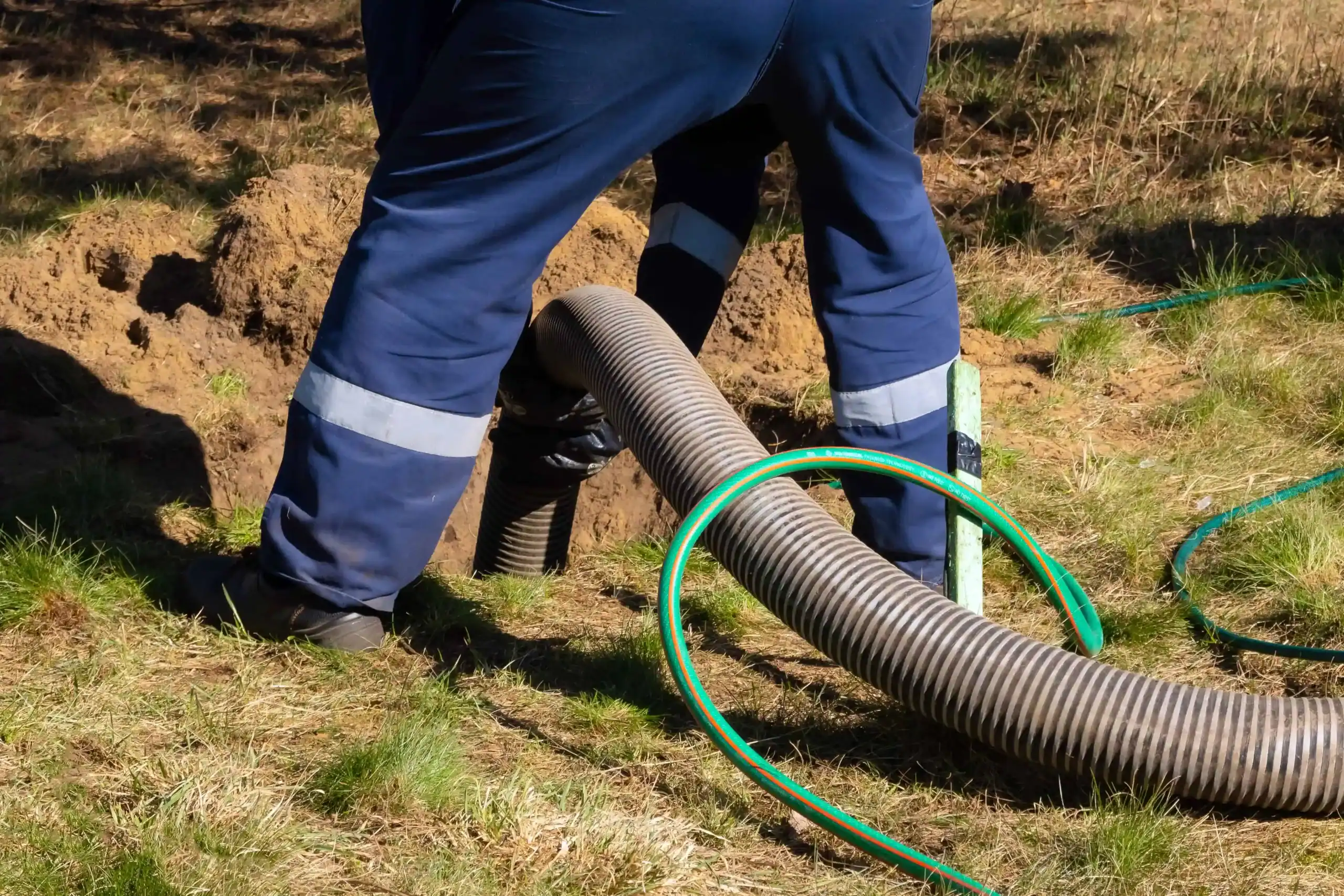
Yes, and more directly than most homeowners realize. When tidal pressure from the Shrewsbury River backs up the borough’s stormwater system — which a T&M Associates infrastructure study confirmed happens regularly in Monmouth Beach — that pressure doesn’t stop at the municipal line. It increases the load on private lateral drain lines connected to the system, which can turn a manageable slow drain into a full backup during high-tide events or after a coastal storm.
Monmouth Beach’s barrier spit geography puts it in a uniquely challenging position: the Atlantic Ocean to the east, the Shrewsbury River to the west, and flat terrain in between that offers no natural drainage slope. The borough has been working to address its undersized stormwater infrastructure, but those are long-term capital projects. In the meantime, homeowners with older lateral lines or any existing buildup in their drain pipes are more vulnerable to tidal-related backups than they might be in an inland town. Keeping your private lines clean and clear is one of the most practical things you can do to reduce that risk.
Drain cleaning costs vary depending on what the job actually involves. A standard professional snaking service for a single drain typically runs in the range of $150 to $350. Hydro jetting — which is more thorough and appropriate for main lines, recurring clogs, or heavy buildup — generally runs higher, often in the $300 to $600 range depending on line length and accessibility. Camera inspection may be included as part of the diagnostic process or priced separately depending on the scope of the call.
For larger work involving the sewer or water line, we offer $250 off repairs and $500 off full replacements, which can make a meaningful difference on jobs that run into the higher hundreds or more. 0% financing is also available for customers who want the right solution without a large upfront payment. We provide written estimates before any work begins, so you know exactly what you’re agreeing to. In a community where home values regularly exceed $1 million, the cost of a professional drain cleaning is a straightforward investment in protecting what you already have.
We offer a 10% discount for active military, veterans, and first responders — a straightforward acknowledgment of the people who serve the community. If that applies to you or someone in your household, just mention it when you call and it gets applied to your service.
Beyond that, our $250 off water and sewer line repairs and $500 off replacements are available to any customer facing that kind of work — and in Monmouth Beach, where aging lateral lines and tidal drainage stress make sewer line issues more common than in inland towns, those discounts come up more often than you might expect. There’s also 0% financing for customers who want to handle a larger job now without carrying the full cost upfront. None of this changes the quality of the work or the materials used — it’s just our way of making sure cost isn’t the reason a Monmouth Beach homeowner puts off a repair that their home actually needs.