Reviews
When your boiler stops working during a 26-degree January night, you’re not thinking about efficiency ratings or maintenance schedules. You’re thinking about keeping your family comfortable and your pipes from freezing.
That’s where fast, competent boiler repair makes all the difference. A working system means consistent heat in every room, hot water when you need it, and one less thing to worry about when winter hits Monmouth County hard.
Most boiler problems—strange noises, pressure drops, uneven heating, or complete shutdowns—can be fixed the same day if you call the right people. The key is getting someone who knows what they’re doing, shows up when they say they will, and doesn’t pad the bill with unnecessary work. That’s what separates a good service call from a frustrating one.
When your boiler’s fixed right, you’re not just getting heat back. You’re getting reliability, lower energy bills from a system that runs efficiently, and the confidence that it won’t quit on you again next week.
AME Plumbing Heating and Cooling has been handling heating and plumbing work throughout Monmouth County for years. We’re licensed, insured, and based right here in New Jersey—which means we understand what winter does to boiler systems in West Long Branch.
We’re not a national franchise with rotating technicians. Our team knows the common issues that show up in older homes near Monmouth University, the pressure problems that happen in multi-story properties, and how coastal humidity affects heating equipment differently than it does inland.
You’ll get upfront pricing before any work starts, and we don’t disappear after the job’s done. If something doesn’t seem right, we come back. That’s just how we operate.

First, we listen. You tell us what’s going on—no heat, strange sounds, leaking water, whatever the issue is. We ask a few questions to get a clearer picture, then schedule a time that works for you. If it’s an emergency, we move faster.
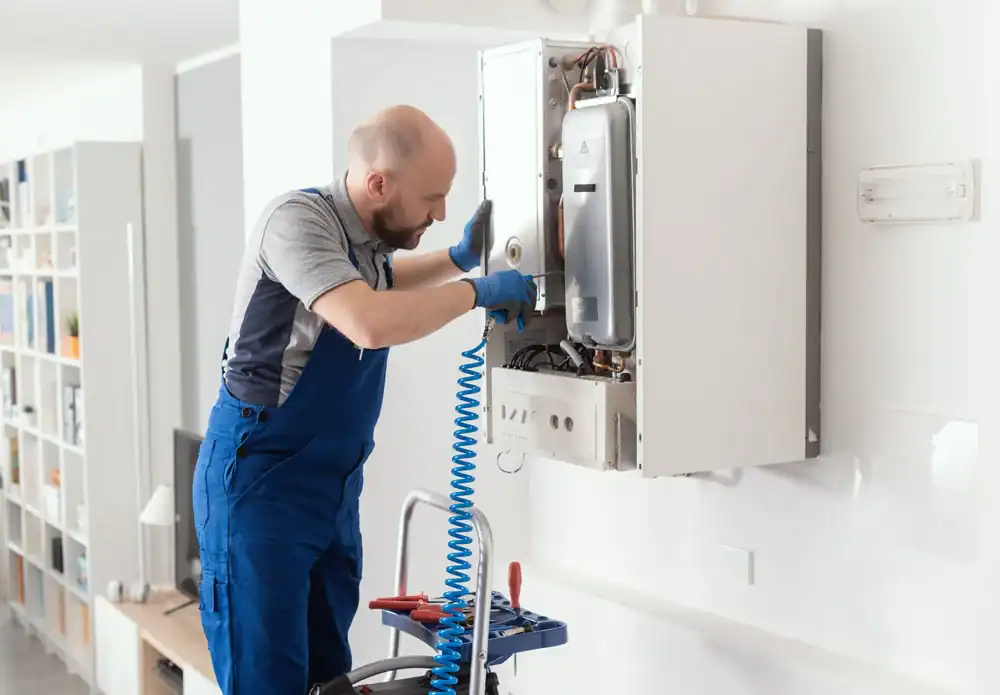
When our technician arrives, they’ll inspect your boiler system thoroughly. That means checking pressure levels, examining the heat exchanger, testing the thermostat connection, looking at the circulator pump, and identifying what’s actually causing the problem. Not what might be causing it—what is.
Once we know what’s wrong, we explain it in plain terms and give you a clear price for the repair. No jargon, no upselling parts you don’t need. If we can fix it on the spot, we do. If we need to order a part, we tell you how long it’ll take and what to expect in the meantime.
After the repair, we test the system to make sure everything’s working the way it should. We clean up, answer any questions you have, and leave you with heat that actually works.
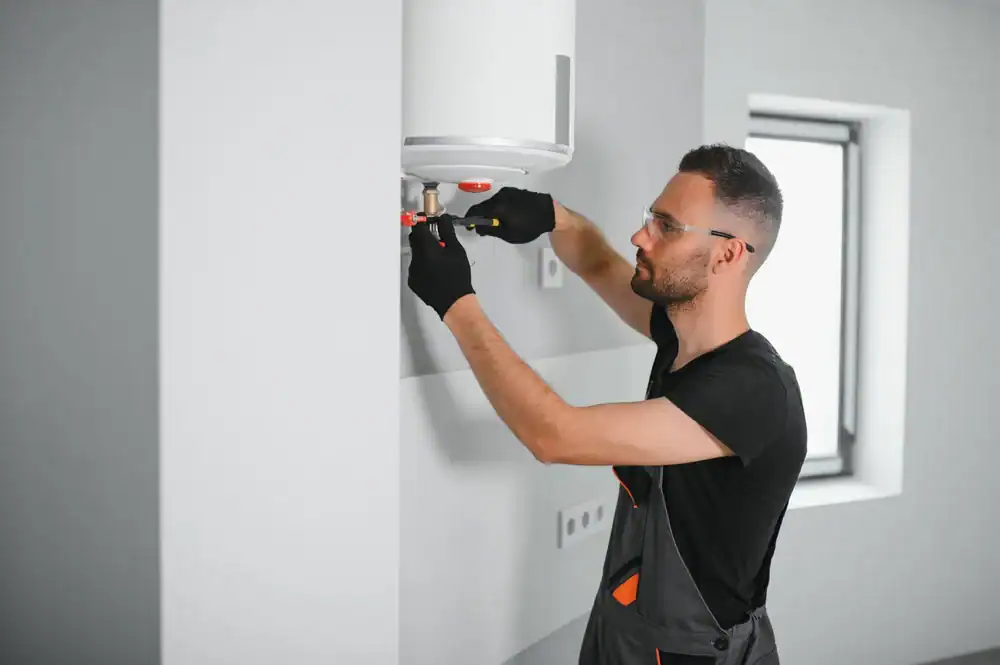
Ready to get started?
We handle all types of boiler systems—gas, oil, electric—and all the common problems that come with them. That includes boilers that won’t ignite, systems losing pressure, circulation pumps that have failed, leaking pipes or valves, thermostats that aren’t communicating with the unit, and kettling or banging noises that mean sediment buildup or air in the lines.
In West Long Branch, we see a lot of frozen condensate pipes during cold snaps. That’s a common issue with modern condensing boilers, and it’ll shut your whole system down until it’s thawed and cleared. We also deal with older cast iron boilers that develop leaks or need zone valve replacements.
Every service call includes a full system diagnostic, not just a patch job on the obvious problem. If your boiler’s struggling because of low water pressure, a failing expansion tank, or a clogged heat exchanger, we’ll catch it. That’s how you avoid repeat breakdowns.
You’ll also get transparent pricing before we start, same-day service when possible, and work that’s backed by our licensing and insurance. We’re not the cheapest option in Monmouth County, and that’s intentional. You’re paying for technicians who know what they’re doing, parts that last, and repairs that hold up through the winter.
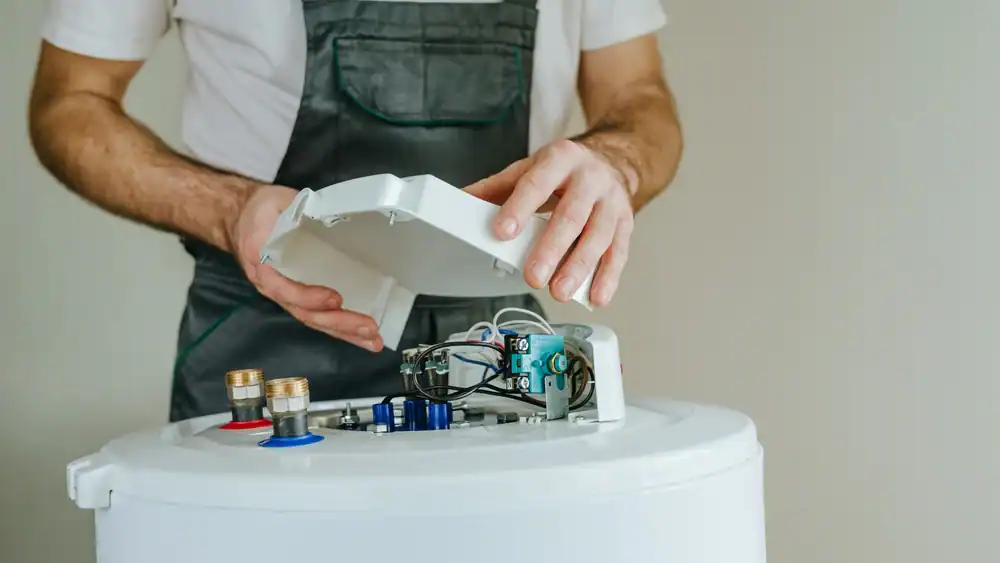
Most boiler repairs in New Jersey fall between $200 and $600, with the average around $400. That’s for common issues like replacing a circulator pump, fixing a pressure valve, or repairing a small leak.
Emergency service—especially after hours or on weekends—typically costs more, often in the $400 to $900 range depending on the problem and timing. If your boiler needs a major component like a heat exchanger or a full control board, the cost goes up from there.
The real answer depends on what’s actually broken. A thermostat issue might be a quick, inexpensive fix. A cracked heat exchanger might mean it’s time to talk about replacement instead of repair. That’s why we always diagnose first and give you a clear price before we do any work. No surprises, no padding the bill.
Low pressure is the most frequent culprit. If your boiler’s pressure gauge is reading below 1 bar, the system won’t fire up. That can happen from a small leak, a faulty pressure relief valve, or just normal water loss over time.
Frozen condensate pipes are another big one, especially during West Long Branch’s coldest weeks. Modern condensing boilers drain moisture through a small pipe, and if that freezes, the whole system shuts down as a safety measure. Thawing it and insulating it properly usually solves the problem.
Thermostat issues, airlocks in the system, failed ignition components, and circulation pump failures also cause a lot of service calls. Sometimes it’s a simple fix. Other times it points to a bigger issue that needs attention before it turns into an expensive breakdown. That’s why a real diagnostic matters more than guessing.
If it’s something straightforward—like bleeding air from the system, resetting a pressure valve, or replacing a thermostat—it might take an hour or less. Most common repairs fall in the one to three-hour range once the technician has diagnosed the issue.
More involved work, like replacing a circulator pump, fixing a zone valve, or addressing a leak in the heat exchanger, can take three to five hours depending on access and the age of your system. Older boilers sometimes require more time because parts are harder to reach or connections have corroded.
If we need to order a part that’s not in the truck, that adds a day or two. We’ll let you know upfront if that’s the case and give you an honest timeline. The goal is always to get your heat back as fast as possible without cutting corners.
If your boiler is under 10 years old and the repair costs less than a third of what a new system would cost, repair usually makes sense. If it’s over 15 years old and you’re looking at a major repair—like a heat exchanger, control board, or multiple failing components—replacement is often the smarter move.
Here’s why: older boilers are less efficient, which means higher heating bills every month. A new high-efficiency boiler can cut your energy costs significantly, and you won’t be dealing with constant repairs as parts continue to wear out. In New Jersey, a new boiler installation typically runs between $3,600 and $8,000 depending on the system and your home’s setup.
We’ll never push you toward a replacement if a repair makes sense. But if your boiler’s on its last legs, we’ll be straight with you about it. Sometimes spending $600 on a repair just buys you six more months of problems. That’s not a good investment, and we’ll tell you that.
Yes. We offer 24/7 emergency service because boilers don’t wait for business hours to break down. If your heat goes out at 2 a.m. on a Saturday in January, that’s not something you can wait until Monday to fix.
Emergency calls get prioritized, especially when temperatures are dangerously low or if there’s a risk of pipes freezing. We’ll get someone out as quickly as possible, assess the situation, and get your system running again.
Keep in mind that emergency service does cost more than a regular appointment—that’s standard across the industry because of the after-hours response and urgency involved. But when you’re without heat in the middle of a Monmouth County winter, it’s worth it to get the problem solved fast. We’ll still give you upfront pricing before we start any work, even in an emergency.
Annual maintenance is the single most effective way to avoid unexpected breakdowns. A yearly tune-up before heating season starts catches small problems before they become big ones—things like sediment buildup, minor leaks, worn seals, or components that are starting to fail.
During a maintenance visit, a technician will clean the heat exchanger, check and adjust pressure levels, test safety controls, inspect the flue and ventilation, bleed air from the system, and make sure everything’s running efficiently. That kind of attention keeps your boiler reliable and can add years to its lifespan.
Beyond professional maintenance, keep an eye on your pressure gauge. If it’s dropping regularly, something’s wrong. Listen for strange noises—banging, whistling, or gurgling usually means air in the lines or sediment buildup. And if you have a condensing boiler, make sure the condensate pipe is insulated so it doesn’t freeze during cold snaps. Those small things make a big difference in avoiding emergency repairs.