Reviews
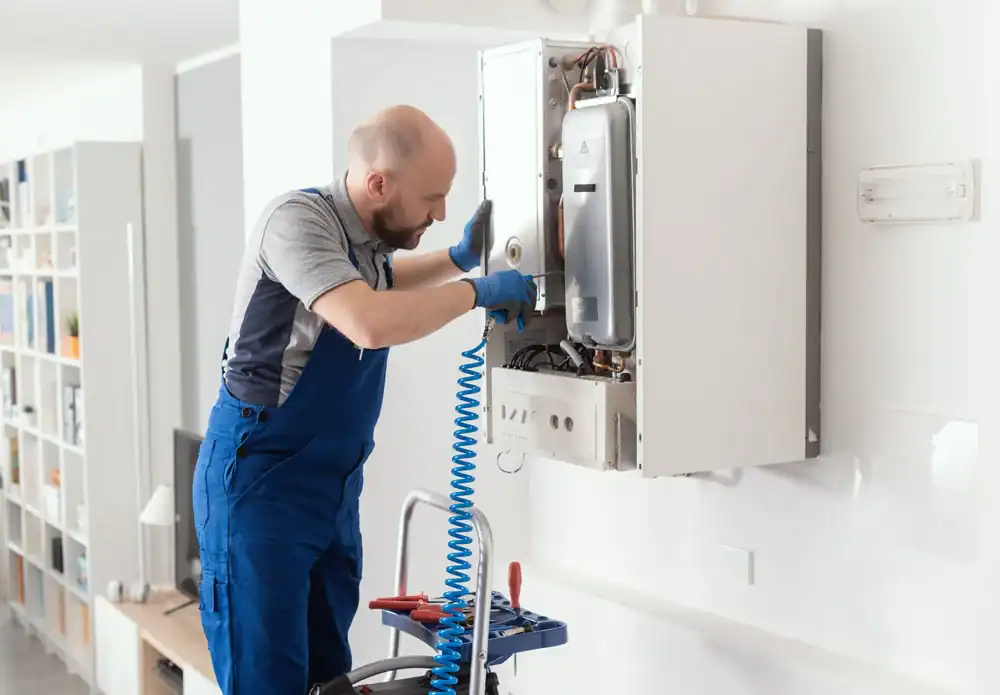
West Freehold sits inland at 141 feet of elevation with no ocean buffer softening its winters. When a polar vortex pushes through Central New Jersey, this community feels it harder and longer than the Shore towns. A boiler that’s limping along in October isn’t going to make it to March — and when it fails, it won’t give you advance notice.
Most homes in West Freehold were built between 1970 and 1999. That means a significant portion of the boilers running in Stonehurst East, Stonehurst West, Sleepy Hollow, and Sunnybrook are now 25 to 50 years old — systems that were designed to last 15 to 20 years with proper maintenance. If yours has never been serviced or hasn’t been looked at in a few years, you’re not just overdue — you’re one cold night away from an emergency call.
What you get on the other side of a proper boiler repair isn’t just heat. It’s knowing the pressure is right, the heat exchanger isn’t cracked, and the system that keeps your family warm has been assessed honestly by someone who’ll tell you the truth — whether that’s a $350 fix or a conversation about replacement. That clarity is worth more than the repair itself.
We’re a family-owned business based in Manasquan — same county as West Freehold, same roads, same winters. We’ve been serving Monmouth County homeowners since 2014 with a straightforward approach: show up on time, explain what’s wrong, give you the price before touching anything, and do the work right.
We’re fully licensed and insured for both plumbing and HVAC work in New Jersey, which matters more than most people realize. Boiler work in Freehold Township requires permits through the Township’s Construction Department and must pass inspection under the NJ State Uniform Construction Code. We handle all of that — so your repair is documented, code-compliant, and won’t create headaches when you go to sell your home.
With a 4.9-star average across more than 686 verified reviews, our track record speaks clearly. Reviewers name specific technicians, describe specific emergency scenarios, and consistently mention one thing above all else: we told them the truth.

When you call us, you’re not navigating a phone tree or waiting for a callback window. You reach a real person, you describe what’s happening, and a technician gets dispatched — including nights, weekends, and the kind of February cold snaps that West Freehold residents know all too well. Response times documented in customer reviews consistently run under an hour for emergency calls.
When the technician arrives, the first thing we do is a full diagnostic — not just a look at the symptom, but a complete assessment of the system. For the aging boiler inventory common in West Freehold’s 1970s and 1980s housing stock, this matters. A failing pressure relief valve and a cracked heat exchanger can look like the same problem on the surface. The diagnosis tells you what’s actually wrong, and the written estimate tells you exactly what it costs to fix it before any work begins.
If the repair makes sense, we do it. If the system is too far gone to justify the cost — a single repair exceeding 40% of what a new boiler costs, or a second major failure within three years — we’ll tell you that honestly and walk you through your options, including financing. No pressure. No steering toward the higher ticket. Just a clear answer so you can make the right call for your home and your budget.
Ready to get started?
A boiler maintenance visit from us isn’t a checkbox appointment. For West Freehold homeowners — especially those in Raintree’s 1980s condominiums or the established single-family homes throughout Stonehurst — it’s a full system review that covers pressure testing, heat exchanger inspection, burner cleaning, ignition system check, thermostat calibration, and a full assessment of any components showing early signs of wear.
The goal is simple: catch problems in September before they become emergencies in January. West Freehold’s heating season runs roughly October through March, and boilers here run hard for five to six months straight with no coastal temperature relief. Annual maintenance extends system life, keeps manufacturer warranties valid, and gives you an honest picture of where your boiler stands — so you’re not blindsided by a failure on the coldest night of the year.
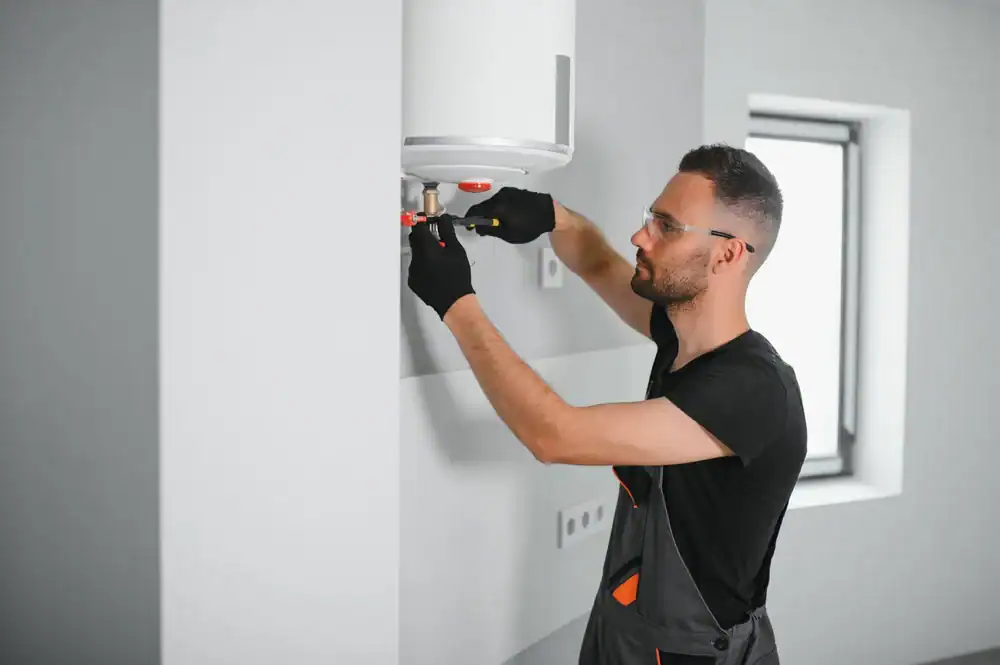
For homeowners dealing with a boiler that’s already broken down, we handle the full scope of repair: ignition failures, pressure drops, zone valve issues, circulator pump failures, thermocouple replacement, and more. All work is performed by licensed technicians, permitted through Freehold Township’s Construction Department where required, and backed by our commitment to upfront pricing. Military personnel and first responders receive 10% off — a real discount for the people who serve this community.
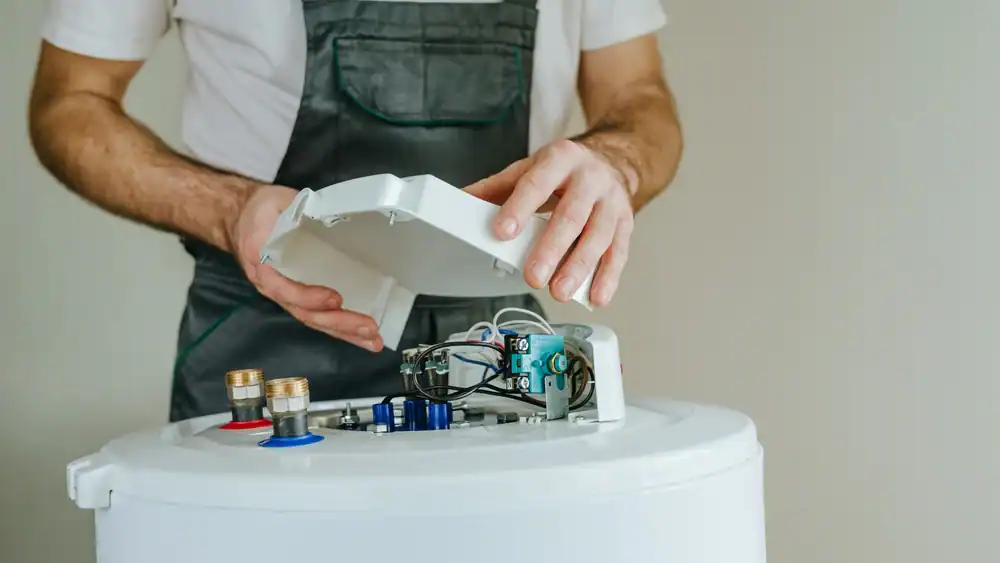
For most standard boiler repairs in West Freehold, you’re looking at a range of $200 to $600, with the average landing around $400 for a single-component fix — things like a faulty thermocouple, a failed ignitor, or a pressure relief valve replacement. Emergency or after-hours calls, which are common in this area given how quickly temperatures drop in Central New Jersey’s inland winters, typically add $200 to $300 on top of the base repair cost.
What actually determines your final number is the age and condition of the system, the specific component that failed, and whether the repair requires any permit filing through Freehold Township’s Construction Department. We provide a written estimate before any work begins, so you know the full cost before a single bolt is turned. There are no surprise charges added after the fact — what you’re quoted is what you pay.
Yes, and don’t wait until morning if you have children, elderly family members, or anyone with a health condition in the home. West Freehold’s inland location means winter temperatures here drop faster and stay lower than coastal areas in Monmouth County — there’s no ocean buffer moderating the cold. A house without heat in February can become genuinely unsafe within hours, not days.
We operate 24 hours a day, 7 days a week, including holidays and the kind of overnight cold snaps that tend to expose failing systems. When you call, a technician gets dispatched — not scheduled for the next available window. Customer reviews consistently document arrival times under an hour for emergency calls in the Freehold area. If your boiler isn’t working tonight, tonight is the right time to call.
The honest answer depends on three things: the age of the system, the cost of the repair relative to a new boiler, and how many major repairs it has needed recently. The professional standard in the HVAC industry is straightforward — if a single repair costs more than 40% of what a new boiler would run, replacement is usually the smarter long-term investment. If you’ve had two major repairs within three years, you’re likely throwing good money after bad.
Given that most homes in West Freehold were built between 1970 and 1999, a lot of boilers in this community are now 25 to 50 years old — well past the 15 to 20 year design lifespan. That doesn’t automatically mean replacement, but it does mean an honest diagnostic matters more than ever. Our technicians will give you specific numbers and a clear recommendation — not a sales pitch for the higher-ticket option.
For most standard repairs — replacing a thermocouple, cleaning a burner, swapping a pressure valve — a permit typically isn’t required. But for full boiler replacements or significant system modifications, yes, a permit is required through Freehold Township’s Construction Department, located at 384 West Main Street. The Township enforces the New Jersey State Uniform Construction Code, and boilers and furnaces are classified as special devices subject to a $75 per-unit permit fee.
This matters for a practical reason beyond compliance: unpermitted boiler work can create real complications when you go to sell your home. A buyer’s inspector or attorney will flag it, and you may be required to pull the permit retroactively — which is more complicated and more expensive than doing it right the first time. We’re fully licensed for both plumbing and HVAC work in New Jersey, handle the permit process through the Township, and ensure all work passes the required inspection.
Once a year is the standard recommendation, and for West Freehold specifically, late summer or early fall — August through October — is the right window. That timing lets a technician catch problems before the heating season starts, rather than discovering them when you fire the system up for the first time and it doesn’t respond.
West Freehold’s boilers run hard. The heating season here runs roughly five to six months of continuous operation, and because the community sits inland without any coastal temperature moderation, those months include some genuinely cold sustained stretches — not just a few chilly nights. Annual maintenance keeps the system running efficiently, extends its lifespan, and in many cases is required to keep the manufacturer’s warranty valid. For homes in Stonehurst or Raintree with older systems, skipping a year of maintenance isn’t a minor oversight — it’s a meaningful risk.
We offer a 10% discount for military personnel and first responders — and West Freehold and the broader Freehold Township area have a meaningful number of both. Between the families connected to nearby military installations, the local police and fire departments serving the township, and the healthcare workers at CentraState Medical Center on West Main Street, this discount reaches a real cross-section of the community. It’s applied directly to the job total, no hoops to jump through.
Beyond that, we also offer financing options for larger repairs or full boiler replacements — which matters when an unexpected system failure turns into a $5,000 to $10,000 decision. Even at West Freehold’s above-average household income levels, an unplanned heating system replacement is a significant expense. Financing makes it possible to choose the right solution for your home rather than the cheapest one you can cover out of pocket right now. Ask about current options when you call.