
Reviews
A boiler that won’t fire up at 6 AM on a Tuesday isn’t just inconvenient. It’s a problem that stops everything else in your day.
You’re not looking for a lecture on BTUs or a sales pitch on a new system. You need heat back on, a straight answer about what broke, and a price that doesn’t feel like you’re being taken advantage of because it’s an emergency.
That’s what boiler repair should look like. A licensed plumber who knows these systems inside out, carries the parts that actually fail, and can tell you in plain terms whether it’s a quick fix or time to have a bigger conversation. Most calls in Wanamassa get a response within two hours. Most repairs finish the same day.
AME Plumbing Heating and Cooling is a family-owned company based in Monmouth County. We’ve spent the last decade working on boilers in homes that deal with coastal humidity, salt air, and the kind of winter cold that tests every heating system.
Our techs are licensed and insured. We show up when we say we will, explain what’s wrong without the jargon, and give you the price before we start the work. No hidden fees, no upselling you into things you don’t need.
Wanamassa has a lot of older homes with boiler systems that were built to last but need someone who actually understands how they work. That’s what we do. And if it’s 2 AM and your heat just died, we’re available.

You call or text, and we pick up. If it’s an emergency, we’re usually at your door within an hour or two. If it’s a scheduled service call, we show up on time.
Our plumber runs a full diagnostic to figure out what’s actually wrong. Boilers fail for a handful of common reasons—leaking water, low pressure, faulty thermostats, or worn-out pumps and valves. We check all of it. Then we walk you through what we found, what it’ll take to fix it, and what it costs. You decide if you want to move forward.
If you say yes, we get to work. Most boiler repairs finish the same day because we stock the parts that break most often. Once it’s done, we test the system to make sure it’s heating properly and safely. You’re not left guessing whether it’ll quit again tomorrow.
If your boiler is old or damaged beyond what makes sense to repair, we’ll tell you that too. But we’re not going to push you into a replacement if a repair gets you through the season.
Ready to get started?
Every boiler repair starts with a full system inspection. That means checking the pressure, testing the thermostat, inspecting the heat exchanger, looking for leaks, and making sure the venting is clear. If something’s wrong, we find it.
Repairs cover whatever part failed—circulator pumps, pressure relief valves, expansion tanks, ignition systems, or zone valves. We carry most of these parts on the truck. If we don’t have it, we’ll get it fast and come back to finish the job.
Wanamassa’s coastal location means boilers here take more of a beating from humidity and salt air than systems a few miles inland. That’s why we also check for corrosion and buildup that can shorten the life of your equipment. Catching that early saves you from bigger problems later.
You’ll also get a clear explanation of what caused the breakdown and whether there’s anything you should keep an eye on going forward. If your system is getting close to the end of its lifespan, we’ll let you know so you’re not blindsided by a full replacement in the middle of winter.
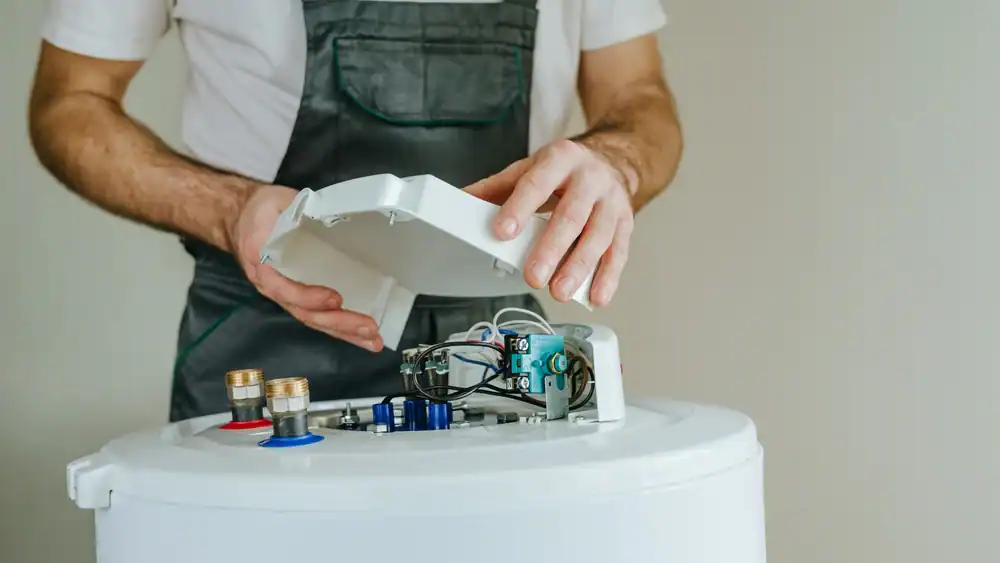
It depends on what’s broken. A simple fix like replacing a faulty thermostat or resetting the pressure might run a few hundred dollars. Something more involved—like a leaking heat exchanger or a failed circulator pump—can cost more, sometimes over a thousand if parts and labor add up.
The good news is you’ll know the price before any work starts. We don’t believe in surprise bills or tacking on fees after the fact. If your boiler needs a part we don’t have on the truck, we’ll tell you what it costs and how long it’ll take to get.
If the repair cost is creeping close to what a new boiler would run, we’ll have that conversation with you. Sometimes fixing an old system one more time makes sense. Other times, you’re better off replacing it and getting a unit that’ll last another 15 years without the constant service calls.
Low water pressure is at the top of the list. If your boiler’s pressure gauge is sitting below 12 PSI, the system won’t fire up. That’s usually a quick fix—either topping off the water or finding and sealing a small leak.
Thermostat issues are another big one. If the thermostat isn’t communicating with the boiler, nothing happens when you turn up the heat. Sometimes it’s a wiring problem, sometimes the thermostat itself is shot.
Leaking water, strange noises, and pilot lights that won’t stay lit are also common. Leaks usually point to a cracked heat exchanger or a blown pressure relief valve. Noises—banging, whistling, gurgling—often mean there’s air in the system or sediment buildup. And if the pilot light keeps going out, that’s typically a thermocouple issue or a problem with the gas supply.
Most repairs finish in a few hours. If it’s something straightforward like a thermostat swap or a pressure adjustment, we’re usually done in under an hour.
More complex jobs—replacing a circulator pump, fixing a zone valve, or addressing a leak in the heat exchanger—can take half a day. If we need to order a part that’s not on the truck, that adds time, but we’ll give you a clear timeline so you’re not left wondering.
Emergency calls get priority. If your heat’s out in the middle of winter, we move fast. The goal is always to get your system back up and running the same day. If that’s not possible because of the scope of the repair, we’ll at least get you a temporary solution so you’re not freezing overnight.
If your boiler is under 10 years old and the repair cost is reasonable, fixing it almost always makes sense. You’ll get several more years out of the system without the expense of a full replacement.
If your boiler is 15 years or older and you’re looking at a major repair—like a cracked heat exchanger or a failed burner assembly—it’s worth considering replacement. At that age, you’re likely to face more breakdowns, and older boilers run at 50 to 55 percent efficiency. A new high-efficiency unit can cut your fuel costs nearly in half.
We’ll walk you through the math. If the repair is a third of what a new boiler costs and your system still has some life left, repair makes sense. If you’re spending money on a system that’s going to fail again in a year, replacement is the smarter move. We’re not going to push you either way—we’ll just give you the numbers and let you decide.
Yes. We’re available 24/7 for heating emergencies. If your boiler goes out in the middle of the night or on a weekend, you can call us and we’ll get someone to your house as fast as possible—usually within an hour or two.
Emergency service costs more than a scheduled appointment, but you’re paying for the availability and the speed. When it’s 20 degrees outside and your heat just quit, waiting until Monday morning isn’t an option.
We stock the most common boiler parts on our trucks, so even on an emergency call, there’s a good chance we can finish the repair the same day. If it’s something unusual that requires ordering a part, we’ll at least diagnose the problem and give you a plan so you know what’s next.
Once a year, ideally in the fall before heating season starts. Annual service catches small problems before they turn into expensive breakdowns in January.
During a maintenance visit, we clean the system, check the pressure, inspect the heat exchanger for cracks, test the thermostat and safety controls, and make sure the venting is clear. We also look for signs of corrosion or wear that could cause issues down the line.
Regular maintenance extends the life of your boiler and keeps it running efficiently. A well-maintained system uses less fuel, which saves you money every month. It also reduces the chances of a middle-of-the-night emergency call because something failed when you needed heat the most.
If you’ve never had your boiler serviced and it’s been running for years, it’s worth scheduling a checkup. You might be surprised what a cleaning and a few small adjustments can do for performance.