Reviews
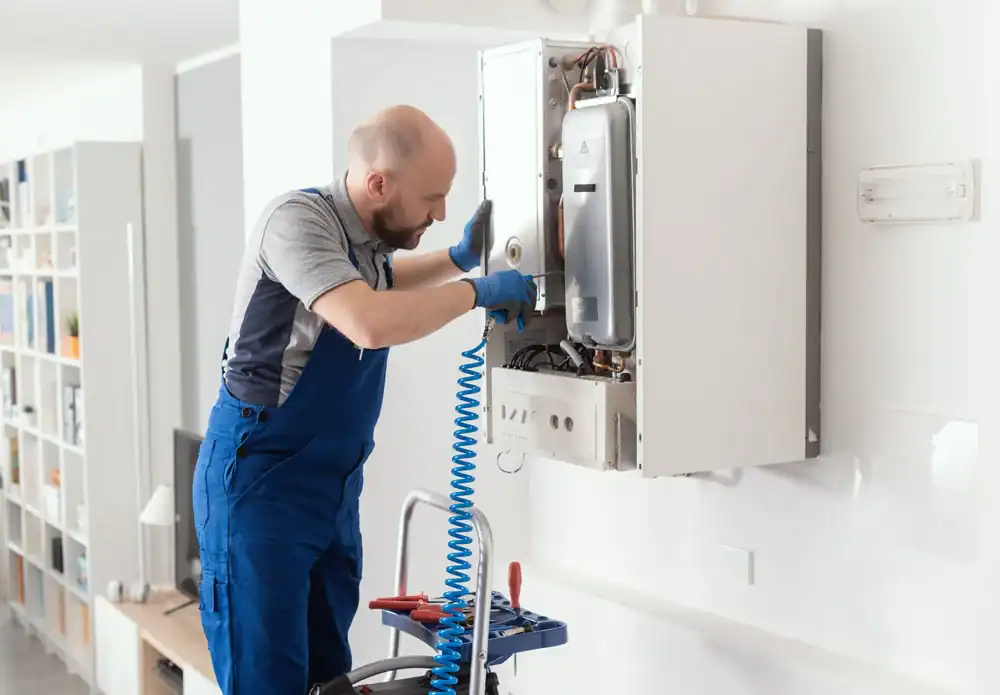
A broken boiler in Toms River is not a minor inconvenience. February nights here drop to 21°F. The bay air keeps things damp year-round. And if you’re in Holiday City, Silver Ridge, or one of the township’s other 55-plus communities, going without heat isn’t something you can just wait out until Monday morning.
When your system is back up and running, you stop worrying. The house is warm, the pipes aren’t at risk, and you’re not watching the thermostat wondering if it’s going to hold. That peace of mind is what a proper boiler repair actually delivers — not just heat, but confidence that it’ll stay on.
Toms River’s coastal environment is harder on boilers than most homeowners realize. Salt air, high humidity off Barnegat Bay, and the freeze-thaw cycles that come with a Jersey Shore winter all accelerate wear on heat exchangers, venting components, and older cast-iron systems. If your home was rebuilt after Sandy — especially in Ortley Beach or Normandy Beach — your system is likely 8 to 12 years old now and hitting the age where first real service needs start to surface. Getting ahead of that is always cheaper than dealing with a full breakdown mid-season.
We’re based in Manasquan — about 20 miles north of Toms River on the Garden State Parkway. Ocean County isn’t a stretch of our service area. It’s part of our home market, and we’ve been running calls in Toms River long enough to know the difference between what a coastal boiler system goes through versus an inland one.
We’re a family-owned company, fully licensed and insured under New Jersey state requirements for both HVAC and plumbing. That matters for boiler work specifically, because a boiler system touches both trades — pressurized water, gas lines, venting, and distribution piping all in one. We hold the credentials to handle the full system, not just part of it.
Our 4.9-star rating across more than 686 verified reviews isn’t something we put on a flyer. It’s what happens when you show up on time, explain what you found, charge what you quoted, and don’t disappear after the job.

When you call, you reach a real person — not a voicemail, not an answering service that takes a message and hopes for the best. We’ll ask you a few quick questions about what your system is doing, confirm your location in Toms River, and get a technician dispatched. For emergency calls, we’re available around the clock, every day of the year.
When the technician arrives, the first thing that happens is a full diagnostic. We’re not guessing or throwing parts at it. We’re looking at the whole system — the heat exchanger, the circulator pump, the pressure relief valve, the venting, the thermostat signal — to find out exactly what’s causing the problem. In Toms River homes, we pay close attention to signs of moisture intrusion and corrosion, because crawlspace installations and the coastal air here create conditions that accelerate certain types of wear faster than you’d see in an inland home.
Once we know what’s wrong, you get a written estimate before anything is touched. The number we quote is the number on the invoice. If the repair requires a permit under New Jersey’s Uniform Construction Code — which applies to certain gas line or venting work — we handle that too. You don’t have to chase paperwork or wonder if the job was done to code.
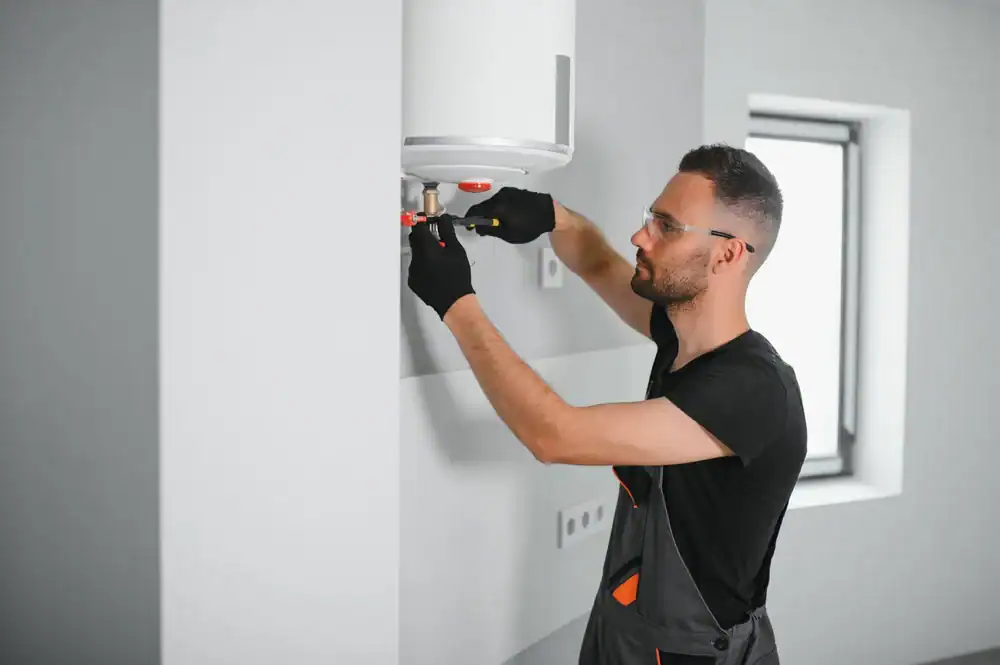
Ready to get started?
A boiler repair call with us isn’t just about fixing the one thing that stopped working. By the time we’re already at your home in Toms River, we’re looking at the full picture — because the thing that broke is often a symptom, not the whole story.
We service all major boiler types: gas, oil, and electric. We handle everything from no-heat calls and pressure issues to pilot light failures, circulator pump replacements, zone valve problems, and thermostat malfunctions. If your system is leaking, making noise, short-cycling, or just not keeping up with the cold, those are all things we diagnose and repair. For homeowners in older Toms River neighborhoods like Gilford Park, Silverton, or Pleasant Plains — where systems might be 20 or more years old — we’ll also give you an honest assessment of where your boiler stands and whether repair still makes financial sense versus replacement.
For Toms River residents in the township’s senior communities, we offer financing options that make larger repairs or full replacements manageable without a lump-sum decision under pressure. We also extend a 10% discount to military personnel and first responders — a meaningful number on a $400 to $600 repair, and even more significant on a full system replacement. Pricing for standard boiler repairs in New Jersey typically runs $200 to $600, with emergency calls ranging from $400 to $900 depending on timing and scope. You’ll know your number before we start.
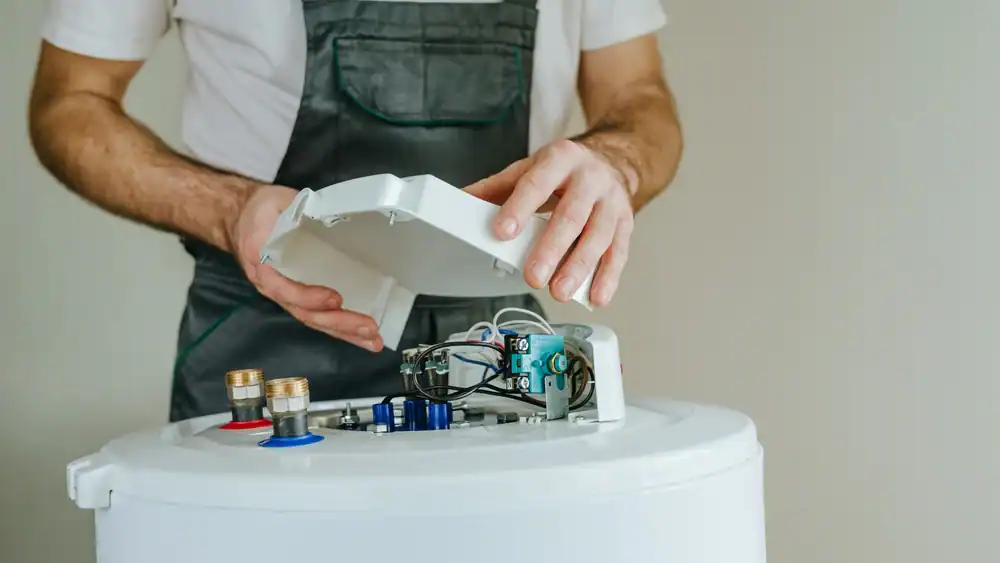
Standard boiler repairs in New Jersey typically fall between $200 and $600, depending on what’s wrong and what parts are needed. Emergency or after-hours calls — the kind that happen on a February night when the temperature drops to 21°F in Toms River — generally run $400 to $900 once the after-hours rate is factored in. Most service calls also include a diagnostic fee of $150 to $200 before repair work begins.
What you won’t get with us is a vague estimate over the phone followed by a different number on the invoice. You get a written quote before anything is touched, and that quote is what you pay. No add-ons discovered mid-job, no line items that weren’t discussed. For Toms River homeowners weighing a repair against a full replacement, we’ll walk you through both options honestly — including what a new system would cost — so you can make the call that actually makes sense for your situation.
The general industry benchmark is straightforward: if a single repair would cost more than 40% of what a new system would cost, replacement usually makes more financial sense. The same logic applies if you’ve had two or more major repairs within the past three years. Boilers typically last 15 to 20 years with proper maintenance, so age is a factor worth weighing alongside repair cost.
In Toms River specifically, this question comes up more often than in some other parts of New Jersey — and for a real reason. The township has two distinct housing situations running at the same time. Older mainland neighborhoods like Gilford Park and Silverton have systems that may be 20 to 30 years old and approaching the end of their useful life. Meanwhile, barrier island communities like Ortley Beach and Normandy Beach that were rebuilt after Sandy have systems that are 8 to 12 years old — newer, but not new. The coastal environment in Toms River also accelerates wear, so a system that might have another five years in it inland could be closer to its limit near Barnegat Bay. We’ll tell you where yours actually stands.
The most common warning signs are a boiler that won’t turn on, one that turns on and off repeatedly without reaching temperature, unusual banging or kettling sounds, visible leaks around the unit or piping, a pressure gauge reading outside the normal range, and rooms that aren’t heating evenly when they used to. Any of these are worth a call before they turn into a full breakdown.
In Toms River’s coastal environment, there are a couple of additional things worth watching. Salt air and humidity off Barnegat Bay accelerate corrosion on heat exchangers and venting components — so rust staining, flaking around joints, or a system that’s suddenly less efficient than it used to be can be early signs of corrosion-related wear. Homes in crawlspace-heavy construction, which is common in Ocean County’s sandy-soil communities, are also more prone to moisture intrusion near the boiler base. If you’re seeing any of those signs, especially heading into the colder months, don’t wait for a full failure to find out what’s happening.
For most standard repairs — replacing a circulator pump, fixing a zone valve, addressing a pressure issue — a permit is typically not required. But if the work involves modifications to the gas line, changes to the venting system, or a full boiler replacement, New Jersey’s Uniform Construction Code does require permits and inspection. That applies in Toms River just as it does across the rest of Ocean County.
This matters more than it might seem. Work done without the required permits can void your manufacturer’s warranty, create complications with your homeowner’s insurance, and leave you with a compliance issue if you ever sell the home. Any contractor telling you permits aren’t necessary for a full replacement is either wrong or cutting corners — and either one is a problem. We handle permit compliance as part of the job when it’s required. You don’t have to track down the paperwork or follow up with the municipal building department on your own.
Once a year is the standard recommendation, and the best time to do it is in late September or October — before the heating season starts in earnest. A pre-season tune-up catches issues that developed while the system sat dormant over the summer. In Toms River’s humid coastal climate, boilers that sit unused from May through September are more likely to show corrosion, sediment buildup, and component degradation by the time you fire them up again in fall.
Annual maintenance also helps you avoid the peak-season wait. When the first hard freeze hits Toms River in late October or November, every HVAC company in Ocean County gets slammed with calls at the same time. Homeowners who serviced their systems in September don’t compete for those appointments — and they don’t pay the emergency premium that comes with a breakdown in December, which is the township’s coldest and wettest month on average.
Yes — we extend a 10% discount to military personnel and first responders. Toms River has a significant veteran population across the township, including in many of the 55-plus communities like Holiday City and Silver Ridge, and this discount reflects that. On a $500 repair, that’s $50 back. On a full system replacement that runs $3,000 to $5,000 or more, it’s a genuinely meaningful reduction.
For larger repairs or full boiler replacements, we also offer financing options. A boiler failure in the middle of winter doesn’t come with a convenient payment timeline, and for homeowners on fixed incomes — a real consideration in a township where a large portion of the population is retired — having a financing path available makes the decision less stressful. You can get the system fixed or replaced without having to absorb the entire cost at once. If you want to know what you’d qualify for before committing to anything, just ask when you call.