
Reviews
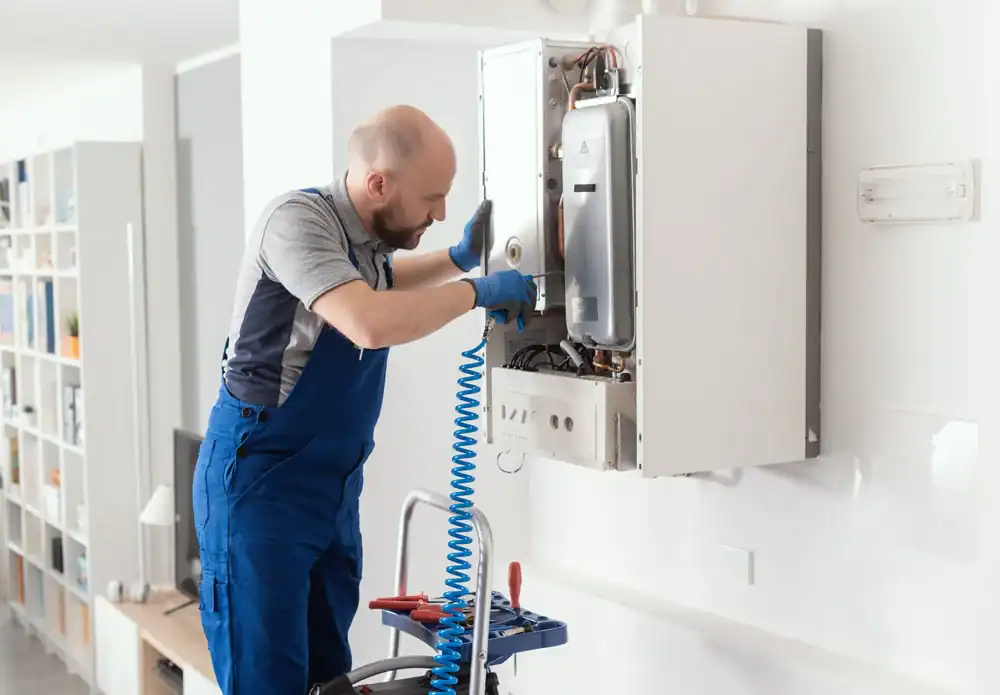
Your boiler quits on the coldest night of the year. The house drops to 55 degrees. You’re layering blankets and wondering how long until the pipes freeze.
That’s when you need someone who answers the phone, shows up when they say they will, and actually fixes the problem. Not someone who schedules you out three days or tacks on mystery charges after the work’s done.
We handle the most common boiler problems Spring Lake homeowners face: no heat, leaking water, strange noises, pressure drops, and pilot lights that won’t stay lit. Most repairs get done the same day. You get a clear price before we start, and if something changes, we tell you why.
Your boiler works. Your house stays warm. You’re not waiting around or second-guessing the bill.
We’ve been serving Monmouth County since 2014. We’re licensed, insured, and based right here in the area—not a national chain that subcontracts your job to whoever’s available.
Spring Lake homes come with their own challenges. Older properties with aging boiler systems. Coastal humidity and salt air that wear on equipment faster. Historic homes where you can’t just rip things out and start over.
We’ve worked in these houses. We know what breaks, what lasts, and how to fix things without creating bigger problems down the road. You get a real technician who knows the system, not a salesperson trying to upsell you into a full replacement when a repair will do the job.

You call or message us with the problem. We ask a few questions to understand what’s going on—no heat, leaking, noise, whatever it is—and schedule a time that works for you. Most standard repairs happen same-day if you call early enough.
Our technician shows up on time, checks the system, and figures out what’s wrong. Before any work starts, you get a clear explanation of the issue and an upfront price. No “we’ll see once we get in there” nonsense unless we genuinely find something unexpected—and even then, we explain it and get your approval first.
Once you’re good with the plan, we fix it. Most boiler repairs take a few hours. We test everything to make sure it’s working right, clean up, and walk you through what we did. If it’s an emergency and your heat’s out in the middle of winter, we’re available 24/7 to get you back up and running.
Ready to get started?
We diagnose the problem first. That means checking the thermostat, inspecting the boiler itself, testing pressure levels, looking for leaks, and making sure the pilot light and ignition system are functioning. A lot of “boiler problems” turn out to be something simpler, and we’re not going to charge you for work you don’t need.
If it’s a real issue—cracked heat exchanger, faulty circulator pump, broken pressure relief valve, clogged pipes—we fix it with quality parts and proper technique. Spring Lake’s coastal climate is tough on heating systems, so we make sure repairs hold up against humidity and temperature swings that wear equipment down faster than inland areas.
You also get transparent communication the whole way through. We explain what went wrong, why it happened, and what you can do to avoid it next time. If your boiler’s on its last legs and a repair doesn’t make financial sense, we’ll tell you that too. No pressure, just honest advice so you can make the right call for your home and budget.
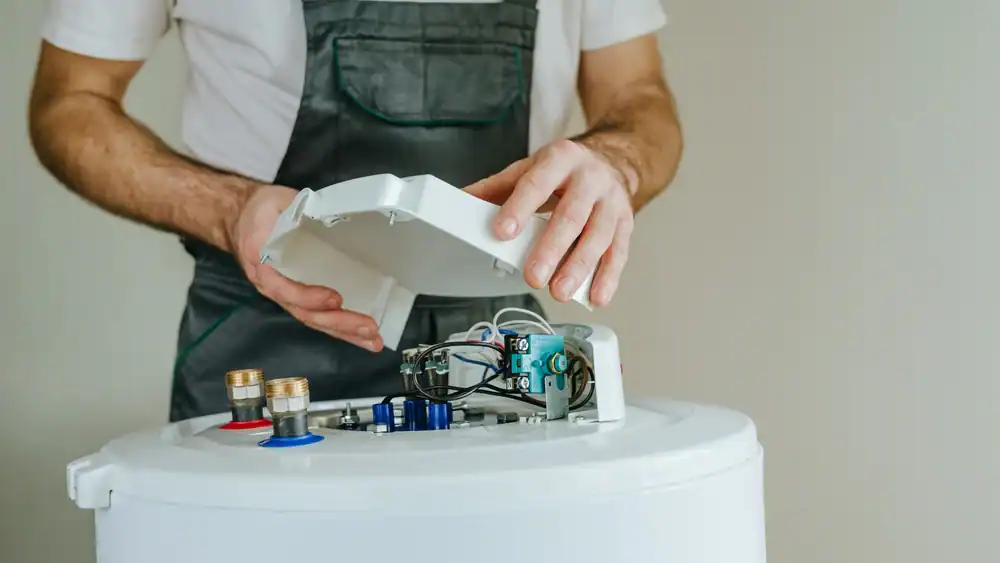
If your boiler is under 15 years old and the repair costs less than a third of what a new unit would run, fixing it usually makes sense. Older systems—especially those past 20 years—start breaking down more often, and efficiency drops enough that you’re paying more to heat your home every month.
Look at how often you’re calling for service. One repair every few years is normal. Multiple breakdowns in a single season means you’re throwing money at a dying system. Also consider your energy bills. If they’ve crept up even though your usage hasn’t changed, your boiler’s working harder and less efficiently than it should.
We’ll give you an honest assessment when we’re there. If a repair buys you another five solid years, we’ll say so. If you’re better off replacing it now, we’ll explain why and what your options are. No upselling, just straight talk based on what we see.
Pressure issues are the most common culprit. If the pressure gets too high, the relief valve opens to let water out—that’s what it’s designed to do. But if it’s happening regularly, something’s causing the pressure to spike, and that needs fixing.
Corrosion is another big one, especially in older boilers or homes near the coast where salt air accelerates wear. Pipes, valves, and the tank itself can develop small cracks or holes over time. Sometimes it’s a loose connection or a worn-out seal that just needs tightening or replacing.
Where the leak’s coming from matters. Water pooling under the boiler could be a cracked heat exchanger, which is serious. Drips from pipes or valves are usually simpler fixes. Either way, don’t ignore it. Even a small leak can lead to bigger damage, higher water bills, and potential safety issues if it’s not addressed quickly.
Banging noises—sometimes called “kettling”—usually mean limescale or sediment has built up on the heat exchanger. When water gets trapped under the buildup, it overheats and creates steam bubbles that collapse loudly. It sounds alarming, and it is a sign your system’s working harder than it should.
Whistling or high-pitched sounds often point to air trapped in the system or a blockage restricting water flow. Sometimes it’s as simple as bleeding the radiators to release trapped air. Other times it’s a valve that’s partially closed or a pump that’s struggling.
These noises aren’t just annoying—they’re your boiler telling you something’s wrong. Ignoring them leads to higher energy bills, more wear on components, and eventually a breakdown. Getting it checked out early usually means a simpler, cheaper fix than waiting until the whole system fails.
Most standard repairs take two to four hours once the technician’s on-site. That includes diagnosing the problem, getting the parts if we have them on the truck, doing the actual repair, and testing everything to make sure it’s working right.
Simple fixes—like replacing a faulty thermostat, bleeding radiators, or adjusting pressure—can be done in under an hour. More involved jobs, like swapping out a circulator pump or fixing a leaking valve, take longer but still usually wrap up the same day.
If we need to order a specific part that’s not in stock, that adds time. We’ll let you know upfront if that’s the case and give you an honest timeline. For emergency calls when your heat’s out in winter, we prioritize getting you back up and running as fast as possible, even if it means a temporary fix until we can complete the full repair.
Yes. We’re available 24/7 for heating emergencies because we know a broken boiler in January isn’t something you can wait on. No heat in freezing weather isn’t just uncomfortable—it’s a safety issue, especially for older residents, and it puts your pipes at risk of freezing and bursting.
When you call for emergency service, you talk to a real person who can help, not a voicemail. We’ll ask what’s happening, give you some immediate troubleshooting steps if they might help, and get a technician out to you as quickly as possible.
Emergency calls cost more than regular appointments—that’s standard across the industry because of the after-hours availability. But we’re upfront about pricing before we come out, and we focus on getting your heat back on first, then handling any additional repairs during normal hours if it makes sense. You won’t be left in the cold while we debate options.
Boiler repair is fixing something that’s broken. No heat, leaking water, strange noises—those are repair issues. You call because something’s wrong and needs immediate attention to get your system working again.
Boiler service is preventive maintenance. It’s a scheduled checkup where a technician inspects the whole system, cleans components, checks for wear, tests safety controls, and makes sure everything’s running efficiently. Think of it like an oil change for your car—you do it regularly to avoid breakdowns, not because something’s already broken.
Most manufacturers recommend annual boiler service, ideally before heating season starts in the fall. It catches small problems before they turn into expensive repairs, keeps your system running efficiently so you’re not wasting money on energy, and extends the life of your equipment. If you’re only calling when something breaks, you’re spending more in the long run and dealing with more inconvenient failures.