
Reviews
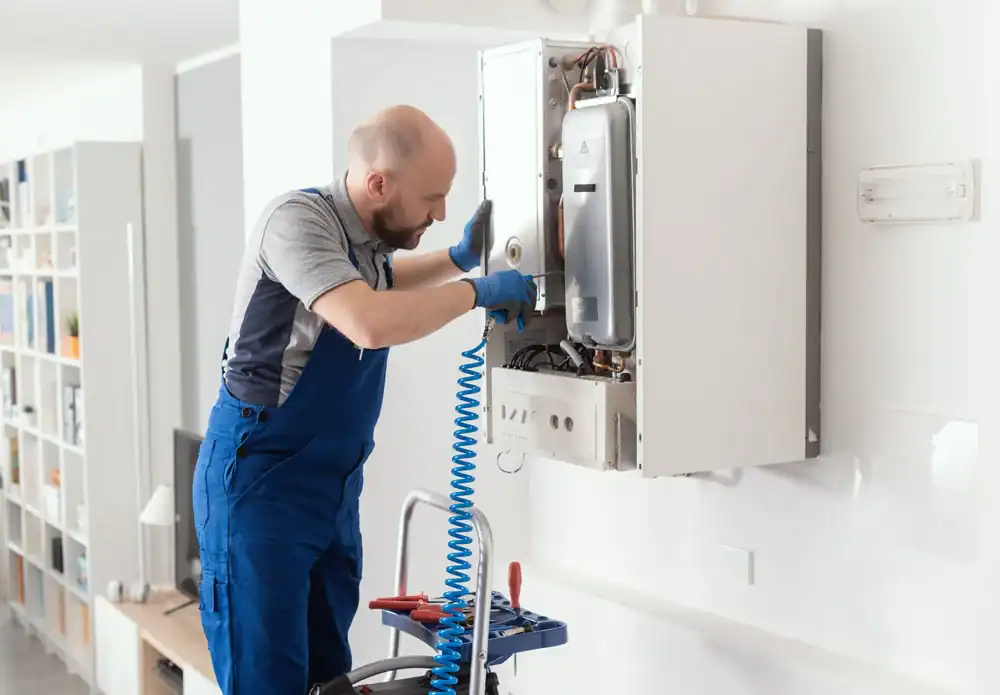
You’re not dealing with a cold house anymore. Your family stays warm through the coldest Jersey nights without worrying if the heat will kick on.
Your energy bills stop climbing because your boiler runs efficiently instead of working twice as hard to produce half the heat. That’s what happens when a system gets the repair it actually needs, not a band-aid fix that fails again in two weeks.
You also get transparency. Before any work starts, you know what it costs and why it’s necessary. No hidden fees, no surprise charges when the job’s done. Just honest boiler service from someone who understands that a broken heating system in Shrewsbury, NJ isn’t an inconvenience—it’s an emergency that demands real expertise and fast action.
We operate right here in Monmouth County. That means when you call for emergency boiler repair, you’re reaching a local team that knows Shrewsbury’s coastal climate puts extra strain on heating systems—especially during those brutal winter months when temperatures drop and stay down.
Our crew is fully licensed and insured, which matters more than most people realize until they’re stuck with an unlicensed contractor who can’t pull permits or doesn’t carry liability coverage. With a BuildZoom score in the top 24% of all New Jersey contractors, our work speaks for itself.
You’re also getting 24/7 availability. That’s not marketing talk—it’s how we run our business, because boiler breakdowns don’t wait for business hours, and neither should your plumber.

First, you call or reach out online. Most calls during winter get a response within one to two hours, and if it’s an emergency, we move faster.
When our technician arrives, they run a full diagnostic on your boiler—checking for leaks, pressure issues, ignition problems, or anything else that’s keeping your heating system from doing its job. You get a clear explanation of what’s wrong and what it’ll take to fix it, along with upfront pricing before any tools come out.
Once you approve the work, the repair happens on-site whenever possible. Most boiler repairs get handled the same day, especially common issues like faulty igniters, circulator pump failures, or leaking pipes. If parts need ordering, you’ll know the timeline and what to expect.
After the repair, the system gets tested to make sure it’s running efficiently and safely. You’re not left guessing if the fix will hold—you see it working before our technician leaves.
Ready to get started?
Our service covers all major boiler types—gas, oil, steam, and hot water systems. Whether your boiler is leaking water, making strange noises, failing to heat, or cycling on and off constantly, we diagnose and repair the issue correctly.
In Shrewsbury, NJ, coastal moisture accelerates corrosion on boiler components and flue pipes. That’s a common problem here that many out-of-area contractors miss. We know to check for it and address it before it turns into a bigger failure down the road.
You also get preventive maintenance options. Routine boiler service catches small problems before they become expensive emergency repairs in the middle of January. That includes cleaning, inspecting safety controls, checking water pressure, and making sure your system runs as efficiently as possible—which directly impacts your heating bills, especially with natural gas rates climbing over 16% for Monmouth County homeowners.
If your boiler is beyond repair or you’re dealing with a system that’s 15 to 20 years old and constantly breaking down, you’ll get honest guidance on whether replacement makes more sense than pouring money into an aging unit. No upselling, just real advice based on what your situation actually calls for.
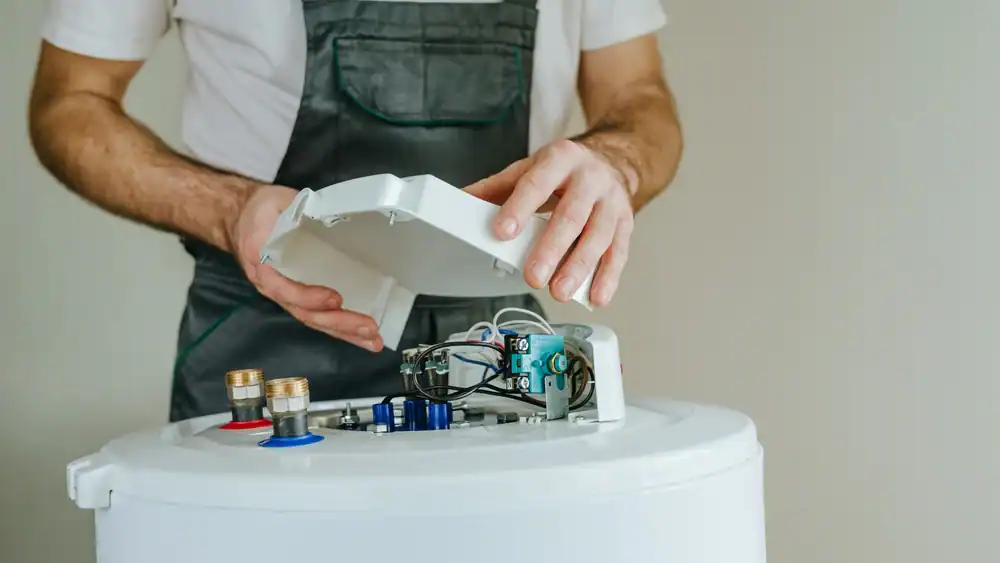
If your boiler is less than 15 years old and the repair cost is under half the price of a new system, repair usually makes sense. You’re getting more life out of a unit that still has years left in it.
But if you’re constantly calling for repairs, your energy bills keep climbing, or the boiler is over 20 years old, replacement becomes the smarter move. Older systems run at 65 to 75% efficiency, which means you’re losing a quarter of your heating dollars. A new boiler pays for itself over time through lower fuel costs and fewer breakdowns.
Our technician will walk you through the math during the service call. You’ll see exactly what repair costs versus replacement costs, and what each option gets you. No pressure, just the information you need to make the right call for your home and budget.
Leaking water usually comes from a few common sources. Pressure relief valves can fail and start dripping when the system pressure gets too high. Corrosion on the tank or pipes creates small holes that leak over time, especially in coastal areas like Shrewsbury where moisture accelerates rust.
Pump seals wear out and start leaking around the circulator pump. Loose pipe connections can also drip, particularly after the system expands and contracts through heating cycles. Sometimes it’s a simple fix like tightening a fitting or replacing a valve. Other times, it’s a sign of internal tank corrosion that means the boiler is nearing the end of its life.
The key is getting it looked at fast. A small leak can quickly become a flood, and water damage costs more than the boiler repair itself. Our technician will trace the leak to its source and let you know if it’s a quick fix or a bigger issue that needs more attention.
If the boiler fires up but your house stays cold, you’re likely dealing with a circulation problem or air in the lines. The circulator pump might have failed, which means hot water isn’t moving through your radiators or baseboard heaters even though the boiler itself is working.
Air trapped in the system creates airlocks that block water flow. This happens after repairs, during initial startup, or if you have a leak that’s been pulling air into the lines. Bleeding the radiators usually fixes it, but sometimes the issue is deeper in the system.
Thermostat problems can also make it seem like the boiler isn’t heating. If the thermostat isn’t communicating with the boiler correctly, the system won’t know when to fire up. Zone valves can stick closed, blocking hot water from reaching certain areas of your house. A full diagnostic pinpoints exactly where the breakdown is happening so you’re not guessing or replacing parts that aren’t actually broken.
Repair costs depend entirely on what’s broken. A simple fix like replacing an igniter or resetting a safety control might run a few hundred dollars. More involved repairs like replacing a circulator pump, fixing a significant leak, or addressing a cracked heat exchanger cost more.
You’ll get upfront pricing before any work starts, so there’s no guessing. Our technician explains what needs fixing, why it’s necessary, and what it costs. If you’re looking at a repair that’s expensive enough to make replacement worth considering, you’ll hear that too.
Emergency service rates apply for after-hours calls, but you’ll know that going in. The goal is to get your heat back on as quickly as possible without surprise charges showing up on the final bill. Financing options are available if the repair cost is more than you want to pay out of pocket all at once.
Once a year, ideally before winter hits. Annual maintenance catches problems while they’re still small and keeps your boiler running efficiently through the coldest months when you need it most.
During a maintenance visit, our technician cleans the system, inspects all safety controls, checks water pressure, tests the ignition, and looks for early signs of wear or corrosion. In Shrewsbury’s coastal climate, that corrosion check matters—salt air accelerates rust on boiler components and flue pipes faster than it would inland.
Regular maintenance also keeps your energy bills lower. A clean, well-tuned boiler uses less fuel to produce the same amount of heat. That’s real money back in your pocket, especially with natural gas rates climbing. Plus, you’re far less likely to wake up to a dead boiler on the coldest night of the year if someone’s been keeping an eye on it all along.
Yes. We work on gas, oil, steam, and hot water boilers from all major manufacturers. Whether you have a Weil-McLain, Burnham, Peerless, Slant/Fin, or any other brand, our technicians have the experience and parts access to handle the repair.
Different boiler types have different common failure points. Oil boilers tend to have issues with burners and nozzles. Gas boilers often need igniter or gas valve work. Steam systems can develop problems with pressure controls and condensate returns. Hot water boilers deal with circulator pumps and zone valve failures.
Knowing these differences matters because it speeds up diagnosis and gets your heat back on faster. You’re not dealing with someone who’s learning your system on the fly—you’re working with technicians who’ve seen your exact boiler model and fixed the same issue dozens of times before.